
Nearly half of world's children face at least three climate hazards, UNICEF warns
More than one billion children—nearly half of the world’s 2.4 billion under-18 population—are now exposed to at least three overlapping climate hazards, the United Nations Children’s Fund warned on Tuesday, as heatwaves, floods, storms and droughts intensify across every continent. The findings, released by UNICEF on 16 June 2026, show that almost every child on Earth faces at least one climate risk, two billion face at least two, and 364 million confront four or more simultaneous threats to their health, education and survival .
The report catalogues the most common combinations: drought, extreme heat and heatwaves afflict the largest number of children, while floods and storms compound risks in densely populated river deltas and coastal zones. In Chad, one of the world’s poorest countries, UNICEF estimates that more than 95 per cent of children are threatened by the same trio of drought, extreme heat and heatwaves—the most frequently occurring cluster globally .
Even high-income nations are not spared. The data indicate that children in Europe and North America are increasingly exposed to prolonged heatwaves and severe storms, disrupting schooling and increasing heat-related illness. “The climate crisis is a child-rights crisis,” said UNICEF Executive Director Catherine Russell. “When a child faces multiple climate shocks at once, the cumulative impact on their nutrition, learning and safety can be catastrophic.”
The report arrives amid a surge in extreme weather events. In South Asia, monsoon flooding has displaced millions of families during the 2026 monsoon season, while sub-Saharan Africa endures a fourth consecutive year of failed rains. UNICEF’s analysis draws on the latest climate models and child-population data to map exposure at subnational level, revealing that children in the Sahel, the Horn of Africa and parts of Southeast Asia face the highest combined burdens.
UNICEF is calling for accelerated adaptation measures, including climate-resilient schools, early-warning systems and social protection programmes that prioritise pregnant women and young children. “We have the tools to protect the next generation,” Russell said. “What we urgently need is the political will and the financing to deploy them at scale.” The agency estimates that an additional $1 trillion in annual climate finance is required to shield children from the most severe impacts by 2030.
Articles

UNICEF: Σχεδόν 1 δισεκατομμύριο παιδιά εκτεθειμένα σε πολλαπλούς κινδύνους λόγω της κλιματικής αλλαγής Η ξηρασία, οι καύσωνες και η ακραία ζέστη απειλούν εκατομμύρια ανήλικους, κυρίως στις φτωχότερες περιοχές του πλανήτη
protothema · about 3 hours ago
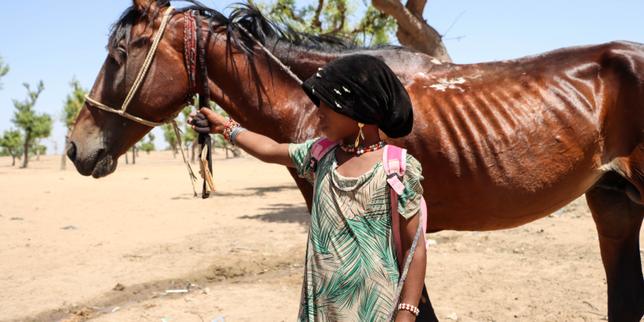
Près de la moitié des enfants du monde sont exposés à au moins trois types daléas climatiques, alerte lUnicef Au Tchad, pays en crise humanitaire, « plus de 95 des enfants » sont menacés par la sécheresse, la chaleur extrême et la canicule, la combinaison la plus fréquente daléas climatiques dans le monde, selon lagence onusienne.
le monde · about 3 hours ago
UNICEF: 1.1 billion children live with at least three types of climate risks According to a report by the UN childrens fund, UNICEF, more than one billion children worldwide are exposed to at least three overlapping climate hazards. Almost all of the worlds approximately 2.4 billion children face at least one climate risk, two billion face at least two, and 364 million face at least four. The number […]
cphpost · about 3 hours ago
Half of worlds children exposed to at least three climate hazards, Unicef says Almost every child, including those from high-income countries, is now exposed to at least one hazardHalf of the worlds children are exposed to at least three overlapping climate hazards threatening their health, education and survival, according to a Unicef report.Globally, children face increasing threats from heatwaves, storms, floods and droughts as the climate crisis worsens, with more than one billion facing at least three of these at once. Continue reading...
theguardian · about 3 hours ago
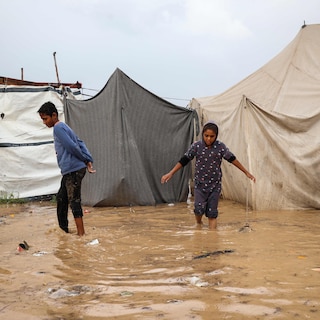
Helft van alle kinderen wereldwijd blootgesteld aan minstens drie klimaatrisicos, blijkt uit nieuw Unicef-rapport
de morgen · about 4 hours ago
Klimawandel: Kinder leiden laut Unicef besonders unter Folgen des Klimawandels Das UN-Hilfswerk Unicef hat einen Klimarisiko-Atlas für Kinder vorgelegt. Vor allem Dürren, extreme Temperaturen und Hitzewellen bedrohen 1,1 Milliarden Kinder.
die zeit · about 4 hours ago
UNICEF: Klimakrise bedroht fast jedes zweite Kind
orf.at · about 4 hours ago

Almost all of worlds children exposed to climate hazards, UN agency says reut.rs/3Sae0Ln
bluesky bot · about 4 hours ago

Près dun enfant sur deux exposé à plusieurs aléas climatiques, en Belgique aussi Près de la moitié des enfants dans le monde, soit 1,1 milliard, sont désormais exposés à au moins trois aléas climatiques simultanés, indique un nouveau rapport de lUnicef publié mardi. Ces menaces pèsent sur leur santé, leur éducation et leur survie, avertit lorganisation onusienne. ...
la libre · about 4 hours ago
UNICEF: Klimakrise bedroht fast jedes Kind
orf.at · about 4 hours ago
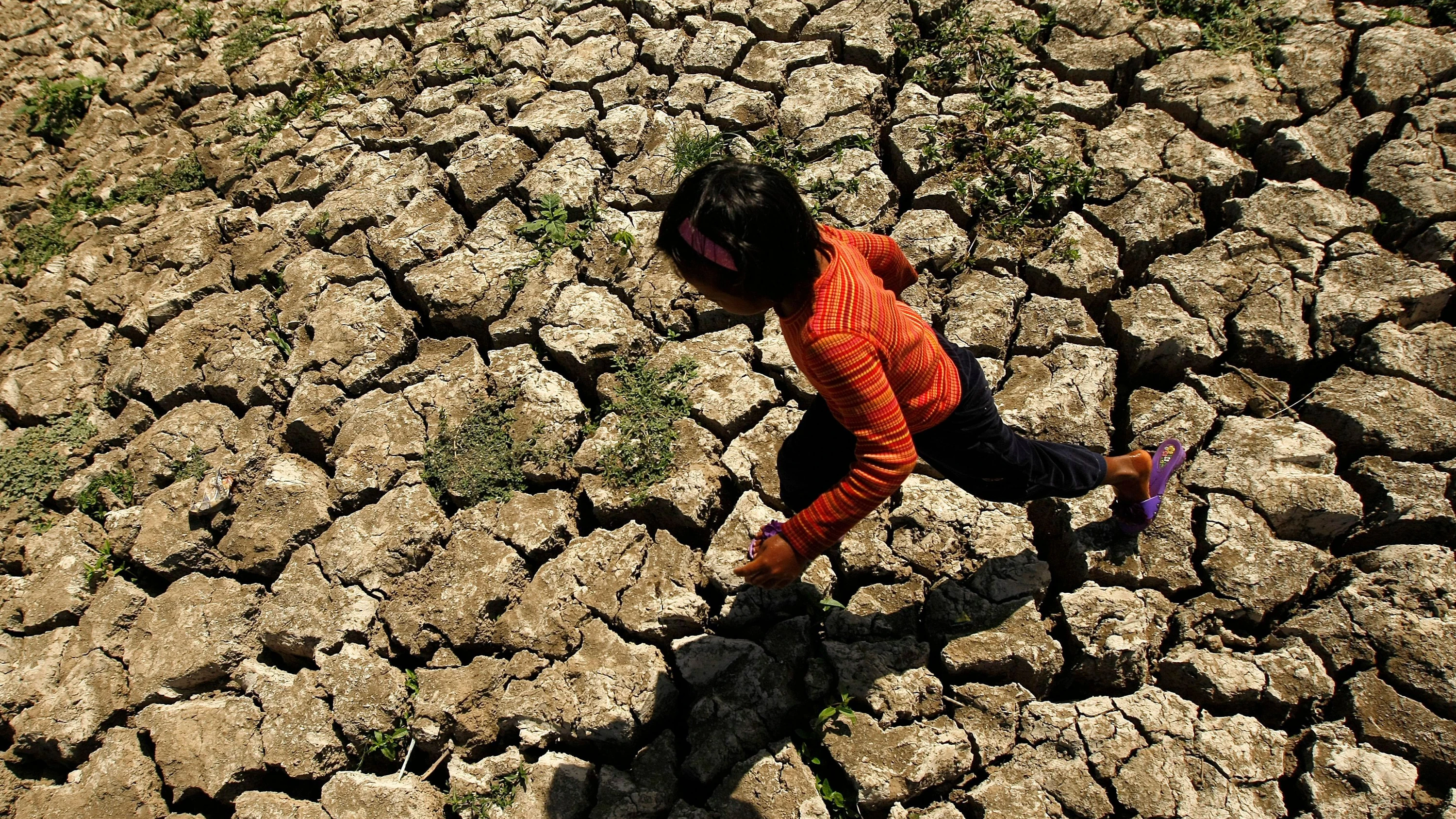
Unicef-Bericht: Klimakrise bedroht nahezu jedes Kind der Welt Kinder sind körperlich nicht so robust wie Erwachsene und leiden deshalb besonders unter Klimaextremen. In Deutschland ist die Lage vergleichsweise gut, aber auch hier wirkt sich der Klimawandel aus.
faz · about 4 hours ago