
Major asset managers freeze withdrawals from private credit, equity and real estate funds in Europe

Major asset managers including BlackRock, Apollo, KKR, Cliffwater, Blue Owl, Partners Group and UBS have frozen withdrawals from private credit, private equity and real estate funds, trapping an estimated half-trillion euros of investor capital as managers scramble to meet redemption requests. The restrictions, reported on Friday 26 June 2026, mark the most sweeping liquidity clampdown in a decade and threaten to deepen a crisis of confidence in Europe’s €1.4 trillion private markets sector .
Industry insiders say the freeze reflects a liquidity mismatch: funds have locked capital in illiquid assets while investors, facing tighter credit conditions and rising redemptions, are demanding cash. “We are in uncharted territory,” said a senior executive at one of the affected groups. “The gates are up because the underlying portfolios cannot be sold without destroying value.” The move follows a 12 per cent year-on-year decline in deal flow across private equity and real estate in the first half of 2026, according to data from Preqin cited by Expansion.
The freeze affects both institutional investors and wealthy individuals who parked capital in open-ended private funds marketed as liquid alternatives. BlackRock’s Strategic Capital Income fund, Apollo’s Senior Floating Rate fund and KKR’s Real Estate Partners Europe III are among vehicles that have imposed quarterly or monthly redemption limits. Cliffwater’s European Credit Opportunities fund has suspended all withdrawals until at least September, while Blue Owl’s European Direct Lending fund has cut monthly redemptions to 2 per cent of net asset value from 10 per cent.
Regulators in Spain, where many of the funds are domiciled, have yet to intervene publicly, but the Bank of Spain is understood to be monitoring the situation through its systemic risk oversight unit. “We are aware of the liquidity pressures and are in contact with the largest managers,” a spokesperson said. Analysts warn that if the freeze persists, it could trigger a wave of secondary sales at steep discounts, further eroding portfolio valuations.
The crisis comes as Spanish banks accelerate their own digital transformation, increasing technology investment by 13.6 per cent in 2026 to €3.2 billion, according to a separate report on Friday . The sector is prioritising AI-driven credit models and real-time payment platforms, moves that contrast sharply with the illiquidity gripping private markets.
Follow us for live European news
Articles
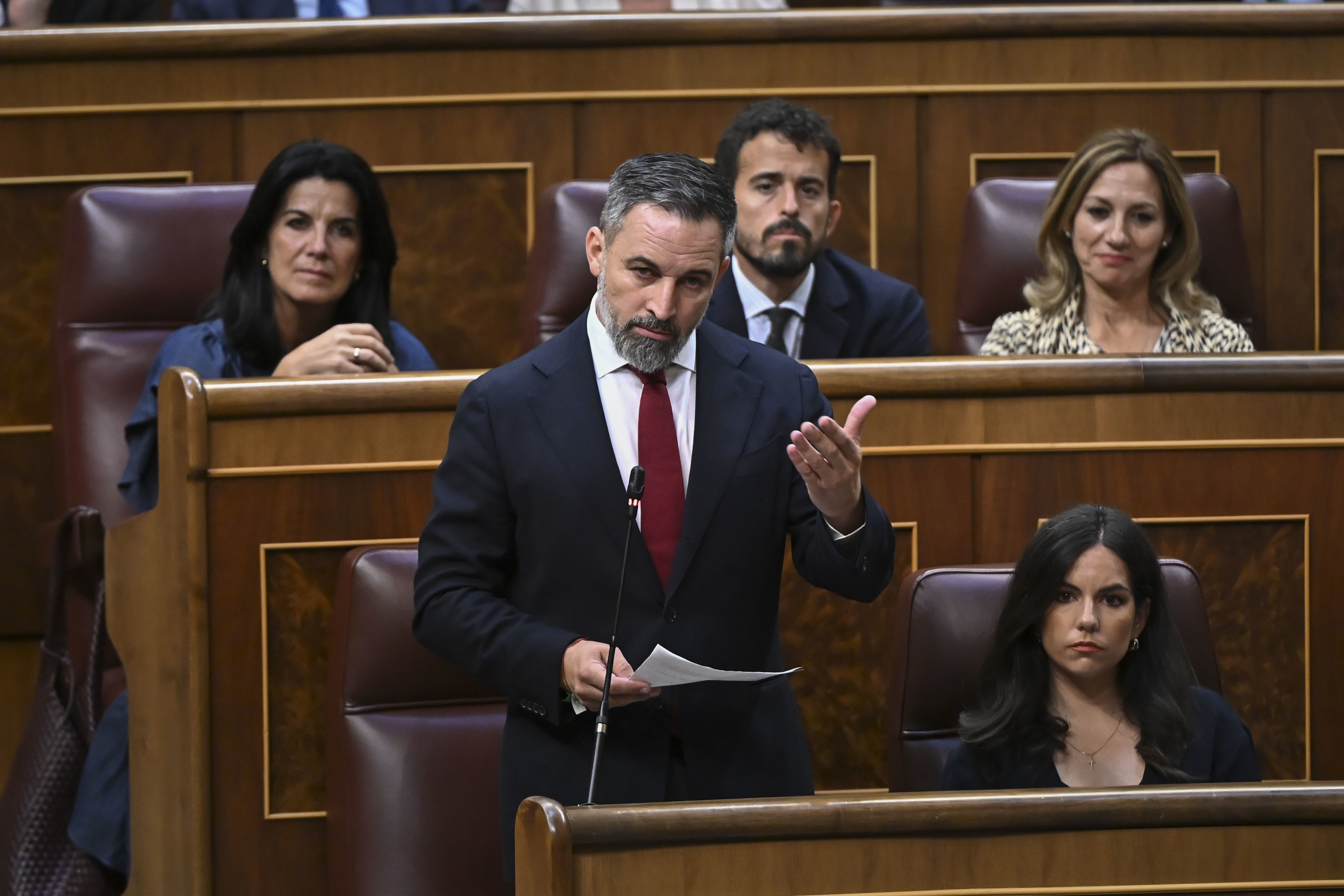
Vox engorda el flujo de dinero que denunciaban los críticos: ingresa casi un millón más de sus grupos parlamentarios y municipales En 2025, el partido recibió 4,4 millones de euros de sus grupos institucionales, siendo esta una importante fuente de ingresos para la formación Leer
elmundo · about 3 hours ago

Consument met slimme laadpaal of batterij kan gaan verdienen aan vol stroomnet Huishoudens met een thuisbatterij, slimme laadpaal of warmtepomp kunnen in een deel van het land geld gaan verdienen als ze helpen om de overbelasting van het stroomnet tegen te gaan. Netbeheerders hopen dat zeker tienduizenden huishoudens tegen betaling een steentje willen bijdragen.
nu.nl · about 3 hours ago
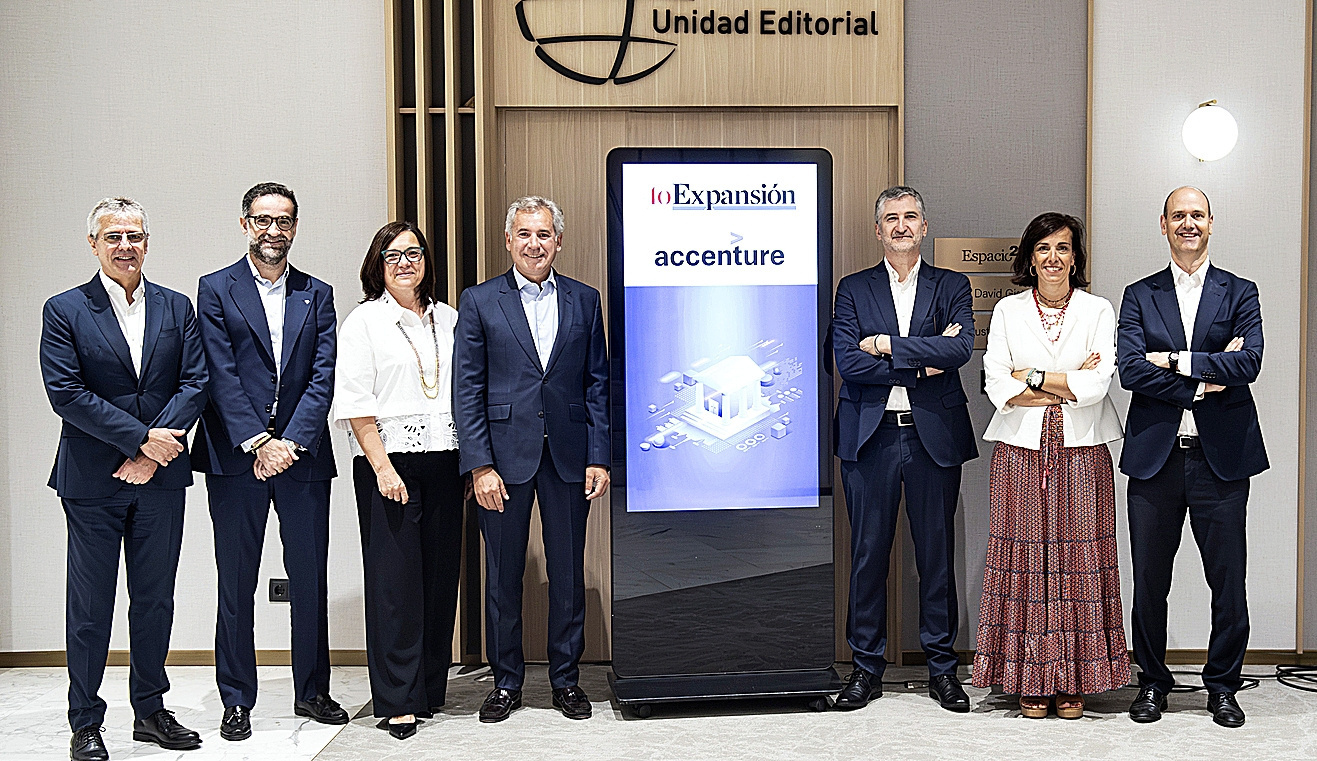
La banca española incrementa un 13,6 su inversión en tecnología El sector encara las transformaciones derivadas del uso del dato, el auge de la inteligencia artificial y la modernización del core aumentando la inversión y la plantilla interna de TI. Leer
expansion · about 4 hours ago

España protagoniza la transformación de los medios de pago Los sistemas de pago ofrecen cada vez más una propuesta de valor basada en un conjunto de experiencias y servicios para el cliente alrededor del pago, lo que a su vez mejora la fidelización. Leer
expansion · about 4 hours ago

Los inversores tratan de rescatar medio billón atrapado en fondos Gestoras como BlackRock, Apollo, KKR, Cliffwater, Blue Owl, Partners Group o UBS limitan las devoluciones de dinero a los partícipes en vehículos privados de crédito, private equity e inmobiliarios. Leer
expansion · about 4 hours ago

Nueva Pescanova pide 440 millones en créditos para crecer con compras El grupo pesquero contrata los servicios de EY para levantar recursos con los que refinanciar el pasivo actual y financiar posibles adquisiciones tras la inyección de capital de Abanca. Leer
expansion · about 4 hours ago

Renta 2025: los seis errores fiscales que más dinero pueden costar a los inversores digitales Leer
expansion · about 5 hours ago

Wimbledon dispara los premios un 20..., pero no es suficiente El torneo repartirá 75 millones entre los deportistas, pero estos exigen más trozo del pastel. Leer
expansion · about 5 hours ago

Amenabar invertirá 60 millones en Los Berrocales (Madrid) Amenabar acelera en Madrid con su segunda promoción en Los Berrocales, un ámbito donde invertirá en total 60 millones de euros. Leer
expansion · about 5 hours ago

GMP cierra la compra de la sede de AstraZeneca en Madrid La Socimi refuerza su cartera de oficinas con la compra de un complejo de 20.000 metros cuadrados en Las Tablas. Leer
expansion · about 5 hours ago

La marca española de farmacias que dirige una saga de boticarios En poco más de dos décadas, Trébol Farmacias ha logrado gestionar 77 establecimientos en España y facturar 38 millones de euros. Este grupo familiar espera cerrar el año con 92 boticas y alcanzar 200 en 2030. ¿Su próxima meta? Expandirse a Portugal en 2027. Leer
expansion · about 5 hours ago

Alejandro Abarca (HM Hospitales): "Ser un grupo familiar permite tomar decisiones rápidas" El grupo hospitalario privado HM Hospitales, que prevé superar los 900 millones de ingresos este año, no se cierra a la entrada de nuevos accionistas, pero "sólo si es para hacer juntos algo que solos no podamos hacer", afirma su CEO, Alejandro Abarca. Leer
expansion · about 5 hours ago
El bitcoin se enfrenta hoy a un vencimiento masivo de opciones Estas opciones están valoradas en 10.000 millones de dólares. La mayoría de estas opciones son apuestas alcistas, pero existe el riesgo de que los inversores adopten posturas más defensivas. Leer
expansion · about 5 hours ago

Cinco puestos de mercado (casi todos nuevos) con mucha cocina detrás para animar el verano en Madrid Desde sitios monográficos, puestos con I+D o con platos de autor hasta un comedor efímero que cada día aparece y desaparece. Así son los nuevos proyectos que convierten nuestras plazas de abastos en destino gastro Leer
elmundo · about 6 hours ago

Neuberger, la gestora renacida tras la quiebra de Lehman Brothers La oficina de Madrid, liderada por Javier Mallo, está compuesta por seis profesionales: cuatro dedicados a la distribución de los fondos en Iberia y dos que forman parte del equipo global de Mercados Privados de la gestora. Leer
expansion · about 6 hours ago

Singular Bank aconseja comprar acciones en las caídas La firma española destaca diez ideas de inversión para los próximos meses, entre las que están empresas europeas, las tecnológicas asiáticas y las empresas de infraestructuras. Leer
expansion · about 6 hours ago