
Appeals court clears Trump administration to expand fast-track deportations

Story Timeline
3 months · 7 summary articles
A US appeals court ruled on Tuesday that the Trump administration may expand a fast-track deportation process, handing a significant victory to immigration hardliners as the White House escalates enforcement against both undocumented and legal immigrants.
The decision by the Fifth Circuit Court of Appeals, confirmed in multiple Reuters reports on 23 June 2026, clears the way for the Department of Homeland Security to apply expedited removal procedures to a broader category of non-citizens, including those who entered the country without inspection or overstayed visas. Legal experts warned the ruling could affect tens of thousands of individuals who previously had access to full immigration court hearings. “This is a seismic shift in deportation policy,” said Sarah Pierce, a policy analyst at the Migration Policy Institute in Washington. “The court has essentially greenlit a system where due process is now discretionary.”
The ruling arrives amid a government-wide crackdown on immigration pathways, with the Supreme Court also siding with the administration on Tuesday in a separate case involving green card holders. In a 6-3 decision, the justices upheld a Trump-era policy that allows immigration authorities to deny residency applications if they suspect a beneficiary might later become a “public charge.” Legal advocates condemned the move as a backdoor attempt to restrict legal immigration. “The message is clear: even those with legal status are not safe,” said Alvaro Huerta, a staff attorney at the National Immigration Law Center.
The administration’s aggressive posture extends beyond deportations. On the same day, the Department of Justice announced it would halt criminal prosecutions of trucking companies and fleets that install illegal diesel emissions bypass kits, a decision environmental groups called a “license to pollute.” The move, which the DOJ framed as regulatory streamlining, will eliminate cases equivalent to the annual pollution output of nine million diesel trucks, according to EPA estimates cited by the *Independent*.
In a rare judicial rebuke to the White House, however, a federal judge in Washington ruled that the government cannot block Supplemental Nutrition Assistance Program (SNAP) benefits from being used to purchase candy and sugary drinks. Judge Amy Berman Jackson, an Obama appointee, wrote that the USDA had overstepped its authority by attempting to micromanage dietary choices under the guise of public health. The decision was hailed by anti-hunger advocates as a victory for low-income families’ autonomy.
Taken together, the rulings and policy shifts underscore the Trump administration’s determination to reshape immigration and environmental regulation through executive action and judicial appointments. With Congress gridlocked, the courts have become the primary battleground for contested policies, leaving advocates and affected communities to navigate an increasingly fragmented legal landscape.
Follow us for live European news
- 1
- 1
2 further sources not geolocated
Articles
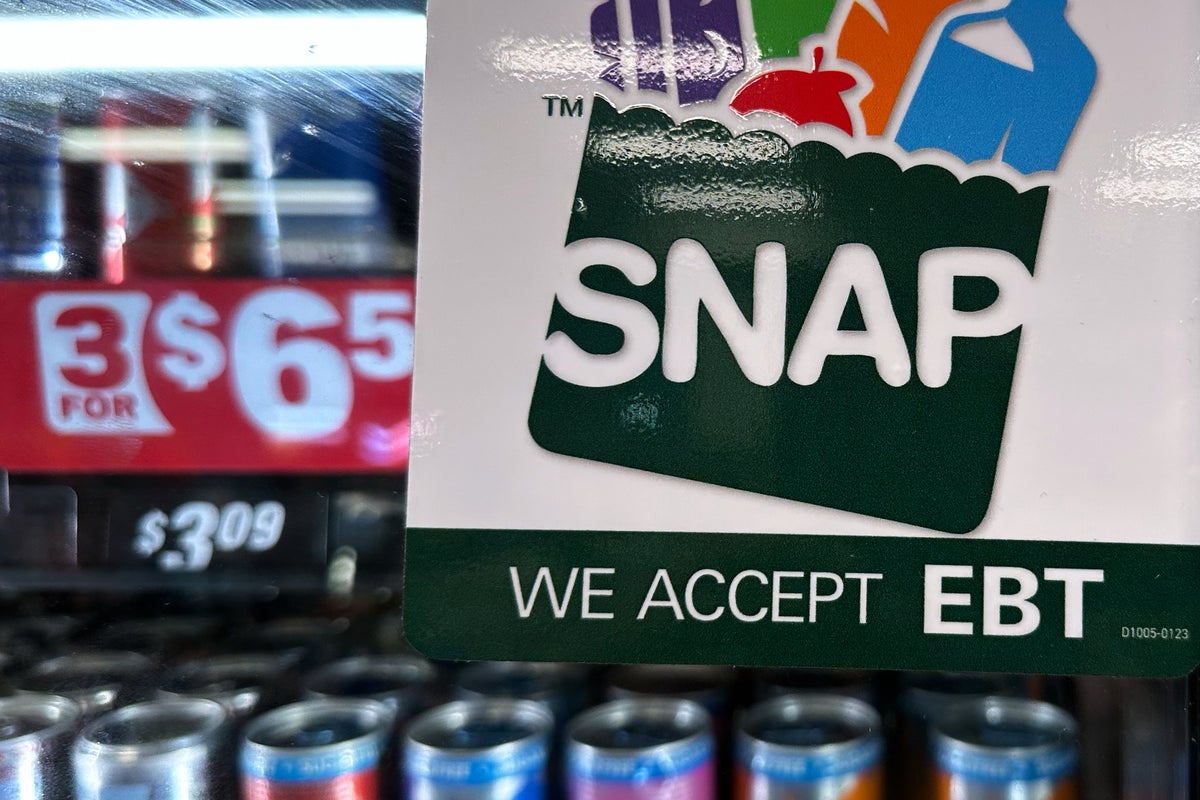
Judge rules government cant stop SNAP dollars from buying candy and sugary drinks A judge has ruled that the U.S. government cannot stop people enrolled in the biggest food aid program from using benefits to buy candy and soda
independent · 3 months ago

New Supreme Court decision sends warning message to green card holders Trump administration has increasingly targeted legal immigration pathways in a government-wide mass deportation campaign
independent · 3 months ago

DOJ ends criminal prosecutions for diesel emissions bypass kits - causing pollution equal to 9M trucks The decision aligns with a broader push by the Trump administration to scale back clean-air regulations
independent · 3 months ago

JUST IN: Trump administration can expand fast-track deportation process, US appeals court rules reut.rs/4xKE4wQ
bluesky bot · 3 months ago

Trump administration can expand fast-track deportation process, US appeals court rules reut.rs/4oNGIOr
bluesky bot · 3 months ago

Supreme Court sides with Trump administration on immigration case dealing with green card holders
news.yahoo.com · 3 months ago

US Supreme Court boosts Exxons bid to get compensation from Cuba reut.rs/4b4qMBw
bluesky bot · 3 months ago

Government will decide on extending fuel relief supports in next ten days The fuel support package, announced in April to quell nationwide blockades, ceases on 31 July.
thejournal · 3 months ago