
Archaeologists uncover Europe's largest Roman bathhouse in Nijmegen
Archaeologists in Nijmegen have uncovered the largest Roman bathing complex ever found in the Netherlands, a discovery that redefines the historical significance of the city during the Roman era. The monumental site, located in what was once Ulpia Noviomagus, has yielded tens of thousands of artifacts and provides unprecedented insight into the scale of Roman infrastructure in the region. Head researcher Erik Verhelst confirmed that substantial investments flowed from Rome to Nijmegen, underscoring the city’s strategic importance in the northern frontier of the empire.
The excavation, reported on 16 June 2026, revealed remnants of what was once a sprawling bathhouse complex, complete with drainage systems, toilets, and heating infrastructure typical of Roman engineering. According to Verhelst, the site’s size and sophistication indicate it served as a major civic and social hub during the Roman period. “This was not just a local facility,” he said. “The volume of imported materials and the architectural ambition suggest direct imperial interest.”
The find comes amid a broader European discussion on bathing culture and water quality, with a recent EU report confirming that German bathing waters remain safe for summer use, ranking Germany highly in the European comparison . Meanwhile, Cyprus reported that all its designated bathing waters were rated excellent in 2025, highlighting the diversity of water management practices across the continent .
Local and national media have hailed the Nijmegen discovery as a landmark for Dutch archaeology. Dutch outlet RTL described the site as “once the largest Roman bathhouse in the Netherlands,” while *Trouw* emphasized how the find “cements Nijmegen’s place on the Roman map” . The Dutch national broadcaster NOS and *NU.nl* both carried the story, with the latter noting that the complex was part of a larger urban center that benefited from significant financial flows from Rome .
The discovery also invites reflection on the enduring human relationship with water and bathing. While modern swimmers may wonder why immersion in water often triggers the urge to urinate—a physiological response confirmed by hydration expert Dr. Stavros Kavouras of Arizona State University—the Roman bathhouse in Nijmegen stands as a testament to how ancient societies mastered water technology for health, hygiene, and social cohesion .
With thousands of artifacts still under analysis, the Nijmegen bathhouse promises to yield further insights into daily life in the Roman Netherlands. For now, it has already secured its place as a cornerstone of Dutch heritage and a vivid reminder of the empire’s reach into the northern provinces.
- 3
- 2
- 1
- 1
2 further sources not geolocated
Articles

Grootste Romeinse badhuiscomplex in Nederland opgegraven in Nijmegen Archeologen hebben het grootste Romeinse badhuiscomplex van Nederland ontdekt in Nijmegen. Er zijn tienduizenden vondsten gedaan op de plek waar ooit de stad Ulpia Noviomagus lag. Volgens hoofdonderzoeker Erik Verhelst werd vanuit Rome "veel geld in Nijmegen gepompt".
nu.nl · about 3 hours ago
Navigating crises and delivering results with the EU Budget in 2025 Continue reading Navigating crises and delivering results with the EU Budget in 2025 at The European Sting - Critical News & Insights on European Politics, Economy, Foreign Affairs, Business & Technology - europeansting.com.
european sting · about 3 hours ago
Europes bathing waters remain safe to swim Continue reading Europes bathing waters remain safe to swim at The European Sting - Critical News & Insights on European Politics, Economy, Foreign Affairs, Business & Technology - europeansting.com.
european sting · about 3 hours ago
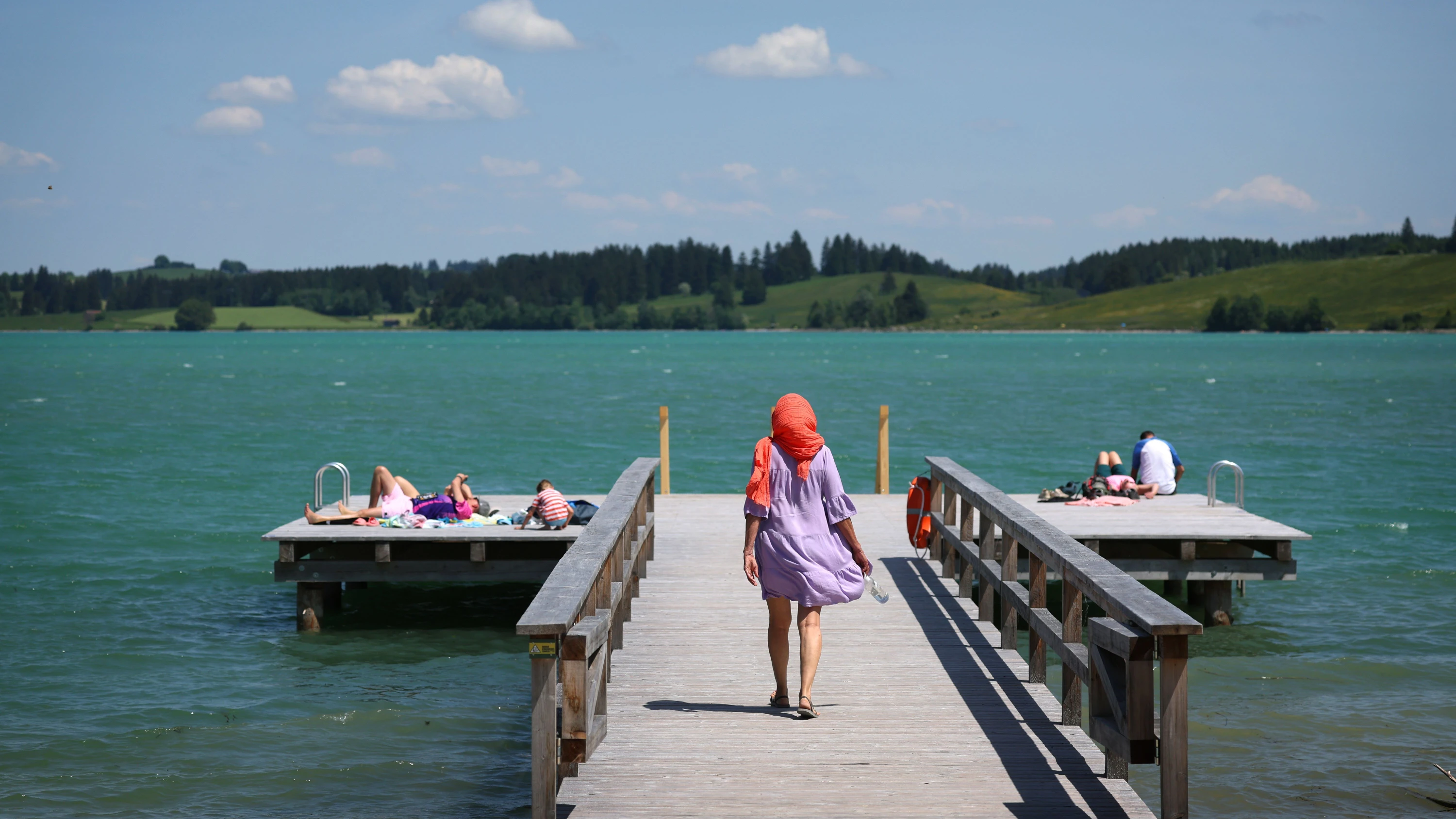
Bericht zur Wasserqualität: In Deutschland können Sie im Sommer beruhigt baden gehen Wie ist die Qualität der deutschen Badegewässer? Das hat ein EU-Bericht untersucht. Er zeigt: Im europäischen Vergleich schneidet Deutschland insgesamt gut ab.
faz · about 3 hours ago
All Cyprus bathing waters rated excellent in 2025
gdeltproject.org · about 3 hours ago

Why do you always feel like you have to pee when swimming? It doesnt matter if you drink less or use the restroom beforehand. Experts say it happens to all swimmersIm midway into my hour-long swim when it hits: I really have to pee. This always happens. It doesnt help to curb my morning coffee or use the restroom beforehand. My bladder doesnt care.Why does this happen? Its a normal physiological response by the body to being immersed in water, says Dr Stavros Kavouras, assistant dean, professor of nutrition and director of the Hydration Science Lab at Arizona State University. And its not just me: Its something that happens to all swimmers. Continue reading...
theguardian · about 3 hours ago
ETTEVAATUST ⟩ Suur viga, mida naised saunas teevad Suvine rannahooaeg, soolane merevesi ja pikad saunaõhtud on kehale ja vaimule parim puhkus, kuid meie juustele tähendab see ellujäämiskursust. Mida teha, et sügiseks poleks kaunitest kiharatest alles vaid peotäis heina?
postimees · about 3 hours ago
Dit was ooit het grootste Romeinse badhuis van Nederland Je zou het er waarschijnlijk niet meer in herkennen, maar in Nijmegen is het grootste Nederlandse badhuis uit de Romeinse tijd opgegraven. Van een toilet tot afvoerbuizen: er is van alles gevonden.
rtl nieuws · about 3 hours ago
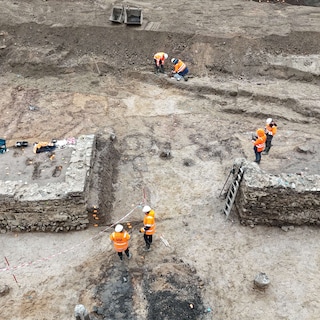
De vondst van een monumentaal badhuis zet Romeins Nijmegen nog steviger op de kaart
trouw · about 3 hours ago
Ohne Wasser geht es nicht: Wie merkt der Körper, dass er Durst hat? Wenn der Körper dringend Flüssigkeit benötigt, sendet er Signale auf verschiedenen Wegen. Was dahintersteckt und ob die Empfehlung, zwei Liter Wasser am Tag zu trinken, wirklich korrekt ist.
tagesspiegel · about 3 hours ago