 Thursday, May 28Thursday, May 28
**Prague’s *Sir Hotel* reimagines luxury dining with a menu inspired by the mythic underworld—sparking debate over culinary artistry and cultural provocation.**
The *Sir Hotel* in Prague, recently named one of the world’s 16 most beautifully designed hotels by the *Prix Versailles* 2026, has unveiled a controversial new dining concept: "21_hell_hotel_menu_thought." The tasting menu, crafted by chef Marek Fišer in collaboration with interior designer Linda Boronkay, draws explicit inspiration from the Christian and mythological depictions of hell—complete with dishes named after infernal realms, "damned" ingredients, and a theatrical presentation evoking Dante’s *Inferno*. According to *Prague Morning*, the menu’s launch has divided critics, with some praising its audacity and others questioning whether the theme trivializes religious and cultural symbolism .
The 12-course experience, priced at €295 per person (excluding wine pairings), features dishes like *"Sheol’s Forgetfulness"* (a smoked eel consommé with ash-infused foam) and *"The Lake of Fire"* (a dessert of charred pineapple and chili caramel). Boronkay, who led the hotel’s 2025 renovation, described the concept as a "playful subversion of Prague’s historic grandeur," noting that the menu’s surrealism mirrors the property’s Cubist-inspired interiors and its nods to Princess Libuše, the city’s mythical founder. "We wanted to create a space where diners confront discomfort as part of the experience," she told *The Guardian* in an interview last week.
Reactions have been polarized. Food critic Jay Rayner, reviewing the menu for the *Financial Times*, called it "a masterclass in culinary storytelling" but warned that "the line between provocation and pretension is perilously thin" . Meanwhile, religious groups in the Czech Republic have condemned the menu as "blasphemous," with the Catholic Archdiocese of Prague issuing a statement urging "respect for sacred symbols." The controversy has reignited debates over the limits of artistic license in fine dining, particularly in a city where tourism and tradition often collide.
The *Sir Hotel*’s menu arrives amid a broader shift in European hospitality, where chefs increasingly use food as a medium for narrative and social commentary. Croatian restaurants, for example, are abandoning sprawling tourist menus in favor of curated, locally rooted experiences—a trend accelerated by new price controls and changing visitor expectations . Yet few have embraced the provocative edge of *21_hell_hotel_menu_thought*. As *FAZ* noted in a recent column, high-end dining in Germany and beyond is grappling with its own contradictions: "Are Michelin-starred restaurants temples of art or elitist echo chambers?" .
The *Sir Hotel*’s experiment may prove fleeting—its initial run is scheduled for just three months—but it has already sparked a conversation about the role of discomfort in luxury dining. Whether the menu becomes a blueprint for future culinary innovation or a cautionary tale remains to be seen. Reservations, however, are fully booked through August.
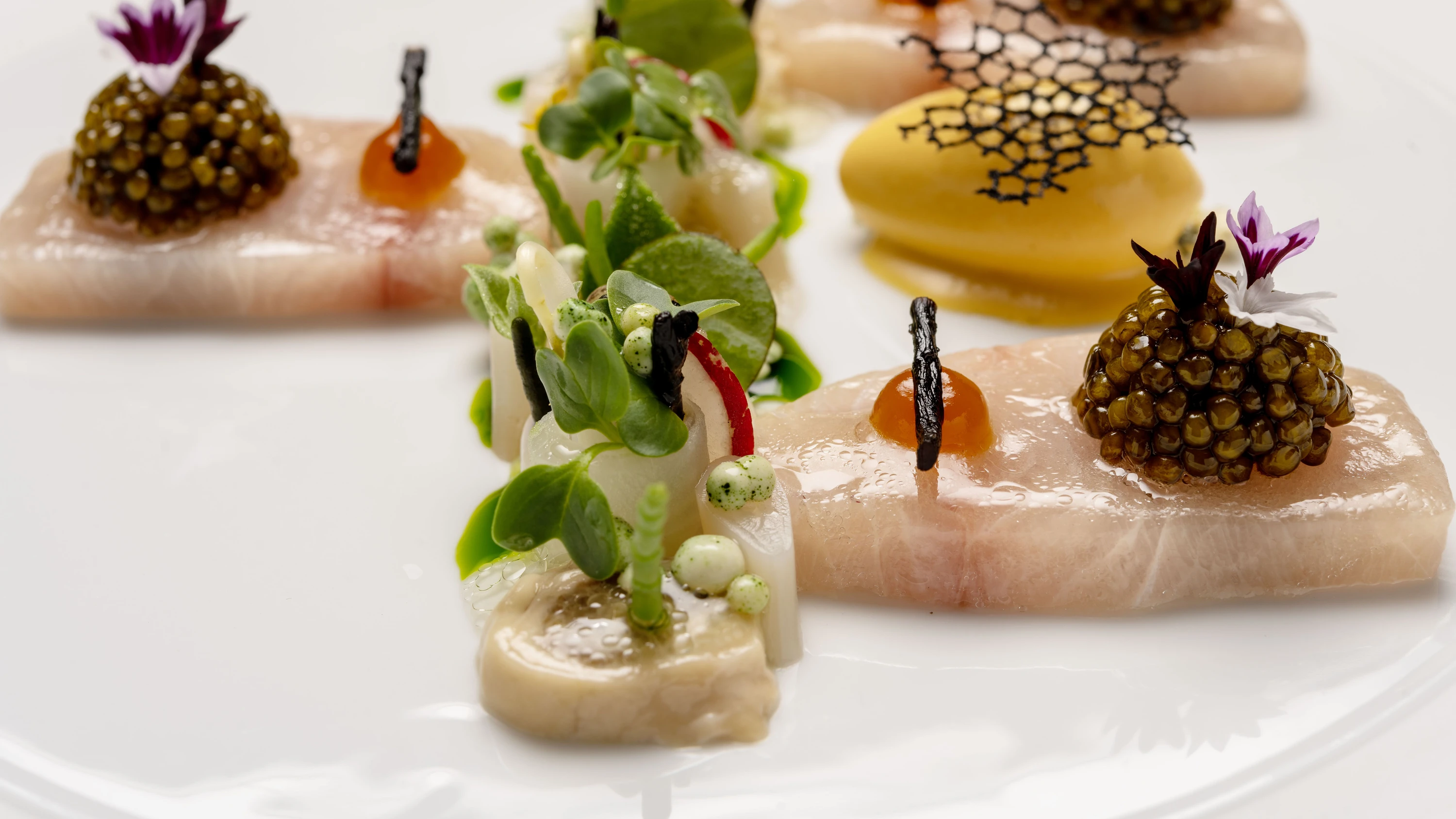
Kolumne Geschmackssache: Sind Sternelokale zu teuer? Viele Menschen halten deutsche Feinschmeckerrestaurants für überteuert und gehen deswegen aus Prinzip niemals Michelin-Sterne-Essen. Ist das klug – oder eine verpasste Chance auf Glück?
faz · 5 days ago

Blogul lui Ionuț Vulpescu. Invitat: Profesorul Liviu Ornea Podcastul Avangarda a găzduit o întâlnire remarcabilă între doi oameni ai cetății: profesorul și scriitorul Liviu Ornea și fostul ministru al Culturii, Ionuț Vulpescu.
adevarul · 5 days ago
This Prague Hotel Just Made the Worlds Most Beautiful List The worlds most beautiful hotels have been revealed, with a lake house in China and an Italian palazzo making the shortlist of stunning stays. The Prix Versailles, a series of architectural competitions, announced its annual list of 16 of the globes most extraordinarily designed hotels. In China, The ArcadiaPlace, Lugu Lake stood out for offering guests an immersion into one of the worlds last matriarchal societies across its 57 striking guest rooms. The opulent spirit of The Silk Lakehouse in Shangri-La Hangzhou was also lauded by the Prix Versailles for having an intimate atmosphere thats reminiscent of a visit to a friends home. Sir Prague made the list following a bold interior renovation by Linda Boronkay. Set inside a restored Neo-Renaissance building dating back to 1884, Sir Prague combines the citys historic architecture with interiors influenced by Czech Cubism. Original features, including timber parquet floors, iron railings and a sculptural staircase, remain intact throughout the property, while vintage furniture and angular silhouettes introduce a sharper contemporary contrast. References to Princess Libuše, the mythical founder of Prague, run quietly throughout the interiors, giving the property a slightly surreal atmosphere that feels distinct from the citys more traditional luxury hotels. In... The post This Prague Hotel Just Made the Worlds Most Beautiful List appeared first on Prague Morning.
prague morning · 5 days ago

I thought I was the saviour of the planet: how Game of Thrones Hannah Murray found a wellness cult – and lost her mind She landed a role in hit TV show Skins at 17 and went on to star in the fantasy epic. Then she was drawn towards a mysterious spiritual community. How did she end up being sectioned?• This is a test. A horrible test: read an extract from Hannah Murrays memoirAt least once a week, Hannah Murray has this one overpowering thought: Thank God I dont act any more. She might be climbing her stairs, mug in hand, or at her desk opening her computer, she might be taking a casserole from the oven, or browsing the high street in the East Anglian town where she now lives. The thought will arrive along with what she describes as a sort of total bodily relief. She tries to hold on to this Im not an actor any more feeling because its accompanied, she says, by a real surge of joy.Its not just because she doesnt have to strip for the camera any more, although there was plenty of that, starting with Cassie, whom she played aged 17 in the E4 hit show Skins, mostly in underwear. And its not because she doesnt have to cope with the relentless focus on her weight, though there was plenty of that too, accompanied by questions from journalists: was she anorexic in real life? Were her parents worried about her weight? Its not because shes not recognised everywhere, as she was after playing Gilly in Game of Thrones, with grown men having tantrums if she didnt autograph their whatever or pose for a selfie. Nor is it having to negotiate which body parts she will contractually agree to show. Or contending with the highs of landing a great part followed by the lows of wrapping the shoot only to be thrown back on to the audition carousel and told: Please go in looking nice. They need to believe Benedict Cumberbatch could actually be attracted to you. Continue reading...
theguardian · 6 days ago
I really should return for the full, big-ticket experience — Jay Rayner reviews The Cocochine, London Larry Jayasekaras accomplished cooking and prix fixe lunch offer Mayfair diners excellent return on investment
financial times · 6 days ago
Croatian Restaurants Are Rethinking the Massive Tourist Menu May the 23rd, 2026 – Croatian restaurants are now rethinking the classic huge tourist menu as price controls loom and tourist habits change. Dozens of pizzas, grilled dishes, seafood plates, pasta combinations, risottos, salads and desserts, all offered at once, often in multiple languages and designed to satisfy every possible tourist preference. It was that ... Read more The post Croatian Restaurants Are Rethinking the Massive Tourist Menu appeared first on Total Croatia.
total croatia news · 6 days ago
The Evolution and Origins of the Christian Concept of Hell Long before the fiery pits and pitchforks of Christian Hell haunted the religious imagination, the afterlife in ancient Hebrew thought was a muted, shadowy place known as Sheol. The Hebrew Sheol and the Greek Hades In early Hebrew belief Sheol was not a realm of torture or glory but a land of forgetfulness—where all the […]
greek reporter · 6 days ago

What does sex mean to you? Im a sex educator – heres why I dont define it at all There is no universal definition of sex – and questioning what counts can open the door to more fulfilling intimacyIm a sex educator. At the beginning of each of my classes, I ask a seemingly simple question: What is sex?Some people might think its my job to answer that question. I do give accurate and inclusive information about sexual health, relationships and identity. But I dont tell you what to do with that information or what value to assign that information. Continue reading...
theguardian · 6 days ago
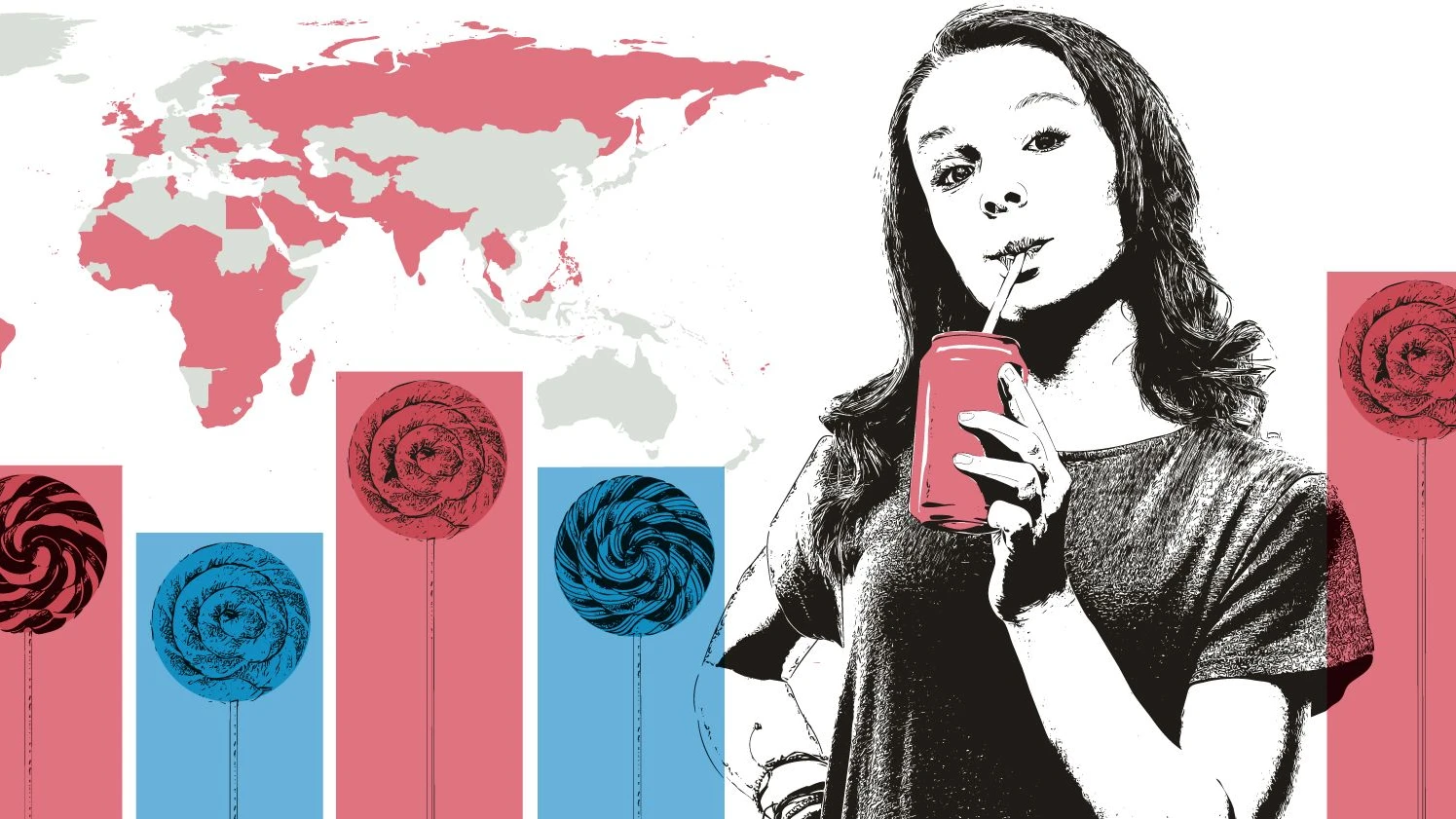
Schneller Schlau: Zucker, das verpönte Nahrungsmittel Jahrzehntelang galt Fett als das große Ernährungsübel, heute ist es Zucker. Am Konsum hat sich trotzdem nichts geändert. Wie steht es um den Zucker zwischen Weltmarktturbulenzen, Steuerplänen und Ernährungsdebatten?
faz · 6 days ago

Serie „Stardust Hotel: Zum Abendessen gibts Apokalypse Mit der Serie „Stardust Hotel schafft die ARD ein Kleinod, das „Star Trek-Vibes und „Traumschiff-Banalitäten höchst amüsant zu einer sehenswerten Fernsehkulturcollage verknüpft.
faz · 6 days ago
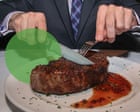
Whats at steak: myths about masculinity and meat eating pose a challenge for the climate crisis Being a carnivore is often seen as an expression of manhood, but the need has never been greater for men to cut down their intakeChange by degrees offers life hacks and sustainable living tips each Saturday to help reduce your households carbon footprintGot a question or tip for reducing household emissions? Email us at changebydegrees@theguardian.comEating too much of it risks chronic disease, growing it contributes about an eighth of human-made climate pollution, and there is evidence linking it to certain cancers.But theres no denying meat – especially red and processed meat – remains a firm fixture on dinner plates. This is especially the case for blokes, posing a masculine challenge to the climate crisis. Continue reading...
theguardian · 6 days ago
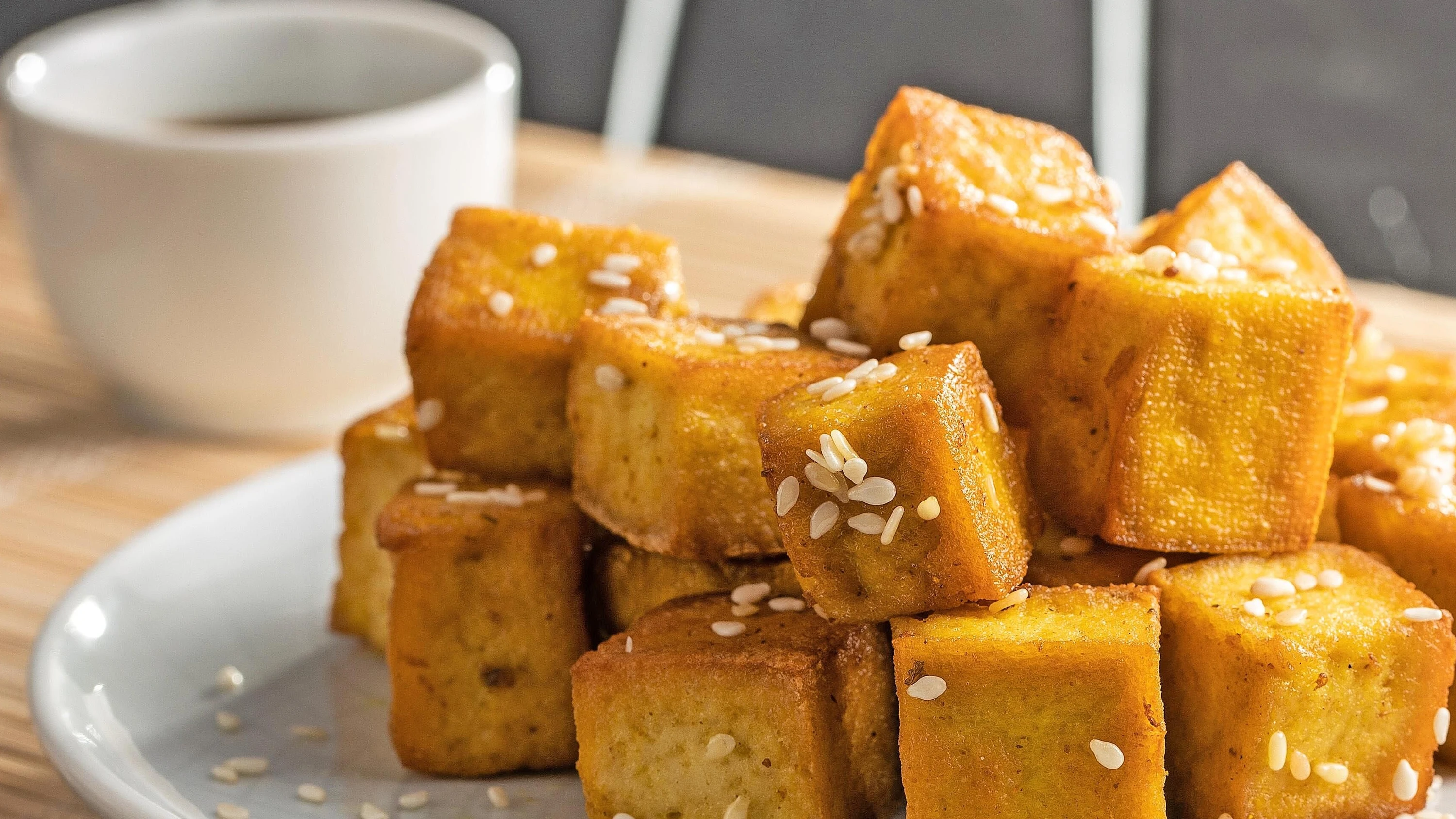
Knappheit: Wieso alle plötzlich Tofu essen wollen Erst belächelt, jetzt begehrt: Tofu fehlt plötzlich in den Regalen. Warum der Hype selbst Lebensmittelhändler erstaunt und was der Ernährungstrend rund um „High Protein damit zu tun hat.
faz · 6 days ago