 Sunday, June 7Sunday, June 7
The European Union is considering tightening visa rules for Russian tourists, with Norway joining the push as tensions over migration and security dominate the bloc’s agenda. On Friday, 5 June 2026, EU member states and Norway agreed to demand stricter visa conditions for Russian nationals seeking short-term travel to Europe, citing concerns over security and irregular migration flows .
The move reflects a broader hardening of Europe’s approach to external borders, as countries grapple with the dual challenges of asylum policy and geopolitical tensions. In parallel, the EU is debating whether to exclude Ukrainian men of conscription age from refugee protections, a proposal supported by Sweden’s interior minister, Magnus Brunner, who argued that such a step aligns with Ukrainian public sentiment .
Meanwhile, the EU’s new Migration and Asylum Pact, set to take effect in the coming days, faces uneven implementation. Germany, for instance, has rejected an EU request to lift internal border controls, signaling domestic resistance to the pact’s solidarity mechanisms . The Netherlands, meanwhile, is pushing for “innovative solutions” such as offshore asylum processing or deportations to third countries, a strategy already under discussion in other EU capitals .
The bloc is also tightening visa policies for nationals of Somalia, where cooperation on readmission remains inadequate despite ongoing conflict . At the same time, visa restrictions are preventing delegates from the world’s poorest and most climate-vulnerable nations from attending critical UN climate talks in Bonn, raising concerns about equity in global decision-making .
In Eastern Europe, Estonia has reaffirmed its refusal to grant citizenship to Ukrainians unable to renounce their nationality due to the war, a decision upheld by the country’s Chancellor of Justice, Ülle Madise . The EU’s evolving visa and asylum framework is increasingly shaped by security imperatives, with Italy now considering naval blockades to curb migrant arrivals—a proposal framed as a response to the bloc’s new migration pact .
As Europe prepares to implement its Migration and Asylum Pact, the divergent approaches among member states underscore the challenges of balancing solidarity with national sovereignty. With the pact’s entry into force imminent, the coming weeks will test whether the EU can reconcile its competing priorities—or whether the bloc’s unity will fracture under pressure.

Pour surmonter ses inquiétudes en matière de sécurité , lEurope envisage de compter sur elle - même - Xinhua
gdelt bot · 1 day ago

UNFPA: 95 of childless people in Eastern Europe, including Ukraine, actually want children In Eastern Europe and Central Asia, 95 of childless people are not so by choice: they want children but cannot have them or do not dare to conceive for a range of reasons.
ukrpravda · 1 day ago
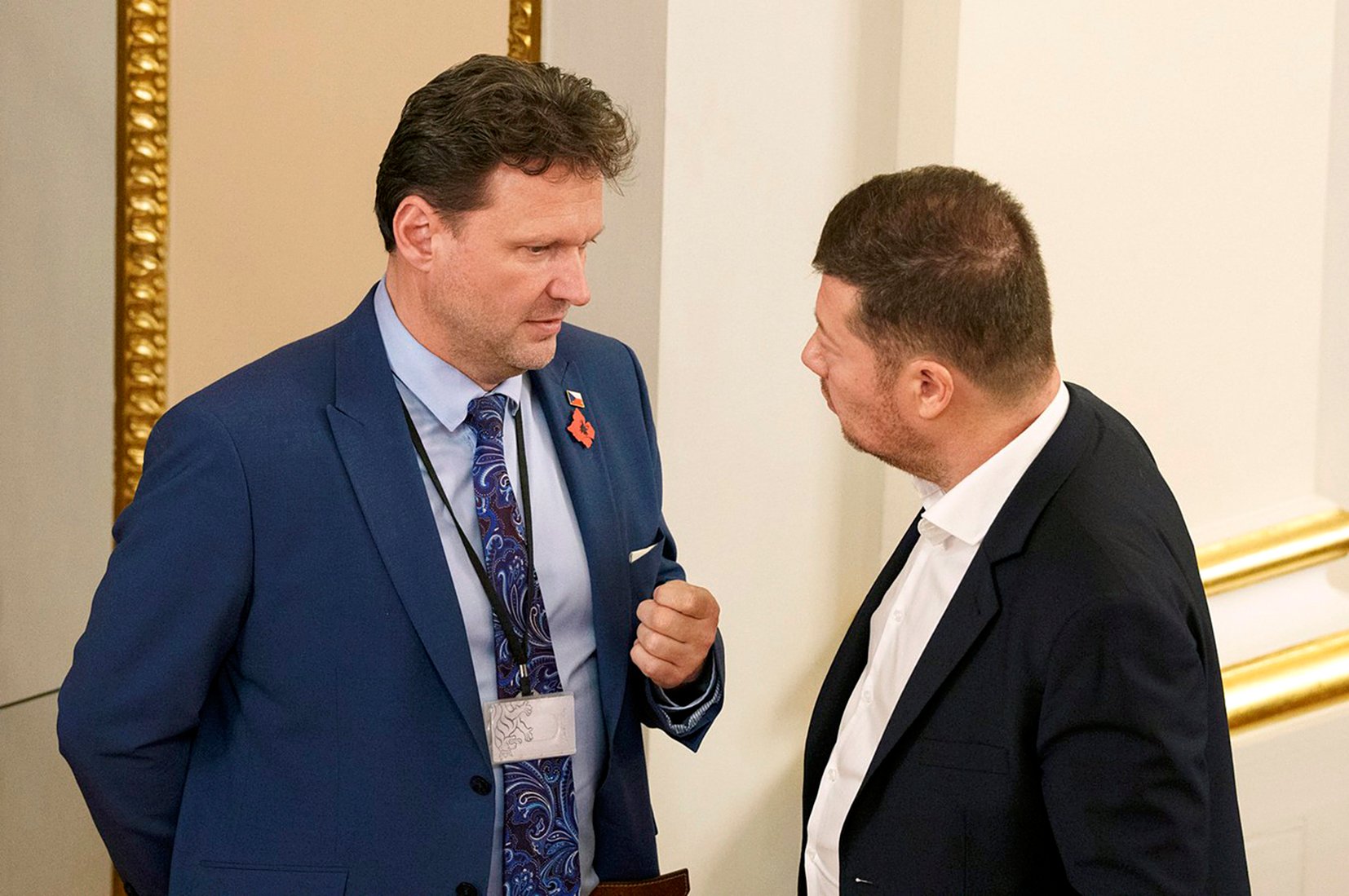
Vláda chce dál hledat „zahraniční agenty mezi nevládkami. Ale nestojí o střet s EU „Nejde to napsat. Tvorbu „biče na neziskovky ztěžují unijní zákony i zájem europoslanců
respekt · 1 day ago

„Natürlich hat meine Entscheidung mit dazu geführt, dass die AfD-Werte wieder gestiegen sind Altkanzlerin Angela Merkel sieht ihre Migrationsentscheidungen von 2015 als einen Faktor für das Erstarken der AfD. Zugleich verteidigt sie ihren damaligen Kurs – und gibt Versäumnisse bei Verteidigung, Digitalisierung und Klimapolitik zu.
welt.de · 1 day ago
Kurz vor Start des neuen EU-Asylsystems: Hier hat Deutschland bei GEAS noch Nachholbedarf Innenminister Dobrindt betont, Deutschland gehe bei der EU-Asylreform „über die Vorgaben hinaus. Dabei ist die Bundesrepublik in vielen Bereichen schlecht vorbereitet. Wird das zum Problem für die „Migrationswende?
tagesspiegel · 1 day ago

Akcióba léptek a kínai hackerek, már európai célpontokat is támadnak Korábban csak ázsiai célpontokat támadtak, újfent azonban már európai szervezeteket is célba vesznek a TA4922 nevű hackercsoport mögött álló felek.
hvg.hu · 1 day ago
Tuzson Bence az utolsó munkanapján még bekavart az Alkotmánybíróságnál a homofób törvény elleni EU-bírósági ítélet ügyében Az új kormány eskütétele után két nappal kapott kérdéseket az Alkotmánybíróság a már megbukott kormánytól arról, hogy végre kell-e hajtani az Európai Unió Bíróságának ítéletét.
hvg.hu · 1 day ago
EU-Rückführungsverordnung: Migrationsforscher warnen vor »Rückführungen um jeden Preis« Die EU hatte sich auf die Rückführungsverordnung verständigt. Dabei könnten aber Rechte ausreisepflichtiger Menschen stark eingeschränkt sein, warnen Migrationsforscher.
die zeit · 1 day ago
Migration in der EU: Jetzt will Italien sogar Seeblockaden gegen Migranten erlauben Italiens Ministerpräsidentin feiert die neuen EU-Regelungen beim Thema Migration als Erfolg für sich – und sieht auch ihre umstrittenen Albanien-Zentren bestätigt. Nun geht Rom offenbar noch einen Schritt weiter.
sueddeutsche · 1 day ago
„Innovative Lösungen in der Migrationspolitik: Asylbewerber sollen gar nicht erst europäischen Boden betreten Die Niederlande stehen an der Spitze einer Reihe von EU-Staaten, die Asylverfahren auslagern oder Migranten in Drittstaaten abschieben wollen. Die nächsten konkreten Schritte sind bereits angekündigt.
sueddeutsche · 1 day ago
Migrationspakt: Europa wagt den Einstieg in ein solidarisches Asylsystem In wenigen Tagen tritt der Migrationspakt der EU in Kraft. Er soll gemeinschaftlich das Problem lösen, das den Rechtspopulisten zum Aufstieg verhalf. Aber der Start wird holprig, und mindestens ein Land macht nicht mit.
sueddeutsche · 1 day ago
Debate: UN Security Council: Germany left empty-handed Germanys bid for a non-permanent seat on the UN Security Council for 2027 and 2028 has failed. In the secret ballot held in the General Assembly, Portugal and Austria secured the necessary two-thirds majorities with 134 and 131 votes respectively while only 104 states voted in favour of Germanys bid, which is customarily submitted every eight years. The media examine the reasons for this defeat.
eurotopics.net · 1 day ago
EU Council weighs visa cuts for Somali nationals According to the 27 member states, cooperation with Somalia on the readmission of its citizens is inadequate. Despite the civil war and other misfortunes
eunews.it · 1 day ago
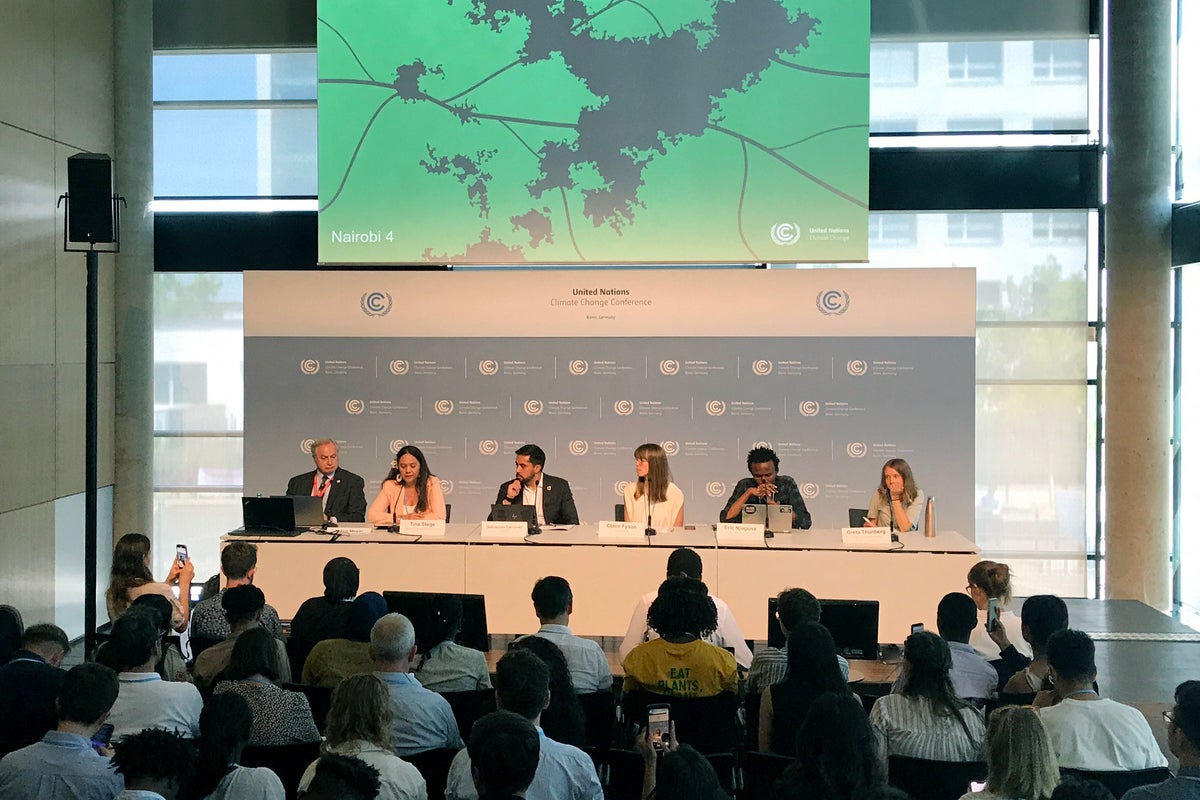
Visa problems shut poorest countries out of crucial UN climate talks in Bonn Several of the worlds poorest and most climate vulnerable countries say their negotiating abilities will be hurt at talks in Germany this month due to their delegates being unable to obtain visas
independent · 1 day ago
Germany rejects EU request to scrap internal border controls
gdeltproject.org · 1 day ago
I dont regret supporting Brexit but the EU must stop trying to punish the UK
gdeltproject.org · 1 day ago
Norway joins EU countries in demanding visa crackdown on Russian tourists
gdeltproject.org · 1 day ago
EU States Push For Tougher Rules To Deny Russians Tourist Visas
gdeltproject.org · 1 day ago
No signs of aircraft fuel shortage in Europe in the coming months, says Tzitzikostas
gdeltproject.org · 1 day ago
Rantanen: Finland may join Nordic external return hub for rejected asylum seekers The Nordic countries may set up a joint return hub outside the EU, the Finnish interior minister announced in Luxemburg.
yle.fi · 1 day ago
Ukrainian nationals cannot obtain Estonian citizenship until war ends Chancellor of Justice Ülle Madise says Estonias decision not to grant citizenship to Ukrainians unable to renounce their nationality due to the war is constitutional.
news.err · 1 day ago
Lithuania leads rat race to host US troops in Europe, says minister Defence Minister Robertas Kaunas said regional nations will work together to show that Eastern Europe is the best location for a US military presence in Europe, adding that Lithuania is leading the rat race to host American troops.
lrt · 1 day ago

Proteger o ambiente sem comprometer o acesso a medicamentos A propósito do Dia Mundial do Ambiente, a Europa enfrenta o desafio de conciliar a sustentabilidade ambiental com o acesso contínuo a medicamentos essenciais.
observador · 1 day ago

Alentejo 2030 abre concurso de 5,8 milhões de euros O concurso conta com uma "dotação global de 5.829.500 euros" financiada pelo FEDER
observador · 1 day ago
Sokan támogatják, hogy az EU zárja ki a hadköteles korú ukrán férfiakat a menekültjogi rendszerből a svéd belügyér szerint „Az ukránok is azt szeretnék, ha így tennénk – mondta Magnus Brunner, az Európai Bizottság migrációért felelős biztosa.
444.hu · 1 day ago