
Dutch Health Council declares no safe level of alcohol, urges governments to act

The Dutch Health Council (Gezondheidsraad) has declared there is no safe level of alcohol consumption, urging governments to actively discourage drinking and denormalise alcohol as part of broader public health strategy. In a landmark report published today, the council dismantled previous claims that moderate drinking—such as one glass per day—could confer health benefits, stating that even occasional consumption carries measurable risks. The findings place alcohol alongside tobacco and illicit drugs in terms of health risk, with the council’s chair explicitly framing it as a public health priority requiring urgent policy action.
The council’s conclusion directly contradicts long-standing public health guidance in the Netherlands and across Europe, which had previously suggested limited consumption could be compatible with a healthy lifestyle. “There is no safe lower limit for alcohol,” the council stated in a statement released this morning. “Even small amounts increase health risks.” The report, which synthesises the latest epidemiological and clinical evidence, was accompanied by a call for stricter regulation, including higher taxes, tighter marketing restrictions, and public campaigns to reduce social acceptance of alcohol.
Media outlets across the Netherlands and Scandinavia echoed the council’s findings. *NRC* reported that the council’s advice to scrap the “one glass per day” guideline marks a fundamental shift in Dutch health policy, while *De Volkskrant* described the recommendations as a push to “denormalise” alcohol consumption entirely. In Norway, *Aftenposten* published an op-ed under the headline “Every glass you skip does good for your health,” framing the council’s stance as a moral and civic responsibility.
The timing of the report coincides with broader European discussions on alcohol regulation. In Romania, a legislative proposal introduced today would require restaurants to provide free tap water to all customers, citing a European directive and introducing penalties for non-compliance. The bill’s sponsor, PNL deputy Sebastian Mihai Rusu, framed access to potable water as a fundamental right rather than a luxury, positioning the measure as complementary to public health efforts to reduce alcohol consumption.
Public health experts and advocacy groups have welcomed the council’s stance. “This is a watershed moment,” said a spokesperson for the Dutch Institute for Alcohol Policy. “For decades, the narrative has been that moderate drinking is harmless. Today, that narrative is officially dead.” The council’s recommendations are expected to influence national health policies in the coming months, with the Dutch government already indicating it will review its alcohol strategy in light of the new evidence.
While the council stopped short of calling for prohibition, it emphasised that alcohol should no longer be treated as a normal part of daily life. “Health is not just the absence of disease,” the council noted in its report. “It includes the freedom to enjoy life without unnecessary risk.” The findings underscore a growing consensus among European health authorities that alcohol policy must evolve from harm reduction to active discouragement.
Follow us for live European news
- 6
- 3
- 2
- 2
- 1
- 1
- 1
- 1
- 1
- 1
1 further source not geolocated
Articles

Ennennäkemätön ostajajoukko tulee jatkossa saamaan alkoholia ovelleen – Asiantuntija kertoo isoimman voittajan
iltalehti · about 2 hours ago

Alcoholgebruik moet actief ontmoedigd worden, adviseert Gezondheidsraad: Er is geen veilige ondergrens
parool · about 2 hours ago

Arbeitszeit: Nur an einem statt an fünf Tagen arbeiten oder in der Pause Aperol trinken – wo beginnt Betrug? Wäsche waschen, einkaufen, Netflix schauen: Immer wieder erledigen Beschäftigte Privates in ihrer Arbeitszeit. Wo der Betrug beginnt und was Unternehmen dagegen machen können.
handelsblatt · about 2 hours ago
„Apa nu este un lux. Este un drept. Proiect de lege pentru ca restaurantele să ofere gratuit clienților apă potabilă de la robinet Restaurantele ar putea fi obligate să ofere gratuit clienților apă potabilă de la robinet, potrivit unui proiect legislativ depus în Parlament de deputatul PNL de Brașov, Sebastian Mihai Rusu. Potrivit acestuia, inițiativa clarifică aplicarea unei directive europene și introduce sancțiuni pentru operatorii care nu respectă această obligație.
digi24 · about 2 hours ago
Hauskanpito | Terveydenhuollossa ei pyritä kieltämään hauskanpitoa Terveys on paljon muutakin kuin sairauksien ehkäisyä: siihen kuuluvat myös ystävyyssuhteet, osallisuus, yhteisöllisyys, lepo, turvallisuus ja mahdollisuus nauttia elämästä.
helsingin sanomat · about 2 hours ago
Hvert glass du dropper, gjør godt for helsen Les debattinnlegget.
aftenposten · about 2 hours ago

Kunstraub: Wie stiehlt man ein Bild aus einem vollbesetzten Lokal? Die Weltraum Bar im vierten Bezirk wurde binnen sechs Wochen zu einem beliebten Szenelokal. Nun beschäftigt die Betreiber ein ungewöhnlicher Diebstahl
der standard · about 2 hours ago
Glosse: Das Streiflicht Die KI-Stimme im Kundenservice ist sehr freundlich, der Kunde hingegen überhaupt nicht. Aber gerade in diesem Missverhältnis liegt eine große Chance für die Menschheit.
sueddeutsche · about 2 hours ago
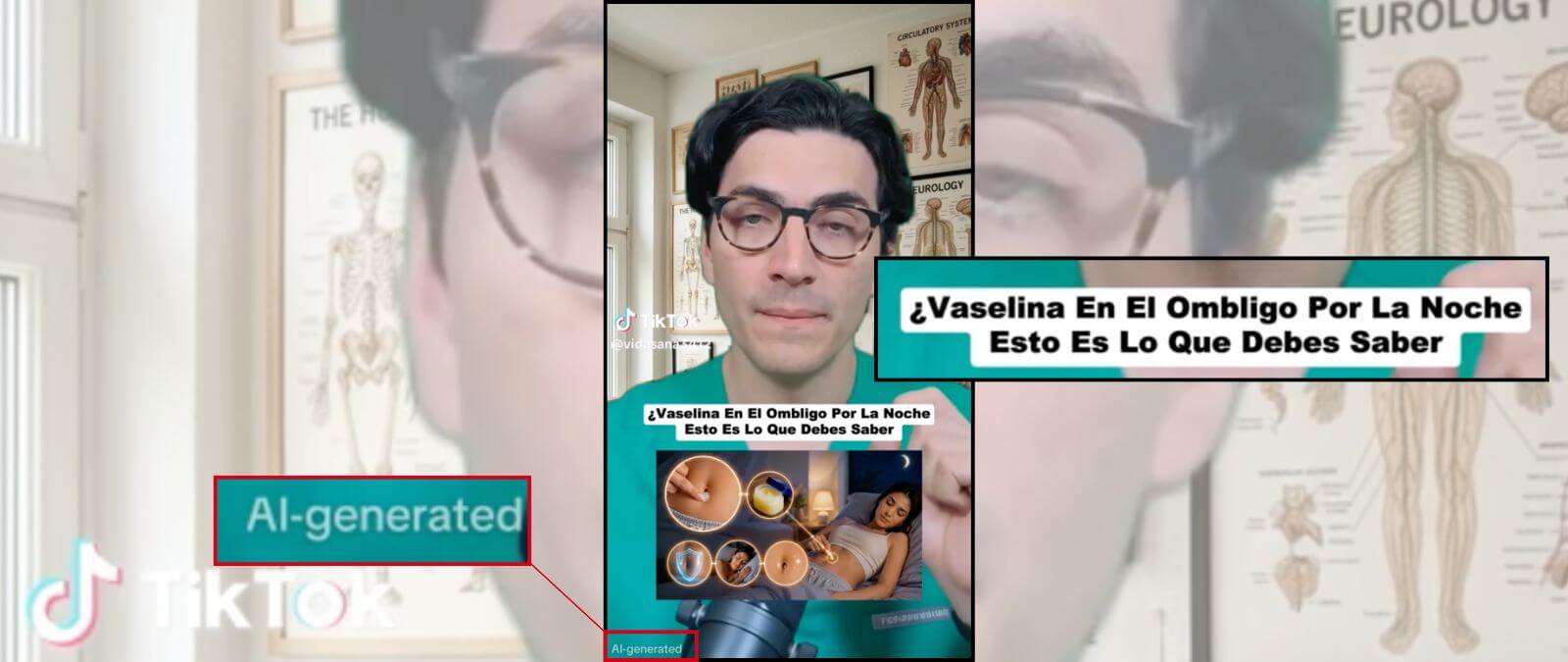
No hay ninguna evidencia de que aplicar vaselina en el ombligo suponga beneficios para la salud general Se trata de una propuesta de la conocida como medicina ayurvédica (no respaldada por la evidencia científica) en la que el ombligo, precisamente donde se encontraría este punto, se considera una zona energética vital. No existe ninguna evidencia científica sobre ninguna de estas afirmaciones y, de hecho, lo que proponen contradice todo lo que sí se sabe y está demostrado en medicina. Existen revisiones sistemáticas de estudios (que aportan la evidencia más robusta) que concluyen que no existe evidencia convincente de la eficacia de los pseudotratamientos de fitoterapia personalizados, entre los que se encuentra la ayurveda, para ninguna indicación. Debido al alto potencial de efectos adversos e interacciones negativas entre hierbas y entre hierbas y medicamentos, esta falta de evidencia de eficacia impide recomendar su uso, añaden los autores.
maldita · about 2 hours ago
Hirmus, aga kasulik kaaslane: miks ei tohiks toas elavat ämblikku tappa? Paljude inimeste esimene reaktsioon ämblikku toas nähes, on loomaks laiaks litsuda. Tegelikult on ämblikud ohutud kaaslased, kes on igapäevaelus hoopis kasulikud. Just need loomad aitavad hoida teisi tülikaid putukaid kontrolli all.
postimees · about 2 hours ago
Glass nails: Η μίνιμαλ και κομψή τάση που κυριαρχεί στο καλοκαιρινό μανικιούρ Είναι διαχρονικά, κομψά και ταιριάζουν σε κάθε σχήμα και μήκος νυχιών.
protothema · about 2 hours ago
Όταν η ενυδάτωση γίνεται το πιο δροσερό καλοκαιρινό ritual Το φετινό καλοκαίρι, το πιο δροσερό και απολαυστικό ρόφημα ίσως μπορεί να μην βρίσκεται σε κάποιο bar ή beach club, αλλά στην ίδια μας την κουζίνα
protothema · about 2 hours ago
Gefährliche Hautkrankheit – Krätzefälle in Romandie, aber keine Epidemie Hunderte Personen liessen sich wegen Krätze behandeln. In den allermeisten Fällen waren die Diagnosen negativ.
srf.ch · about 2 hours ago

Test : une gourde connectée pour améliorer votre hydratation quotidienne Lhydratation est cruciale, pas seulement pendant les chaudes journées dété, mais tout au long de lannée. Au fil des ans, on a vu apparaître des gourdes dans une multitude de formes et de couleurs. Certaines sont munies de cartouches de filtration, et des applications ont été créées pour suivre la consommation de liquides. La société Brita, réputée pour ses systèmes de filtration deau destinés aux particuliers et aux professionnels, propose une bouteille combinant ces trois fonctionnalités. ...
la libre · about 2 hours ago
Dit is wat er gebeurt in je lichaam als je alcohol drinkt in de hitte De hele dag met een biertje of wijntje op het terras in het zonnetje, het klinkt voor veel mensen als een verfrissende en ontspannen zomeractiviteit. Maar dit doet alcohol in de hitte met je lichaam.
rtl nieuws · about 2 hours ago
Gezondheidsraad: Élk glas alcohol heeft risicos voor je gezondheid Er is geen veilige ondergrens voor alcohol: zelfs af en toe een glaasje brengt al risicos met zich mee. Dat concludeert de Gezondheidsraad in een nieuw rapport. Voor eerdere beweringen dat een glas per dag ook gezondheidsvoordelen heeft, is onvoldoende bewijs.
nu.nl · about 2 hours ago
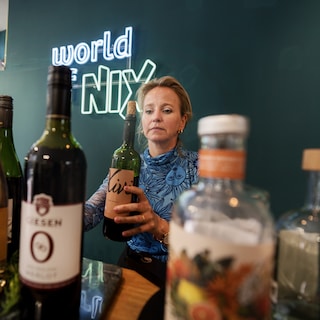
Gezondheidsraad zet alcohol in rijtje van roken en drugs: Er is geen veilige ondergrens, zegt de voorzitter
trouw · about 2 hours ago
Vi sier ikke at folk ikke skal drikke. Men folk fortjener å vite hvilken risiko de tar. Les debattinnlegget.
aftenposten · about 2 hours ago
Ook één biertje is al te veel. Het alcoholbeleid moet strenger, vindt de Gezondheidsraad: drinken zou niet normaal moeten zijn Wie alcohol „gebruikt is niet alleen zichzelf tot last, benadrukt de Gezondheidsraad. Een meer dan tien jaar oud advies om „niet meer dan één glas per dag te drinken, gaat daarom op de schop.
nrc · about 2 hours ago

Eén glas wijn is al schadelijk, waarschuwt Gezondheidsraad: Overheid moet alcohol denormaliseren
de volkskrant · about 2 hours ago
Niemand mag Speichellecker [premium]
die presse · about 2 hours ago
Artenschutz: Abschuss von Bibern verboten - das sind die Gründe
die zeit · about 2 hours ago
Το μυστικό μου για πιο ζουμερά χείλη; Να γιατί επιλέγω πάντα ένα lip plumper Παρακάτω η (αρκετά εκτενής) λίστα με όλες τις αγαπημένες μου επιλογές.
protothema · about 2 hours ago
Hauskanpito | Terveys ja elämänilo eivät ole toistensa vastakohtia Terveys on paljon muutakin kuin sairauksien ehkäisyä: siihen kuuluvat myös ystävyyssuhteet, osallisuus, yhteisöllisyys, lepo, turvallisuus ja mahdollisuus nauttia elämästä.
helsingin sanomat · about 2 hours ago