 Saturday, July 4Saturday, July 4
The 113th edition of the Tour de France began on Saturday in Barcelona with a rare team time trial, marking Tadej Pogačar’s first major test as the two-time defending champion in his bid for a historic fifth title. The 19.6-kilometre opening stage, held under clear skies along the Mediterranean coast, saw Pogačar’s UAE Team Emirates secure the stage win and claim the yellow jersey, a symbolic triumph that sets the tone for what organizers and riders alike describe as a pivotal edition of cycling’s most prestigious race.
The team time trial, reintroduced after decades away from the Tour’s opening stage, proved a tactical battleground. Unlike traditional individual time trials, the 113th edition’s opening act required eight riders from each team to work in unison, with organizers taking individual times to determine the overall standings. This format, more common in the Vuelta a España, added a layer of complexity that tested both team cohesion and individual endurance. “It’s much more technical when you ride in a group of eight,” said Remco Evenepoel, the triple world time trial champion, who had openly set his sights on wearing the yellow jersey after Saturday’s stage. “The difference is that you don’t get the same draft benefit. It’s harder, but that’s what makes it exciting.”
Pogačar, who arrived in Barcelona fresh from victories at the Tour de Suisse, Giro di Romandia, and three Monument classics, wasted no time asserting his dominance. His UAE Team Emirates squad, led by veteran tactician Neil Stephens, executed a flawless effort, crossing the line with a 12-second advantage over second-placed Lidl-Trek. The result was a statement: Pogačar is not only chasing history but doing so with the kind of form that has left rivals struggling to keep pace. “The numbers speak for themselves,” noted *Der Standard*, pointing to Pogačar’s 2024 margin of more than six minutes over his closest rival in the general classification. “Over thousands of kilometres, those minutes become insurmountable.”
For Norwegian rider Anders Skaarseth, the Tour’s opening stage carried personal significance. Just three years ago, a horrific crash at the E3 Saxo Classic left him with a severe tibial fracture, a setback that nearly ended his career. “I thought I’d never come back,” Skaarseth told Norwegian broadcaster NRK. “I couldn’t even walk normally, let alone ride at a competitive level.” After months of rehabilitation, Skaarseth defied the odds to win the Norwegian national road race title in June, a victory he called the proudest of his career. Now, as a road captain for Uno-X, he will play a key role in guiding his team through the chaos of the Grand Départ. “It’s surreal to be here,” he said. “I never thought I’d make it to the Tour de France.”
The Tour’s return to Barcelona, a city draped in both Tour de France and FIFA World Cup decorations, underscored the global reach of the event. Organizers at ASO, the race’s governing body, defended the inclusion of the team time trial as a way to “reintroduce the collective spirit of cycling” while maintaining the individual nature of the competition. “Cycling is an individual sport that is raced in teams,” said Christian Prudhomme, ASO’s director. “We wanted to see which teams would prioritize pure speed and which would focus on protecting their overall contenders.”
With the peloton now en route to the Pyrenees for Sunday’s stage, the question remains: can anyone stop Pogačar? His closest rivals, including Evenepoel and Spain’s Juan Ayuso, have hinted at targeting the podium, but the Slovenian’s relentless consistency suggests otherwise. As the Tour rolls into France, the cycling world watches to see if history will be made—or if Pogačar will once again rewrite the record books.
Follow us for live European news
2 further sources not geolocated

Po madridskih ulicah spet trkljale visoke pete Madrid je gostil že 27. tek v visokih petah. Gre za osrednji dogodek praznovanja skupnosti LGBTQ+, na katerem morajo udeleženci 100 metrov preteči v čevljih z vsaj 10-centimetrsko peto, a se na pol poti do cilja še preobleči in se naličiti.
rtv slovenia · about 2 hours ago

Tour de France 2026 : dix bons livres pour séchapper durant la Grande Boucle Le Tour de France débute ce samedi à Barcelone. Albert Londres, Antoine Blondin, Eric Fottorino et dautres plumes ont écrit sur ce sport intriqué comme aucun autre à la littérature. ...
la libre · about 2 hours ago

Les Lotto ont-ils la combinaison gagnante pour le Tour de France ? Malgré les départs attendus des trois leaders en fin de saison et le licenciement du manager de la performance, Jean-François Bourlart est ambitieux. ...
la libre · about 2 hours ago
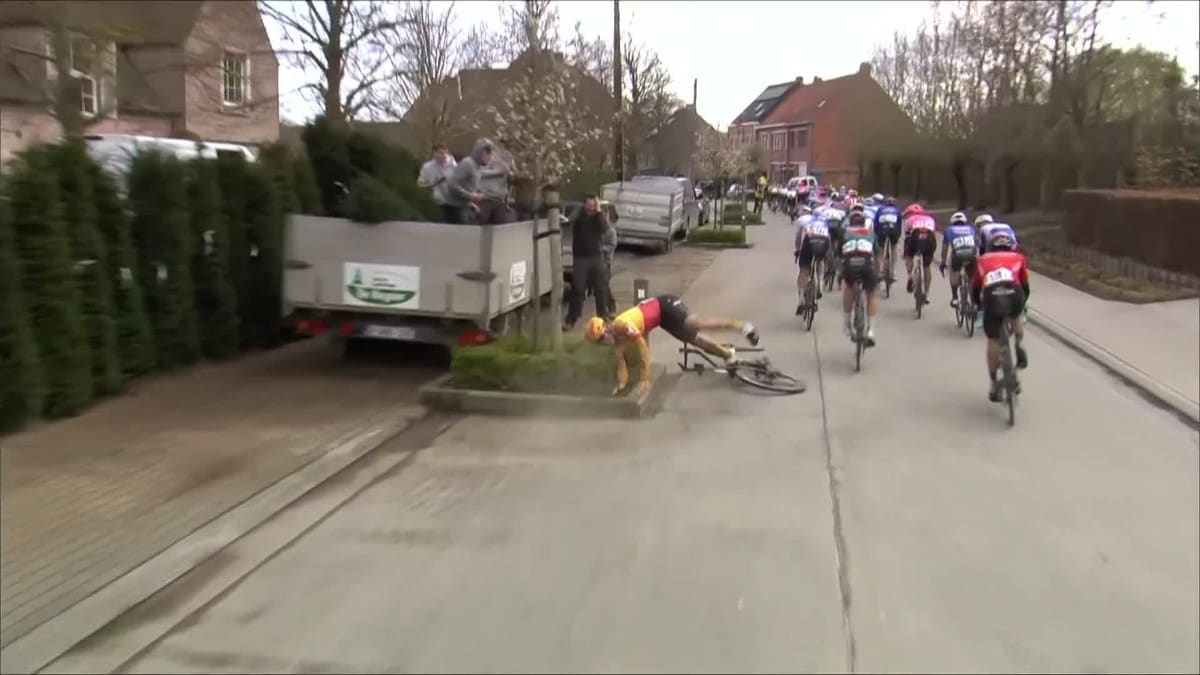
Fryktet for karrieren i 2023 – nå skal han styre Uno-X til seier i Tour de France Et krevende brudd i leggbeinet etter en stygg velt, var nær ved å sette en stopper for karrieren. Tre år senere får 31-åringen debuten i verdens største sykkelritt.
nrk · about 2 hours ago

Déjà un grand test pour Remco Evenepoel sur le Tour de France ce samedi Remco Evenepoel aimerait prendre le maillot jaune dès samedi soir lors du chrono par équipes, un exercice particulier que lon a passé au crible. ...
la libre · about 2 hours ago
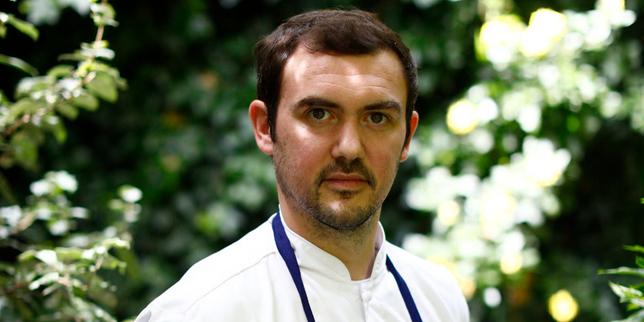
Bertrand Grébaut, cofondateur du restaurant Septime et électron libre de la cuisine contemporaine française, est mort Le chef parisien, disparu précocement à lâge de 44 ans, fut lun des pionniers dune cuisine bistronomique aussi rigoureuse quinventive.
le monde · about 2 hours ago
Worlds Best Sidecar and Quad Riders Set for Madona in One Month - The Baltic Times In just one months time – 25–26 July – the Smeceres Sils motocross track in Madona, Latvia, will welcome the wo......
baltic times · about 2 hours ago
Cel mai bun sportiv al planetei intră din nou în scenă. Dar nu la Cupa Mondială O nouă ediție a Turului Franței începe sâmbătă, una în care Tadej Pogačar luptă pentru a cincea victorie, o performanță care i-ar consolida titlul de cel mai bun ciclist al tuturor timpurilor pe care și-l dispută cu belgianul Eddy Merckx. Există argumente care susțin ideea că slovenul nu este doar cel mai bun ciclist de …
hotnews.ro · about 2 hours ago

Guía para superar los cortes de tráfico por la visita del Tour de Francia a Barcelona La ronda francesa afecta a la movilidad de seis distritos y partirá hoy la ciudad en dos
la vanguardia · about 2 hours ago
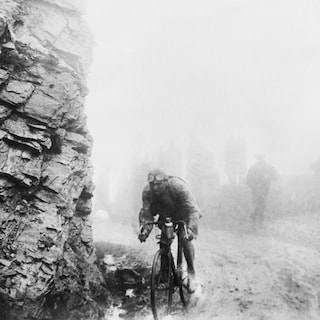
Na de Tour van 1926 was het klaar met etappes van meer dan 400 kilometer
trouw · about 2 hours ago
Tour de France 2026 : tout comprendre aux nouvelles règles du contre-la-montre par équipes La Grande Boucle commence ce samedi 4 juillet à Barcelone, avec une étape un peu particulière. On vous explique.
liberation · about 2 hours ago
Sdílená kola jsou o krok blíž k návratu do Pardubic. Pochybnosti ale vyvolává rozmístění stanovišť Sdílená kola se po více než dvou letech přibližují k návratu do Pardubic. Město schválilo smlouvu, podle které jejich provoz převezme dopravní podnik. Ten teď připravuje výběrové řízení na provozovatele. V plánu je zhruba 200 kol během sezony a 65 stanovišť po celém městě. Právě rozmístění některých stanovišť vyvolává mezi lidmi i politiky pochybnosti.
irozhlas.cz · about 2 hours ago
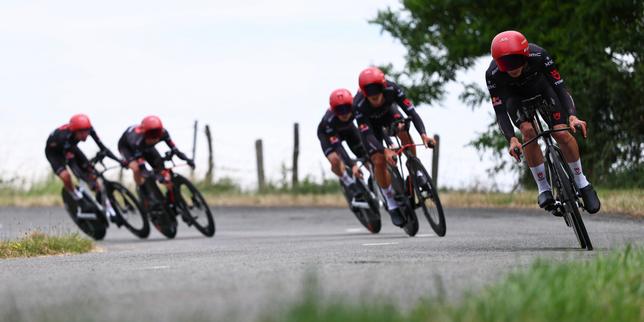
Tour de France 2026 : le contre-la-montre par équipes, un exercice périlleux pour lancer la 113ᵉ édition Le Tour de France 2026, qui sélance samedi de Barcelone, propose pour sa première étape une épreuve collective de 19,6 kilomètres. Pour les coureurs et leurs encadrements, la préparation de ce rendez-vous est particulièrement délicate.
le monde · about 2 hours ago

La mayor aventura de MTB en Europa La Škoda Titan Desert Almería celebrará su séptima edición entre el 1 y el 4 de octubre
la vanguardia · about 2 hours ago

Aleix Espargaró: ¡Pero qué tenso se va en el pelotón! Veía más riesgos cuando competía como profesional del ciclismo que cuando pilotaba en MotoGP, dice Espargaró, que fue profesional del motociclismo y el ciclismo
la vanguardia · about 2 hours ago

Ayuso: Es posible salir de Barcelona con el amarillo, sería un sueño El líder del Lidl-Trek se fija como objetivo el podio aunque no quiere obsesionarse con ello
la vanguardia · about 2 hours ago
Bardella, încercuit de dosare: extrema dreaptă franceză își joacă viitorul în tribunal În timp ce Franța redescoperă pe ecran modelul de integritate al lui de Gaulle, extrema dreaptă se confruntă din nou cu umbrele propriilor dosare.
adevarul · about 2 hours ago
Protothema Sports: Η νέα εκπομπή για όσα συμβαίνουν στον χώρο του αθλητισμού Στην πρώτη εκπομπή θα είναι καλεσμένοι οι πρωταθλητές Ευρώπης Θοδωρής Ζαγοράκης και Ζήσης Βρύζας, ο προπονητής του Περιστερίου Βασίλης Ξανθόπουλος και ο ηθοποιός Θανάσης Βισκαδουράκης - Κάθε μέρα από τις 14:00 έως τις 16:00 μέσα από το protothema.gr
protothema · about 3 hours ago
Lenny Martinez : «Remporter le maillot à pois au Tour de France, comme mon grand-père, ça serait un beau symbole» Alors que la Grande Boucle débute ce samedi 4 juillet, le jeune coureur de 22 ans, membre de léquipe cycliste Bahrain Victorious, fait de la tunique du meilleur grimpeur son objectif numéro un. Et ne sinterdit pas daller chercher une victoire détape.
liberation · about 3 hours ago
Die Jagd auf das Gelbe Trikot: Braust Pogačar der Konkurrenz wieder davon? Der Slowene ist ab Samstag der Topfavorit der Tour de France. Felix Großschartner unterstützt ihn, Giro-Sieger Vingegaard, Talent Seixas und der Red-Bull-Rennstall fordern ihn heraus
der standard · about 3 hours ago
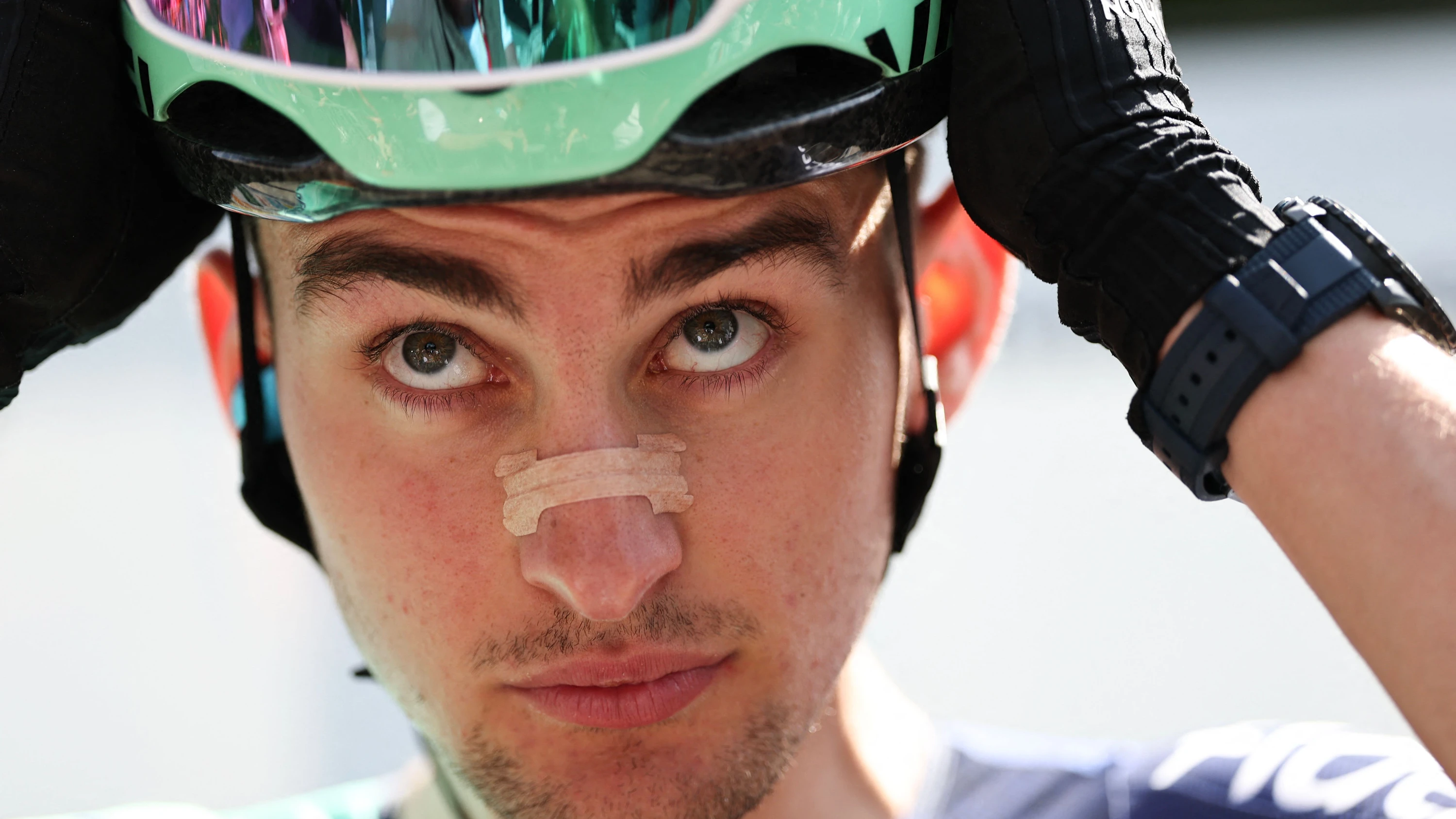
Tour de France: Das große Experiment mit Paul Seixas Paul Seixas ist das jüngste Beispiel: Radprofis fahren immer früher um die Siege bei den größten Rennen mit. Welche Probleme und Gefahren das mit sich bringt, lässt sich schon jetzt erahnen.
faz · about 3 hours ago
Manfreda na 200-metrski razdalji svetovni prvak do 23 let Sprinter na mirnih vodah Matevž Manfreda je na svetovnem prvenstvu za mladince in mlajše člane v Kanadi poskrbel za nov velik uspeh slovenskega kajakaštva. V finalu kajakašev do 23 let je na 200-metrski razdalji postal svetovni prvak.
rtv slovenia · about 3 hours ago

Tour de France : Cube, lAllemand qui règne sur lEurope du vélo
lexpress · about 3 hours ago
Tour de France 2026 : transformée en NSN Cycling, lex-équipe Israël-Premier Tech retrouve lindifférence à Barcelone Un an après un Tour dEspagne ultra-perturbé qui avait viré en immense manifestation pro palestinienne, la structure au cœur de la discorde a changé de nom, rachetée par Andrés Iniesta. Et plus personne ny prête attention.
liberation · about 3 hours ago

Tour de France : à 19 ans, Paul Seixas est déjà un phénomène médiatique Le coureur lyonnais pédalera pour la première fois de sa jeune carrière sur les routes du Tour de France, qui sélance de Barcelone samedi 4 juillet. Tout un pays espère quil sera bel et bien lhéritier de Bernard Hinault, dernier vainqueur français de la Grande Boucle, relève la presse espagnole.
courrier international · about 3 hours ago