 Wednesday, May 20Wednesday, May 20
The U.S. Department of Defense has announced a reduction in its military presence in Europe, cutting the number of combat-ready brigades from four to three, returning troop levels to those seen in 2021. This decision will temporarily delay the deployment of additional U.S. forces to Poland, including a planned rotation of 4,000 soldiers . The Pentagon emphasized that this move is part of an effort to encourage European allies to take greater responsibility for regional defense .
Separately, the U.S. has confirmed the withdrawal of 5,000 troops from Germany, though NATO’s top commander, U.S. Gen. Alexus Grynkewich, downplayed concerns about further reductions, stating that no additional drawdowns are expected in the near term beyond this number . Grynkewich also asserted that the troop withdrawal will not undermine NATO’s defense posture in Europe .
The delay in U.S. troop deployments to Poland has sparked discussions among NATO allies. Polish officials, including former President Aleksander Kwaśniewski and Defense Minister Władysław Kosiniak-Kamysz, have engaged in talks with U.S. counterparts regarding the implications for Poland and NATO’s eastern flank. Kosiniak-Kamysz discussed the issue with U.S. Secretary of Defense Pete Hegseth, while General Wiesław Kukuła met with U.S. and NATO commanders to address deterrence and defense measures in the region . U.S. Vice President JD Vance clarified that the delay in troop deployments to Poland is not a cancellation but reflects a broader U.S. policy encouraging European self-reliance .
NATO officials, including EU High Representative Kaja Kallas, have acknowledged the shift in U.S. geopolitical priorities but stressed that the alliance will maintain a strong presence on its eastern flank. NATO expects the U.S. troop reductions to take years to implement fully .

US is cutting down number of combat-ready brigades in Europe The US is reducing its military combat units in Europe from four to three, bringing stationed brigades back to 2021 levels. According to the US Department of Defense, this decision will temporarily delay the deployment of US soldiers to Poland. Additionally, the US announced in early May that 5,000 soldiers will be withdrawn from Germany […]
cphpost · about 18 hours ago

Czy pan rozumie? Aleksander Kwaśniewski pyta Donalda Trumpa o obecność USA w NATO Komentując doniesienia o wstrzymaniu rotacji amerykańskich żołnierzy do Polski, były prezydent RP wskazał, że obecność Stanów Zjednoczonych w Europie od dekad leży przede wszystkim w interesie Waszyngtonu.
gazeta.pl · about 19 hours ago
Pentagon says it reduced US troop brigades in Europe from four to three The Pentagon said on Tuesday it was cutting the number of US Brigade Combat Teams stationed in Europe from four to three, returning troop levels to those seen in 2021 as Washington presses European allies to assume greater responsibility for regional defence. The move will temporarily delay the deployment of additional US forces to Poland.
france24 · about 20 hours ago
US to cut troops in Europe to lowest level since before Ukraine invasion Pentagon plans to reduce deployment from four brigades to three
financial times · about 22 hours ago

Gen. Kukuła spotkał się z dowódcą sił USA i NATO. Główny temat: Amerykanie na wschodniej flance Sztab Generalny WP przekazał, że rozmowy toczyły się także wokół działań wzmacnianiających postawy odstraszania i obrony oraz bezpieczeństwa w regionie.
gazeta.pl · 1 day ago
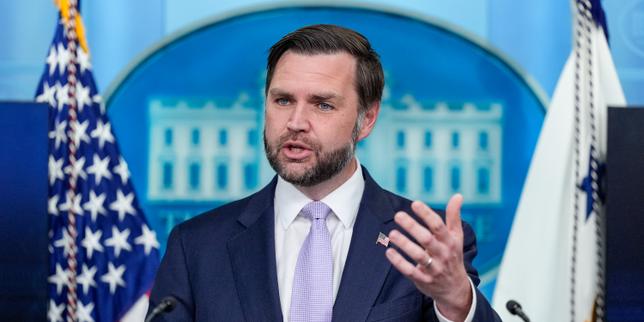
Vance says Poland troop deployment delayed, not canceled One of the administrations most vocal critics of Europe, the US vice president said the US needs more of Europe standing on its own two feet, which will continue to be our policy, Vance told a White House briefing on Tuesday.
le monde · 1 day ago
NATO expects US troop cuts from Europe to take years
gdeltproject.org · 1 day ago
NATOs top commander downplays US troop withdrawal Washington will not pull more than 5,000 troops from Europe in the near term, said NATOs top commander, U.S. Gen. Alexus Grynkewich.
politico.eu · 1 day ago
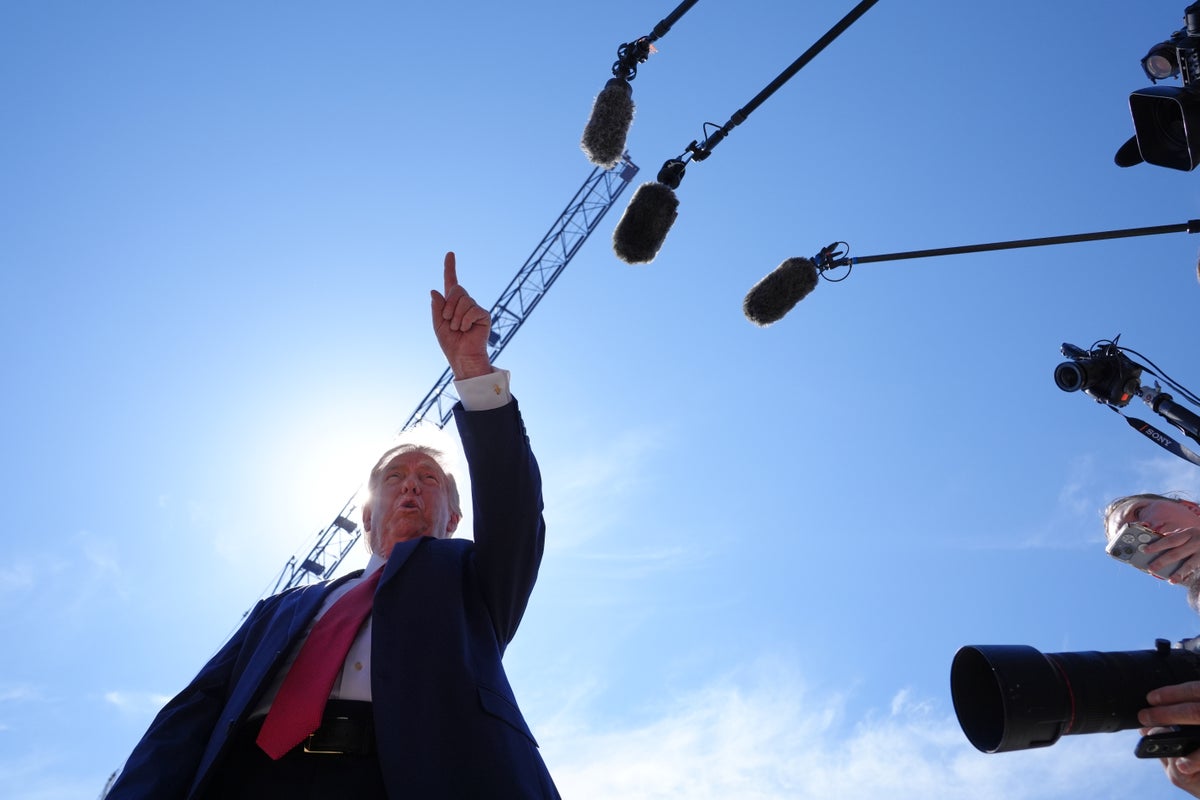
NATOs top officer doesnt expect more American drawdowns beyond the 5,000 troops Trump announced NATOs top military officer says he doesnt expect any more drawdowns of American troops from Europe — at least not anytime soon — beyond the 5,000 that U.S. President Donald Trump announced would leave the continent
independent · 1 day ago
U.S. troop withdrawal will not undermine NATO defence in Europe, top commander says
gdeltproject.org · 1 day ago

Debata ws. relokacji żołnierzy USA z UE. Kallas: Można się było spodziewać - Priorytety geopolityczne Waszyngtonu się zmieniają. Można było się spodziewać ewentualnego wycofywania wojsk amerykańskich z Europy. NATO nadal będzie jednak utrzymywać silną obecność na wschodniej flance - podkreśliła Kaja Kallas, Wysoka Przedstawicielka UE ds. Polityki Zagranicznej i Bezpieczeństwa podczas debaty ws. relokacji amerykańskich żołnierzy z krajów UE.
gazeta.pl · 1 day ago

Kosiniak-Kamysz rozmawiał z szefem Pentagonu. Chodzi o wojska USA w Polsce Władysław Kosiniak-Kamysz rozmawiał z sekretarzem obrony USA Peteem Hegsethem o obecności amerykańskich żołnierzy w Polsce i na wschodniej flance NATO. To kolejna rozmowa po tym, jak Pentagon anulował planowane rotacyjne przemieszczenie 4 tys. żołnierzy do Polski.
gazeta.pl · 1 day ago