
African and Caribbean nations demand formal slavery apologies from former colonial powers
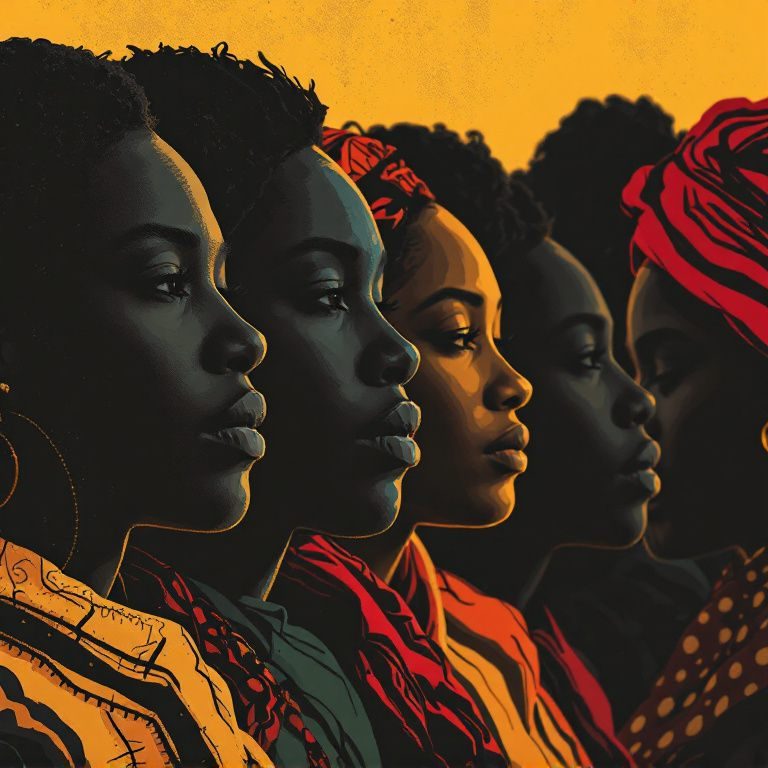
A coalition of African and Caribbean nations has formally demanded a state apology from former colonial powers for the transatlantic slave trade, escalating a global reckoning with historical crimes that the United Nations declared the “gravest crime against humanity” earlier this year. In a 19-point plan presented Friday, the group called for reparatory justice measures including debt cancellation, educational reforms, and a permanent UN memorial day to commemorate the victims of slavery.
The demand follows a landmark UN resolution adopted on 15 March 2026, which for the first time classified the transatlantic slave trade as a crime against humanity and urged member states to address its lingering consequences. The 19-point document, circulated to the UN General Assembly, specifies that former slave-trading nations—including the United Kingdom, France, Portugal, Spain, and the Netherlands—must issue “formal, unconditional apologies” within 12 months. It also proposes the creation of a $100 billion international fund to support education, healthcare, and infrastructure in affected regions, with contributions proportional to each nation’s historical role.
“This is not about guilt or blame,” said Barbadian Prime Minister Mia Mottley, whose government coordinated the initiative. “It is about acknowledging a crime that shaped the modern world and taking concrete steps to repair its consequences.” The plan has gained traction among Caribbean Community (CARICOM) members and African Union states, with Ghana and Jamaica already endorsing the timeline.
European capitals have responded cautiously. A spokesperson for the French foreign ministry acknowledged the “historical responsibility” of former colonial powers but declined to commit to a formal apology, citing ongoing national debates. The UK government, which has previously expressed “deep regret” but stopped short of an apology, has not indicated a change in position.
Human rights organizations welcomed the initiative but warned that symbolic gestures alone would not suffice. “An apology without reparations is like a verdict without a sentence,” said Amnesty International Secretary General Agnès Callamard. “The 19-point plan must be matched by binding commitments and transparent funding mechanisms.”
The UN General Assembly is scheduled to debate the proposal during its 78th session in September 2026, where a vote on a non-binding resolution endorsing the plan is expected. Meanwhile, civil society groups have announced a global day of action on 23 August 2026—the International Day for the Remembrance of the Slave Trade and its Abolition—to pressure reluctant states into compliance.
- 1
- 1
- 1
- 1
1 further source not geolocated
Articles

Flera länder kräver formell ursäkt för slavhandeln Afrikanska och karibiska länder kräver en formell ursäkt för den transatlantiska slavhandeln. FN erkände slavhandeln som det grövsta brottet mot mänskligheten tidigare i år. Nu har en lista med 19 punkter presenterats som nästa steg mot rättvisa.
expressen · about 2 hours ago
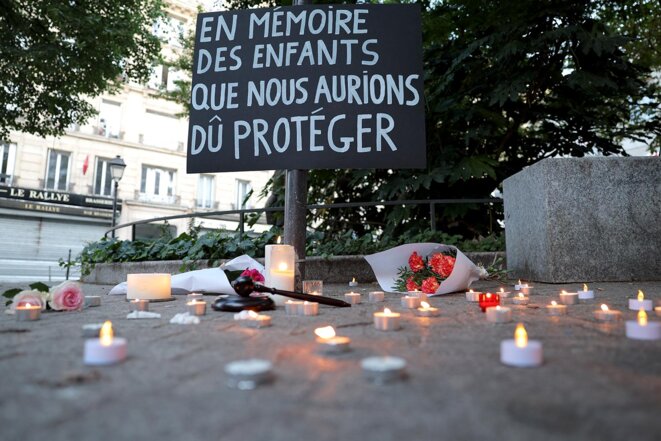
Lutte contre les violences sexuelles sur les enfants: la foire aux idées démagogiques Rétablissement de la peine de mort, «castration chimique»" "obligatoire, suppression du juge dapplication des peines… Retour sur la surenchère de propositions simplistes ou populistes qui sont formulées depuis la mort de Lyhanna.
mediapart · about 3 hours ago
V Mariboru potekala shoda nasprotnikov in zagovornikov pravice do splava V Mariboru sta sočasno potekala shoda nasprotnikov in zagovornikov pravice do splava. Nasprotniki so poudarjali, da je treba zaščititi pravice nerojenih otrok, zagovorniki pa, da je pravica odločanja o lastnem telesu neodtujljiva.
rtv slovenia · about 3 hours ago
Brexit-Referendum und der Mord an Jo Cox: Den Lebenden zur Mahnung Vor zehn Jahren stimmte Großbritannien für den Brexit. Wenige Tage zuvor wurde die Labour-Politikerin Jo Cox ermordet. Ihr Tod wirkt bis heute nach. mehr...
taz.de · about 3 hours ago
Καρολάιν, Κυριακή, Ελευθερία, Βασιλική, Αντιγόνη: Οι 106 γυναίκες - θύματα δολοφονιών από το 2020
protothema · about 3 hours ago