 Wednesday, June 17Wednesday, June 17
Norway’s Crown Princess Mette-Marit underwent a successful lung transplant at Oslo’s Rikshospitalet on Wednesday, the Norwegian Royal House announced, marking a pivotal moment in a prolonged health crisis that has tested both the monarchy and public solidarity. The 52-year-old heir apparent’s operation followed her placement on the national organ-donation waiting list earlier this month, a decision prompted by the rapid progression of idiopathic pulmonary fibrosis diagnosed in 2018. Thousands of Norwegians registered as donors in the days after the announcement, underscoring the outpouring of support that has accompanied the princess’s medical journey .
Surgeons at Rikshospitalet confirmed the transplant was completed without immediate complications, and the Royal House stated in a press release that Mette-Marit is now recovering under close medical supervision. “We are very pleased that everything has gone well so far,” the statement read, while the Swedish Royal Court separately conveyed its “warm thoughts and support” to the Norwegian princess .
The operation arrives amid a period of sustained strain on the Norwegian monarchy. In recent years, the institution has faced scrutiny over the conduct of Mette-Marit’s eldest son, Marius Borg Høiby, whose ongoing legal proceedings have dominated headlines, as well as broader questions about public trust and institutional resilience . Commentators have suggested the successful transplant could serve as a unifying moment for the nation. “This surgery will bring Norwegians and the royal family closer together,” Bild entertainment editor Tanja May told Welt, reflecting on the emotional resonance of the event .
Medical experts cautioned that recovery from a lung transplant is arduous and carries significant risks. Overläkaren Gerdt Riise, a leading pulmonologist, noted that roughly one in ten patients do not survive the first year post-operation, though for most it remains a life-extending intervention . Lungs specialist Olav Kåre Refvem told VG that Mette-Marit’s swift access to a donor organ did not imply preferential treatment, emphasizing that timing in such cases can vary widely depending on compatibility and urgency .
Mette-Marit’s diagnosis in 2018 marked the beginning of a public health narrative that has resonated across Scandinavia. In Sweden, former transplant recipient Tanja May recounted her own 2005 double-lung transplant in Oslo, telling Dagens Nyheter she wept upon hearing the news: “I started to cry,” she said . The princess’s journey has also drawn international attention, with outlets from Italy to Estonia highlighting both the medical milestone and the broader implications for organ-donation advocacy . As Mette-Marit begins the long road to rehabilitation, the operation stands as both a personal triumph and a testament to Norway’s collective commitment to life-saving medicine.
1 further source not geolocated

Este nevoie de probiotic la orice antibiotic? Ce spun medicii despre refacerea microbiomului Antibioticele pot fi cel mai bun aliat atunci când organismul se confruntă cu o infecție bacteriană, dar efectele adverse asupra florei intestinale îi sperie pe mulți pacienți. Deși recomandarea comună este ca antibioticul să fie însoțit întotdeauna de un probiotic, vocile specialiștilor cu privire la eficacitatea acestor suplimente sunt împărțite. Un gastroenterolog american și un …
hotnews.ro · about 3 hours ago
Haakons kamp – mitt i kungahusets värsta krisår Det har varit den ena krisen efter den andra för det norska kungahuset.Bonusprinsen Marius Borg Høibys rättsprocess, Epstein-avslöjandena, sjunkande förtroendesiffror.Samtidigt har en helt annan kamp pågått bakom kulisserna – där Haakon förberett prinsessan Ingrid Alexandra att rycka in.
expressen · about 3 hours ago
Lannegamento resta una delle principali cause di morte accidentale nel mondo, eppure è un dramma che si può prevenire: parla la principessa Charlène di Monaco Prima al Bagno Flora per le lezioni di sicurezza in acqua a 100 bambini con Stéphanie Barneix, ambasciatrice della Fondazione e campionessa di salvataggio acquatico, poi la traversata benefica The Crossing del 19 giugno con 225 chilometri di mare in water bike. Trasferta a Viareggio per la principessa Charlène di Monaco, moglie del principe Alberto […] Larticolo Lannegamento resta una delle principali cause di morte accidentale nel mondo, eppure è un dramma che si può prevenire: parla la principessa Charlène di Monaco proviene da Il Fatto Quotidiano.
il fatto quotidiano · about 3 hours ago
Prins Harry reist mogelijk met gezin naar Engeland Prins Harry (41) reist binnenkort met zijn vrouw Meghan (44) en kinderen Archie (7) en Lilibet (5) naar het Verenigd Koninkrijk. Dat meldt The Telegraph op basis van bronnen. Het zou de eerste keer in vier jaar zijn dat de hertogin van Sussex en haar kinderen het thuisland van Harry bezoeken. De zoon van de Britse koning Charles (77) woont sinds 2020 met zijn gezin in Californië en heeft nauwelijks contact met zijn familie.
rtl nieuws · about 3 hours ago
Prinses Kate keert na lange afwezigheid terug op Royal Ascot Catherine (44), de prinses van Wales, is voor het eerst sinds drie jaar weer aanwezig bij de paardenraces van Royal Ascot. De Britse prinses betrad het evenement woensdagmiddag samen met haar echtgenoot prins William (43), met wie ze in de tweede koets van de koninklijke processie zat.
rtl nieuws · about 3 hours ago
Norwegische Kronprinzessin: Neue Lunge für Mette-Marit Vor acht Jahren wurde bei der norwegischen Kronprinzessin eine Lungenfibrose diagnostiziert. Nun hat sie eine Spenderlunge bekommen. mehr...
taz.de · about 3 hours ago
Prințesa Mette-Marit a Norvegiei a suferit un transplant pulmonar reușit. Probabil nu va ști niciodată cine este donatorul Prințesa moștenitoare a Norvegiei, Mette-Marit, a suferit un transplant pulmonar reușit și se recuperează în urma intervenției, a anunțat Casa Regală într-un comunicat emis miercuri. Mette-Marit, în vârstă de 52 de ani, soția prințului Haakon, moștenitorul tronului norvegian, a fost diagnosticată cu fibroză pulmonară în 2018, o boală cronică, considerată incurabilă, care provoacă cicatrizarea plămânilor și duce la un aport redus de oxigen, scrie focus.de.
digi24 · about 3 hours ago
Telegraph: Prins Harry skal ta med barna til Storbritannia Prins Harry og hertuginne Meghan, som til vanlig bor i USA, tar med de to barna sine, Archie og Lilibet (5), til…
aftenposten · about 3 hours ago

En av tio dör inom ett år efter lungtransplantation Norges kronprinsessa har genomgått en lungtransplantation. Enligt överläkaren Gerdt Riise innebär ingreppet stora och livsfarliga risker. – Men för de allra flesta är det en livsförlängande åtgärd, säger han.
dagens nyheter · about 3 hours ago

May gjorde samma operation som Mette-Marit: Fick livet tillbaka För 21 år sedan var det hon som låg på operationsbordet i Oslo för att få två nya lungor. Nu väcker beskedet om Mette-Marits transplantation minnena till liv för May Lunde. – Jag började gråta, säger hon om onsdagens nyhet.
dagens nyheter · about 3 hours ago

Transplantation für Mette-Marit: Wie lange wartet man auf eine Spenderlunge? Ist eine Transplantation nötig, kommt man in ein entsprechendes Register. Dringliche Fälle werden vorgereiht. Bei einer Lunge müssen zudem Größe und Blutgruppe passen
der standard · about 3 hours ago
Marius Borg Høiby: Nur weil Frauen Mut hatten, wieder mal Das Urteil gegen Marius zeigt: Auch ein Kronprinzessinnen-Sohn darf nicht tun, was er will. Die Frauen, mit denen er zusammenlebte, haben Unfassbares erlebt.
die zeit · about 3 hours ago
Prințul George va studia din toamnă la Eton, colegiul la care a studiat și tatăl său, Prințul William Prințul George, moștenitorul direct al Prințului de Wales, va urma cursurile prestigiosului Eton College începând din luna septembrie, a anunțat Palatul Kensington. Decizia confirmă alegerea unei instituții tradiționale de elită, urmată și de tatăl său, Prințul William.
adevarul · about 3 hours ago

Sophie Marceau: „Als Kind habe ich davon geträumt, groß zu sein, zu rauchen und Auto zu fahren 17 Jahre nach dem ersten Teil kehrt Sophie Marceau in „LOL 2.0 auf die Kinoleinwand zurück. Wie im echten Leben sind ihre Kinder im Film inzwischen erwachsen geworden. Was fängt man mit der neuen Freiheit an?
faz · about 3 hours ago
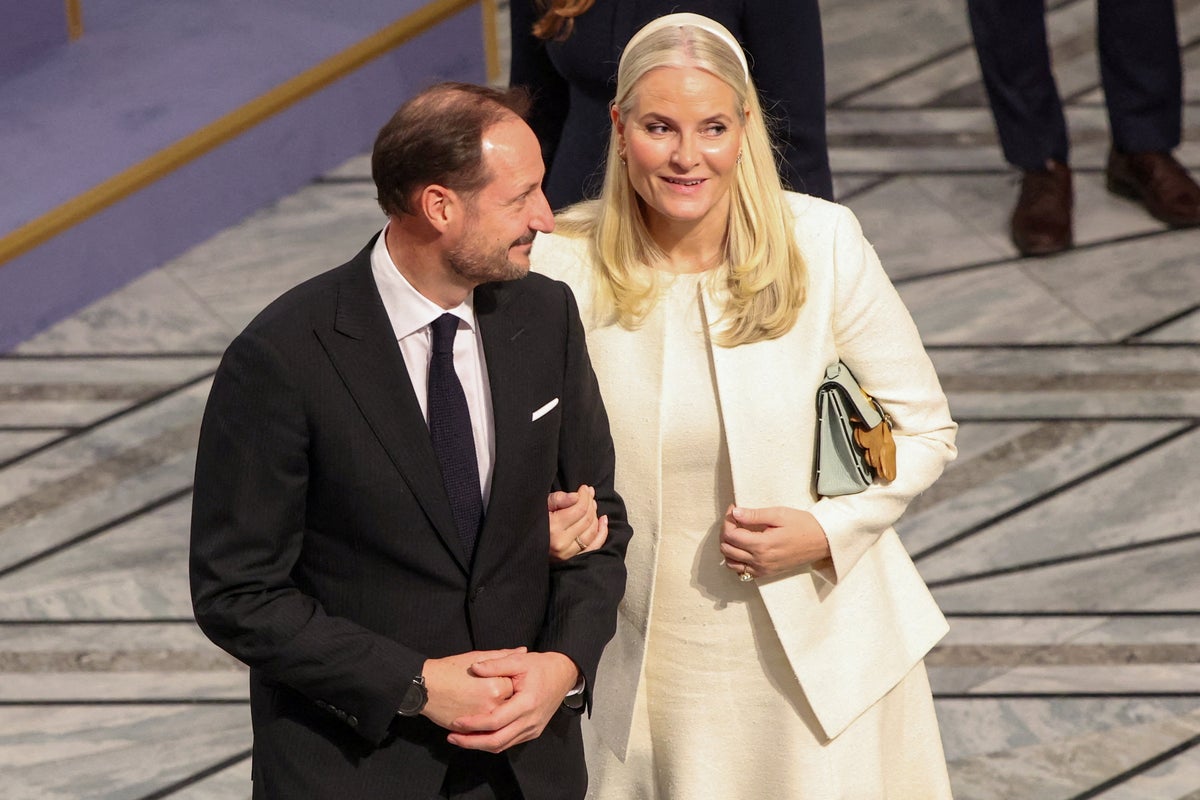
Norways Crown Princess Mette-Marit undergoes successful lung transplant in Oslo It comes amid a challenging time for Norways royal family
independent · about 3 hours ago
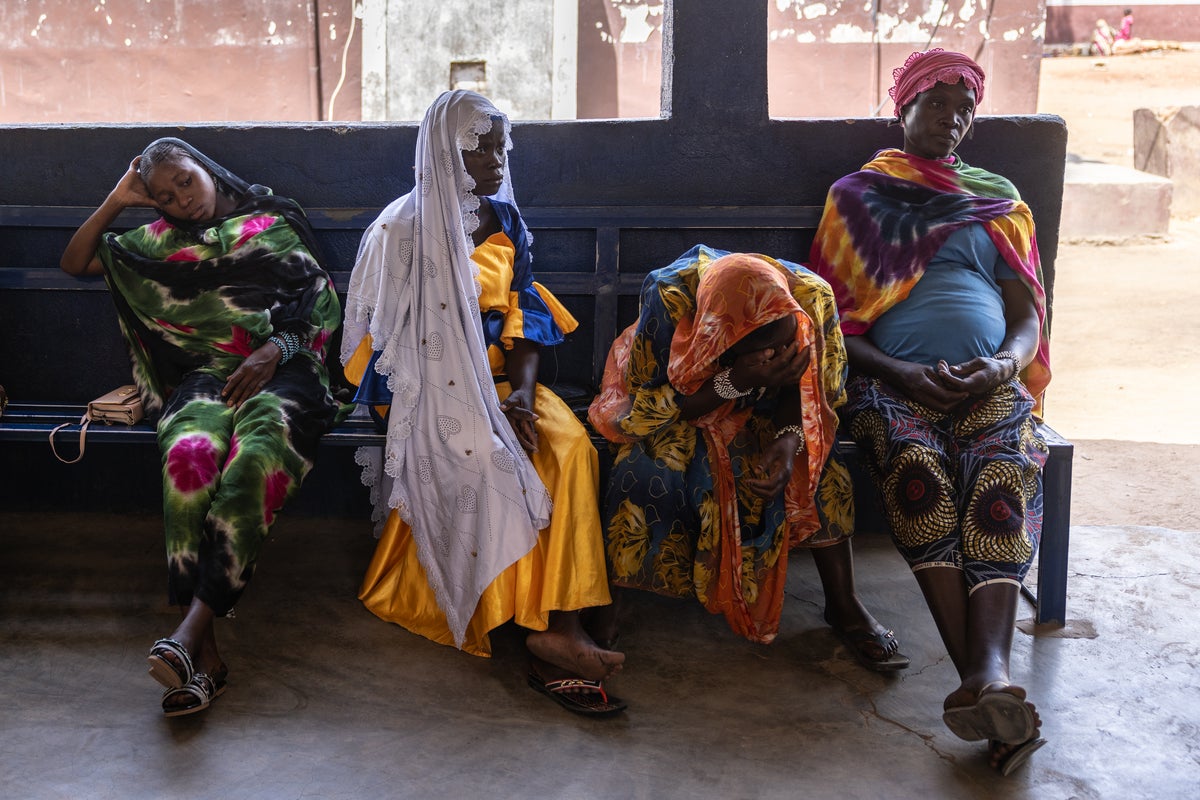
Trial shows plastic sheet could save thousands bleeding to death during childbirth: Beyond our wildest dreams A woman dies from postpartum haemorrhage somewhere in the world every 12 minutes, but an innovative plastic drape could save tens of thousands of lives a year. Liz Cookman reports
independent · about 3 hours ago

I had a blood clot. An AI diagnosis may have saved my life | Gleb Tsipursky An AI tool is no replacement for a doctor, and regulation is essential. But together, physicians and AI could prove beneficialA calf cramp should not be a brush with death. Mine almost was.For five days, I had what felt like a stubborn muscle spasm in my left calf. It was tender, swollen and getting worse. I assumed it was a muscle problem and went to my chiropractor, who treated it as a muscle issue.Gleb Tsipursky, PhD, serves as the CEO of the future-of-work work consultancy Disaster Avoidance Experts and wrote The Psychology of Generative AI Adoption at Work (Georgetown University Press, 2026) Continue reading...
theguardian · about 3 hours ago

Norways Crown Princess Has Lung Transplant Princess Mette-Marit was placed on a waiting list for organ donation this month. Thousands of Norwegians signed up as organ donors.
new york times · about 3 hours ago
Mette-Marit har fått nya lungor Norska kronprinsessan Mette-Marit har fått nya lungor.Beskedet kommer efter en lyckad operation på Rikshospitalet i Oslo. – Vi är väldigt glada över att allt har gått bra så här långt, skriver norska hovet i ett pressmeddelande.Svenska kungahuset har skickat sitt stöd och varma tankar till kronprinsessan.
expressen · about 3 hours ago
Lungexperten: Ingen anledning att tro att Mette-Marit gått före i kön Mette-Marit fick snabbt nya lungor transplanterade.Enligt en expert finns det dock ingen anledning att tro att hon gått före i kön.– Ibland går det fort, säger lungspecialisten Olav Kåre Refvem till VG.
expressen · about 3 hours ago
La principessa di Norvegia Mette-Marit sottoposta al trapianto di polmoni: Levoluzione della sua malattia polmonare è grave Mette-Marit è stata sottoposta allintervento che aspettava: il trapianto di polmoni al quale aveva appeso le sue speranze di vita. La principessa di Norvegia, dal 2018, è affetta da una grave forma di fibrosi polmonare progressiva e questo intervento era lunico modo per cercare di garantirle unaspettativa di vita che andasse oltre il breve periodo, […] Larticolo La principessa di Norvegia Mette-Marit sottoposta al trapianto di polmoni: Levoluzione della sua malattia polmonare è grave proviene da Il Fatto Quotidiano.
il fatto quotidiano · about 3 hours ago
Marius Borg Høiby bezocht zieke moeder stiekem vanuit gevangenis Marius Borg Høiby (29), de zoon van de Noorse kroonprinses Mette-Marit (52), heeft onder politiebegeleiding de gevangenis verlaten om zijn zieke moeder te bezoeken. Dat meldt de Noorse krant SE og HØR. Høiby werd afgelopen maandag veroordeeld tot een gevangenisstraf van vier jaar voor onder meer verkrachting.
rtl nieuws · about 3 hours ago
Telegraph: prins Harry neemt gezin in juli mee naar Engeland Prins Harry reist binnenkort met zijn vrouw Meghan en kinderen Archie en Lilibet naar het Verenigd Koninkrijk. Dat meldt The Telegraph op basis van bronnen. Het zou de eerste keer in vier jaar zijn dat de hertogin van Sussex en haar kinderen het thuisland van Harry bezoeken. De zoon van de Britse koning Charles woont sinds 2020 met zijn gezin in Californië en heeft nauwelijks contact met zijn familie.
rtl nieuws · about 3 hours ago
Catherine voor het eerst in drie jaar weer bij Royal Ascot Catherine, de prinses van Wales, is voor het eerst sinds drie jaar weer aanwezig bij de paardenraces van Royal Ascot. De Britse prinses betrad het evenement woensdagmiddag samen met haar echtgenoot prins William, met wie ze in de tweede koets van de koninklijke processie zat.
rtl nieuws · about 3 hours ago
„Diese OP wird die Norweger und das Königshaus wieder mehr zusammenführen Norwegens Kronprinzessin Mette-Marit hat sich erfolgreich einer Lungentransplantation unterzogen. „Bild-Unterhaltungschefin Tanja May spricht von einer überraschenden Entwicklung und betont, dass nun die weitere Genesung der 52-Jährigen im Mittelpunkt steht.
welt.de · about 3 hours ago
Longevity-Hype IHHT: Was bringt das Intervall-Hypoxie-Hyperoxie-Training? [premium] Sauerstofftherapien wie IHHT stehen im Biohacking-Universum hoch im Kurs. Die Methode scheint vielversprechend, birgt aber auch Risiken.
die presse · about 3 hours ago