
USCIS forces green card applicants abroad during processing, sparking legal and business backlash
USCIS mandates green card applicants to leave the country during processing, sparking backlash from advocates and businesses
The U.S. Citizenship and Immigration Services (USCIS) will require foreign nationals seeking permanent residency to apply for green cards from outside the United States, a policy shift announced Friday that could force hundreds of thousands to leave their jobs, families, and communities for months or years. The move, framed as a tightening of discretionary relief, reverses long-standing procedures allowing applicants to adjust their status while remaining in the U.S.
Under the new rule, temporary visa holders—including those on work, student, or tourist visas—must return to their home countries to complete the application process, which USCIS acknowledges can take "months or longer." A USCIS policy memo directs officers to evaluate cases individually but provides no blanket exceptions, leaving applicants vulnerable to prolonged separations. Zach Kahler, a USCIS spokesperson, confirmed the change but declined to specify how many people might be affected, though immigration attorneys estimate the number could exceed 500,000 .
Critics argue the policy will disrupt businesses reliant on skilled foreign workers, particularly in tech and healthcare sectors. The Financial Times reports that industry groups are preparing legal challenges, citing potential violations of due process and economic harm . Advocacy organizations, including the American Immigration Lawyers Association, warn the rule could deter talent from seeking U.S. residency, while families face "unnecessary hardship" under the threat of prolonged separation.
The policy aligns with broader Trump administration efforts to restrict immigration, including a parallel push to strip citizenship from naturalized Americans. The Department of Justice (DOJ) announced this week it is deploying USCIS attorneys to bolster denaturalization investigations, targeting individuals accused of fraud or misrepresentation during the naturalization process . While USCIS claims the measures aim to "uphold the integrity of the immigration system," critics view them as part of a pattern to reduce legal immigration pathways.
The green card policy takes effect immediately, though USCIS has not clarified whether pending applications will be grandfathered. Applicants already in the U.S. must now weigh the risks of leaving—including potential re-entry bans—against the uncertainty of remaining without legal status. The State Department, which will handle overseas applications, has not indicated whether it will expedite processing to mitigate delays.
The move contrasts sharply with immigration reforms in other Western nations. Spain, for example, announced plans this week to legalize over 500,000 undocumented migrants to address labor shortages, underscoring divergent approaches to immigration policy . In the U.S., the policy shift is expected to face legal challenges, with opponents arguing it exceeds USCIS’s regulatory authority and undermines congressional intent.
Articles

US says people seeking green cards must leave the country to apply Applying for a green card can take months or longer, meaning people could be forced to leave their families or jobs whilst the process is ongoing.
euronews · 5 days ago
Măsură dură în SUA: Administrația Trump schimbă regulile Green Card, iar străinii nu mai pot aplica din interiorul țării O nouă măsură a Serviciului pentru Cetățenie și Imigrare al SUA (USCIS) modifică semnificativ modul în care cetățenii străini pot solicita rezidența permanentă în Statele Unite.
adevarul · 5 days ago
Trump administration to tighten green card rules The Trump administration will require green card applicants to leave the US during the application process, which can take months or years. According to CNN and AP, applicants must return to their home countries. This could affect hundreds of thousands of people, risking family separations and job losses. Zach Kahler, a spokesperson for USCIS, stated […]
cphpost · 6 days ago
Trade, Jobs, and Rules: How Transatlantic Commerce Affects Companies and Citizens
gdeltproject.org · 6 days ago

Trump Mobile investigating potential exposure of would-be customers personal information Phone company launched by Donald Trumps family says names and contact details appear to be affected, but not credit card or banking informationA phone company launched by Donald Trumps family business is investigating a potential security flaw on its website that appears to have exposed the personal details of an estimated 27,000 people who sought to buy a gold-coloured smartphone.Trump Mobile said in a statement that it was investigating the issue – with the assistance of independent cybersecurity professionals – in which the full names, addresses and phone numbers of people who filled out preorder forms appeared to be exposed. Continue reading...
theguardian · 6 days ago
Trump administration to make foreigners leave US to apply for green cards Move to tighten permanent residency requirements could have significant implications for businesses
financial times · 6 days ago

US green card applicants will now have to return to home countries to apply, DHS says Change criticized by advocates marks the latest significant move by the Trump administration on immigration policyForeigners seeking to adjust their immigration status in the United States to secure green cards will have to do so from outside the country via the state department, the US Citizenship and Immigration Services (USCIS) said on Friday, in a move criticized by aid groups, policy analysts and immigration attorneys.USCIS announced the move in a policy memo, which directed officers to consider relevant factors and information on a case-by-case basis when determining whether extraordinary relief is warranted. Continue reading...
theguardian · 6 days ago
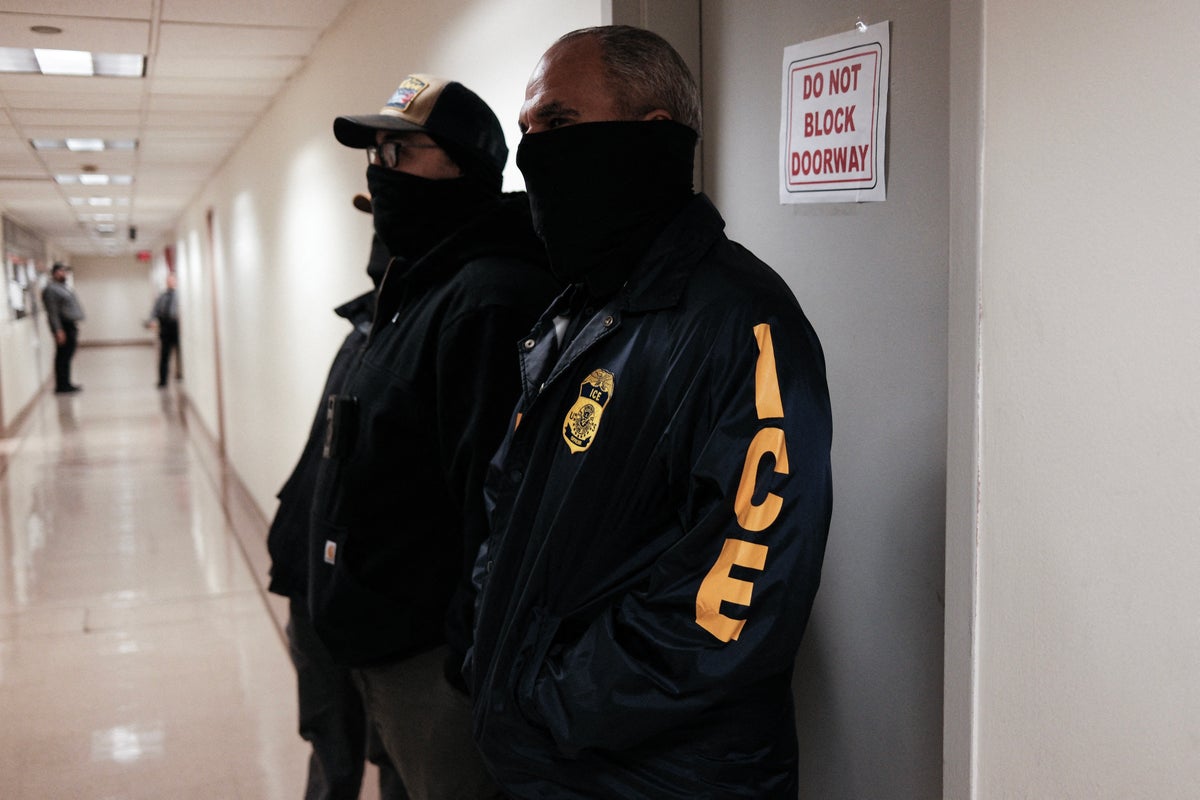
Trumps DOJ ramps up efforts to strip citizenship from naturalized Americans USCIS is sending over a team of our most skilled attorneys to boost the Justice Departments denaturalization investigations
independent · 6 days ago
US says temporary visa holders should leave to apply for Green Cards Authorities say Green Cards from inside US are discretionary, not automatic rights.
aljazeera · 6 days ago

Trump is forcing green card applicants back to their home countries to wait for permanent residency New policy requires immigrants who are in the US temporarily to apply for permanent status outside of the country
independent · 6 days ago

IRS wants to store your biometric data for longer to help in its investigations New proposals would allow third-party contractor to hold onto U.S. taxpayers identifying information for up to three years after their accounts are closed, inviting privacy concerns
independent · 6 days ago

Spain to legalise over 500,000 undocumented migrants in plan to boost economy The Secretary of State for Migration revealed the state could handle up to one million applications
independent · 6 days ago