 Thursday, May 21Thursday, May 21
The "23_eu_unijnej_european_trillioneuro" initiative appears to refer to the European Union’s broader economic and strategic ambitions, particularly its 18-trillion-euro single market and associated funding mechanisms aimed at strengthening EU autonomy, competitiveness, and resilience. Below are the key points directly related to this topic:
Single Market and Economic Power
The EU’s single market, valued at 18 trillion euros, is positioned as a tool for global influence, with Ursula von der Leyen emphasizing its potential to set international standards. However, she stressed the need to remove persistent barriers, such as regulatory red tape, and integrate sustainability and social dimensions into competitiveness strategies. The goal is to complete the single market by accelerating the digital transition and ensuring social inclusion, though von der Leyen warned that sustained political will is required for success . Discussions also highlight the need to recast the single market to address the "permacrisis" era, suggesting structural reforms to enhance resilience .
Investment in Strategic Sectors
The EU is prioritizing defence and critical raw materials as part of its economic strategy. A recent agreement between the European Parliament and Council aims to boost defence capabilities, infrastructure, and industry, reflecting a push for greater EU autonomy in security . Meanwhile, the European Commission has framed access to critical raw materials as essential for long-term economic resilience, positioning it as a geopolitical priority to avoid future supply shocks .
Energy and Sustainability
While not directly tied to the 18-trillion-euro figure, energy efficiency and decarbonization are linked to the EU’s broader economic strategy. Schneider Electric has called for an EU-wide energy efficiency push, aligning with the bloc’s climate goals . However, internal resistance exists, as seen in Poland’s criticism of the EU Emissions Trading System (ETS) and calls for a referendum on climate policy, highlighting tensions over the economic costs of green transitions .
Funding Mechanisms and External Aid
The EU’s financial commitments, such as the €90 billion package for Ukraine, demonstrate its role in leveraging economic power for geopolitical influence. The first tranche of €3.2 billion under the Macro-Financial Assistance programme is set to be disbursed by June, contingent on Ukraine meeting specific conditions . While not explicitly tied to the 18-trillion-euro market, such funding reflects the EU’s broader economic leverage.
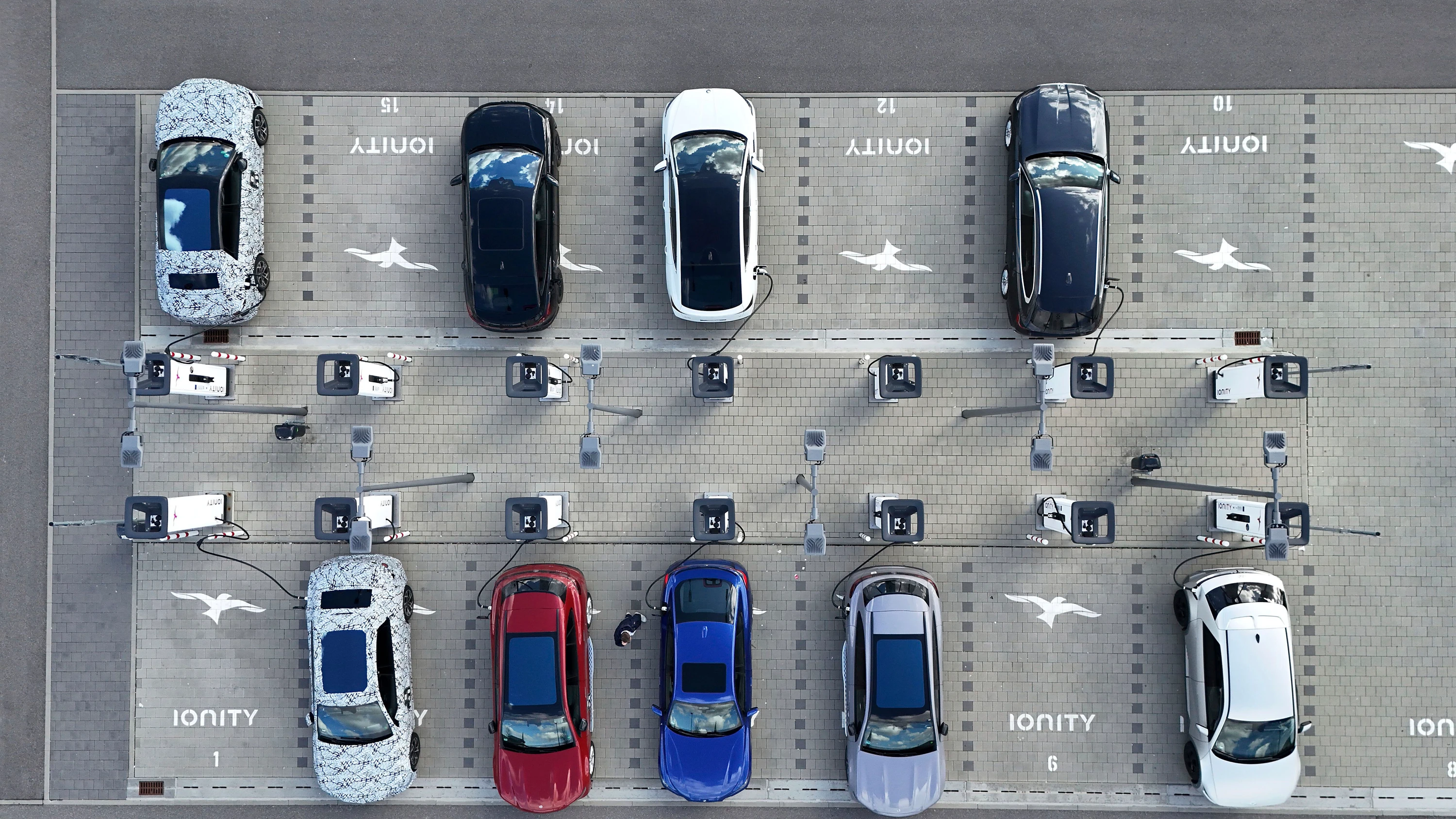
Energie: Wie viel CO₂ Elektroautos wirklich sparen Die Internationale Energieagentur sieht bis zum Jahr 2035 weiter steigende Emissionen aus dem Verkehr. Potentielle Einsparungen mit Elektroantrieb machen nur wenige Prozent der Emissionen auf der Welt aus.
faz · about 8 hours ago
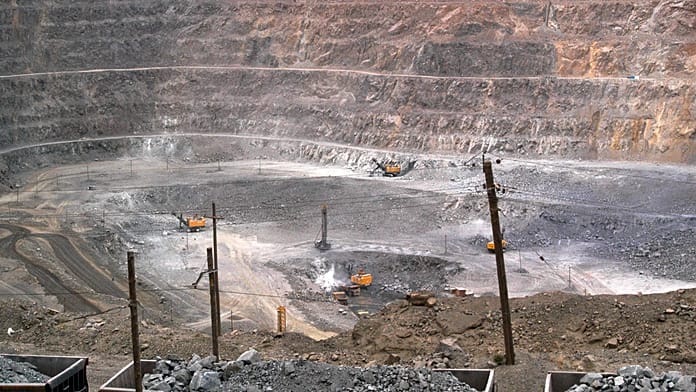
Global race for critical raw materials is about power, EU Commission says The European Commission official framed access to critical raw materials as a vital investment for long-term economic resilience, helping the European Union avoid future supply shocks.
euronews · about 9 hours ago

The European Commission signs the memorandum with Kyiv, with the first aid installment of €3.2 billion expected by the end of June The document sets out the conditions that Ukraine must meet in order to receive the first tranche of aid under the Macro-Financial Assistance programme, one of the funding channels comprising the €90 billion package approved in April
eunews.it · about 10 hours ago
Von der Leyen: Remove barriers and secure more trade deals; make the single market a tool for EU autonomy With 450 million people and an 18-trillion-euro market, Europe has the power to set global standards, said Ursula von der Leyen. The EU, however, must remove the barriers that persiste and incorporate sustainability and the social dimension into competitiveness
eunews.it · about 12 hours ago
Defence: European Parliament and EU Council agree on investment and permits The Cypriot Presidency of the European Council and the European Parliament have reached agreement on proposals contained in the package to boost the EUs defence capabilities, infrastructure, and industry, which was presented by the Commission last year.
eunews.it · about 12 hours ago
European Ethanol: New Market Benchmarks & Insights
gdeltproject.org · about 12 hours ago
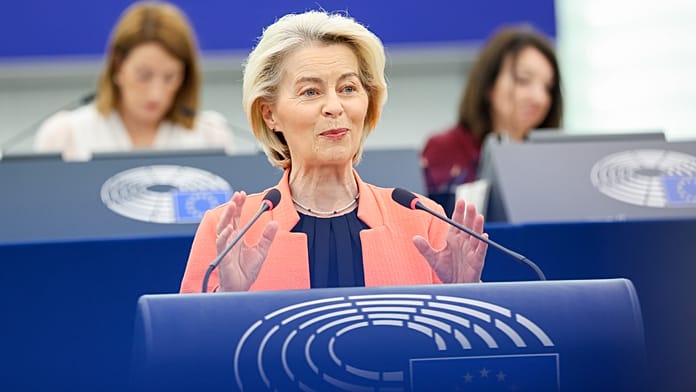
Von der Leyen calls for completing the European single market in EU parliament address Commission chief Ursula von der Leyen called for completing the European single market by cutting red tape, boosting the digital transition, and maintaining social inclusion. But she also warned that success still requires constant political will.
euronews · about 12 hours ago

Czarnek oświadczył von der Leyen: Nie akceptujemy waszej religii klimatycznej Poseł PiS skrytykował Europejski System Handlu Emisjami i jednocześnie podziękował Karolowi Nawrockiemu za to, że skierował do Senatu wniosek o przeprowadzenie referendum w sprawie unijnej polityki klimatycznej.
gazeta.pl · about 12 hours ago
European Parliament conference explains how Lithuania has achieved the EU?s fastest renewable electricity transformation
gdeltproject.org · about 13 hours ago
Recasting the EUs single market for the permacrisis era
gdeltproject.org · about 14 hours ago
Schneider Electric Calls for EU Energy Efficiency Push
gdeltproject.org · about 14 hours ago
MARS REINFORCES COMMITMENT TO EUROPEAN MANUFACTURING WITH £190 MILLION INVESTMENT IN HISTORIC UK CHOCOLATE FACTORY
gdeltproject.org · about 14 hours ago