 Sunday, June 7Sunday, June 7
The Dutch cabinet has struck a last-minute deal with the progressive party *Progressief Nederland* to secure €1.3 billion in additional funding for international development cooperation, averting a budget crisis that threatened to slash aid programs by up to 40%. The agreement, finalized on Wednesday, reallocates funds originally earmarked for future years, ensuring that development projects—including emergency humanitarian aid and long-term poverty reduction initiatives—will continue without interruption. The move comes after months of negotiations between coalition partners and opposition lawmakers, who warned that further cuts would undermine the Netherlands’ commitments to the UN Sustainable Development Goals.
Under the deal, the government will redirect €800 million from previously allocated reserves and an additional €500 million from unspent budget lines, including savings from delayed infrastructure projects. The funds will prioritize crisis response in conflict zones, where the Norwegian Refugee Council reports that millions of displaced people are being abandoned as global aid shifts toward military spending. “The world is failing crises that are not strategically important to powerful nations,” the council stated in a report published last week .
Critics, however, argue that the emergency funding is a temporary fix that masks deeper structural issues. Sarah Champion, chair of the UK’s International Development Committee, told parliament that the Dutch government’s response to aid spending concerns “does not fill me or my committee with confidence,” signaling broader skepticism about Europe’s commitment to development budgets amid rising domestic pressures . Meanwhile, Germany’s health minister, Nina Warken, has proposed raising €11 billion for its ailing long-term care system by increasing contributions from childless adults and high earners—a model some Dutch lawmakers privately admit could be a future template for balancing domestic welfare with international obligations .
The Dutch agreement also includes stricter transparency measures, requiring quarterly public reports on fund allocation. Progressief Nederland had threatened to block the budget entirely unless guarantees were made to protect the most vulnerable populations. “This is not just about money—it’s about credibility,” said a party spokesperson. The deal now awaits final approval in parliament, where it is expected to pass with a slim majority.
With global aid under strain from inflation, geopolitical tensions, and shifting donor priorities, the Netherlands’ decision may set a precedent for other European nations facing similar budgetary dilemmas. Yet the underlying question remains: as crises multiply and resources dwindle, will development cooperation be treated as a discretionary expense—or a moral obligation?

Milióny vysídlených ľudí čelia nezáujmu sveta, humanitárna pomoc opäť zlyháva Milióny vysídlených ľudí sú podľa Nórskej rady pre utečencov ponechané napospas osudu. Svet zlyháva pri krízach, ktoré nie sú strategicky dôležité pre mocných.
aktuality.sk · 3 days ago
Kabinet sluit deal met Progressief Nederland over extra geld voor ontwikkelingssamenwerking, begroting lijkt gered Om de begroting van Buitenlandse Handel en Ontwikkelingssamenwerking te redden, maakt de coalitie meer geld vrij voor ontwikkelingssamenwerking. Dat gebeurt onder meer door geld voor latere jaren naar voren te halen.
nrc · 3 days ago
Ebola-Ausbruch: Wer Entwicklungshilfe kürzt, gefährdet die globale Sicherheit Im Ostkongo breitet sich die Seuche immer weiter aus. Es fehlt an Medikamenten und Impfstoffen. Nicht nur die USA haben ihre Hilfe gekürzt, auch Deutschland.
die zeit · 3 days ago
I "figli boomerang" sono la nuova normalità. Ecco le regole la convivenza economica con i genitori Il 34 dei giovani adulti vive ancora a casa con i genitori, pur lavorando, per risparmiare per lacconto di una casa. Più del 40 torna a vivere in famiglia almeno una volta
corriere · 3 days ago

Minderausgaben und Mehreinnahmen: So will die Gesundheitsministerin die Pflegeversicherung retten Nina Warken plant mit höheren Finanzbeiträgen von Kinderlosen, gut verdienenden Versicherten und von den Arbeitgebern. Die Kassen sollen die Rentenbeiträge pflegender Angehöriger nicht mehr voll übernehmen.
faz · 3 days ago

Socialist vision to save the world from global warming by paying everyone 5,000 euros a month, halving working hours and telling them not to eat red meat is unveiled by academics A vision to tackle global warming with socialism by halving working hours and not eating red meat has been revealed by academics.
dailymail · 3 days ago
Dutch government prepares new household aid amid elevated inflation, fuel costs The Dutch government expects additional measures will be needed next year to help households cope with persistent inflation and rising fuel costs linked to
nltimes.nl · 3 days ago
Indonesien unter Prabowo Subianto: Gratisschulessen mit Kotzerei und mutmaßlicher Korruption Der Präsident gibt wachsendem Druck nach und feuert den Chef seines zentralen Regierungsprogramms für landesweites kostenloses Schulessen. mehr...
taz.de · 3 days ago
Kürzungen bei Forschungsgesellschaft: Rotstift bei Fraunhofer Bei der Fraunhofer-Gesellschaft sollen rund 1.200 Vollzeitstellen gestrichen werden. Grund für den Sparkurs sei ein Rückgang an Aufträgen. mehr...
taz.de · 3 days ago
Znepokojujúca správa o humanitárnej pomoci: Peniaze tečú do zbraní, nie k miliónom hladujúcich Milióny vysídlených ľudí sú podľa Nórskej rady pre utečencov ponechané napospas osudu. Svet zlyháva pri krízach, ktoré nie sú strategicky dôležité pre mocných.
aktuality.sk · 3 days ago
Om de aarde leefbaar te houden, moeten we veel minder gaan werken, zegt de Franse stereconoom Piketty Zijn in het jaar 2100 de ongelijkheid én de klimaatverandering beteugeld? De Franse econoom Thomas Piketty rekende het door, en zegt met co-auteurs: ja, dat kan. Hij presenteert vergaande plannen voor een verbouwing van de wereldeconomie. „We móéten het hebben over alternatieve ontwikkelingsmodellen.
nrc · 3 days ago
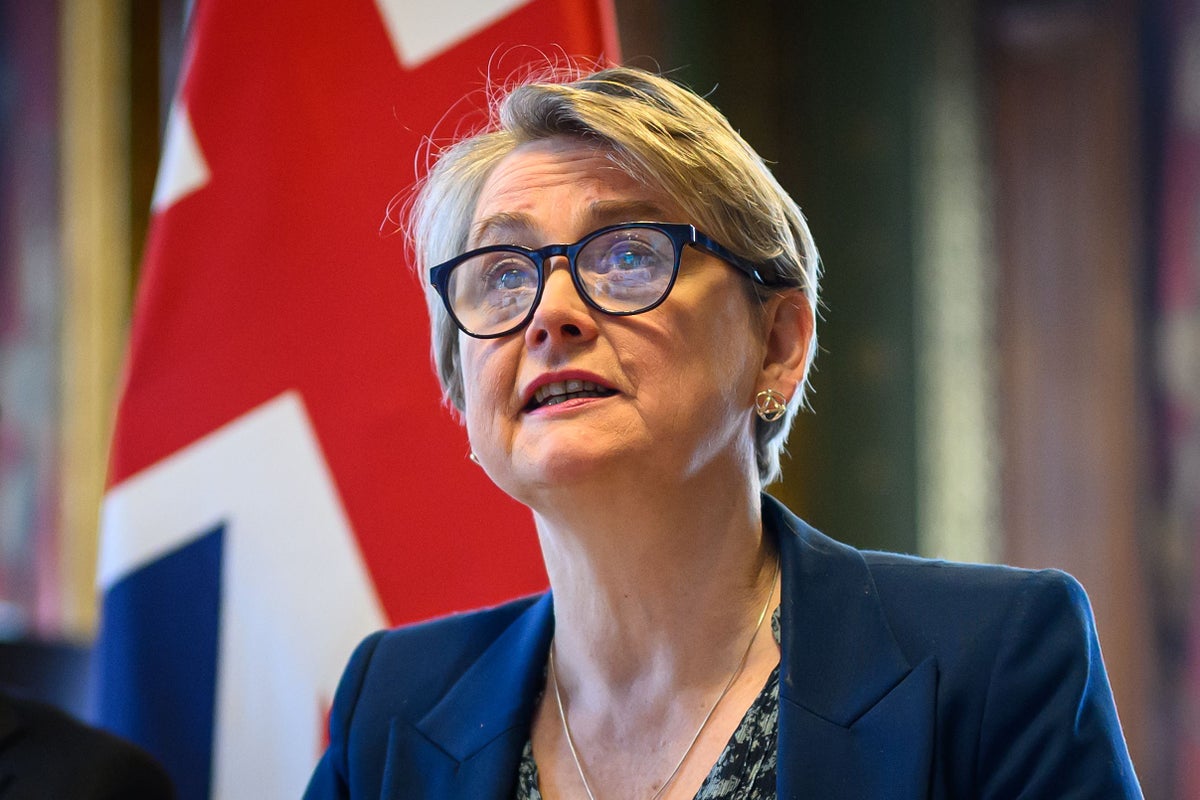
Government does not rule out further aid cuts in letter to parliamentary committee Sarah Champion, the chair of the International Development Committee, says response to letter seeking reassurance over aid spending does not fill me or my committee with confidence
independent · 3 days ago
Rescue Board planning €1.3 million worth of crisis preparedness campaigns The Estonian Rescue Board plans to spend €1.3 million over the next two years on campaigns aimed at improving peoples crisis preparedness and encouraging safe, sustainable behavior related to water and fire safety.
news.err · 3 days ago

Újabb tucatnyi politikust gyanúsítottak meg az önkormányzati kenőpénzbotrányban, Őrsi Gergelyt is letartóztathatják Az ügyészség megalapozott gyanúja szerint egy vállalkozó 2011 és 2024 között több mint 2 milliárd forintot fizetett ki kormánypárti és ellenzéki képviselőknek, hogy a cégei szerződéshez juthassanak, és minél jobb feltételekkel meg is tarthassák azokat. Az ügyben már harminckét gyanúsított van, Őrsi Gergelyt, a II. kerület polgármesterét is letartóztathatják.
hvg.hu · 3 days ago

Jai dû exporter mon père Face à des coûts de santé exorbitants aux États-Unis et à la fermeture de nombreuses maisons de retraite, de plus en plus de familles envoient leurs aînés à létranger. Anna De La Cruz a fait ce choix pour son père et sen explique sur Slate.
courrier international · 3 days ago
Reformen: CDU-Generalsekretär Linnemann fordert Ministerien zum Sparen auf Die Bundesministerien könnten laut Linnemann drei Prozent ihres Etats einsparen. Um die geplanten Reformen voranzubringen, soll auch weniger öffentlich gestritten werden.
die zeit · 3 days ago

Warkens nächster Aufschlag: Das ändert sich in der Pflege Die Gesundheitsministerin will 2027 in der Pflegeversicherung elf Milliarden Euro mobilisieren, um das Defizit auszugleichen sowie die Betreuung und Prävention zu verbessern. Die Beitragssätze steigen für Kinderlose, auch deren Familien müssen sich auf Abstriche gefasst machen.
faz · 3 days ago
Happiness is not just about GDP: ambitious plan or utopia? Some will question its credibility – but the alternative future to the one imagined in the World Justice Report is far more bleakAn equal and habitable world is possible: academics set out sweeping vision for planetary survivalIn our increasingly dystopian world, who wouldnt want to at least be open to a utopian antidote? The World Justice Report, published on Thursday, outlines how to build a prosperous, equitable world within safe planetary boundaries. Its a push from the modern eco-socialist left in a global battle for ideas that will shape the future.Based on past social achievements and future energy transformation, it indicates that the overwhelming majority of people on the planet could, by the end of the century, work less and earn more – while keeping temperatures down and avoiding much of the current destruction of nature. It is an ambitious, comprehensive and upbeat plan, and a stronger argument around which to build a political campaign than abstract goals of net zero or decarbonisation. Continue reading...
theguardian · 3 days ago
Apoios para pessoas com deficiência: Governo atribui verba inferior à que foi necessária em 2025 Governo atribui 39,7 milhões de euros para financiar produtos de apoio para pessoas com deficiência ou incapacidades temporárias, quando no total do ano passado a verba ascendeu a 46 milhões.
publico · 3 days ago
Ministra critica Fernando Araújo e a reforma do SNS mas promete contas certas até 2029 Ana Paula Martins diz que o anterior director executivo bateu com a porta porque quis e não ficou para assumir as consequências da reforma que fez. Taxa para o INEM via seguros não vai aumentar.
publico · 3 days ago