
Heat wave forces cancellations of Fourth of July events across US
Story Timeline
2 months · 3 summary articles
Trump defiant in Independence Day address as storms force evacuation of National Mall spectators
Trump delivers delayed Independence Day speech to reduced crowd after storms force evacuation
Heat wave forces cancellations of Fourth of July events across US
A historic heat wave scorched the eastern United States on Friday, forcing the cancellation of dozens of Fourth of July celebrations just as the nation prepared to mark its 250th anniversary. Temperatures soared past 40°C in cities from New York to Philadelphia, straining power grids and sending hundreds to medical tents with heat-related illnesses. Yet President Donald Trump pressed ahead with his own spectacle, delivering a combative speech at Mount Rushmore Friday night and vowing to stage what he called “the most spectacular TRUMP RALLY of them all” in Washington on Saturday evening.
The cancellations underscored the collision of climate, politics, and national commemoration. Philadelphia scrapped its “Salute to Independence Semiquincentennial” parade, Washington DC postponed its morning festivities, and the Great American State Fair on the National Mall was shuttered for hours after multiple attendees required treatment for heat exhaustion. “Safety and well-being of guests, volunteers, artists, vendors, and staff is our absolute priority,” the Freedom 250 organizing committee said in a statement . The National Weather Service reported that more than 165 million Americans were under heat advisories Friday, with Washington DC itself recording its highest temperature in 154 years.
Trump, undeterred, framed the extreme conditions as a personal challenge. “It’s going to be about 107 degrees out, and I’m going to go out there and give a very long speech—just to show that I can do anything,” he told reporters earlier in the week . On Friday night, standing beneath the carved faces of former presidents at Mount Rushmore, he delivered a 45-minute address that pivoted from patriotic celebration to warnings about “a resurgence of the communist threat” and attacks on “our American identity.” He also criticized domestic “radicals and extremists,” though his immigration rhetoric remained less inflammatory than in past speeches .
The juxtaposition of Trump’s event with the canceled public celebrations highlighted the political fault lines surrounding the semiquincentennial. The bipartisan America250 commission had spent years planning events, but last year Trump issued an executive order transferring control of major festivities to his own “Freedom 250” committee. Several performers, including country star Martina McBride and the Commodores, withdrew from the Great American State Fair after its association with the president became clear . The fair, originally scheduled to feature live music, instead opened with Trump declaring himself “the Number One Attraction anywhere in the World.”
Across the country, local officials scrambled to adapt. New York City’s mayor canceled fireworks over the Hudson River, while Boston and other municipalities moved concerts indoors or to early morning hours. Utility companies warned of potential blackouts as air-conditioning demand surged. In Washington, the fire department treated at least a dozen people for heat-related symptoms at the fairgrounds before the site was temporarily closed .
As the sun set on Friday, the stage was set for a weekend of contrasts: a president doubling down on spectacle amid record heat, and a nation forced to celebrate its founding under conditions that tested both endurance and unity.
Follow us for live European news
- 3
- 2
- 2
- 2
- 2
- 2
- 1
- 1
- 1
- 1
- 1
- 1
1 further source not geolocated
Articles

Heat wave disrupts Fourth of July events across US, strains power grids A dangerous heat wave upended Fourth of July celebrations across swaths of the central and eastern U.S. on Friday, forcing officials in the nations capital and elsewhere to cancel or postpone dozens of parades, concerts and fireworks displays. Among the events disrupted by the sweltering heat was the Great American State Fair on the National […]
cyprus mail · about 2 months ago
Některé oslavy 250. výročí nezávislosti se v USA ruší kvůli vlně rekordních veder Spojené státy slaví 250 let nezávislosti. Zároveň ale bojují s rekordní vlnou veder, která zasáhla celý východ země. Washington překonal rekord starý 154 let, teplotu 38 stupňů Celsia hlásí i New York a Boston. Philadelphia kvůli horku zrušila největší slavnostní průvod v zemi a úřady varují před přetížením elektrické sítě. Slavnostní průvod i pouť všech států zrušil i Washington.
irozhlas.cz · about 2 months ago

Entre canicule, long discours et morceau de scène qui seffondre : Les festivités autour des 250 ans des USA créent encore la polémique Alors que les festivités sont à peine en train de débuter, un drame a été évité de justesse après quun morceau de scène sest effondré. ...
la libre · about 2 months ago

Trump lance les célébrations du 250e anniversaire des États-Unis, perturbées par une vague de chaleur historique Donald Trump a lancé vendredi soir les célébrations du 250e anniversaire des États-Unis au pied de lemblématique Mont Rushmore, alors quune vague de chaleur historique sest abattue depuis plusieurs jours sur lest du pays, perturbant les festivités.
courrier international · about 2 months ago
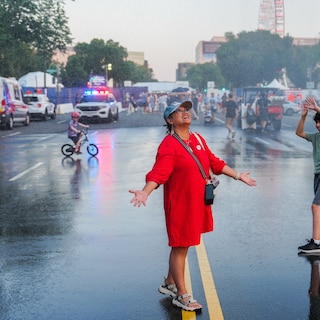
Live - Independence Day-parade afgeschaft en festivalterrein later open: ook evenementen rond 250 jaar Verenigde Staten lijden onder hitte
de morgen · about 2 months ago
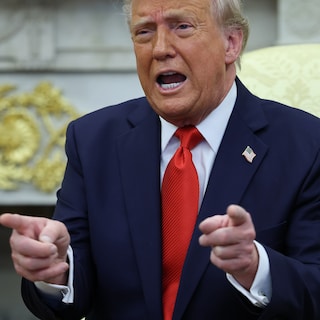
Vieringen 250e verjaardag VS aangepast vanwege hitte
trouw · about 2 months ago
+++ USA +++: Hitzewelle beeinträchtigt Feiern zum Unabhängigkeitstag in den USA US-Gericht – Regierung darf Migranten nicht unbegrenzt ohne Anhörung festhalten +++ US-Einwanderungsbehörde verzeichnet 10.000 Festnahmen in fünf Tagen +++ Der Newsblog.
handelsblatt · about 2 months ago
Dans le Pacifique, les îles américaines de Guam et Mariannes du Nord se préparent au passage du «super typhon» Bavi Se déplaçant vers lOuest, il a atteint le statut de super typhon ce samedi 4 juillet au matin, poussant les habitants des territoires insulaires, déjà durement éprouvés en avril par le super typhon Sinlaku, à se barricader.
liberation · about 2 months ago
America250: How the US heatwave will affect Fourth of July celebrations From Washington to LA, how plans to mark the United States 250th anniversary could be disrupted by extreme heat.
aljazeera · about 2 months ago

8h EUA. Calor cancela festejos dos 250 anos da Independência Trump promete o comício político "mais espetacular de sempre" em Washington. Ainda neste jornal, uma atualização dos incêndios que estão a atingir o país. Ainda o resumo do Argentina-Cabo Verde.
observador · about 2 months ago
USAs 250-årsdag rammet av hete – parader avlyst Feiringer av USAs 250-årsdag er avlyst i hovedstaden Washington D.C. og andre byer på grunn av ekstrem varme.
aftenposten · about 2 months ago
Hitze: Parade zum US-Unabhängigkeitstag abgesagt
orf.at · about 2 months ago
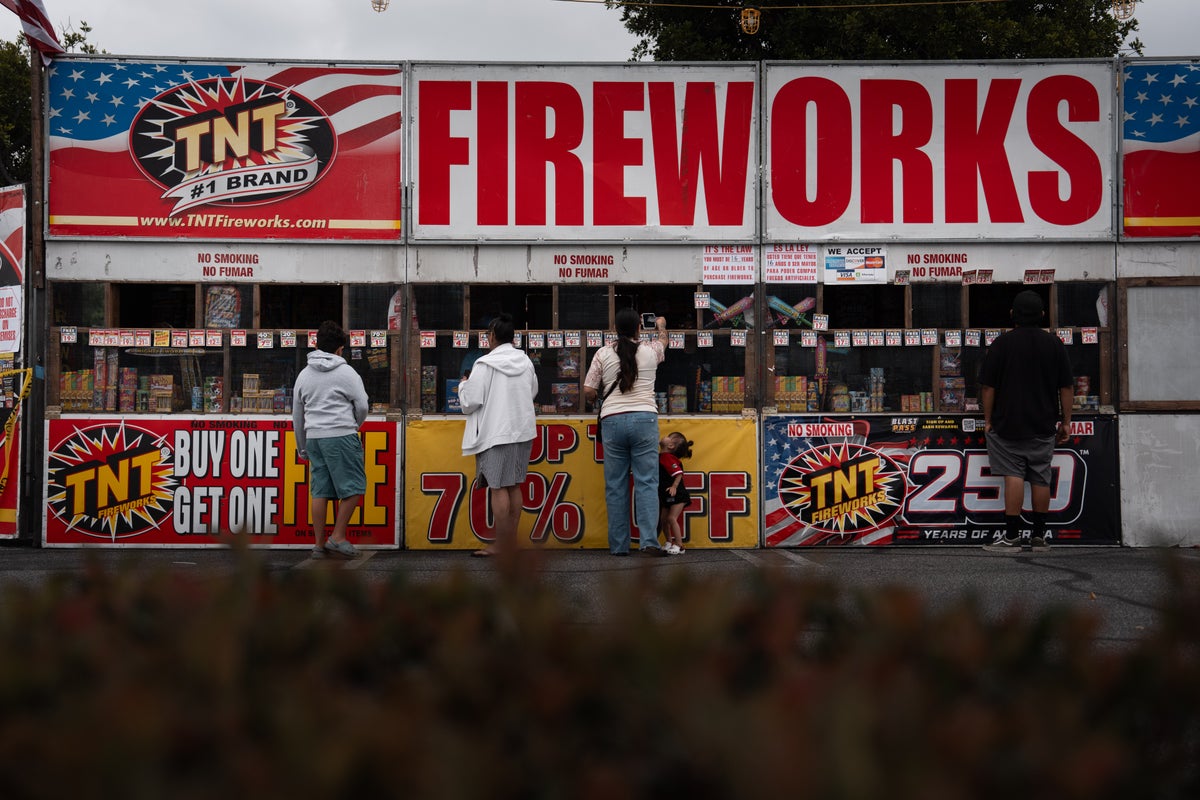
Bomb squad shows off power of fireworks in Fourth of July weekend warning A Florida bomb squad has demonstrated the power of fireworks as Americans gear up for Fourth of July celebrations.
independent · about 2 months ago
Evenimentele de Ziua Americii au fost anulate în Washington și mai multe regiuni din SUA din cauza temperaturii infernale Căldura extremă a perturbat petrecerile de 4 iulie în mai multe regiuni ale SUA, inclusiv prin anularea unei parade în Washington, DC, notează BBC.
digi24 · about 2 months ago
Extremhetta drabbar USA på självständighetsdagen USA:s 250-årsdag inträffar i samband med en rejäl värmebölja och varningar som omfattar 160 miljoner amerikaner.Larmen om extremhettan har vänt upp och ned på planerade parader och gatufester i städer och samhällen över stora delar av landet.
svenska dagbladet · about 2 months ago

Extremvärme hotar 4 juli-firanden President Donald Trumps dröm om att lördagen ska bli den mest spektakulära födelsedagsfesten kan gå i kras. En oinbjuden gäst har nämligen knackat på dörren – hettan. Flera evenemang har redan ställts in.
dagens nyheter · about 2 months ago
Grote delen van VS op Onafhankelijkheidsdag gebukt onder extreme hitte Een week na Europa gaat nu een groot deel van de VS gebukt onder een hittegolf. Op sommige plekken bereikt het kwik 46 graden. De hoge temperaturen hebben gevolgen voor de feestelijkheden die zijn gepland voor Onafhankelijkheidsdag.
nu.nl · about 2 months ago
Hitzewelle in den USA: Parade zum US-Unabhängigkeitstag wegen Hitze abgesagt Um die 40 Grad, kollabierende Besucher: Zum 250. Jahrestag der USA mussten mehrere Veranstaltungen in Washington abgesagt werden. Donald Trump will dennoch auftreten.
die zeit · about 2 months ago
Americanii sărbătoresc Ziua Independenței sub un val de caniculă. Parada din Philadelphia a fost anulată Donald Trump a deschis festivitățile de 4 iulie, Ziua Independentei în SUA, cu un discurs susținut la Muntele Rushmore, în timp ce autoritățile au anulat sau au amânat zeci de evenimente în mai multe orașe.
adevarul · about 2 months ago
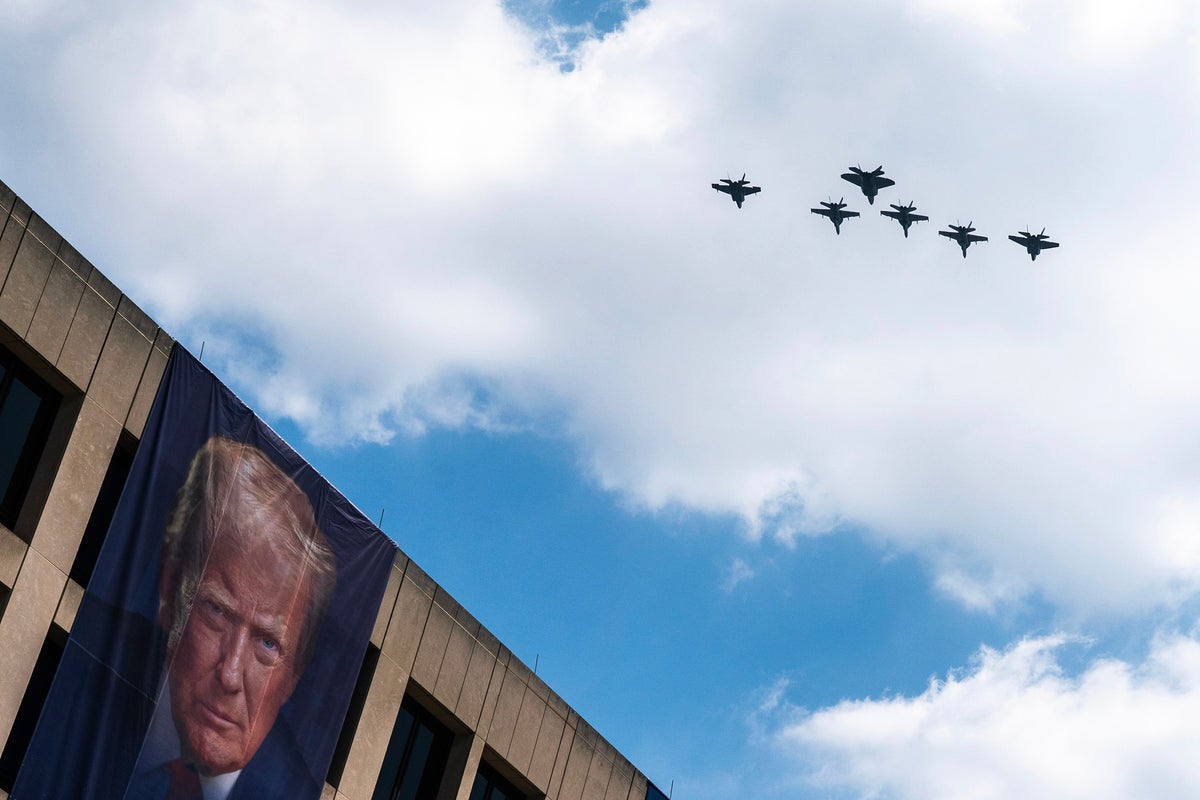
Fireworks, heat and politics: America celebrates its 250th birthday The 250th anniversary of American independence is colliding with political polarization and a heat wave as celebrations get underway across the United States on Saturday
independent · about 2 months ago
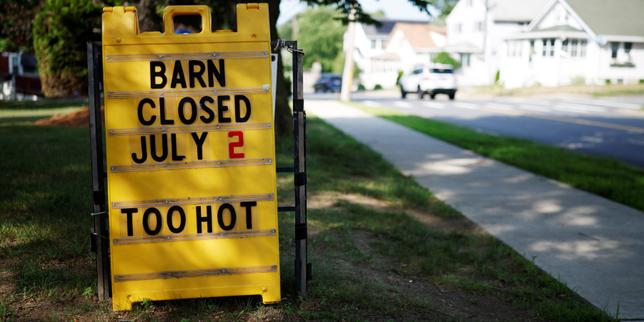
Aux Etats-Unis, une canicule exceptionnelle perturbe les 250 ans de lindépendance et la Coupe du monde de football La température a frôlé les 40 °C à New York, Philadelphie et Washington, jeudi et vendredi, entraînant de nombreuses coupures de courant et incitant les organisateurs à retarder le début des festivités du 4-Juillet.
le monde · about 2 months ago