 Thursday, May 21Thursday, May 21
The Ebola outbreak in the Democratic Republic of Congo (DRC), caused by the rare Bundibugyo strain, has escalated into a Public Health Emergency of International Concern (PHEIC), with at least 139 deaths and nearly 600 suspected cases reported as of May 2026. The outbreak, concentrated in the eastern Ituri and North Kivu provinces, has spread to neighboring Uganda, raising regional and global alarms . The Bundibugyo strain, first identified in Uganda in 2007, has a fatality rate of up to 50% and currently lacks an approved vaccine or treatment .
Vaccine Development and Challenges Efforts to develop a vaccine for the Bundibugyo strain are underway, but experts warn it may take six to nine months to produce an effective candidate. The World Health Organization (WHO) has confirmed that two experimental vaccines are in development, though neither has been approved for use. The absence of a vaccine complicates containment efforts, particularly in densely populated and politically unstable regions . WHO advisor Vasee Moorthy emphasized the urgency of accelerating research, noting that the strain’s high fatality rate and lack of immunity in affected populations heighten the risk of rapid transmission .
Global and U.S. Response The outbreak has exposed gaps in global health infrastructure, particularly in the wake of U.S. funding cuts and policy shifts. Critics argue that the Trump administration’s dismantling of USAID, withdrawal from the WHO, and reductions in CDC staffing have weakened international response capabilities. While the U.S. has deployed 130 CDC staff to Uganda and the DRC and funded 50 frontline treatment clinics, public health experts warn that long-term underfunding has left the region vulnerable. Former CDC director Tom Frieden described the situation as a "1-2-3 punch" to global health architecture, noting that delays in detection and response allow the virus to outpace containment efforts .
Operational Challenges on the Ground First responders in the DRC report severe shortages of basic supplies, including protective equipment and diagnostics, hindering their ability to contain the outbreak. The International Rescue Committee has warned that funding cuts since 2025 have left surveillance systems struggling to keep up with transmission, with cases likely underreported for weeks . Community distrust and cultural resistance to burial practices further complicate efforts, as seen in previous outbreaks where superspreader events exacerbated transmission .
International Cooperation and Travel Restrictions The WHO has opposed travel bans, arguing they disrupt aid efforts and stigmatize affected regions. However, the U.S. has imposed restrictions on non-citizens traveling from the DRC, Uganda, and South Sudan, reflecting broader tensions over pandemic preparedness. WHO Director-General Tedros Adhanom Ghebreyesus defended the organization’s response, emphasizing that local governments bear primary responsibility for disease tracking, while the WHO provides technical support . The outbreak has also prompted cancellations of major events, including the DRC’s World Cup training camp in Kinshasa, highlighting the economic and social disruptions caused by the crisis .
Broader Implications for Pandemic Preparedness The outbreak, alongside a concurrent hantavirus outbreak, has reignited debates about global readiness for emerging pathogens. Experts warn that surveillance gaps, delayed responses, and funding shortfalls could lead to catastrophic outcomes in future pandemics. The Elders, a group of former world leaders, recently conducted a simulated pandemic exercise in Kenya, revealing critical weaknesses in coordination and rapid response mechanisms . The Bundibugyo strain’s emergence underscores the need for proactive vaccine development and sustained investment in global health security .
> Background: **WHO declares DRC Ebola outbreak a global health emergency amid rising cases.** — *13 hours ago*
More LFE coverage on this topic

Ebola outbreak raises alarms about Trumps global health moves The U.S. response to the Ebola outbreak is drawing new warnings from public health experts about the impact of the Trump administrations global health policies, including the dismantlement of USAID and its withdrawal from the World Health Organization.Why it matters: While officials are rushing to get resources to stricken parts of Africa, infectious disease experts fear the administrations other actions are weakening critical networks needed for a rapid response in a densely populated, politically unstable part of the world. Theyre also worried that the impact of those changes — along with cuts to the Centers for Disease Control and Prevention — might not end with the Ebola outbreak.They point to a planned overhaul of the Presidents Emergency Plan for AIDS Relief that would reduce the CDCs role in the global HIV program.Driving the news: The Ebola outbreak — which has resulted in almost 600 suspected cases and 139 deaths — is already increasing tensions between the U.S. and WHO. WHO director general Tedros Adhanom Ghebreyesus defended the Ebola response on Wednesday after Secretary of State Marco Rubio told reporters on Tuesday that the global health organization was a little late identifying the virus.Tedros said the comments may have been due to a lack of understanding about how the WHO works, noting that the organization provides technical support to government health agencies that are responsible for disease tracking.WHO officials also said countries should focus on public health measures like contact tracing instead of travel bans like the U.S. imposed this week on non-citizens who have been in the Democratic Republic of Congo, Uganda or South Sudan in the previous 21 days.Between the lines: Infectious disease experts say an effective response goes beyond shipping protective equipment and building isolation facilities. They say its also important to build trust with stricken communities and convince residents to do things like changing burial practices to avoid superspreader events.You need meticulous bread-and-butter public health, former CDC director Tom Frieden, who led the agency during the 2014–2016 Ebola outbreak in Africa, said Wednesday during a MedPage Today webinar. Every hour of delay allows the virus to get ahead of us.While Frieden said it was simplistic to tie Trump administration actions to late detection of the virus, he said the dismantlement of USAID, the withdrawal from the WHO and deep cuts to CDC staff delivered a 1-2-3 punch to global health architecture.Some critics suggested the administration is doing 11th-hour face-saving after hollowing out agencies that deliver international aid and cutting budgets.The International Rescue Committee, a humanitarian aid organization, said the U.S. funded a wide range of range of preparedness measures in the Democratic Republic of Congo before 2025, including treatment for communicable and non-communicable diseases. Funding cuts have left the region dangerously exposed, Heather Reoch Kerr, the groups country director for the DRC, said in a statement.The sharp rise in reported cases over the last few days reflects the reality that surveillance systems are now catching up with transmission that has likely been occurring for some time.The other side: The Trump administration says it has built a robust system of screening and monitoring for the virus since the 2014 outbreak and has partnerships on the ground that are having a multiplier effect.Its funding up to 50 frontline treatment clinics and surging the delivery of protective equipment and diagnostics. The CDC also has about 130 staff in Uganda and Congo aiding in the response.The agency is working with international partners and ministries of health on this evolving situation and is supporting response efforts through its country offices in the DRC and Uganda, Department of Health and Human Services spokesperson Andrew Nixon said in a statement. What were watching: Whether the unfolding crisis strengthens international cooperation on infectious disease outbreaks.In the afflicted areas, were also watching whether the fear of contracting Ebola keeps people from going to clinics and shuts down local health systems. Frieden noted that this happened during the 2014 outbreak and resulted in many malaria deaths.
axios · about 3 hours ago

Ebola outbreak: Inside one of DR Congos hardest hit villages The head of the World Health Organization warns the Ebola outbreak poses a high risk nationally and across the region, though the global risk remains low. So far 51 cases have been confirmed in the Democratic Republic of the Congo, in the northern provinces of Ituri and North Kivu - and officials expect that number to rise. In one of the hardest hit towns, grieving families are saying goodbye to loved ones.
france24 · about 3 hours ago
Ebola outbreak: When will a vaccine be developed for the new strain? The Bundibugyo strain of Ebola has a fatality rate of up to 50 percent and no approved vaccine as yet.
aljazeera · about 3 hours ago
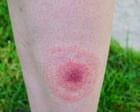
Lyme disease cases in England rise by more than 20 in a year Scientists developing vaccines and anti-tick treatments amid growing concern over spread of diseaseCases of Lyme disease have risen more than 20 in England in the past year, public health experts have revealed, as pharmaceutical companies work to create new vaccines and drugs to tackle the tick-borne illness.According to data from the UK Health Security Agency (UKHSA), published as part of its One Health vector-borne disease surveillance report, there were 1,168 laboratory-confirmed cases of Lyme disease in 2025, up from 959 in 2024 – an increase of 22. However, the figure is similar to that recorded in 2023, when there were 1,151 confirmed cases. Continue reading...
theguardian · about 3 hours ago

Hard hats, AI and a fake pandemic: the group of former world leaders practising to save the world With uncanny timing amid hantavirus and Ebola outbreaks, a group set up by Nelson Mandela known as The Elders, met in Kenya to model a health emergency – and found much still needs to be doneA dozen people sat around a boardroom table at the emergency hub of the World Health Organization (WHO) just outside Nairobi on Thursday, their eyes glued to an animated presentation on a screen.Health workers in eastern Chad have reported several deaths among patients with respiratory failure, they are told. Initial samples suggest a novel variant of bird flu, but confirmation requires sending samples to a foreign laboratory. International health regulations require notification within 24 hours of assessment, but Chads government is hesitant to notify the WHO, fearing economic repercussions and stigma. Continue reading...
theguardian · about 3 hours ago
What Ebola and hantavirus are revealing about Americas public health system Public health experts say neither virus poses an immediate threat to most Americans. But the trust deficit the viruses are exposing could be catastrophic when crisis arrives.
politico.eu · about 3 hours ago
Ebola returns: How to fight outbreak amid defunding of global health? Can border walls keep out pandemics? The World Health Organization is officially branding the Ebola outbreak in eastern DR Congo a public health emergency of international concern. As the death toll from the rare strain climbs, so does the number of contact cases. Ituri province may seem remote on a map, but nowheres very far in a globalised world.
france24 · about 4 hours ago
DR Congo cancel World Cup training camp in Kinshasa over Ebola outbreak DRCs public sendoff in the capital was also cancelled before their departure for the FIFA World Cup.
aljazeera · about 4 hours ago
Ebola vaccine may take up to nine months to develop It can take up to nine months to develop a vaccine against the Bundibugyo Ebola variant currently in outbreak in the DR Congo. According to WHO advisor Vasee Moorthy, there are no approved treatments or vaccines for this variant, which is believed to have killed over 130 people. Two candidate vaccines are under development, but […]
cphpost · about 8 hours ago

The Ebola and hantavirus outbreaks warn us we must be better prepared if we are to prevent the next pandemic | Helen Clark Surveillance that misses a haemorrhagic fever or fails to consider endemic risks at a departure port will be blind to something far more dangerousVaccine to tackle Ebola outbreak will take six to nine months, WHO saysTwo rare disease outbreaks within two weeks – Andes hantavirus and Bundibugyo Ebola – have caused deaths and triggered costly international responses. Together they expose a gap not in our ability to respond, but in our willingness to anticipate, prevent and use precaution.The hantavirus outbreak on a cruise expedition in the south Atlantic played out slowly. Three weeks passed between the death of one passenger on 11 April and the linkage to hantavirus on 2 May. In that time, passengers onboard the MV Hondius continued their itinerary, having been advised that the man had probably died of natural causes. They toured remote islands and ate together at the same tables. More than 30 passengers disembarked at St Helena and flew in different directions. Continue reading...
theguardian · about 12 hours ago
Congos Ebola responders decry lack of supplies In tonights edition, first responders to DR Congos Ebola outbreak say that theyre struggling to source the basic supplies they need. And Kenyan campaigners give their government an ultimatum to deliver on promises to bring down the number of femicides.
france24 · about 14 hours ago
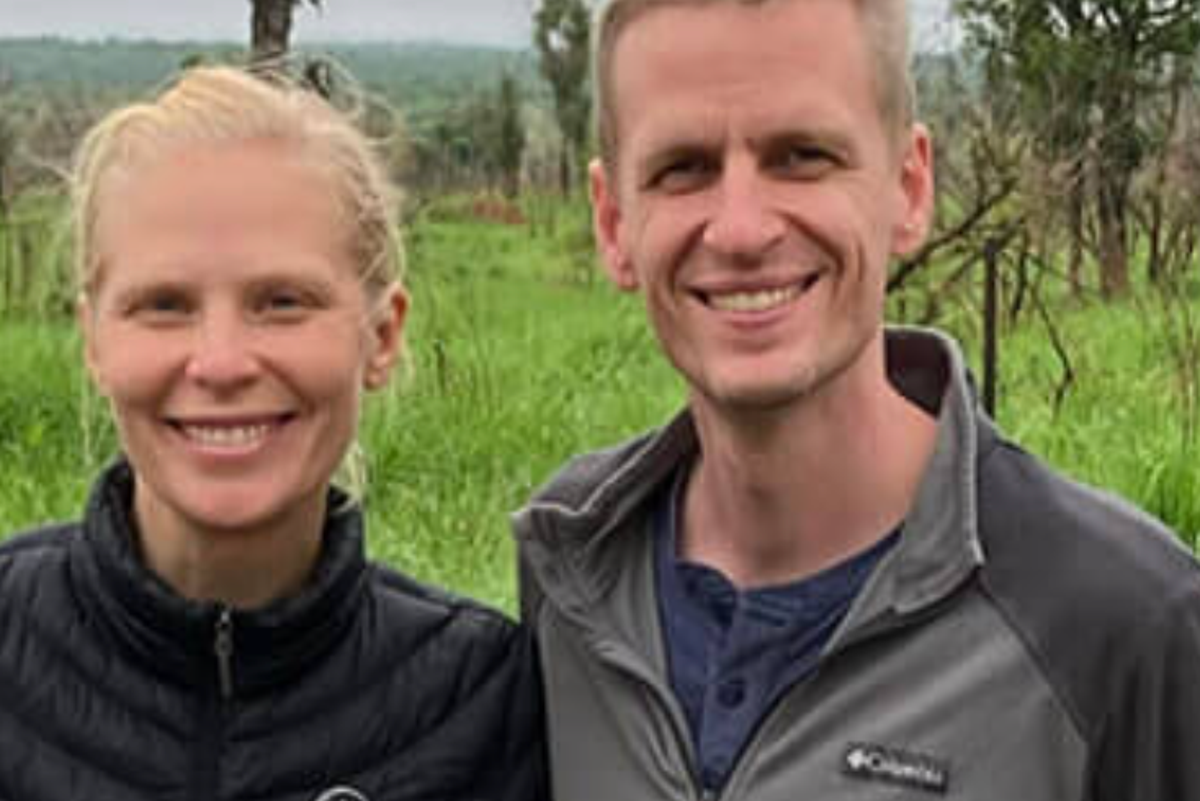
White House denies it resisted letting American doctor infected with ebola return to US for treatment Dr Peter Stafford is currently undergoing care in Germany after testing positive for an Ebola virus that does not have a vaccine
independent · about 15 hours ago