
Berlin unveils crisis plan after January blackout exposed systemic failures
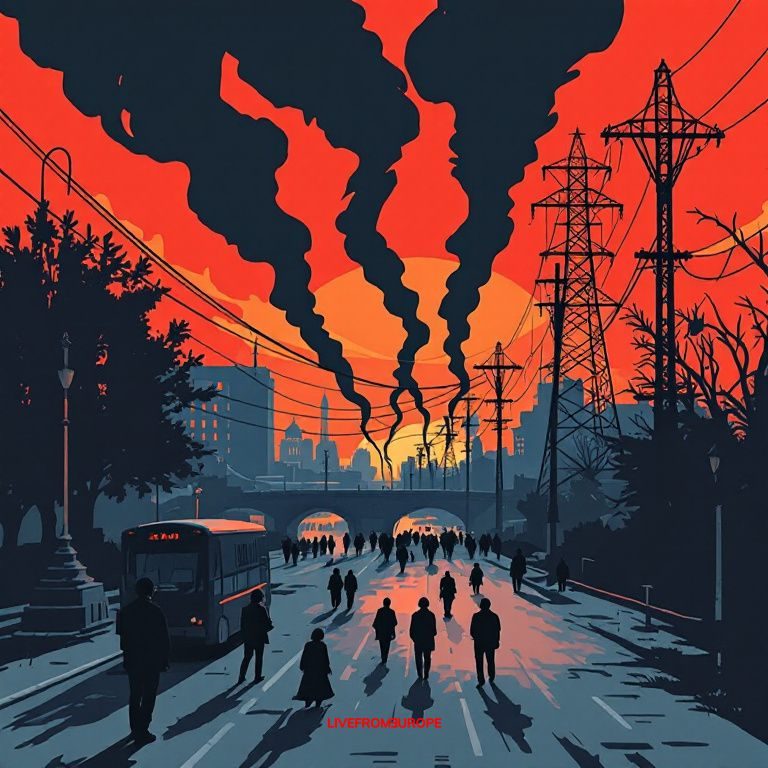
Berlin’s crisis preparedness under scrutiny after January blackout exposed systemic failures
A 150-point action plan to make Berlin resilient to ten-day blackouts by 2029 was unveiled in the city hall on Monday, as an independent commission delivered its damning verdict on the capital’s handling of the January 2026 terror attack that left up to 100,000 people without power and heating for days. The report, presented to Mayor Kai Wegner at the Rotes Rathaus, brands the January blackout—caused by a suspected left-wing extremist assault on a cable bridge at the Teltowkanal—as a “wake-up call” that Berlin was dangerously unprepared.
“This power failure was a wake-up call that has already improved things and will continue to do so,” Albrecht Broemme, the former federal disaster relief president and commission member, told reporters. Broemme, often described as Berlin’s unofficial top crisis manager, said the attack had revealed “a whole series of weaknesses,” from patchy public warnings to crippled emergency power supplies. “Even the last grumbler now understands they are part of the resilience strategy,” he added.
The 49-page document, compiled by Broemme alongside Charité chief Heyo Kroemer, former Deutsche Bahn executive Sigrid Nikutta and retired general Uwe Nerger, calls for a permanent crisis and emergency centre to link all Berlin and federal agencies, plus the creation of a Chief Resilience Officer at state-secretary level within the Senate Chancellery. It also demands far more frequent drills and a single, reliable alert system—Cell Broadcast failed repeatedly during the blackout, while loudspeaker warnings were only in German and social media was flooded with disinformation, including the false claim that THW emergency generators had been sent to Ukraine.
The commission sets a 2029 deadline for all critical actors—hospitals, care homes, utilities—to maintain core functions for ten consecutive days without outside help. In the January crisis, more than 70 care facilities and thousands of elderly residents were left exposed because no vulnerable-person database existed. “The situation pushed Berlin to its limits,” the report states.
The timing could hardly be more pointed: Wegner, who faced criticism for playing tennis during the blackout, now insists the city will become a “model of crisis resilience.” Yet the same day, the Senate also heard that the transport sector is grappling with its own fragility. “Latvijas Sabiedriskais autobuss,” the state-owned bus operator in Riga, cancelled 101 trips since Friday—31 on Monday alone—after 15 drivers simultaneously called in sick, slashing its roster from 270 to just 108. Ivo Ošenieks, president of the Latvian Passenger Transport Association, warned that mass cancellations “send a terrible message” about public transport’s reliability. “Fines won’t solve this,” he told Latvian Radio. The Road Transport Directorate has been asked for an urgent explanation.
Across Europe, infrastructure incidents underscored the same theme. In Tilburg, a widespread power cut was traced not to grid overload but to a mis-set meter that falsely reported five times the actual load, triggering a precautionary shutdown for 18,000 customers . Meanwhile, Romania’s A10 Sebeș–Turda motorway will close a 17-kilometre section from Tuesday after a landslip destroyed guardrails and buckled the carriageway near kilometre 66+400 .
Follow us for live European news
- 4
- 3
- 2
- 1
- 1
- 1
- 1
- 1
- 1
- 1
- 1
- 1
- 1
3 further sources not geolocated
Articles

Warsaw-Tallinn bus that also carried Latvian passengers crashes into a ditch in Lithuania - The Baltic Times TALLINN - Early Monday morning, a Flixbus coach operating on the Warsaw-Tallinn route, which also carried Latvian passengers, crashed into a dit......
baltic times · about 2 hours ago
Eishalle im Saastal VS – Abstimmungs-Nein: Wird geplante neue Eishalle nun zur Bauruine? Rund 60 Prozent sagen Nein: Die Zukunft der fast fertigen Eishalle im Walliser Saastal ist ungewiss.
srf.ch · about 2 hours ago
Drei-Stunden-Regel: Längere Sonntagsarbeit für Bäcker: Gewerkschaft besorgt Sonntags Brötchen beim Bäcker holen - für viele Menschen ist das selbstverständlich. Für Bäcker aber ist das Sonntagsgeschäft kompliziert. Das soll sich ändern. Die Reaktionen sind unterschiedlich.
handelsblatt · about 2 hours ago
Elromlott az MR-gép a szolnoki Hetényi Géza Kórházban A meghibásodás miatt más kórházakba irányítják a betegeket.
hvg.hu · about 2 hours ago
Hoe de glastuinbouw veel problemen op het stroomnet kan oplossen. Mits ze nog even gas mogen blijven gebruiken Glastuinbouwers kunnen veel hulp bieden om krapte op het stroomnet te bestrijden. Netbeheerder Liander ziet kansen. Maar tuinders zitten in een spagaat. Ze worden geacht te verduurzamen en dan zou hun elektriciteitsgebruik de problemen op het elektriciteitsnet juist flink verérgeren. „De vraag is: welk probleem is nu het meest urgent?
nrc · about 2 hours ago
EU-Studie: Mehr als 900 obdach- und wohnungslose Menschen in Salzburg Die Dunkelziffer dürfte vor allem bei Frauen hoch sein. Die Landeshauptstadt ortet Handlungsbedarf
der standard · about 2 hours ago
Se închide circulația pe tronsonul Sebeș - Turda din Autostrada A10, după ce asfaltul s-a surpat. Ruta alternativă pentru şoferi Începând de marţi, 7 iulie, se închide circulația pe tronsonul Sebeș - Turda al Autostrăzii A10, unde asfaltul a cedat şi taluzul a luat-o la vale, cu tot cu parapetele de protecție. Până la finalizarea lucrărilor, traficul va fi deviat pe o rută ocolitoare.
adevarul · about 2 hours ago
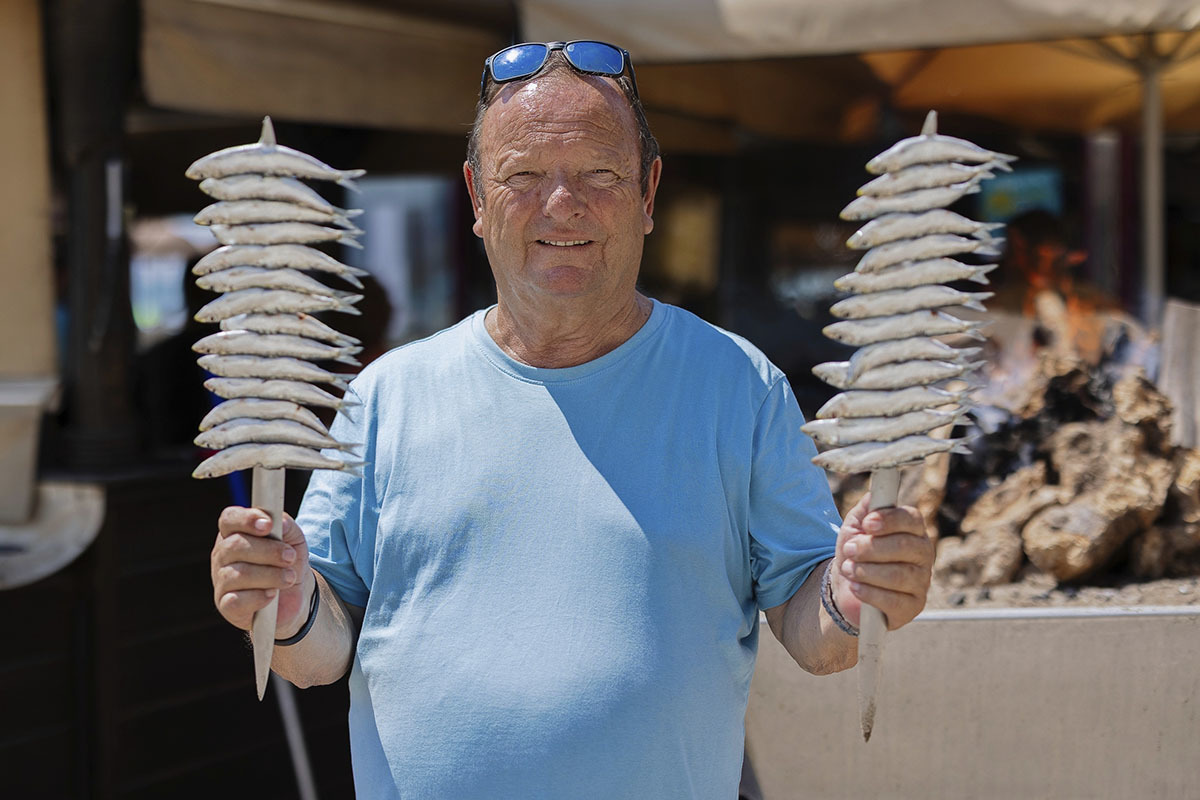
Chiringuiteros en pie de guerra contra las amenazas de cierre: "Vienen a por nosotros. Es imposible que acaben con esto, pero lo están intentando" Sentencias, reformas legales, licencias que no se renuevan... Una gran tormenta (de verano) llegada de Bruselas y Madrid amenaza a los chiringuitos. "Es muy fácil decidir desde un despacho, pero es imposible acabar con nosotros", dice Juan Manzano, dueño del chiringuito María de Málaga, uno de los más antiguos de España Leer
elmundo · about 2 hours ago

How Manchesters Bee Buses and Trams Helped Fuel Andy Burnhams Rise Andy Burnham brought Greater Manchesters public transit back under public control, making buses more frequent and capping fares.
new york times · about 2 hours ago
Ampel vor Berliner Club „Wilde Renate nicht wegen Juni-Hitze geschmolzen Die heißen Temperaturen Ende Juni beschädigten teilweise die Verkehrsinfrastruktur. Ein virales Video einer geschmolzenen Ampel in Berlin hat aber einen anderen Hintergrund.
correctiv faktencheck · about 2 hours ago
Many bus trips cancelled in Rīga vicinity More than 100 regional bus trips have been cancelled in the vicinity of Rīga over the past four days. Apparently, due to a shortage of drivers, the passenger transport company Latvijas Sabiedriskais autobuss is unable to operate these routes, Latvian Radio reports on July 6.
lsm latvia · about 2 hours ago

Crise no abastecimento de água deve estabilizar Vereador diz que o plano estratégico dos SMAS aponta para que o abastecimento de água em Almada melhore no primeiro trimestre de 2027
observador · about 2 hours ago
Stroomafsluiting Tilburg kwam door foutieve meter, niet door overbelasting De stroomafsluiting bij zon achttienduizend klanten in de regio Tilburg kwam zondag niet door werkelijke overbelasting van het elektriciteitsnet. Een meter gaf een veel te hoge belasting door, waardoor een middenspanningsstation uit voorzorg werd uitgeschakeld.
nu.nl · about 2 hours ago
Symbolisches Kreuzchen: U16-Wahl zum Berliner Abgeordnetenhaus am 11. September Berliner Jugendliche unter 16 Jahren können eigene Wahllokale organisieren, Stimmzettel drucken und mit Politikern diskutieren. Wie sie bei der symbolischen Wahl mitmachen können.
tagesspiegel · about 2 hours ago
„Wir halten an unseren Plänen fest: Berliner Linke will Streit über Enteignung juristisch ausfechten Seit dem Berliner Volksentscheid von 2021 setzt sich die Linke für die Enteignung von Immobilienkonzernen ein. Vom Bund will sie sich nicht stoppen lassen.
tagesspiegel · about 2 hours ago
Expertenbericht zum Blackout: „Berlin steht blank da – und ist nicht krisenfest Nach den Anschlägen auf das Berliner Stromnetz fällt eine Expertenkommission ein vernichtendes Urteil: Berlin steht im Katastrophenfall blank da und muss dringend nachrüsten.
tagesspiegel · about 2 hours ago
Jetzt entscheidet der Berliner Senat: Stoppt Bonde auch den Ausbau der Stummel-Fahrradstraße in Prenzlauer Berg? Der Zeitplan für den Weiterbau der Erich-Weinert-Straße steht fest. Der Bezirk verspricht eine mehrere Kilometer lange Fahrradstraße und nennt einen Termin – doch nun geht es ums Geld.
tagesspiegel · about 2 hours ago
Finanznot der Kommunen: Städte fordern mit Blaulichtfahrzeugen in Berlin Soforthilfe Achtung, auf Berlin rollt eine Protest-Kolonne aus NRW zu. Was ein Aktionsbündnis mit der Fahrt vor Kanzleramt und Bundestag erreichen will.
tagesspiegel · about 2 hours ago
Beschädigte Leitung: Berliner Feuerwehr evakuiert mehrere Häuser nach Gasaustritt In einem Geschäftsgebäude am Kurfürstendamm ist Gas ausgetreten. Die Feuerwehr evakuierte daraufhin mehrere Häuser.
tagesspiegel · about 2 hours ago
Bauarbeiten in der Charlottenstraße: Drei Wochen keine Trams im Potsdamer Westen Ab dem 13. Juli wird der Tramverkehr unterbrochen. Fahrgäste in Richtung Charlottenhof und Bahnhof Pirschheide sollen Ersatzbusse nutzen.
tagesspiegel · about 2 hours ago
Katastrophenschutz:: Experten: Berlin muss Katastrophenschutz deutlich stärken Nach dem mehrtägigen Stromausfall im Berliner Südwesten Anfang des Jahres sehen Experten gravierende Schwächen im Katastrophenschutz. Was sie bemängeln und was sie vorschlagen.
handelsblatt · about 2 hours ago
Bilanz der Fashion Week Berlin: Schluss mit der Zurückhaltung Ein Zentrum hat die Berlin Fashion Week schon lange nicht mehr. Stattdessen ist die Mode überall in der Stadt zu sehen, etwa an diesen vier Präsentationen. mehr...
taz.de · about 2 hours ago
Cintorínska ulica v Nitre je úplne uzavretá, voda podmyla cestu, hrozí aj prepad vozovky Vážna porucha vodovodu v Nitre spôsobila podmytie vozovky. Mesto preto uzavrelo úsek až po autobusovú stanicu pre všetku dopravu.
aktuality.sk · about 2 hours ago
Flere skadede på legevakten enn vanlig i natt: – Utløst av lykkerus 48 pasienter kom til Oslo skadelegevakt mellom midnatt og klokka 07 natt til mandag.
aftenposten · about 2 hours ago
:format(jpg)/f.elconfidencial.com%2Foriginal%2F451%2Ff68%2F0c9%2F451f680c994bb41458fa93429d670cdc.jpg)
Los dos cambios importantes en los Sanfermines 2026: "Queda prohibido permanecer parado en el ruedo de la Plaza de Toros antes de la llegada de los toros" Las fiestas, que se celebran del 6 al 14 de julio, mantendrán su horario habitual, pero incorporan medidas que afectan directamente a la seguridad y a la organización de las carreras
el confidencial · about 2 hours ago
Sanierung der Stuttgarter Oper: Ausweichgebäude für Oper soll deutlich abgespeckt werden
die zeit · about 2 hours ago
Cable fire, repair failures keep Rotterdam–South line shut until at least 5 a.m. Tuesday Train service between Rotterdam and the southern Netherlands will remain suspended through
nltimes.nl · about 2 hours ago
Zevenbergen drug factory evacuated after suspected short-circuit, 15 workers treated A pharmaceutical factory in Zevenbergen was evacuated Monday afternoon after 15 workers developed headaches while producing medication.
nltimes.nl · about 2 hours ago
Tramvaje, popeláři i městské budovy. Liberec se rozhodl v rámci Smart City vše přestříkat načerveno Liberec chce do budoucna sjednotit barvu všech městských společností a příspěvkových organizací. Nově by měly mít jejich budovy, materiály nebo vozidla červenou barvu. Týká se to například technických služeb nebo dopravního podniku.
irozhlas.cz · about 2 hours ago

À Bruxelles, le bruit des chantiers, voitures, avions… impacte-t-il votre vie au quotidien ? La Libre recueille vos témoignages Les nuisances sonores que subissent les riverains et travailleurs constituent un sujet de discussion permanent à Bruxelles. Ces bruits, émis par les nombreux chantiers en cours, par les coups de klaxon, les voitures, les avions… impactent-ils votre vie au quotidien ? Votre avis nous intéresse. ...
la libre · about 2 hours ago