
Cuba suffers nationwide blackout as power grid suffers total disconnection
Cuba plunged into darkness for the third time this year on Monday after its national power grid suffered a “total disconnection,” leaving nearly 10 million people without electricity amid the island’s worst economic crisis in decades. The state-run Unión Eléctrica de Cuba (UNE) said the cause of the collapse was under investigation, but officials warned the outage would deepen shortages of fuel, food and medicine already crippling the country.
Technicians began restoring power late Monday, prioritising hospitals, water treatment plants and food production centres, but by late afternoon only 1% of Havana’s demand had been met. UNE confirmed on X that “a total disconnection of the National Electric Power System is occurring,” adding that updates would follow as the situation developed . Reuters reported that power restoration had started on 6 July, the day before the blackout was publicly confirmed .
The blackout comes as Cuba faces an electricity deficit of 1,955 megawatts, according to official figures, with daily outages averaging 20 hours. Chronic fuel shortages have crippled generation, forcing authorities to ration power with intentional blackouts that can last up to 70 hours in rural areas and 24 hours in Havana. Energy Minister Vicente de la O Levy said microsystems were already operating in parts of the country a few hours after the outage, but warned that “vital services continue to be protected, amidst this complex situation exacerbated by the energy blockade we face” .
Cuban officials blame Washington’s sanctions for the crisis. In January, President Donald Trump signed an executive order imposing tariffs on any country supplying oil to Cuba, effectively halting deliveries from Venezuela and pressuring Mexico to follow suit. The measures have restricted Cuba’s access to international credit and financing, compounding the difficulties in maintaining its aging power plants. Havana has accused Washington of waging economic warfare, while the White House says the sanctions are necessary to force political change on the island .
Residents described the ordeal as unbearable. A 60-year-old woman in Havana told local media: “The heat, the mosquitoes, it is simply unbearable. How long is this going to go on? To be honest, we can’t take it anymore” . Others reported that public transport had largely halted and tens of thousands of surgeries had been cancelled. A Russian tanker delivered 730,000 barrels of oil in late March, but supplies ran out by the end of April, leaving Cuba to produce only 40% of the fuel it needs.
The blackout is the eighth nationwide outage since October 2025 and the third this year. The previous island-wide failures occurred in mid-March and mid-May, while a mid-June outage affected the eastern provinces. UNE has not yet explained why Monday’s collapse occurred, but analysts warn that without urgent repairs to the grid and an end to fuel restrictions, further blackouts are inevitable. The United Nations has already warned of a deepening humanitarian crisis, with shortages of food, drinking water and medicine worsening across the island.
Follow us for live European news
- 2
- 1
- 1
- 1
- 1
- 1
- 1
- 1
- 1
- 1
- 1
3 further sources not geolocated
Articles
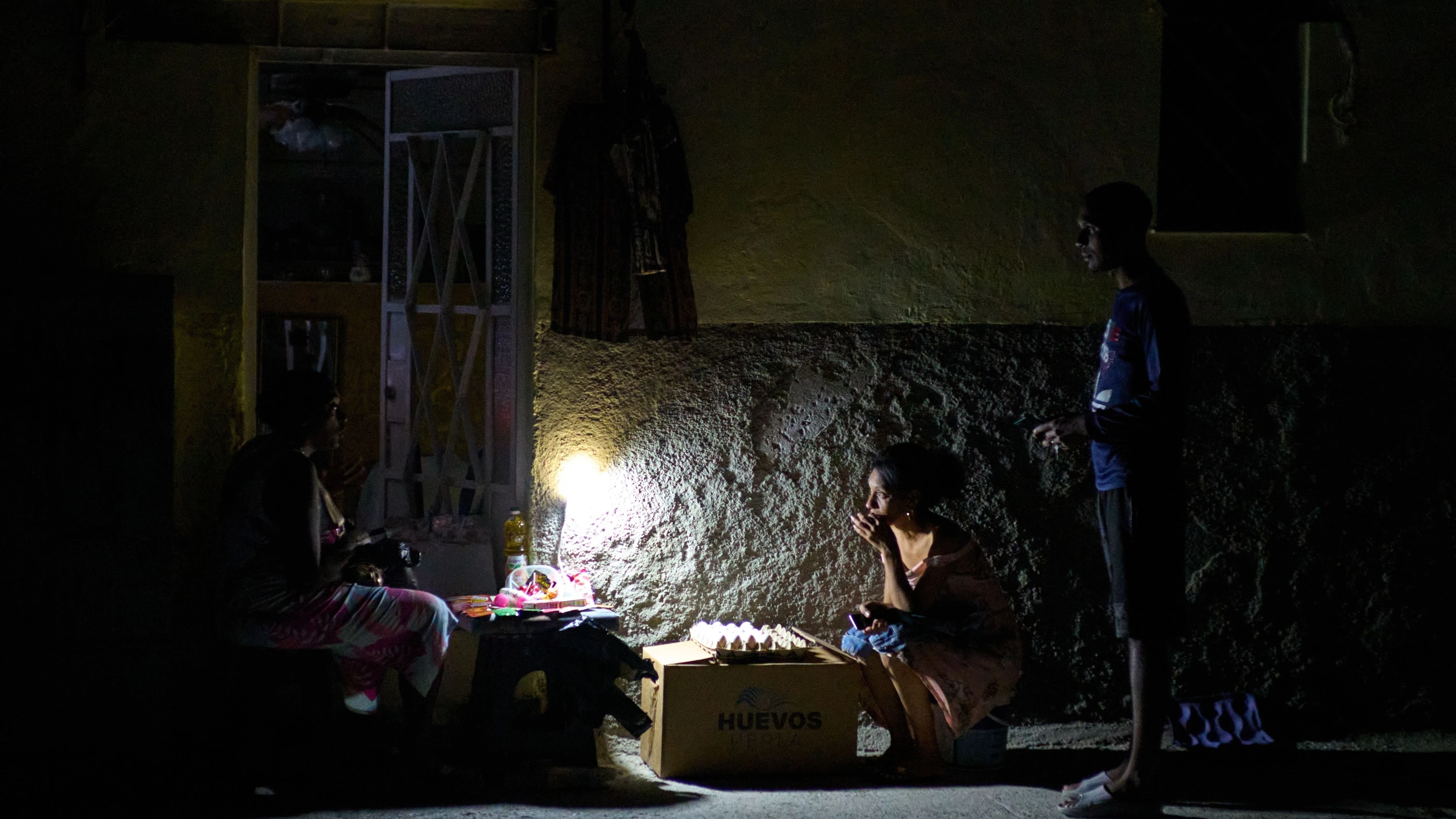
Im Dunkeln: Blackout auf Kuba nach landesweitem Stromausfall Die Wiederherstellung der Versorgung läuft. Aber bis zum späten Nachmittag konnte nur ein Prozent des Bedarfs der Hauptstadt Havanna gedeckt werden.
faz · about 2 hours ago

Four Bengal tiger cubs, including a rare white tiger, were born at the Cuban National Zoo as the country grapples with economic difficulties and widespread shortages
bluesky_Reuters · about 2 hours ago
Cuba loses power across nation for third time this year An island-wide blackout hit nearly 10 million residents in Cuba for the third time in 6 months, on Monday.
aljazeera · about 2 hours ago
Cuba began slowly restoring power on July 6 after the countrys national electric grid collapsed, the latest blow to an island already suffering severe energy, fuel and medicine shortages.
bluesky_Reuters · about 2 hours ago
Cuba power grid suffers total disconnection Cubas state power operator UNE announced on Monday that the national electrical system had suffered a "total disconnection," plunging the island into darkness amid its worst economic crisis in decades, severe fuel shortages, and daily blackouts averaging 20 hours.
yenisafak · about 3 hours ago
Cuba sees nationwide power blackout for third time in six months People in Cuba already faced an ongoing economic and humanitarian crisis, largely due to a US blockade.
aljazeera · about 4 hours ago

Cuba suffered its third nationwide power outage since the start of the year, causing mounting despair in the face of an energy collapse precipitated by a US fuel blockade u.afp.com/SKew
bluesky_AFP English · about 5 hours ago
Islandwide blackout hits Cuba as its fuel reserve dwindles and aging grid crumbles An islandwide blackout hit Cuba on Monday as the countrys fuel reserves dwindle and its electric grid continues to crumble. The blackout in the country of nearly 10…
japantoday · about 5 hours ago
На Кубе блэкаут — уже третий за полгода На Кубе полностью отключилось электричество. Причины пока неизвестны, сообщил государственный электроэнергетический оператор Union Electrica de Cuba (UNE).
meduza · about 5 hours ago
Deset milionů lidí bez elektřiny. Na Kubě zkolabovala přenosová síň Kubu v pondělí kolem poledne postihl celostátní výpadek elektrické rozvodné sítě, uvedl místní operátor. Bez elektřiny se na karibském ostrově ocitlo na deset milionů lidí.
irozhlas.cz · about 6 hours ago
Kubában összeomlott az áramszolgáltatás Az ország közel kétharmadában már eleve nem volt áram, de most már sehol sincs.
hvg.hu · about 6 hours ago
Kuba v úplnej tme: Celoštátna elektrická sieť sa zrútila, krajina čelí tretiemu blackoutu Na Kube v pondelok došlo k rozsiahlemu výpadku elektrickej energie po tom, čo sa kompletne zrútila celoštátna sieť. Národná energetická spoločnosť UNE zatiaľ presnú príčinu vyšetruje. Karibský ostrov sa s masívnymi blackoutmi borí už od začiatku roka 2026.
aktuality.sk · about 6 hours ago
Wéér landelijke stroomstoring in Cuba: bijna tien miljoen mensen zonder stroom Voor de derde keer dit jaar is in vrijwel heel Cuba de stroom uitgevallen. De oorzaak van de storing is nog niet bekend.
nu.nl · about 6 hours ago
Na Kubi znova električni mrk po vsej državi, brez elektrike deset milijonov ljudi Kubo je prizadel že tretji izpad električne energije po celotni državi od začetka leta. Brez električne energije je ostalo približno deset milijonov prebivalcev karibskega otoka.
rtv slovenia · about 7 hours ago
Kubas Stromnetz erneut landesweit zusammengebrochen
orf.at · about 7 hours ago
Massivt strömavbrott Cirka tio miljoner utan el
expressen · about 7 hours ago
Energiekrise: Erneuter Strom-Blackout legt ganz Kuba lahm Wegen alter Infrastruktur und eines Ölembargos der USA kommt es in Kuba täglich zu langen Stromausfällen - oft auch landesweit. Die Ursachen des aktuellen Blackouts werden geprüft.
tagesspiegel · about 7 hours ago