
Global wealth surge pushes ultra-rich population past 9 million
Global wealth surge pushes number of ultra-rich to record 9 million
The world’s population of ultra-high-net-worth individuals—those with fortunes exceeding $30 million—has surpassed 9 million for the first time, driven by soaring asset values and widening inequality, according to new data from financial research firms. The milestone, reached in early 2026, marks a 12% increase from the previous year and underscores the accelerating concentration of wealth among the global elite.
Germany now counts 5,000 individuals with fortunes above $100 million, a study by the *Süddeutsche Zeitung* reveals, as the country’s total private wealth swells to $23 trillion . In Austria, just 500 people control nearly 40% of the nation’s net wealth, a share that continues to grow as bond markets and equities rally, *Der Standard* reports . Meanwhile, the Netherlands saw a 22% jump in million-euro homes last year, with 273,000 properties now valued above €1 million—nearly 50,000 more than in 2024 .
The trend extends beyond Europe. In Japan, the cultural obsession with cats—dubbed "catnomics"—has ballooned into a $18.8 billion industry, reflecting how niche markets fuel wealth creation for investors and entrepreneurs . Closer to home, Hungarian households poured 370 billion forints ($1 billion) into government bonds in a single week ahead of an interest rate cut, a sign of how affluent savers exploit short-term financial shifts .
Analysts attribute the surge to three key factors: persistently low interest rates in the eurozone, which have inflated asset prices; the Swiss franc’s two-decade-long appreciation, shielding wealth in stable currencies ; and the outperformance of real estate, with Italian commercial properties yielding 12.4% gross returns—far outpacing government bonds . The gap between the ultra-rich and the median household has widened even as economies recover from post-pandemic shocks, with wealth managers warning that policy responses—such as Hungary’s potential eurozone accession, projected to save hundreds of billions in debt servicing costs—may further entrench disparities .
The record wealth figures arrive as public scrutiny intensifies. In Austria, the top 0.002% of earners now hold assets equivalent to the bottom 50%, while Germany’s super-rich have seen their fortunes grow at twice the rate of GDP since 2020. With central banks signaling a cautious approach to rate cuts, analysts expect the trend to persist, though some warn of a correction if geopolitical tensions disrupt markets. For now, the 9 million mark stands as a stark reminder of the financial system’s tilt toward the few.
Articles

A lakosság egy hét alatt 370 milliárd forinttal finanszírozta az államadósságot A kamatcsökkentés előtt a háztartások még alaposan bevásároltak lakossági állampapírokból, egy hét alatt 370 milliárd forintnyi papírt értékesített az ÁKK.
hvg.hu · 1 day ago

Brutális európai lottójackpot: 42 és fél millárd forintnyi összeget nyert egy cseh lakos az Eurojackpoton A nyerési esély itt egy a száznegyvenmillióhoz.
hvg.hu · 1 day ago

Jól megy Caramelnek, 122 milliós bevételt hozott a cége Miközben a közéleti megszólalásaival is reflektorfénybe került, Molnár Ferenc Caramel előadó-művészeti vállalkozása stabilan teljesített: 122 millió forintra növelte a nettó árbevételét és 17 milliós nyereséget termelt. A cég már 220 millió forint saját tőkét halmozott fel.
hvg.hu · 1 day ago
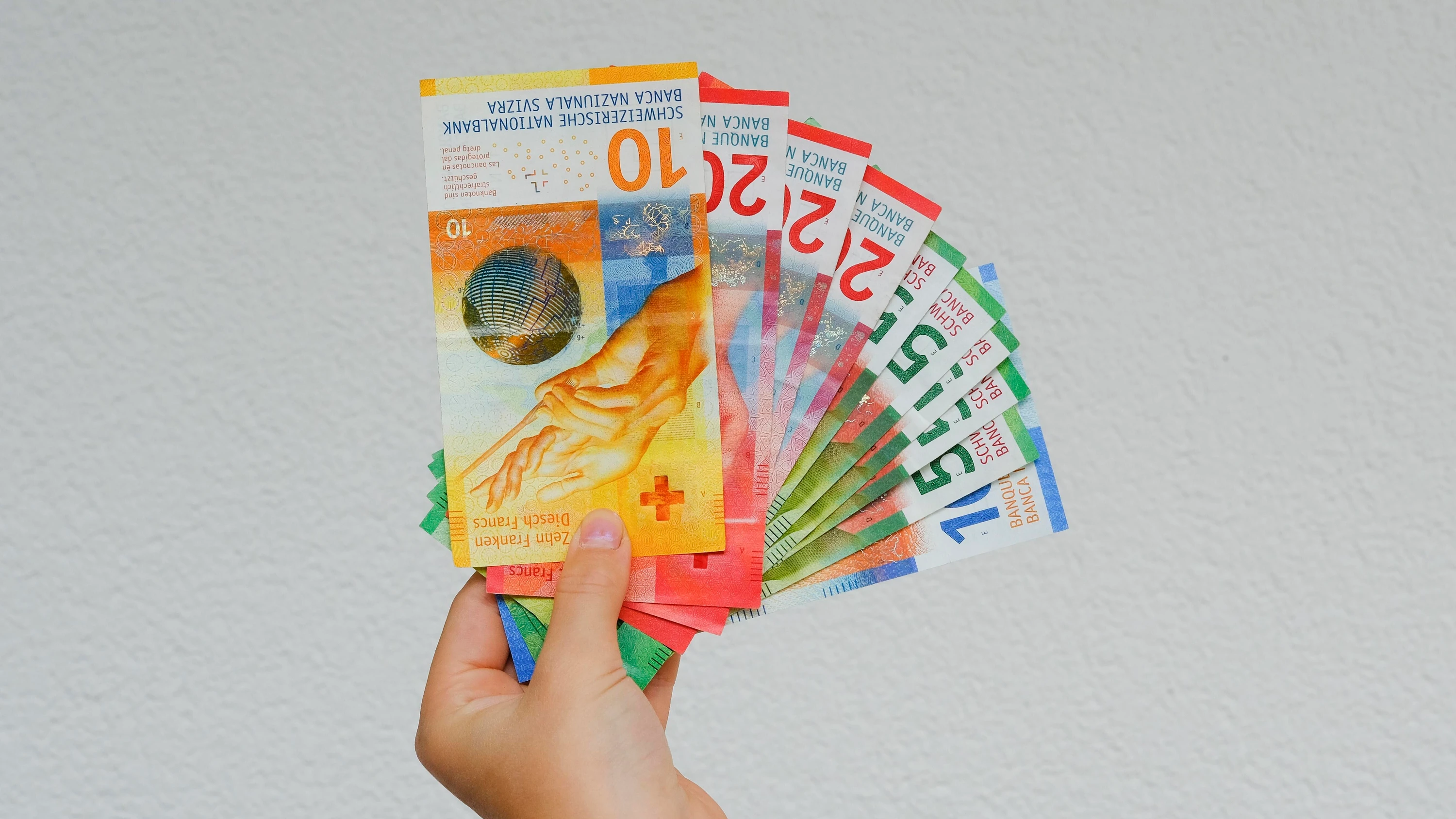
Seit 20 Jahren im Aufwind: Die unglaubliche Stärke des Schweizer Franken Zwanzig Jahre lang ist die Schweizer Währung fast immer wertvoller geworden. Was ist da los?
faz · 1 day ago

Number of Dutch homes worth more than €1 million jump 22 to 273,000 last year The number of homes in the Netherlands worth over €1 million increased by a massive 22 percent to 273,000 homes last year. That is nearly 50,000 more million-euro homes than in 2024.
nltimes.nl · 1 day ago
Starke Börsen machen Reiche noch reicher [premium] Das weltweite Nettovermögen war 2025 so hoch wie nie zuvor. In Österreich waren vor allem die Anleihenmärkte stark.
die presse · 1 day ago

500 Österreicher besitzen fast 40 Prozent des Gesamtvermögens Das reichste 20.000stel der Bevölkerung verfügt laut einer Studie über fast zwei Fünftel des Nettovermögens in Österreich, Tendenz steigend
der standard · 1 day ago

Hogyan hatna az eurózóna-csatlakozás a hazai kamatokra és a költségvetés helyzetére? A GKI szerint kifejezetten jól: hosszabb távon évente több százmilliárd forinttal csökkennének a költségvetés kamatterhei.
hvg.hu · 1 day ago
La rivincita del mattone: case, negozi e box auto battono i Btp Acquistare un locale commerciale in Italia per affittarlo offre una redditività lorda del 12,4, ben oltre quella dei titoli di Stato: la classifica per città
corriere · 1 day ago

Catnomics: how Japans feline fixation has become an industry worth billions Their influence is evident in every corner of society, the imperial family owns some, and Tokyo even has its own cat townFeline features stare out from the covers of umpteen novels, they have an officially designated day devoted to their mystique and popularity, and have outnumbered dogs as pets for a decades.The influence of cats is evident across every corner of Japanese society, with a recent report crediting them with generating an expected ¥3tn ($18.8bn) in value to the Japanese economy this year – a phenomenon dubbed catnomics. Continue reading...
theguardian · 1 day ago
Studie: Es gibt immer mehr Superreiche in Deutschland Die Deutschen haben insgesamt ein Vermögen von mehr als 23 Billionen Dollar angehäuft. Doch verteilt ist es ziemlich ungleichmäßig: 5000 Menschen haben jeweils mehr als 100 Millionen Dollar.
sueddeutsche · 2 days ago
Cea mai scumpă legumă din lume crește la noi pe după garduri. Lăstarii care în Occident se vând și cu 1.000 de euro kilogramul Cea mai scumpă legumă din lume este mugurul de hamei! De multe ori se vinde și cu 1000 de euro kilogramul, fiind ingredientul principal al unor delicatese gastronomice de la restaurantele cu ștaif franțuzești și belgiene. Culmea, în România se găsește în tufele de pe lângă garduri.
adevarul · 2 days ago