 Friday, June 19Friday, June 19
A state of emergency has been declared in Høyanger, Norway, after alarmingly high levels of aluminium were discovered in the local drinking water supply. The contamination, which reaches up to 28 times the recommended limit, has prompted authorities to impose a drinking water ban and establish a crisis team to manage the situation.
The contamination was detected in the Kyrkjebø waterworks, which serves the local community. Residents have been advised not to consume the water until further notice. "I'm a bit scared," admitted one local resident, reflecting the concern among the affected population.
The crisis team is working to identify the source of the contamination and implement measures to ensure the safety of the water supply. Authorities have particularly warned about the potential health risks for newborns, infants, and young children, who are more vulnerable to the effects of aluminium exposure.
This incident is part of a series of health and safety concerns across Europe. In Germany, health authorities have warned about the potential risks of hydrogen cyanide in flaxseeds, particularly for young children. Flaxseeds, often considered a superfood, can contain harmful substances if consumed in large quantities or not prepared properly .
In Switzerland, authorities have issued warnings about blue-green algae in Lake Maggiore, advising caution for swimmers. Blue-green algae can produce toxins that are harmful to humans and animals, causing skin irritation and more serious health issues if ingested .
Meanwhile, in Cyprus, officials have removed over 100 tonnes of invasive silver-cheeked toadfish from local waters. The toadfish, which is not native to the area, can disrupt local ecosystems and pose risks to human health if consumed. Fisheries officials warn that the species remains one of the most significant threats facing marine ecosystems and coastal fishing communities .
In Romania, the National Sanitary Veterinary and Food Safety Authority (ANSVSA) has announced the recall of baby feeding spoons due to choking hazards. The spoons had components that could pose a risk of suffocation for infants and young children .
In Slovakia, police have warned about the dangers of products labeled as CBD or CBG. These products have been found to contain harmful substances, and authorities have recorded deaths and hospitalizations of children related to their use .
Back in Høyanger, the focus remains on resolving the aluminium contamination issue. The crisis team is expected to provide updates on the situation as more information becomes available. Residents are advised to stay informed and follow the guidelines provided by local authorities to ensure their safety.
As the situation develops, the community of Høyanger is left grappling with the immediate health concerns and the broader implications of water safety. The swift action by local authorities underscores the seriousness of the issue and the need for continued vigilance in ensuring the safety of essential resources.
In response to the crisis, local health officials have set up temporary water distribution points to provide safe drinking water to residents. The crisis team is also working to determine the source of the contamination and implement long-term solutions to prevent future incidents.
The incident serves as a reminder of the importance of regular monitoring and maintenance of water supply systems to ensure the health and safety of communities. As authorities work to resolve the issue, residents are urged to stay informed and follow the guidelines provided by local officials.
2 further sources not geolocated

Polícia v okrese Bánovce nad Bebravou preverila oznámenie o lákaní detí do auta, protiprávne konanie nezistila Polícia v tejto súvislosti upozorňuje, že šírenie neoverených správ na internete môže vyvolávať znepokojenie verejnosti, a občanov žiada, aby prípadné podozrenia nahlasovali priamo na linku 158.
aktuality.sk · about 2 hours ago
Setter krisestab etter funn av aluminium i drikkevann Det er funnet utrygge nivåer av aluminium i drikkevannet fra Kyrkjebø vannverk i Høyanger. Kommunen setter krisestab.
aftenposten · about 2 hours ago
Produse pentru bebeluși, retrase de la raft. ANSVSA reclamă un „pericol de sufocare Autoritatea Naţională Sanitară Veterinară şi pentru Siguranţa Alimentelor (ANSVSA) a anunţat vineri, retragerea de pe piaţă a unei linguriţe pentru hrănirea bebeluşilor şi copiilor mici, afirmând că acestea au componente care pot reprezenta un pericol de sufocare.
adevarul · about 2 hours ago
Everythings bigger and better in Texas – even data breaches Hunting and fishing license incident catches 3M residents
the register · about 2 hours ago
More than 100 tonnes of invasive pufferfish removed from Cypriot waters More than 103 tonnes of invasive silver-cheeked toadfish have been removed from Cypriot waters under a government-backed eradication scheme, with fisheries officials warning on Friday that the species remains one of the most significant threats facing marine ecosystems and coastal fishing communities. The fisheries department announced that approximately 103,000 kilogrammes of the toadfish (Lagocephalus sceleratus) […]
cyprus mail · about 2 hours ago
Bundesinstitut warnt vor Blausäure: Leinsamen ins Müsli? Bei Kleinkindern ist Vorsicht geboten Leinsamen gilt als Superfood. Doch die gesundheitsfördernden Eigenschaften haben zwei dunkle Gegenspieler. Welche Mengen man deshalb täglich maximal verzehren sollte.
tagesspiegel · about 2 hours ago
Výrobky s označením CBD obsahovali nebezpečné látky, polícia eviduje úmrtie aj hospitalizácie detí Národná protidrogová jednotka preto varuje verejnosť pred rastúcim rizikom produktov predávaných ako CBD či CBG.
aktuality.sk · about 2 hours ago
Vorsicht beim Baden – Tessiner Behörden warnen vor Blaualgen im Lago Maggiore Im Lago Maggiore sind Blaualgen entdeckt worden. Die Behörden raten Badenden zur Vorsicht.
srf.ch · about 2 hours ago
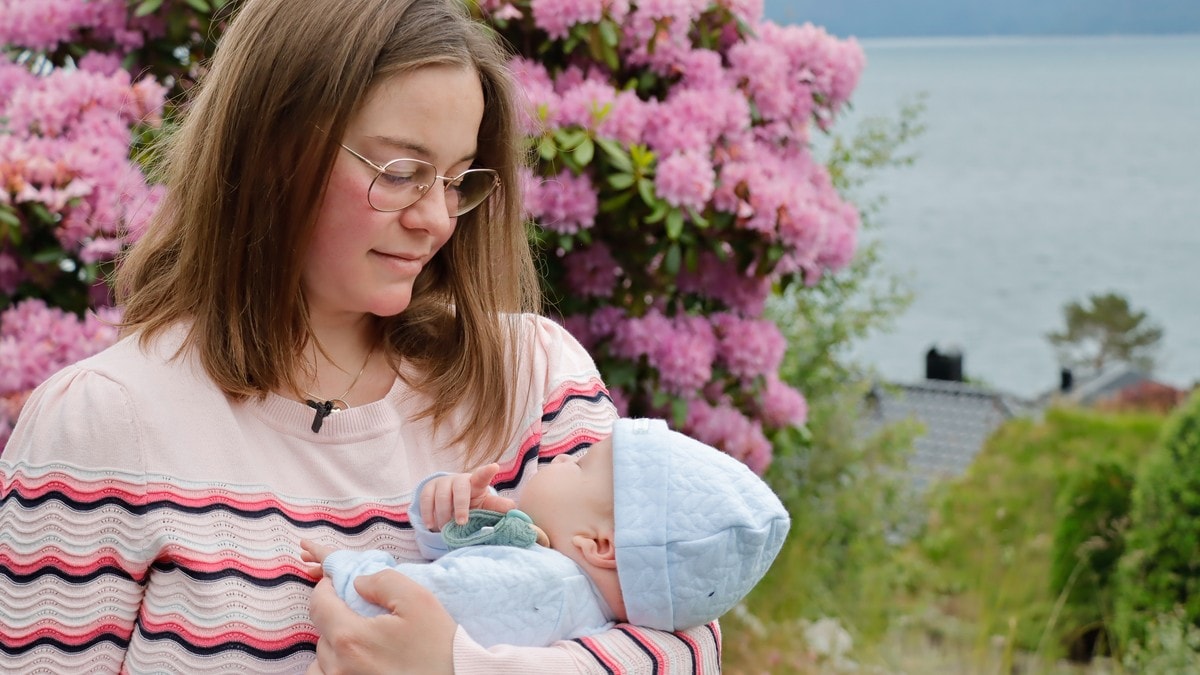
Må sjekke barna i fleire år etter aluminium i drikkevatn: – Eg er jo litt redd Drikkevatnet har hatt opptil 28 gongar meir aluminium enn tilrådd. No har Høyanger kommune sett krisestab og innført drikkeforbod.
nrk · about 2 hours ago