 Thursday, May 21Thursday, May 21
Croatia’s tourism sector continues to expand, with smaller regional airports like Split and Zadar increasingly serving as international gateways, shifting the first point of entry for many travelers away from Zagreb. This growth reflects broader trends in European tourism, where short-haul trips are rising, and Croatia remains a key destination .
The surge in tourism has also empowered seasonal workers in Croatia, who now have greater leverage in negotiations over wages and working conditions due to high demand for labor in the sector. This shift marks a departure from past dynamics, where employers held most of the bargaining power .
However, the rapid growth of tourism poses challenges to Croatia’s traditional *konoba* culture—local taverns known for serving locally sourced food and fostering community ties. As modern tourism prioritizes commercialization, these establishments struggle to maintain their authenticity and economic viability .
Globally, the travel and tourism sector is projected to outpace broader economic growth in 2026, with Europe focusing on managing sustainable tourism development amid rising demand . Croatia’s evolving tourism landscape reflects these trends, balancing growth with cultural and labor market pressures.

Hotel breakfasts to dream about, an epic bike ride – and other HTSI stories you loved this week Catch up on our most-read articles
financial times · 3 days ago

Short-haul trips are on the rise for European summer holidays – heres where to book now
news.yahoo.com · 3 days ago
Tourism is Transforming Smaller Croatian Airports Into International Gateways May the 18th, 2026 – Booming tourism spreading beyond its traditional confines is transforming smaller Croatian airports into international gateways to people from far and wide. For many travellers arriving in Croatia, the first impression of the country no longer comes through Zagreb. That isnt exactly news. It now comes through airports like Split, Zadar, ... Read more The post Tourism is Transforming Smaller Croatian Airports Into International Gateways appeared first on Total Croatia.
total croatia news · 3 days ago
Croatias Seasonal Workers Have More Leverage Than Ever Before May the 18th, 2026 – Croatias seasonal workers used to follow the same old patterns, but now they have much more leverage than they ever used to. Employers held most (if not all) of the power, while the seasonal workers accepted long, draining hours, difficult conditions and temporary contracts because tourism jobs were widely available ... Read more The post Croatias Seasonal Workers Have More Leverage Than Ever Before appeared first on Total Croatia.
total croatia news · 3 days ago
Can Croatias Konoba Culture Survive Modern Tourism? May the 18th, 2026 – For years, Croatias konoba and its mysticism was a huge lure, but theres a problem, Croatias traditional konobas are becoming harder to sustain in the modern tourism economy. Historically, Croatias konoba culture was nothing more than simple local taverns serving locally sourced food, tied closely to local community life. Originally ... Read more The post Can Croatias Konoba Culture Survive Modern Tourism? appeared first on Total Croatia.
total croatia news · 3 days ago
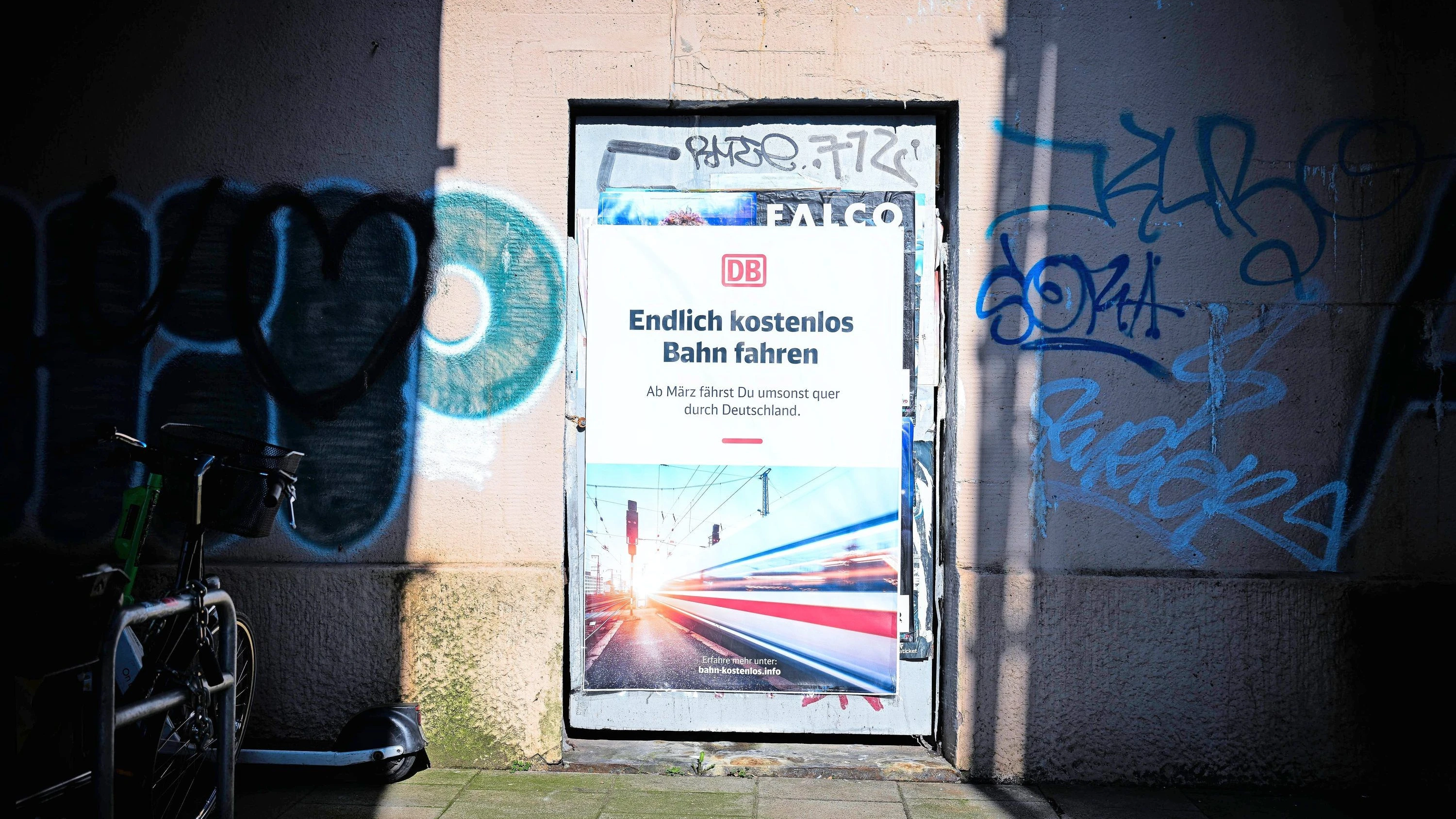
Zugfahren heute: Bei der Bahn ist Schönreden jetzt Machen Wer über die Deutsche Bahn schimpft, hat noch Hoffnung. Dabei ist ihre Selbstdarstellung schon an die Stelle des Handelns getreten. Eine wehmütige Rekapitulation.
faz · 3 days ago
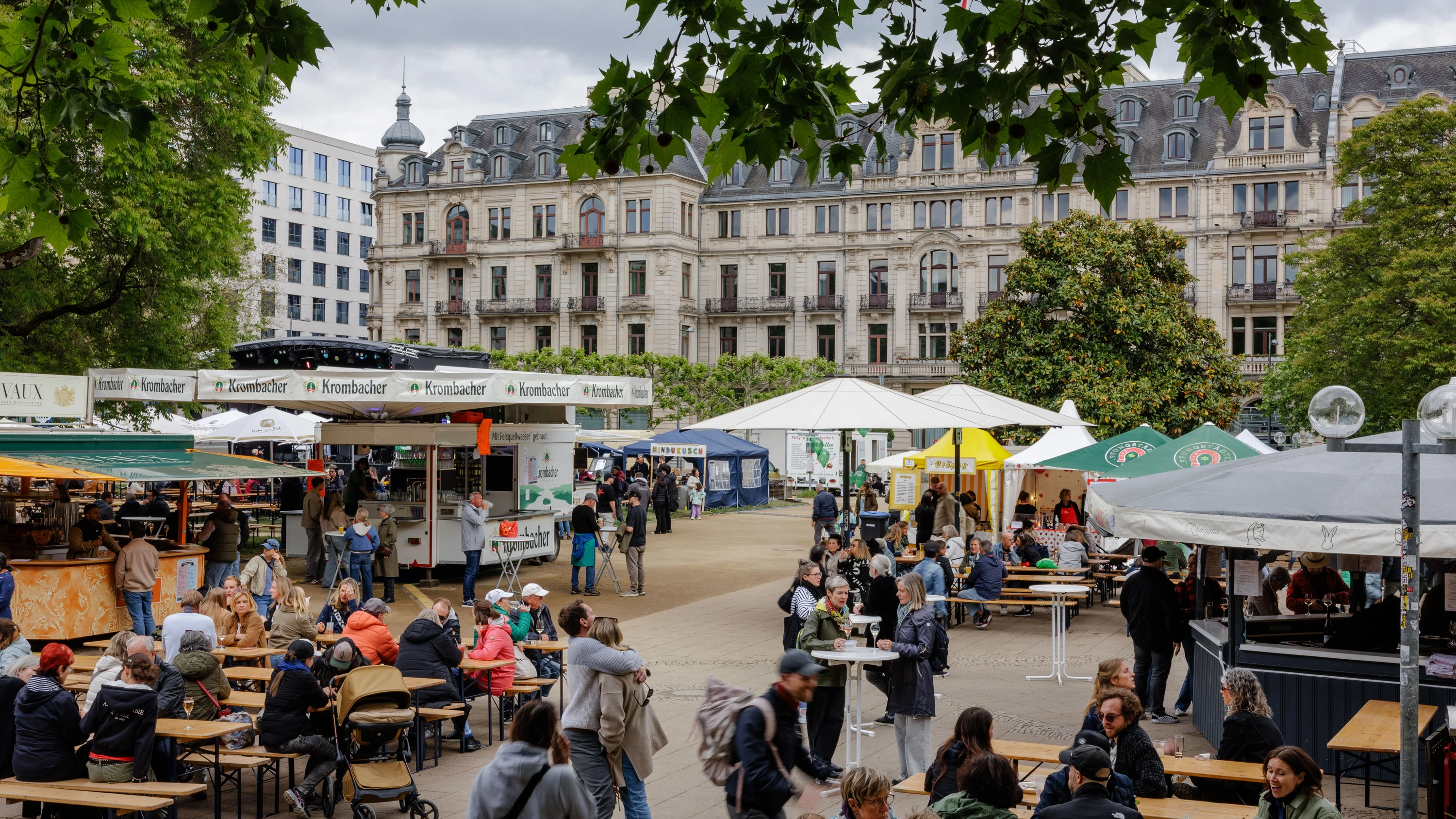
Steigende Kosten und Regen: Wiesbadener Kranzplatzfest in Gefahr Das Kranzplatzfest finanziert sich seit mehr als 40 Jahren privat. Aber auch langjährige Sponsoren tun sich derzeit schwer – und wenn das Wetter wie in diesem Jahr nicht mitspielt, wird es für die Veranstalter eng.
faz · 3 days ago
Global tourism outpaces economic growth
gdeltproject.org · 3 days ago
Travel, tourism growth to outpace wider economy over next decade The global travel and tourism sector is forecast to continue outpacing wider economic growth in 2026 and throughout…
europesays.com · 3 days ago
Travel industry: Managing sustainable tourism growth in Europe
gdeltproject.org · 3 days ago