 Thursday, May 21Thursday, May 21
The ongoing conflict involving Iran has significantly disrupted global oil markets, driving volatility in prices and prompting policy responses from the U.S. and G7 nations. The closure of the Strait of Hormuz, a critical chokepoint for oil shipments, has tightened global supply, contributing to rising fuel costs and economic instability. Gas prices in the U.S. are expected to spike further ahead of Memorial Day, with experts warning of continued volatility due to geopolitical tensions between the U.S. and Iran .
In response to supply shortages, the U.S. Treasury has repeatedly extended a sanctions waiver for Russian oil, allowing third countries to purchase Russian crude already loaded on tankers. The latest 30-day extension, announced on May 18, 2026, follows earlier renewals despite opposition from some U.S. lawmakers, who argue the waiver benefits Russia without lowering fuel costs for American consumers. The waiver was initially introduced to mitigate supply disruptions caused by Iran’s closure of the Strait of Hormuz, but its repeated extensions suggest persistent market pressures .
G7 finance ministers have prioritized discussions on containing the economic fallout from the Iran conflict, particularly its impact on energy prices and sanctions policy. The U.S. has also faced lobbying from allies like India, which has sought exemptions to maintain access to alternative oil supplies amid the crisis. Meanwhile, U.S. Treasury Secretary Scott Bessent has signaled a potential shift toward tougher sanctions on Iran, though the administration continues to balance energy market stability with geopolitical pressures .
The conflict has reshaped global energy trade dynamics, with Russia emerging as a key supplier to China and other markets as traditional routes face disruptions. The prolonged closure of the Strait of Hormuz—now entering its 78th day—remains a central factor in oil market instability, with no immediate resolution in sight .

G-7 Finance Ministers Discuss Economic Fallout of Iran War Rising oil prices and growing bond market volatility have raised fears of a global recession.
foreignpolicy.com · 2 days ago
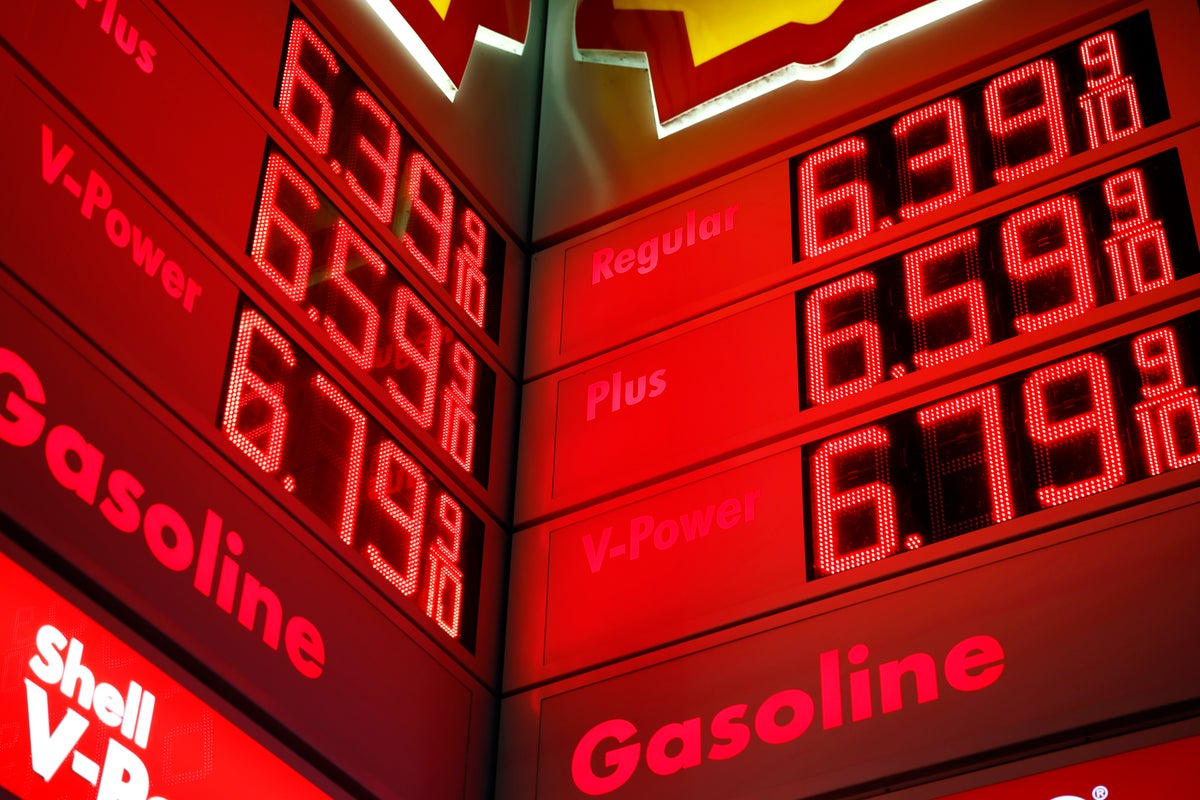
Though gas prices dropped by a cent last week experts warn another spike could be coming ahead of Memorial Day Oil markets are sensitive to the ever-shifting geopolitical tensions between the US and Iran, thus making gas prices volatile
independent · 2 days ago
US eases Russian oil sanctions in bid to contain Iran price surge Renewal of 30-day licence comes as high fuel costs hit American consumers
financial times · 2 days ago
Gas prices expected to rise higher ahead of Memorial Day as Strait of Hormuz closure hits 78 days Gas prices are likely heading higher this week ahead of Memorial Day, even as oil markets send mixed…
europesays.com · 2 days ago
Treasury extends Russian oil sanctions waiver for another month A second extension of the waiver indicates that oil market pressures from the closure of the Strait of Hormuz have not eased.
politico.eu · 2 days ago
US extends Russian oil sanctions waiver as Iran war squeezes supply WASHINGTON — The US Treasury Department has extended a sanctions waiver on Russian oil shipments amid supply shortages…
europesays.com · 2 days ago
US Extends Russian Oil Waiver As Bessent Urges Tougher Iran Sanctions The US Treasury Department has extended for another 30 days a sanctions waiver allowing at-risk countries to purchase Russian oil shipments at sea, as supply disruptions linked to the US-Israeli conflict with Iran continue to roil global energy markets.
radio free europe · 2 days ago

G7 Finance Ministers Look to Contain Iran Economic Fallout Top policymakers were expected to discuss rising energy prices and sanctions policy at a critical summit in Paris this week.
new york times · 2 days ago
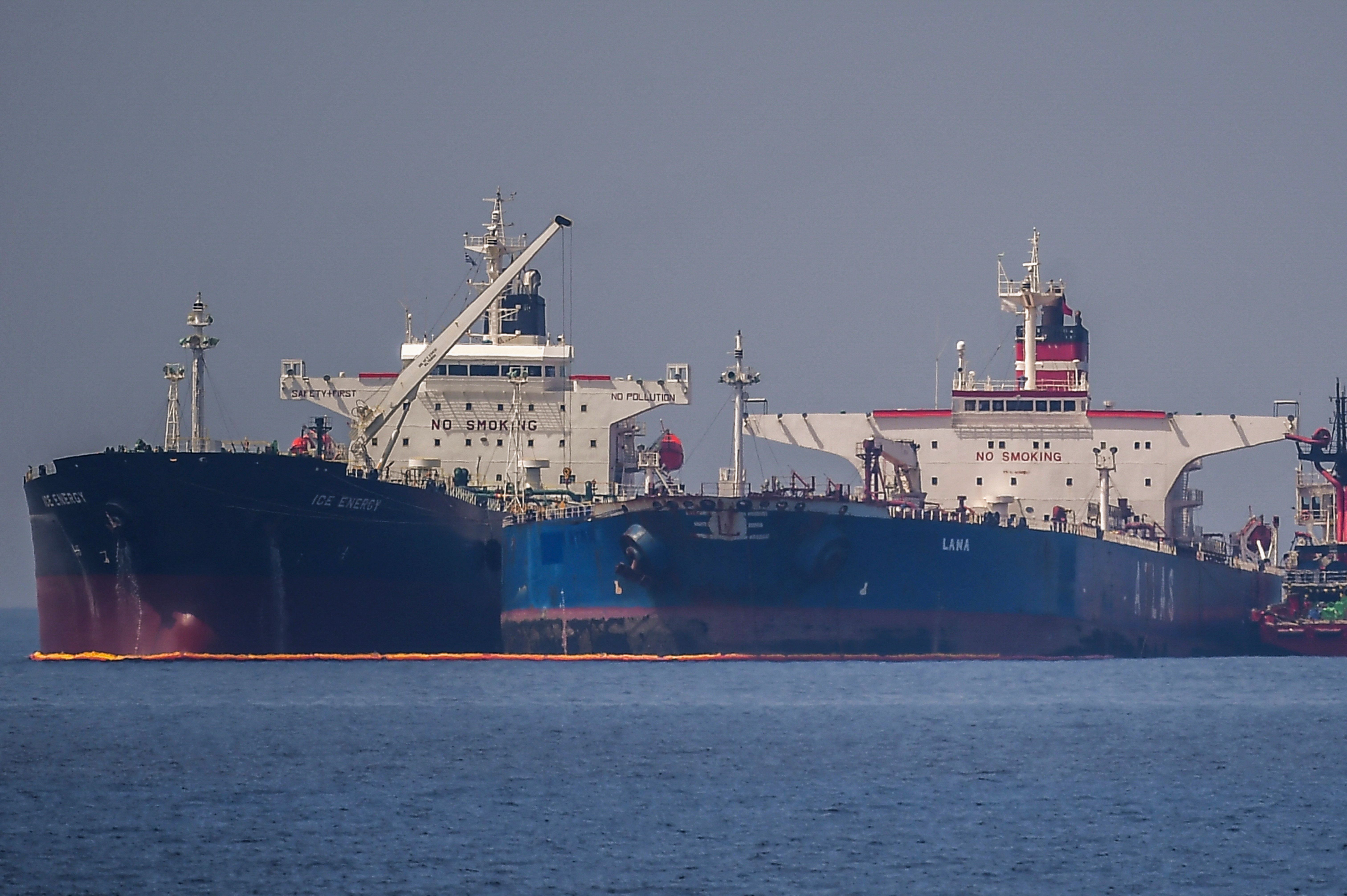
US Reissues 30-Day Waiver for Russian Oil Already Loaded on Tankers The US Treasury will reissue a 30-day sanctions waiver allowing third countries to buy Russian oil already loaded or stored on tankers, after the previous authorization expired on May 16.Reuters reported this on May 18, citing sources familiar with the matter.The earlier general license lapsed on Saturday without an immediate renewal notice posted on the Treasury website, briefly closing the legal channel for buyers of Russian crude that had already been loaded onto tankers. Sources told the agency the carve-out will now be reissued for a further month.The move comes despite earlier signaling from US Treasury Secretary Scott Bessent, who had indicated he would not renew the license.The general license authorizes purchases of Russian oil stored on tankers and was originally issued to ease global supply shortages after Irans closure of the Strait of Hormuz.Days earlier, two senior Democratic senators, Jeanne Shaheen and Elizabeth Warren, urged the Trump administration not to renew the measure. In a joint appeal, they argued the carve-out channeled revenue to Russia for its war against Ukraine without producing evidence of lower fuel costs for American consumers.Read moreWar in UkraineMoscows Gold: How Russia Is Taking Advantage of the US-Iran War Mar 27, 2026 15:19 The pattern mirrors an April reversal, when the administration renewed the same waiver for roughly a month after Bessent had publicly ruled out an extension just two days prior. That round followed direct lobbying from Asian partners, including Indian Prime Minister Narendra Modi, who pressed Washington on the sidelines of G20, World Bank, and IMF meetings to keep alternative supplies flowing.Treasury wants to ensure oil is available to those who need it, a Treasury Department spokesperson explained at the time of the April extension. Related articles US Grants India 30-Day Sanctions Waiver for Russian Oil Amid Hormuz Crisis Latest news Mar 06, 2026 12:18 Russian LNG Tanker Left Stranded After India Rejects Sanctioned Cargo Latest news May 11, 2026 18:54 Russia Becomes Chinas Second-Largest LNG Supplier as Exports Hit Record High Latest news Dec 22, 2025 14:21
united24media · 2 days ago
NextEra Energy to acquire Dominion for $67 billion, joining two of the nations largest utilities NextEra Energy said Monday it will acquire Dominion Energy in an all-stock deal valued at about $67 billion, combining…
europesays.com · 2 days ago
Dominion Energy to merge with Florida-based NextEra Energy Richmond-based Dominion Energy, the leading provider of electricity in Hampton Roads, is set to be acquired by Florida-based…
europesays.com · 2 days ago
How the War in Iran Is Shaking the World Economy and Global Order The war in Iran is unfolding in one of the most critical areas for the global energy market.…
europesays.com · 2 days ago

Ben Jennings on BPs Iran war profits – cartoon Continue reading...
theguardian · 22 days ago
How the Iran war boosted profits at BP and Barclays Barclays profits rose, but loan losses weighed on its first-quarter results. At the same time, oil giant BPs earnings jumped, largely driven by an exceptional oil trading boom linked to the Iran war.
euronews · 22 days ago
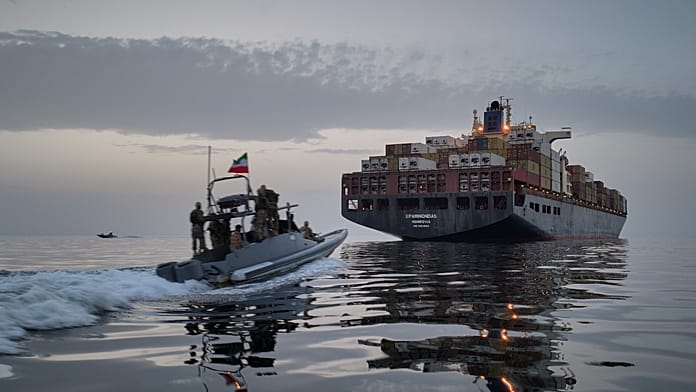
Iran war will trigger largest energy price surge since 2022, World Bank warns The World Banks latest Commodity Markets Outlook report predicts a 24 surge in energy prices this year as the Iran war delivers a historic shock to global supply chains.
euronews · 22 days ago
BP warns against windfall taxes as Iran war helps profits hit 3-year high New chief Meg ONeill says fresh levies on outsized earnings would be a highly flawed response
financial times · 23 days ago

RaiNews: Europa in positivo, a Milano brillano bancari ed energetici sui rincari del petrolioA Piazza Affari bene i titoli energetici come Eni, che beneficiano del rialzo dei prezzi del petrolioEurope is positive, bankers and energy companies shine in Milan amid rising oil prices.On the Milan Stock Exchange, energy-related stocks such as Eni have performed well, benefiting from rising oil prices.#Europe #Milan
mastodon bot · 23 days ago
Argentinas energy economy booms amid Iran shock High oil and gas export revenues could be an unexpected windfall for the South American nation
financial times · 23 days ago
FirstFT: Oil price rises as US-Iran talks stall Also in todays newsletter: Chinese battery maker CATL raises $5bn and US data centre backlash
financial times · 23 days ago

BP reports horrifying jump in profits as Iran war boosts oil trading; Brent crude hits three-week high – business live Energy companies are profiting from Iran war, campaigners warn, after BPs profits double in first quarter of 2026BP profits more than double as oil and gas prices soar in Iran warAlthough rising energy prices are great news for oil and gas producers, theyre a blow to other businesses, such as housebuilders.This morning, Taylor Wimpey has reported that the cost of building a home is being pushed up, telling shareholders:As a result of rising energy costs, build cost inflation is now expected to be low to mid single digit for 2026, with cost pressure and surcharges starting to come through from our supply chain. Continue reading...
theguardian · 23 days ago
BP profits more than double as Iran war delivers windfall Oil majors quarterly profit beats analysts expectations on back of exceptional trading performance
financial times · 23 days ago
Oil price climbs above $110 for first time in three weeks Brent crude rises after White House reiterates red lines in negotiations with Tehran
financial times · 23 days ago
Oil price climbs above $110 as Iran talks show little sign of breakthrough Brent crude hits highest level in three weeks after White House reiterates red lines in negotiations with Tehran
financial times · 23 days ago
Worlds biggest battery maker CATL to raise $5bn Chinese group rides surge in foreign investor interest in renewable energy stocks since outbreak of war in Iran
financial times · 23 days ago
Energy traders dig in for a long Iran war Vitol, Trafigura and rivals expand credit lines in anticipation of prolonged disruption to global oil and gas flows
financial times · 28 days ago
Condom prices to jump by 30 percent due to Iran war, Strait of Hormuz blockade The impact of the Iran war is now being felt in the global condom industry. Karex, a company responsible for around 20 of worldwide production, is planning to raise prices by 30.
nltimes.nl · 28 days ago
No dosa today: Indias cooking gas crisis Households are buying up induction stoves and chaiwalas have closed as Iran conflict hits the countrys supply of LPG
financial times · 28 days ago

The everyday items facing price rises amid Iran war oil shock: From toys to pens and shaving cream The tremors of the Middle East war are reaching the far corners of the economy
independent · 28 days ago
Is China a winner of the Iran war or facing economic risks? Chinas economy beats expectations despite the Iran war, but weak demand and structural risks remain.
aljazeera · 29 days ago

Germany halves 2026 growth outlook as Iran war drives up energy costs
news.yahoo.com · 29 days ago