
Families across Europe fight to preserve freedoms amid abuse, illness and state failure
The death of family freedom: How abuse, illness, and state failure are reshaping childhood
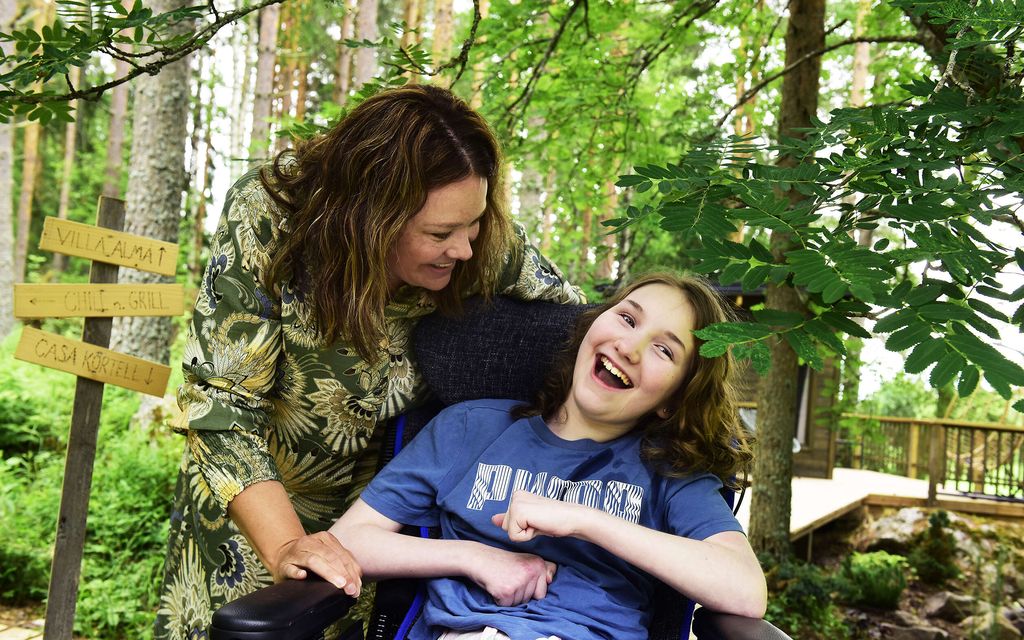
When Alma Kortell-Sandvik was diagnosed at ten with metachromatic leukodystrophy—a rare genetic disorder that attacks the nervous system—her Finnish family’s life collapsed in weeks. Once an energetic footballer and violinist, Alma now spends her days in a full-body wheelchair, unable to speak or swallow, cared for around the clock by her mother Sara, who quit her job the day the diagnosis arrived. “The hospital has become our second home,” Sara told *Ilta-lehti* on Saturday. “Alma is never alone for a single moment.” Three years after the disease struck, the family’s struggle exposes a harsh truth: the modern family is increasingly fragile, stretched between inherited trauma, systemic failure, and the quiet erosion of the freedoms once assumed to belong to childhood.
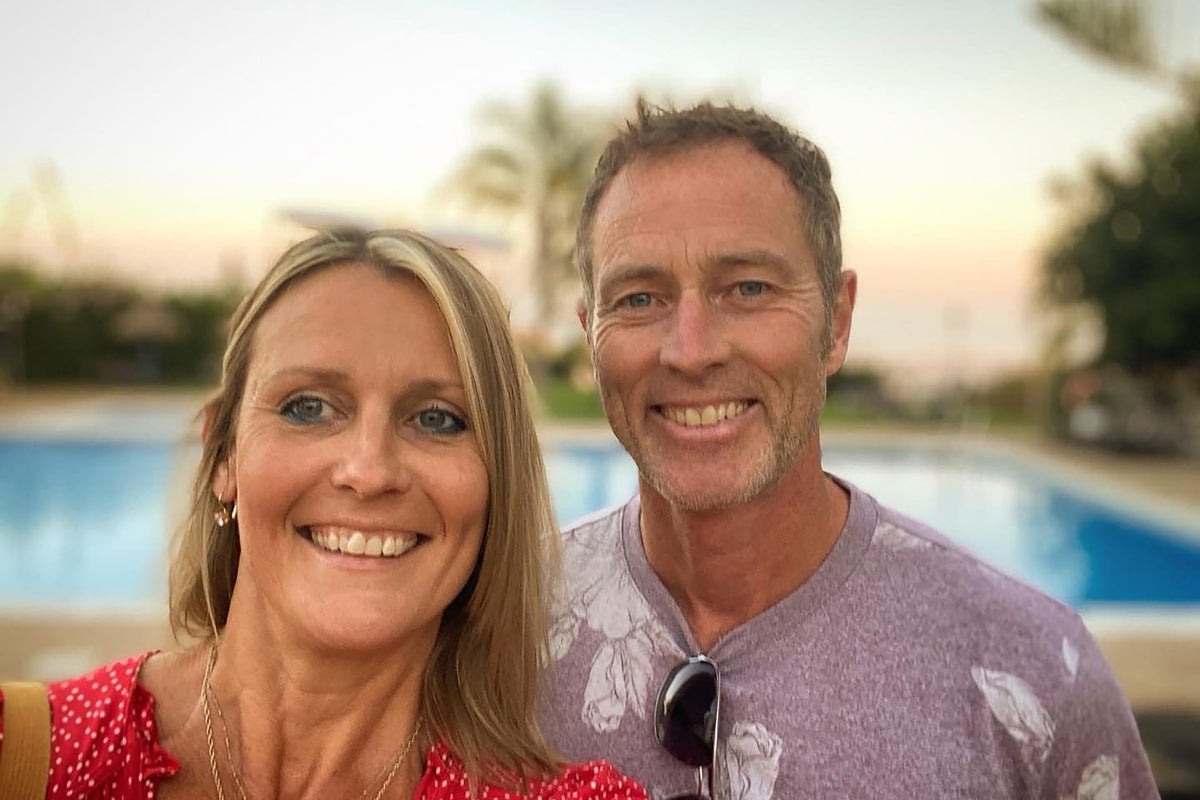
Across Europe, families are confronting similar fractures. In Sweden, a mother whose son joined a gang credits an intensive family therapy program with saving his life. “I was always afraid of the police knocking on the door to say he was dead,” she told *Expressen*. In Norway, parents are locked in bitter disputes over why children reject one parent after divorce, with some blaming manipulation and others warning of a “very complex reality” that resists simple explanations. Meanwhile, in Iran, a British couple—Craig and Lindsay Foreman—have spent nearly two months on hunger strike in Evin Prison, their families pleading for their release before irreversible damage occurs.
These stories converge on a single, unsettling question: what does it mean to be a family when freedom—of movement, of choice, even of bodily autonomy—is under siege? For Caty Hollis, a British nurse, the answer came in the final days of her father’s life. Diagnosed with colon cancer two decades ago, he chose to die at home, surrounded by his three daughters and the music of Frank Sinatra and Electric Light Orchestra. “He told us he wished he had been more present in our lives,” Hollis recalled to *Al Jazeera*. “That he had let work consume him.” In his last hours, the family laughed over potential baby names for Hollis’s sister, certain their father could still hear them. When he died, James Taylor’s “You’ve Got a Friend” played in the room—a final act of closure in a life that had once denied it.
The crisis is not only medical or legal, but cultural. In France, queer communities are redefining family through chosen bonds, with friendships evolving into coparenting arrangements that challenge the nuclear model. “At the center of my life are my friendships,” one person told *Libération*. “They redraw the limits of what family can be.” Yet for many, these alternatives arise from necessity rather than choice. The Foremans’ hunger strike in Iran, the Swedish mother’s relief at her son’s survival, and Sara Kortell’s exhaustion in Kokkola all reflect a shared reality: families today are not just adapting to change, but fighting to preserve the most basic freedoms—safety, dignity, and the right to belong.
The state’s role in this erosion is increasingly visible. Sweden’s million-krona investment in family therapy contrasts with Norway’s unresolved debates over parental alienation, while Iran’s imprisonment of foreign nationals underscores how geopolitics can strip families of agency overnight. In Sweden, officials at Kumla Prison are now preparing to receive 15-year-olds serving sentences, forced to weigh “the child’s best interests” against institutional constraints. “We must consider the child’s well-being at every turn,” said Johan Fritioff, deputy prison chief.
What remains, in the end, is the quiet resilience of those who refuse to surrender. Alma’s humor persists, her mother insists, even as her body fails. The Swedish mother celebrates her son’s life. Hollis finds solace in her father’s final words. And across Europe, families continue to fight—not just for survival, but for the freedom to define what family means in an age of relentless pressure. The question is no longer whether these freedoms will endure, but how much more will be lost before they are restored.
Follow us for live European news
- 2
- 1
- 1
- 1
- 1
- 1
- 1
- 1
- 1
- 1
2 further sources not geolocated
Articles

«Au centre de ma vie, il y a mes amitiés» : pour les personnes queers, des familles choisies qui redessinent les modèles Pour de nombreuses personnes LGBT +, les amis deviennent des proches. Ces liens, qui peuvent aller jusquà la coparentalité, esquissent de nouvelles façons de vivre ensemble tout en interrogeant les limites du modèle familial nucléaire.
liberation · about 3 hours ago
Sonen blev gängkriminell – mamman om miljonsatsningen Svenska kommuner satsar miljoner på att få unga att lämna gängen – med intensiv familjeterapi.Expressen har träffat en mamma som gått genom programmet, och tackar det för att hennes son lever.– Jag var alltid livrädd att få det där samtalet, att polisen skulle knacka på och säga: han är död, säger hon.
expressen · about 3 hours ago
Det ble kraftige reaksjoner da han skrev om svartmaling og manipulering av eksen. Nå svarer psykologen. Når barn i skilte familier ikke vil ha kontakt med den ene forelderen, kan det skyldes mange ulike forhold.
aftenposten · about 3 hours ago
Ex-Girlfriend Dont Want To Speak To You No More, New European Boyfriend Reports
gdeltproject.org · about 3 hours ago

Oproep: meld u aan als u op zoek bent naar een liefde, vriend of maatje
trouw · about 4 hours ago
Why closure matters at the end of life A peaceful, supported end-of-life experience — focused on family and closure — can transform both dying and grieving.
aljazeera · about 4 hours ago
Så ska barnen tas emot på Kumlaanstalten Ska en ledsen 15-åring få ringa hem till mamma?När fängelset i Kumla börjar ta emot barn som ska avtjäna straff står personalen inför nya, svåra avvägningar.– Vi ska ha barnens bästa i beaktande hela tiden, säger Johan Fritioff, biträdande kriminalvårdschef.
svenska dagbladet · about 4 hours ago
Fears grow for British couple after almost two months on hunger strike in Iranian jail Exclusive: Family and friends of Craig and Lindsay Foreman are appealing for them to end their freedom fast before they suffer irreversible health complications
independent · about 4 hours ago
The colossal power of loneliness, and the impossibility of being alone Lets start with a question: Can you imagine living a fulfilling life when you cannot touch anything in your home without instantly thinking about your fathers genitals? Before you all jump to the dark conclusion that, in conjunction with the reviews grandiose title, Canon must be a book about sexual abuse, let me reassure you: […]
cyprus mail · about 4 hours ago
Adele: Δεν περίμενα ότι θα δεθώ με τον γιο μου μέσα από τη Formula 1, φτάνουμε στο σημείο να τσακωνόμαστε για οδηγούς Η τραγουδίστρια αποκάλυψε ότι το κοινό τους ενδιαφέρον για τον μηχανοκίνητο αθλητισμό έχει ενισχύσει τη μεταξύ τους σχέση
protothema · about 4 hours ago
Francouzské dráhy zavádí zóny bez dětí. Podle psycholožky je na vině pozitivní rodičovství Francouzské národní dráhy letos oznámily zavedení speciální zóny bez dětí v business třídě, aby „zajistily maximální pohodlí. Případ v zemi vyvolal pobouření. Francouzská psychoterapeutka Caroline Goldmanová však zákaz označila za pochopitelný. Nárůst prostorů „bez dětí ve Francii je podle ní přímým důsledkem výchovného stylu, který se stal příliš benevolentním.
irozhlas.cz · about 4 hours ago
Perhe huomasi, kuinka urheilevan Alman käytös alkoi muuttua – Nyt äiti on 13-vuotiaan tyttärensä omaishoitaja
iltalehti · about 4 hours ago
Se oli pakko hiljentää, Tiina sanoi kylmästi – Nyt Adeliinaa, 18, ei enää ole
iltalehti · about 4 hours ago
Kraftige reaksjoner: Psykologen skrev om svartmaling og manipulering av eksen. Nå svarer han. Når barn i skilte familier ikke vil ha kontakt med den ene forelderen, kan det skyldes mange ulike forhold.
aftenposten · about 4 hours ago
Psykologen skrev om svartmaling og manipulering av eksen. Da kom reaksjonene. Nå svarer han. Når barn i skilte familier ikke vil ha kontakt med den ene forelderen, kan det skyldes mange ulike forhold.
aftenposten · about 4 hours ago

„Vielleicht sollte ich mir einen Liebhaber suchen, denkt die Ehefrau Bleiben oder gehen? Manche Beziehungen lassen sich nicht eindeutig retten oder beenden. Unsere Autorin erklärt, wie man mit dem Dilemma umgehen kann – und warum die einzige Lösung im eigenen Verhalten steckt.
welt.de · about 4 hours ago