 Monday, June 15Monday, June 15
12 hours · 2 summary articles
Norway sentences Crown Princess Mette-Marits stepson to six years in prison for rape and drug crimes
Norway delivers verdict in Marius Borg Hiby rape trial: Prison sentence expected
Marius Borg Høiby, the 29-year-old stepson of Norway’s Crown Princess Mette-Marit, was sentenced to six years in prison on Monday after a seven-week trial in Oslo District Court on 40 charges, including four counts of rape and multiple drug-related offenses. The verdict, delivered via video link from prison, marks the culmination of a case that has gripped Norway for months, exposing deep societal and royal family tensions.
Prosecutors had sought nearly eight years in prison, arguing that Høiby’s pattern of behavior—spanning drug-fueled parties, violent assaults, and repeated sexual violations—warranted severe punishment. The court, however, handed down a six-year sentence, reflecting both the gravity of the crimes and the defendant’s troubled history. Legal experts noted that the ruling underscores Norway’s commitment to holding even high-profile individuals accountable, while also raising questions about the royal family’s ability to manage such scandals.
Høiby, who has struggled with addiction and mental health issues, was absent from the courtroom due to illness, participating instead via video link from a prison cell. His mother, Crown Princess Mette-Marit, has been battling a serious illness, adding emotional weight to the proceedings. The case has drawn international attention, with outlets like Reuters and Norwegian media such as *Aftenposten* and *NRK* providing live coverage.
The trial, which featured testimony from 70 witnesses, revealed a pattern of reckless behavior that extended beyond the alleged rapes. Prosecutors detailed a litany of offenses, including drug possession, assault, and coercion, painting a portrait of a young man whose actions had escalated over time. The defense, however, argued that Høiby’s struggles with substance abuse and trauma should be considered mitigating factors.
Norway’s legal system has faced scrutiny for its handling of the case, particularly regarding the royal family’s influence. Yet the court’s decision to impose a substantial sentence signals a departure from past practices, where high-profile defendants might have received more lenient treatment. Observers suggest that the ruling could set a precedent for future cases involving public figures.
As Norway grapples with the fallout, the focus now shifts to the royal family’s response and Høiby’s potential appeal. The case has already reshaped public perceptions of privilege and accountability, leaving an indelible mark on the nation’s discourse.
1 further source not geolocated
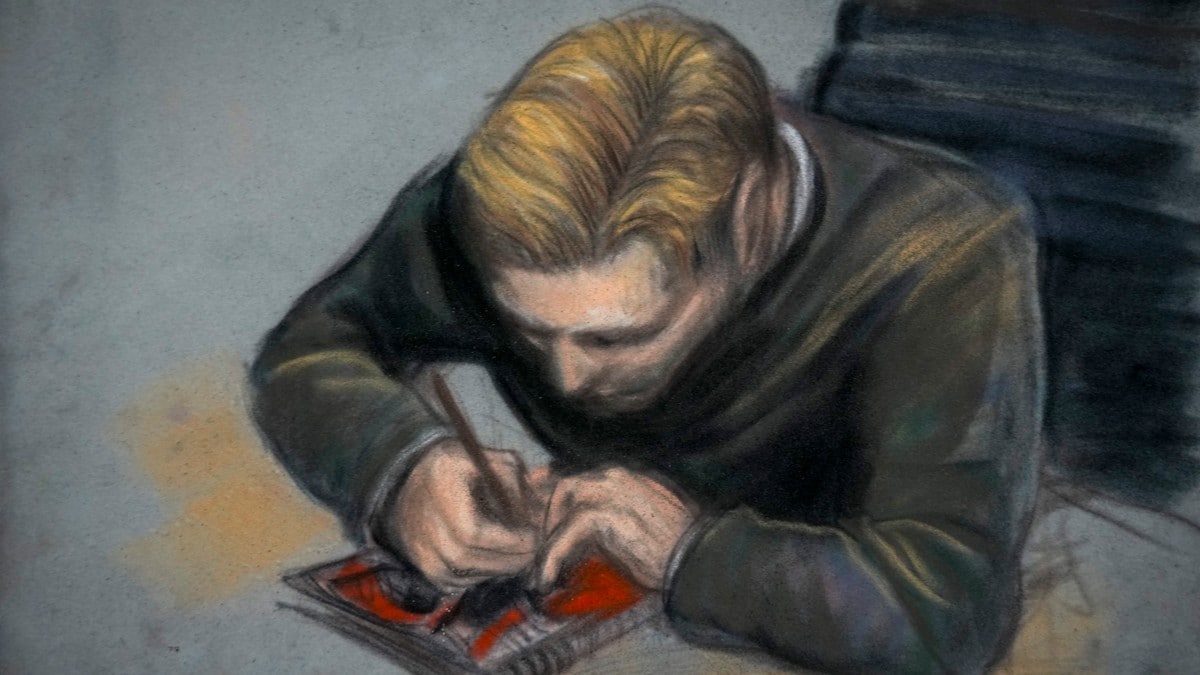
I dag faller dommen i rettssaken mot Høiby Nesten tre måneder etter rettssaken mot Marius Borg Høiby ble avsluttet i Oslo tingrett, kommer dommen.
nrk · about 2 hours ago

I dag gir han Marius Borg Høiby dommen Statsadvokaten ba om nesten 8 års fengsel. I dag faller dommen for Marius Borg Høiby.
aftenposten · about 2 hours ago
Vergewaltigungsprozess: Urteil gegen Mette-Marits Problem-Sohn: Was droht Høiby? Ausufernde Partys, Drogen, Ex-Freundinnen und schockierende Vorwürfe: Der Fall Høiby hat Norwegen monatelang in Atem gehalten. Jetzt bekommt der Sohn von Kronprinzessin Mette-Marit sein Urteil.
tagesspiegel · about 2 hours ago
Nu får bonusprinsen sin dom – via länk i fängelse OSLO. För en vecka sedan vädjade bonusprinsen Marius Borg Høiby, 29, förgäves om att få åka hem till sin mamma, den svårt sjuka kronprinsessan Mette-Marit. Men när domen avkunnas i Oslo tingsrätt på måndagsmorgonen är han för sjuk för att närvara och deltar i stället via videolänk inifrån fängelset. Brotten som han erkänt väntas ge minst ett och ett halvt års fängelse – men om han döms på samtliga åtalspunkter handlar det om flera år bakom murarna, enligt åklagaren.
expressen · about 2 hours ago
Zoon Noorse kroonprinses hoort uitspraak in zaak met veertig aanklachten Na een zeven weken durend proces en verklaringen van zeventig getuigen, hoort de oudste zoon van de Noorse kroonprinses Mette-Marit vandaag de uitspraak in de rechtbank van Oslo. De Noor riskeert een jarenlange gevangenisstraf in een zaak waarin hij wordt verdacht van veertig strafbare feiten.
nu.nl · about 2 hours ago
Vad är 100 plus-syskonens hemlighet? Nästan 400 år ihop – syskonen Rieber delar med sig av några råd.
svenska dagbladet · about 2 hours ago
Bonusprinsen riskerar fängelse – i dag faller domen Ett 40-tal åtalspunkter, sju veckors rättegång och massiv mediebevakning.I dag kommer domen mot Norges bonusprins Marius Borg Høiby. Han riskerar ett mångårigt fängelsestraff om han fälls.
svenska dagbladet · about 2 hours ago

Stepson of Norways crown prince to hear verdict in rape trial reut.rs/4uFFYfJ
bluesky bot · about 3 hours ago
Προφυλακίστηκαν ο γιος και ο βοσκός, κατ οίκον περιορισμός για τον 57χρονο κατηγορούμενο στην υπόθεση Δασκαλάκη
protothema · about 5 hours ago
Tatort Essen: «In den Dschihad gezogen»: Prozess um Messerangriffe startet
die zeit · about 5 hours ago
Prozesse: Urteil um Brudermord in Afghanistan in Hanau erwartet
die zeit · about 5 hours ago