 Saturday, July 4Saturday, July 4
10 days · 4 summary articles
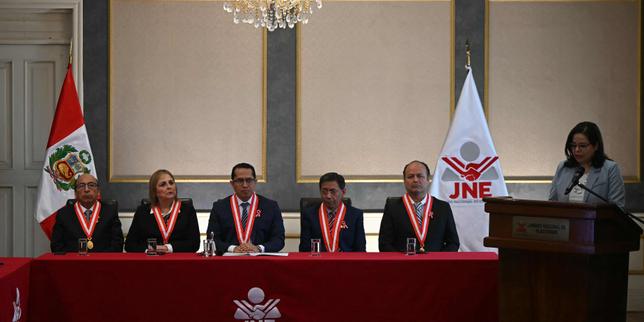
Keiko Fujimori was officially declared Peru’s president-elect on Friday, capping a razor-thin runoff victory that capped weeks of protests, fraud accusations and a high-stakes ballot review. The conservative leader, daughter of the late autocrat Alberto Fujimori, secured 50.1% of the vote, according to the National Jury of Elections, narrowly defeating left-wing rival Roberto Sánchez in a contest that exposed deep political divisions across the Andean nation.
The electoral authority confirmed Fujimori’s victory late Thursday, validating a margin of just 0.1 percentage points after a painstaking recount of contested ballots in Lima and Cusco. Her triumph follows three previous presidential bids that ended in defeat, including a 2021 runoff loss to Pedro Castillo that triggered violent street protests. Fujimori will be sworn in on 28 July, succeeding interim president José María Balcázar, and will serve a five-year term through 2031.
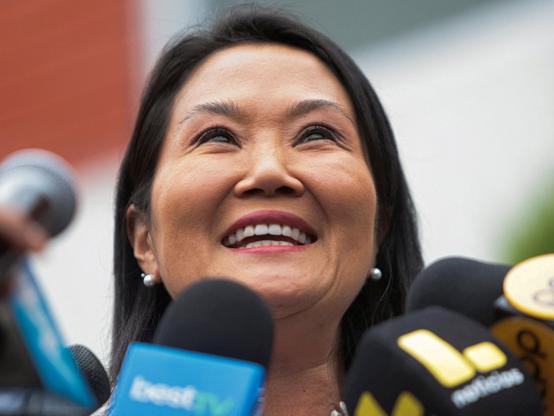
Fujimori’s campaign pivoted on promises to restore order amid soaring crime rates, particularly extortion by organized gangs, and to revive Peru’s mining sector by easing regulatory burdens on private investors. “This marks the beginning of a new chapter,” she told supporters in Lima on Friday, hours after the official proclamation. Her victory was swiftly acknowledged by Washington, with U.S. State Department spokesperson Mark Miller extending congratulations and urging “all political actors to respect democratic institutions.”
Yet Sánchez’s camp has refused to concede, alleging irregularities in vote tallies from rural districts and calling for international audits. “The election was stolen,” said Sánchez in a televised address, echoing claims made by his supporters who staged protests across the capital this week. The electoral authority dismissed the allegations as unfounded, citing transparent monitoring and a 99.9% tally accuracy rate.
Peru’s political landscape remains volatile, with Fujimori inheriting an economy battered by pandemic fallout and social unrest. Her father’s legacy—mired in human rights abuses and corruption scandals—continues to polarize voters, though analysts note her shift toward market-friendly policies has softened her image among business elites. The new president faces immediate challenges: restoring public trust in institutions, curbing gang violence in cities like Callao, and navigating a fragmented Congress where no single bloc holds a majority.
With nine presidents since 2016, Peru’s chronic instability underscores the fragility of its democratic institutions. Fujimori’s inauguration next month will test whether her pledge to “unite Peru” can bridge a society cleaved by ideology and inequality.
Follow us for live European news
4 further sources not geolocated

Perus conservative president-elect Keiko Fujimori on Friday said a "new chapter" was beginning as the highest electoral authority confirmed her narrow victory u.afp.com/SKQz
bluesky_AFP English · about 5 hours ago

Mickoski intends to lead VMRO to another victory in the next general elections Prime Minister Hristijan Mickoski said that his political goal is to lead VMRO-DPMNE to an electoral victory in the next general elections and to continue implementing the policies of the Government. After I have completed this portion of my life as President of the Government, I will return to my students at the university. I […] The post Mickoski intends to lead VMRO to another victory in the next general elections appeared first on Republika English.
republika macedonia · about 5 hours ago

Conservative Keiko Fujimori officially declared winner of Perus presidential runoff election
news.yahoo.com · about 6 hours ago
Lateinamerika: Konservative Fujimori zur Präsidentin von Peru erklärt Mit 50,1 Prozent fährt Keiko Fujimori einen äußerst knappen Wahlsieg ein. Aus Washington kommen Glückwünsche. Doch ihr linker Gegner will das Ergebnis nicht anerkennen.
sueddeutsche · about 6 hours ago
Au Pérou, Keiko Fujimori officiellement proclamée présidente élue Agée de 51 ans, elle accède à la plus haute responsabilité après trois échecs consécutifs et succédera au président par intérim José Maria Balcazar le 28 juillet. Son mandat court jusquen 2031. Dans un pays à linstabilité politique chronique, elle devient le neuvième président du pays depuis 2016.
le monde · about 6 hours ago
Conservative candidate Keiko Fujimori wins Perus presidential election in runoff Voters were primarily concerned with increasing levels of crime, especially extortion by violent organized crime gangs, and Fujimori pledged to combat crime with an iron fist.
euronews · about 7 hours ago

Konservative Fujimori zur Präsidentin von Peru erklärt "Dies ist der Beginn einer neuen Phase", erklärte Fujimori nach wochenlangen Protesten und Betrugsvorwürfen
der standard · about 8 hours ago
Konservative Fujimori neue Präsidentin von Peru
orf.at · about 8 hours ago
Keiko Fujimori declared winner of Peru presidential race After weeks of protests, fraud accusations and review of contested ballots in a razor-thin race, conservative Keiko Fujimori was officially declared the winner of Perus presidential race by…
japantoday · about 8 hours ago
Keiko Fujimori officially declared winner of Peru presidential race Perus electoral authority solidifies right-wing Fujimoris narrow victory over left-wing Roberto Sanchez.
aljazeera · about 8 hours ago
Correction: Kamala Harris Kamala Harris would have needed an extra 230,000 votes across Pennsylvania, Wisconsin and Michigan to win the 2024 US presidential election, not 460,000 as wrongly stated in an article in Life & Arts on June 27
financial times · about 8 hours ago
Conservative Keiko Fujimori wins knife-edge election in Peru Daughter of autocrat vows to boost private investment in mining sector while taking a tough line on crime
financial times · about 9 hours ago
⚡ NEWSKeiko Fujimori wins Peru presidential electionKeiko Fujimori has been officially declared the winner of the Peruvian presidential race, marking a significant political development in South America.📰 #GeoWire
mastodon bot · about 10 hours ago