
Orthodox Christians honor ancestors today: Superstitions shape daily life ahead of Rusalii
Orthodox Christians across Romania and Moldova observe today—May 30, 2026—as *Moșii de Vară* (Summer Ancestors’ Day), a solemn tradition tied to the eve of *Rusalii* (Pentecost), where the dead are believed to await offerings and superstitions dictate daily life. According to *Adevărul*, this day, also called *Moșii Cireșelor* (Cherry Ancestors’ Day), ranks among the most significant for honoring the deceased, with rituals designed to appease spirits and ward off misfortune .
Households prepare *colivă* (boiled wheat with honey and nuts), bread, and fresh cherries—symbols of rebirth—to leave at graves or crossroads, where the dead are said to gather. Villagers avoid washing clothes or sweeping floors, fearing they might "sweep away" a family member’s soul. In some regions, women refrain from braiding their hair, as folklore warns it could entangle the spirits of the departed. The article notes that failing to observe these customs risks inviting illness, crop failure, or even tooth loss—a belief that intersects with broader superstitions about dental health and fate.
The connection between *Rusalii* and tooth loss emerges in Hungarian-language reporting, where dentist László Konrád challenges genetic determinism, arguing that lifestyle choices—rather than supernatural forces—dictate oral health. Konrád dismisses the notion that tooth loss is inevitable, citing modern materials like bioactive glass, which mimics natural enamel, and emphasizing preventive care over invasive treatments like root canals . While his focus is medical, the timing of his remarks underscores a cultural tension: in communities where *Rusalii* superstitions persist, tooth loss is often attributed to spiritual neglect rather than hygiene.
Tomorrow’s *Rusalii* celebrations will shift from mourning to festivity, with churches blessing fields and homes to protect against malevolent spirits. Yet the eve’s rituals remain a stark reminder of how deeply folklore shapes daily behavior—from dietary taboos to dental anxieties—across Orthodox Europe.
- hvg.hu
- adevarul
- die presse
- faz
Articles

Grafenegg: Jetzt hat Rudolf Buchbinder seinen „eigenen Saal [premium] Die Reitschule wurde zum Kammermusiksaal: Standing Ovations für den Festival-Intendanten und seine Freunde bei der feierlichen Eröffnung.
die presse · 8 days ago
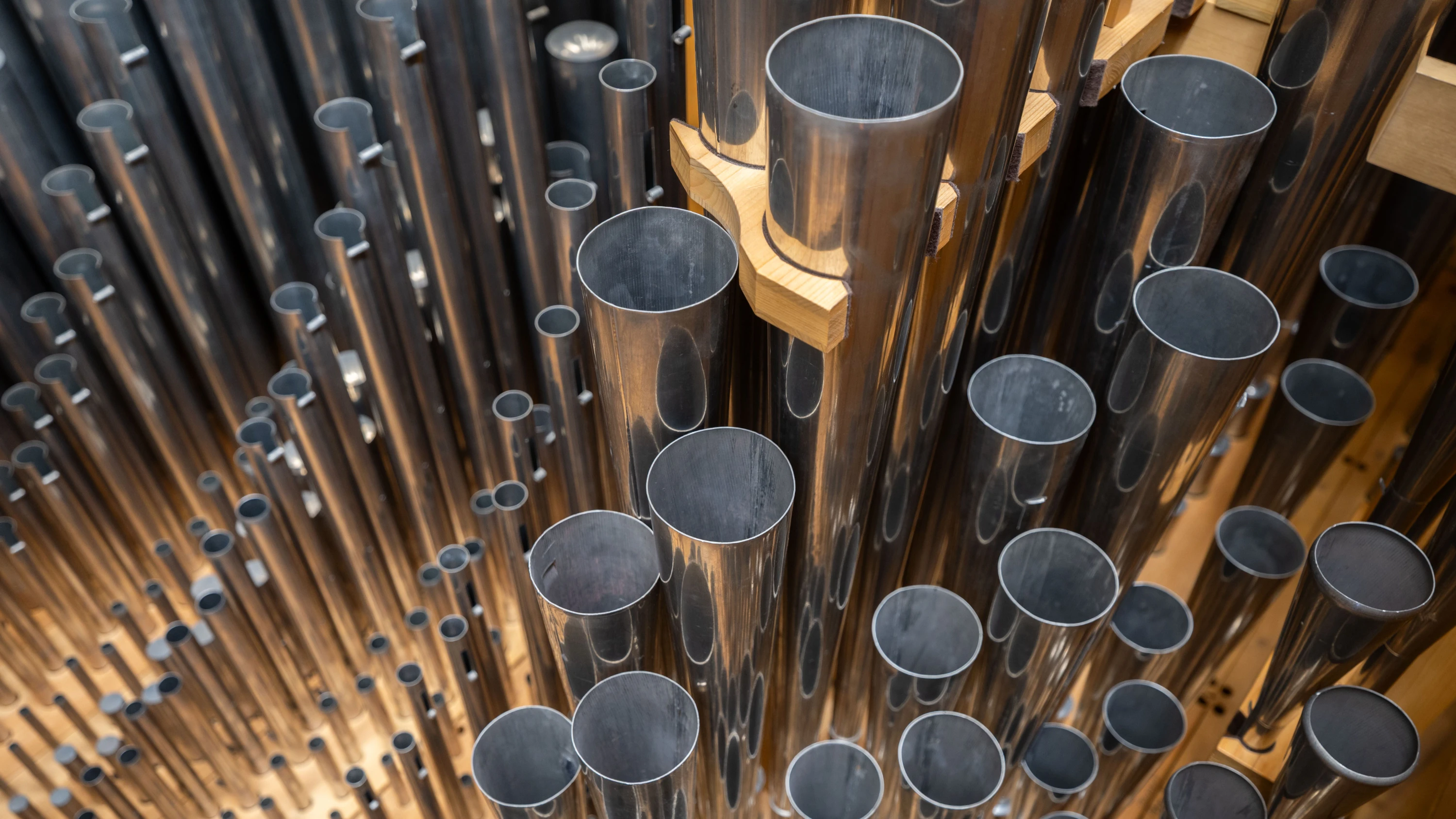
Orgel der Katharinenkirche: Flöten und Streicher für Reger und Liszt In der Katharinenkirche steht eine der bedeutendsten Orgeln Frankfurts. Sie bekommt nun zusätzliche Register, um die Musik der deutschen Romantik noch authentischer zu spielen.
faz · 8 days ago

Sticker-Sammeln: Woran man erkennt, dass man ein Kind der Neunzigerjahre ist Das Comeback der Diddl-Maus steht kurz bevor. Unsere Autorin erinnert sich an eine andere Leidenschaft ihrer Kindheit – das Sammeln von Stickern in Alben.
faz · 8 days ago

Letzter Gang zum Gipfel?: Springen, stolpern, weiterleben Sprachverspielte Mehrdeutigkeit: In Angelika Overaths neuem Roman „Calanda oder Alvas Antwort, dem Abschluss einer Trilogie, denkt eine tödlich erkrankte Frau über ihre Existenz nach.
faz · 8 days ago

Ezért nem törvényszerű a fogvesztés – életmóddal igenis kivédhető a genetika „Megdőlt a régi tézis, amely szerint a szem a lélek tükre – mondja Konrád László fogorvos, de ennél jóval többet is állít: tudatos szokásokkal és egy kis külső segítséggel egy életen át megőrizhetjük saját fogainkat. Miért idegenkedik a gyökérkezeléstől és a koronáktól? Milyen új anyag viselkedik majdnem olyan tökéletesen, mint a fogzománc? Mi okozhat fogászati gócot?
hvg.hu · 8 days ago
Moșii de vară, tradiții și superstiții. Ce trebuie să faci în ziua de dinaintea Rusaliilor, când „morții așteaptă ofrande Sâmbătă, 30 mai, în ajunul Pogorârii Duhului Sfânt (Duminica Rusaliilor), creștin-ortodocșii marchează Moșii de Vară, cunoscuți și ca Moșii Cireșelor, una dintre cele mai importante zile dedicate pomenirii morților, de care sunt legate multe obiceiuri și superstiții.
adevarul · 8 days ago