
Czech commentator criticises populist attacks as desperation in European political debate

Story Timeline
2 months · 3 summary articles
AfD strengthens leadership ahead of German regional votes as Spains Sumar faces collapse
Czech commentator criticises populist attacks as desperation in European political debate
EU summit in Brussels overshadowed by Trump passport row and Dutch apology to Moluccan community
Continuation
The Czech political commentator Jakub Kuba has emerged as a sharp critic of populist rhetoric in Europe, arguing that aggressive attacks on voters by politicians like those in the Motorist party reflect desperation rather than strength. In a column published Friday, Kuba dismissed such tactics as a sign of overestimating one’s own appeal, writing that “when a politician resorts to insults and complains that the people don’t understand him, it’s a sign of desperation—or a misjudgment of his own sex appeal” .
Kuba’s remarks come amid a broader European debate over political communication, with Spanish commentators mocking right-wing parties for their perceived inability to govern effectively. A La Vanguardia op-ed titled “Hydration Breaks” sarcastically addressed conservative leaders, noting that their eagerness to “fix the country” is so intense that they cannot even wait for a glass of water .
In Slovakia, Prime Minister Robert Fico’s push for a 13th pension has drawn scrutiny over its financial sustainability. Critics, including former finance minister Ivan Mikloš, have likened the proposal to a pyramid scheme, warning that it could destabilize the pension system . Mikloš, writing in *Respekt*, argued that unpopular politicians often thrive by embracing divisive tactics, a phenomenon he described as “the success of repulsive politicians” .
Meanwhile, in the Netherlands, the government’s long-delayed nitrogen policy reforms face renewed scrutiny as lawmakers debate whether the country can finally emerge from its “nitrogen lock.” The issue has sparked protests from farmers and environmental groups, with some arguing that the current deadlock is unsustainable .
In Germany, Schleswig-Holstein’s premier Daniel Günther has warned that the far-right Alternative for Germany (AfD) poses a growing threat to the country’s economic stability. Speaking to *Die Welt*, Günther criticized the party’s divisive rhetoric, stating that its policies could “damage the economy” and that the term “firewall” against cooperation with the AfD is misleading .
Across Europe, political tensions are escalating as parties grapple with shifting voter sentiment. In France, the far-right National Rally faces internal divisions, with figures like Le Bracq—an influencer known for his pro-“remigration” stance—highlighting the gap between the party’s official discourse and its radical base . In Spain, Andalusia’s conservative leader Moreno is struggling to contain the influence of the far-right Vox party, despite adopting some of its hardline positions .
As Europe heads into a summer of political reckoning, the continent’s leaders are being forced to confront the consequences of their rhetoric—and the limits of their appeal.
Follow us for live European news
- 4
- 3
- 2
- 1
- 1
Articles
:format(jpg)/f.elconfidencial.com%2Foriginal%2Fbf9%2F839%2F99a%2Fbf983999a6d0d8f98b97f1718c9ddedb.jpg)
Cierre total de estas estaciones de Metro durante el fin de semana: las paradas afectadas por los cortes La celebración del Orgullo volverá a modificar la movilidad en el centro de Madrid durante los próximos días
el confidencial · about 2 months ago

Las 15 terrazas de Madrid que no puedes perderte este verano: de la más exclusiva en el barrio de Salamanca a la más cinematográfica al lado de la Puerta del Sol Los rooftops de la ciudad han dejado de ser simples miradores para convertirse en destinos gastronómicos que seducen con su cocina, su coctelería y una variada oferta de ocio Leer
elmundo · about 2 months ago

Bruno Mars viert de mooie vrouwen van Amsterdam tijdens show in ArenA De Johan Cruijff ArenA is wederom het toneel van een wereldster. Na een concertreeks van Harry Styles is het nu vier avonden de beurt aan Bruno Mars. De ArenA kleurt nog roder dan normaal en de zanger geniet van de "mooie vrouwen".
nu.nl · about 2 months ago
Le stagiaire, nouvel archétype de la vie professionnelle « Work in progress ». Dans un marché de lemploi difficile daccès pour les jeunes, le stage est parfois devenu lultime moyen pour mettre un pied dans la porte, un substitut au CDD qui suscite vidéos et commentaires en rafale sur les réseaux sociaux.
le monde · about 2 months ago
Krankmeldung: Merz verteidigt AU-Pflicht – „Sie müssen nicht am ersten Tag in die Praxis Die Koalition will die Fehlzeiten wegen Krankheit in den Firmen senken und dafür die Regeln für Arbeitsunfähigkeitsbescheinigungen verschärfen. Nur wie kann das sinnvoll umgesetzt werden?
handelsblatt · about 2 months ago

El hinchable de Ikea y otros diseños que apuntan a icono Sorpresa, movimiento y diversión son tres de las claves de la colección IKEA PS que la marca ha lanzado coincidiendo con el 30º aniversario de su llegada a la península. Leer
expansion · about 2 months ago

Òh!pera, el festival Bachcelona y otras citas con la clásica este verano en Barcelona La Fabra i Coats acoge esta semana las microóperas del Liceu y el DHub, y la semana que viene la música seguirá sonando con el Bachcelona y el ciclo Estiu al Palau
la vanguardia · about 2 months ago

De las entradas a las apuestas, los delincuentes ahora se cuelan en tus planes de verano A los típicos timos con hoteles y viajes se les unen cada vez más el ocio
la vanguardia · about 2 months ago

Minutos de silencio, trenes parados y banderas a media asta en recuerdo del 3 de julio de 2006 La Generalitat Valenciana hará un minuto de silencio en el pleno del Consell y el Ayuntamiento de València convoca otro a las 12 horas, pero la oposición afea que no haya un homenaje como sí que realizará Torrent
la vanguardia · about 2 months ago

Gonzalo de Oro: La compra de vivienda habitual no puede tener impuestos Gonzalo de Oro, presidente del grupo municipal de VOX en Barcelona, dice que el Ayuntamiento ha de preocuparse mucho menos por el calor y mucho más por la inseguridad
la vanguardia · about 2 months ago

Ramon Lamiel, director de Trànsit: Estamos en contra de la circulación de motos por el arcén El nuevo Reglamento General de Circulación contempla la posibilidad de que los motociclistas puedan utilizar esa parte de la vía en circunstancias muy específicas
la vanguardia · about 2 months ago

Dos décadas del accidente de metro de Valencia: No es un aniversario más, es bastante doloroso Este viernes se cumplen dos décadas de la tragedia y las familias se reunirán junto a la estación de Jesús en el monumento homenaje, al que asisten también víctimas de la dana
la vanguardia · about 2 months ago

Los viticultores buscan soluciones a la falta de relevo generacional El 37 de los titulares de las explotaciones agrarias de la comarca de lAlt Penedès tiene más de 65 años
la vanguardia · about 2 months ago
:format(jpg)/f.elconfidencial.com%2Foriginal%2F12e%2F5c2%2Fe0e%2F12e5c2e0e7b17fa38dcea544f6bc1a50.jpg)
Moreno baja del pedestal a trompicones y se enfrenta al reto de domesticar a Vox El líder del PP andaluz asume los mismos postulados que sus compañeros en Extremadura, Aragón y CyL, aunque consigue limitar la presencia del partido de Abascal, que no gestionará la inmigración ni las políticas sociales
el confidencial · about 2 months ago

Das erste Schuljahr ist geschafft! "Ich dachte, dass die Schule schwieriger wird" Der Zeugnistag markiert das Ende eines Schuljahres. Für manche Lehrerinnen und Schüler war das heurige ihr erstes. Wie ist es ihnen ergangen?
der standard · about 2 months ago
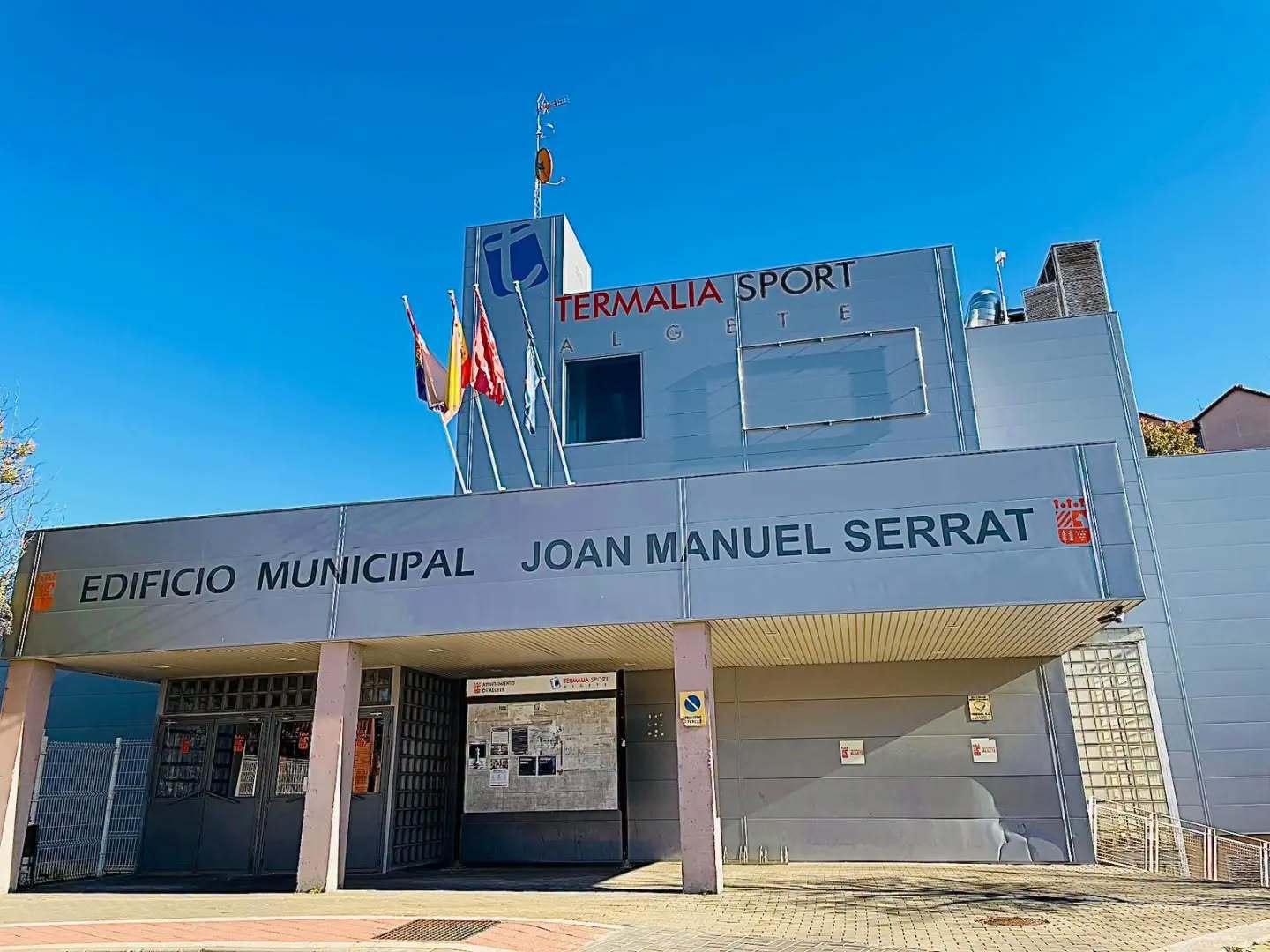
Del homenaje al fiasco en Algete: Epifanio rechaza que el auditorio Joan Manuel Serrat lleve su nombre tras la polémica El Ayuntamiento quiso eliminar el nombre del cantante catalán para poner en su lugar el de este vecino, de 90 años, compositor y profesor de música Leer
elmundo · about 2 months ago
Aus für telefonische Krankschreibung – DAK-Chef warnt vor überfüllten Arztpraxen „Die Abschaffung der telefonischen Krankschreibung steigert die Zahl der Arztkontakte und damit auch die Belastung der Beschäftigten in den Praxen, sagte Vorstandschef Andreas Storm der Deutschen Presse-Agentur.
welt.de · about 2 months ago

„Wir müssen sagen, was passiert, wenn die Menschen leichtfertig der AfD die Stimme geben Daniel Günther fordert einen härteren Blick auf die AfD und warnt vor den möglichen Folgen ihres Programms: Die Partei spalte und schade der Wirtschaft. Den Brandmauer-Begriff findet der Ministerpräsident Schleswig-Holsteins „irreführend.
welt.de · about 2 months ago

La Primera de Expansión sobre VW, Amazon, Santander, Palacios, Anthropic y Exxon Los gigantes empresariales recortan 430.000 empleos en lo que va de año. Volkswagen, UPS, Oracle, Nissan, Amazon, Nestlé, Estée Lauder, BAT o Meta suprimen miles de puestos debido a la incertidumbre económica, la caída del consumo y los cambios tecnológicos. Leer
expansion · about 2 months ago

„Das sind nicht drei separate Geräte. Das ist ein Gerät! Steve Jobs legendäre Präsentation des iPhones löste 2007 Begeisterung aus, aber auch Skepsis. Viele konnten sich nicht vorstellen, dass Smartphones mit physischen Tasten bald vom Markt verschwinden würden. Die neue Folge unserer Serie zu 80 Jahren WELT.
welt.de · about 2 months ago
Editorial: Deutschland lässt sich nicht aus dem Homeoffice erneuern Die schwarz-rote Koalition hat sich auf ein Reformpaket mit vielen guten Elementen geeinigt. Doch damit Deutschland wieder in Bewegung kommt, reicht Politik allein nicht aus.
handelsblatt · about 2 months ago
AfD-Parteitag in Erfurt: AfD – blockieren und verbieten? Zehntausende wollen dieses Wochenende gegen den Parteitag der AfD protestieren, die Verbotsdebatte ist in vollem Gange. Doch hilft das gegen den Rechtsruck? mehr...
taz.de · about 2 months ago
Bericht über Merz-Döpfner-Treffen: Der Kanzler auf Springers Abschussliste Der Springer-Konzern wendet sich von Merz ab und öffnet sich für eine Kooperation zwischen CDU und AfD. Um das zu sehen, braucht es keine Vieraugengespräche. mehr...
taz.de · about 2 months ago
Qui est Le Bracq, militant RN, fan de Bardella et influenceur pro- «remigration» ? Le jeune homme, qui reprend dans un style décontracté les thèses et les codes de la radicalité identitaire, illustre lécart entre le discours officiel du Rassemblement national et les aspirations de sa base.
liberation · about 2 months ago

El PSOE gana un 70 más y dispara la partida para retribuir a la alta dirección "al ser colegiada para sustituir a Cerdán" Declara un superávit de 12,7 millones y mantiene en 40 millones su partida de pago a "servicios exteriores", pese a la caída de ingresos Leer
elmundo · about 2 months ago
„Niemand soll wirklich ab dem ersten Tag zum Arzt müssen – SPD relativiert Krankschreibungsregeln Die Bundesregierung legt ein Maßnahmenpaket mit 34 Punkten vor. Von den Oppositionsparteien kommt scharfe Kritik. Doch es gibt auch Lob für Schwarz-Rot. Mehr im Liveticker.
welt.de · about 2 months ago
AfD erreicht in Thüringen höchsten jemals für sie gemessenen Wert Die Brombeer-Koalition aus CDU, BSW und SPD kommt in Thüringen einer Umfrage zufolge nur noch auf 35 Prozent. Die AfD erreicht einen Höchstwert. Sehen Sie diese und weitere Nachrichten bei WELT TV.
welt.de · about 2 months ago

Cataluña tendrá que tramitar un cuarto de las solicitudes de regularización con sus comisarías al 80 A la carga de trabajo actual se irán sumando los 257.602 expedientes del proceso. No hay cita previa en Barcelona ni Lleida para obtener la TIE, paso imprescindible Leer
elmundo · about 2 months ago

La cerveza de Toledo que lucha por competir con las grandes En quince años Cerverza La Sagra ha pasado de ser un sueño personal a convertirse en un proyecto que, de la mano del gigante Molson Coors, ha catapultado su marca Madrí Excepcional. Ahora, su objetivo es diversificar con nuevas bebidas. Leer
expansion · about 2 months ago

A Madrid, les riverains donnent de la voix contre les mégaconcerts La star Bad Bunny est restée de fin mai à mi-juin en résidence dans un stade de la capitale espagnole. Des concerts qui ne furent pas du goût des habitants du quartier. Lassés par le bruit, de nombreux Madrilènes déplorent la transformation de leur ville, alors que les autorités locales ont fait de lévénementiel un moteur de la croissance.
le monde · about 2 months ago