 Sunday, June 7Sunday, June 7
The death of 22-year-old Lyhanna in France has ignited a political firestorm, with opposition leaders accusing the government of systemic failure and demanding the resignation of Interior Minister Gérald Darmanin. Mathilde Panot, leader of the far-left La France Insoumise (LFI) faction, declared on Sunday that Lyhanna’s death exposed a “profound crisis of justice” and accused Darmanin of presiding over a “clochardisation of the justice system” .
Lyhanna, whose full name has not been disclosed by French media, died on Friday after a prolonged legal battle that saw repeated failures to protect her from alleged domestic violence. Panot, speaking to *Le Monde*, argued that Darmanin’s policies had created a climate where victims’ pleas were systematically ignored. “The justice system is collapsing under the weight of inaction,” she stated, calling for immediate structural reforms.
Jean-Philippe Tanguy, a deputy from the far-right Rassemblement National (RN), went further on Sunday, labeling the case a “State scandal” during a joint interview with *France Télévisions* and *Le Monde* . Tanguy, who serves as the RN’s deputy group leader in the National Assembly, demanded a parliamentary inquiry into what he described as “institutional negligence.” His intervention underscores the cross-party consensus that Lyhanna’s death was preventable, though it also risks politicizing a tragedy that has galvanized feminist groups across France.
The case has reignited debates over gender-based violence in France, where 102 women were killed by their partners or ex-partners in 2025, according to government figures. Giulia Foïs, writing in *Libération*, criticized political leaders for their performative shock in the aftermath of such deaths, noting that “our politicians are all ‘shocked’ and ask questions: were there dysfunctions? They want culprits, but have done so little to stop femicides” .
Darmanin has yet to respond publicly to the calls for his resignation, though his office has pledged to review all domestic violence cases flagged by advocacy groups. Meanwhile, feminist organizations are planning nationwide protests on Tuesday, demanding accountability and the implementation of the 2024 “Violences Conjugales” law, which remains underfunded.
The political fallout extends beyond France’s borders. In Romania, the far-right MEP Diana Șoșoacă faced criticism from the Ministry of Foreign Affairs after praising Vladimir Putin at a summit in St. Petersburg on Saturday. Romanian officials condemned her participation, stating that “the loneliness of the aggressor cannot be hidden behind guests who do not speak in the name of their country” .
As France grapples with the implications of Lyhanna’s death, the case has become a flashpoint for broader anxieties about institutional failure, gender-based violence, and the erosion of public trust in justice systems across Europe.

100 kilomètres pour 18 heures deffort: limmense défi du prince Gabriel au trail de Bouillon Le prince Gabriel, âgé de 22 ans, a relevé un défi extrême ce samedi : celui de participer à un trail de 100 km. ...
la libre · about 2 hours ago

Action des enseignants : une "large manifestation pacifiste" prévue lundi à Bruxelles Les collectifs Mars Attacks, Parents Attacks, Students Attacks et Ecoles en lutte ont appelé la société civile à venir marcher pacifiquement dans les rues de Bruxelles lundi en réaction aux nombreux témoignages de violences policières lors de manifestations contre les mesures déconomie touchant le secteur de lenseignement en fin de semaine. ...
la libre · about 2 hours ago

Il y a cinquante ans, le procès de la justice patriarcale En 1976, deux mille femmes de quarante pays tiennent à Bruxelles le premier Tribunal international des crimes contre les femmes, où elles dénoncent les injustices et les crimes spécifiques qui les visent. Un moment clé de lhistoire des féminismes, dont les minutes viennent de paraître.
mediapart · about 2 hours ago

Après Nicolas Sarkozy, Gaël Perdriau: les politiques face au délit dassociation de malfaiteurs Condamné en première instance, lancien maire de Saint-Étienne sera jugé en appel à partir du 8 juin, dans laffaire du chantage à la sextape. Comme Nicolas Sarkozy, avec qui il partage dailleurs le même avocat, il tente de se dégager du soupçon dassociation de malfaiteurs en chargeant son ancien bras droit.
mediapart · about 2 hours ago

Un volant rectangulaire pour la prochaine Peugeot 208 La prochaine Peugeot adoptera une direction par câble électrique. Fini la colonne de direction à lancienne. Une rupture technologique invisible pour lautomobiliste, que la marque au lion a choisi dincarner par un volant à la forme originale.
le monde · about 2 hours ago
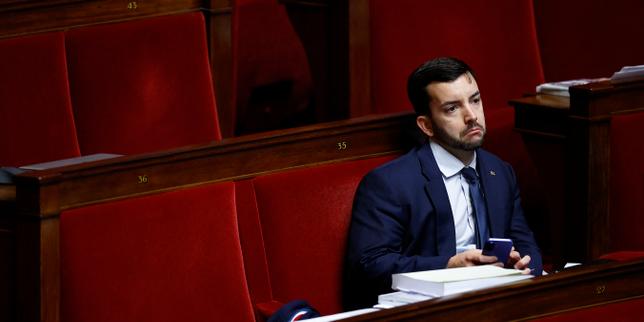
Affaire Lyhanna : Jean-Philippe Tanguy, député du RN, dénonce « un scandale dEtat » Le député de la Somme et président délégué du groupe Rassemblement national à lAssemblée nationale était linvité de France Télévisions et du « Monde » dimanche, de midi à 13 heures.
le monde · about 2 hours ago

MAE, după elogiul lui Șoșoacă pentru Putin: Singurătatea agresorului nu se ascunde cu invitaţi care nu vorbesc în numele țării lor Prezenţa alături de oficiali ruşi şi oameni de afaceri sub regim de sancţiuni europene a unor cetăţeni europeni nu îi validează pe primii şi îi descalifică pe ultimii, afirmă purtătorul de cuvânt al MAE după ce europarlamentarul SOS România Diana Şoşoacă a participat la summit-ul convocat de Vladimir Putin la Sankt Petersburg, unde l-a elogiat pe liderul de la Kremlin şi a vorbit în numele românilor, potrivit News.ro. Reprezentantul MAE i-a numit „excepţii jenante pe cei câţiva cetăţeni europeni prezenţi la reuniune.
digi24 · about 2 hours ago
Cum bruiază Rusia semnalul GPS în toată Europa, uneori întrerupându-l pentru secunde bune, din 2019 încoace Sateliții ruși au provocat de mai multe ori întreruperi ale semnalului GPS de câteva secunde în toată Europa, potrivit The New York Times (NYT) care citează un studiu recent furnizat publicației americane de oameni de știință specializați în tehnologia GPS și de o persoană familiarizată cu un briefing al Forțelor Aeriene ale SUA privind bruiajul. NYT a aflat, de asemenea, că Uniunea Europeană a efectuat o anchetă cu privire la incidente, deși rezultatele acesteia sunt clasificate, a declarat un purtător de cuvânt.
digi24 · about 2 hours ago

Putins förre propagandist släpps in i fransk värme PARIS. Den ryska statsägda kanalen RT:s tidigare chef i Frankrike, Ksenija Fjodorova, har släppts in i värmen av den franska mediemogulen Vincent Bolloré. Fjodorova får sprida Kremls talepunkter i den stora nyhetskanalen Cnews, hon har en stående kolumn i en av Bollorés tidningar och hennes bok har getts ut på ett av hans förlag.
dagens nyheter · about 2 hours ago
«Le Magazine de la santé» sur France 2 à la rentrée, coanimé par Flavie Flament Du changement à venir sur France Télévisions : la célèbre émission du service public dédiée à la santé, notamment, va changer de chaîne et sera présentée par le duo Flavie Flament et Jimmy Mohamed.
liberation · about 2 hours ago

Lammy told JD Vance his remarks about Henry Nowak were wrong – UK politics live The justice secretary said he spoke to the US vice president after he blamed mass immigration for Nowaks murderReform UKs home affairs spokesperson Zia Yusuf said that UK police are institutionally racist, claiming that there is structural anti-white prejudice.When asked by Laura Kuenssberg if he thinks the police are institutionally racist, he said: I think the correct answer to that has to be yes given literally on their website it tells people not to treat people the same – to not be colour-blind. Continue reading...
theguardian · about 2 hours ago

Why are so many Black women dying at the hands of their partners? Black women are two and a half times more likely to be murdered by men than white women are. This is a public health crisisIn April alone, at least half a dozen Black women were allegedly killed by their partners, including the high-profile cases of Cerina Fairfax, estranged wife of the former Virginia lieutenant governor Justin Fairfax, and Nancy Metayer Bowen, vice-mayor of Coral Springs, Florida. Shaneiqua Elkins survived a shooting by her husband, Shamar Elkins, that wounded her and killed seven of her children and one of their cousins in Shreveport, Louisiana.These tragedies are shining a light on the killings of Black women and the systems that allow that violence to continue.Tayo Bero is a Guardian US columnist Continue reading...
theguardian · about 2 hours ago
European Earthquake Update: 5 Quakes Shake Greek Island Near Athens, No Injuries Reported Greece 2026 ATHENS, Greece, June 7 – Brussels Morning Newspaper — European earthquake update as a series of five earthquakes rattled a Greek island near Athens, causing concern among residents but resulting in no reported injuries or major damage. Authorities confirmed that emergency services and geological experts are continuing to monitor the situation while assessing seismic data from the […]
brussels morning · about 2 hours ago
Transgender Athlete Policy: Supreme Court Poised to Decide 2 Landmark Cases Washington 2026 WASHINGTON, D.C., June 7 – Brussels Morning Newspaper — Transgender athlete policy is at the center of national attention as the U.S. Supreme Court prepares to issue decisions in cases that could significantly influence school sports regulations, state laws, and future legal challenges across the country. The pending rulings are among the most closely watched legal developments of […]
brussels morning · about 2 hours ago
France Sanctions Update: 5 New Measures Under Review as Global Attention Grows Paris 2026 PARIS, France, June 7 – Brussels Morning Newspaper — France sanctions update developments are drawing international attention after French officials indicated that additional sanctions targeting certain Israeli settlers could be imposed in the coming days. The comments reflect growing diplomatic concern regarding ongoing tensions in the West Bank and signal that European governments continue evaluating policy options aimed […]
brussels morning · about 2 hours ago
Denunciato il senatore di Fi Silvestro: Violenza sessuale nel suo ufficio. Lui: Assurdo. La Russa ordina accertamenti Una donna di 52 anni, agente di commercio di vini, ha denunciato di essere stata aggredita sessualmente dal senatore di Forza Italia Francesco Silvestro. A riportare la notizia è Repubblica, dando atto della versione fornita dalla presunta vittima ai pm e alle forze dellordine: a febbraio del 2025, durante un incontro nellufficio di Silvestro per […] Larticolo Denunciato il senatore di Fi Silvestro: Violenza sessuale nel suo ufficio. Lui: Assurdo. La Russa ordina accertamenti proviene da Il Fatto Quotidiano.
il fatto quotidiano · about 3 hours ago
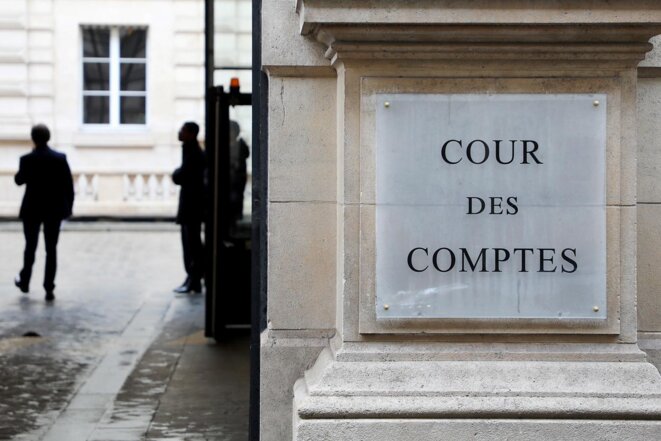
Une affaire dexhibition sexuelle divise la justice La façon dont est traité le dossier dun magistrat de la Cour des comptes accusé de sêtre masturbé devant une collègue révèle de fortes divergences au sein de la justice face aux violences sexistes et sexuelles.
mediapart · about 3 hours ago
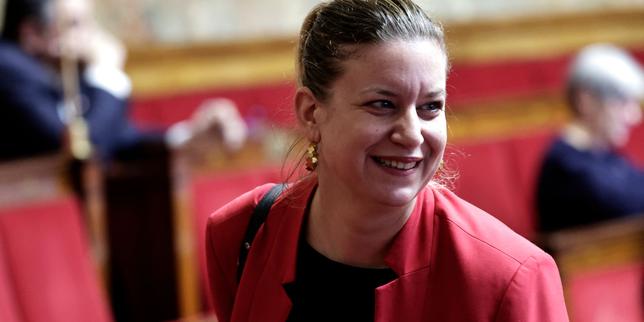
Mort de Lyhanna : l« insoumise » Mathilde Panot exige la démission de Gérald Darmanin, quelle accuse davoir enclenché une « clochardisation de la justice » Pour la cheffe de file des députés LFI, la mort de Lyhanna révèle une crise profonde de la justice et linaction face aux alertes répétées.
le monde · about 3 hours ago
Märkte: „Wir müssen uns behaupten: Der Finanzplatz London kämpft um sein Comeback Die Finanzmetropole boomt trotz Brexit – und steht dennoch unter Druck: Angriffe von Trump, politische Krisen und schwache Börsengänge treffen die City. Jetzt wirbt London um Vertrauen.
handelsblatt · about 3 hours ago

Jean-Luc Mélenchon, lidole des jeunes À 74 ans, avec un savant mélange de lutte des classes dune autre époque et dune théorie critique de la race très actuelle, Jean-Luc Mélenchon est devenu la vedette de la Gen Z, constate le très libéral hebdomadaire britannique The Economist. Le leader de La France insoumise lance sa campagne pour lélection présidentielle dimanche 7 juin, avec un premier grand meeting, à Saint-Denis.
courrier international · about 3 hours ago
Championnat de France de longe-côte à La Baule : «Si cest un sport de mamie, cest une mamie bien, bien en forme» Marcher le long de la plage, leau à mi-torse, nest pas seulement un moyen de lutter contre les rhumatismes. Cest aussi un sport, parfois à risques, qui séduit de plus en plus les jeunes.
liberation · about 3 hours ago
Senatore accusato di molestie, La Russa apre unindagine interna Le reazioni dopo la notizia svelata da Repubblica. Il Pd: Se accuse confermate, sarebbero di una gravità inaudita. M5S: Sconcertati. Lesponente di FI a Palazzo Madama respinge le accuse
corriere · about 3 hours ago
MAE, despre dialogul Șoșoacă – Putin: „Singurătatea agresorului nu se poate ascunde cu invitați care nu vorbesc câtuși de puțin în numele țării lor „Prezența alături de oficiali ruși și oameni de afaceri sub regim de sancțiuni europene a unor cetățeni europeni nu îi validează pe primii și îi descalifică pe ultimii, a transmis Andrei Țărnea, purtător de cuvânt al Ministerului de Externe, într-o serie de mesaje publicate duminică pe X. El nu o numește direct pe Diana Șoșoacă, …
hotnews.ro · about 3 hours ago