Loading…
 Saturday, September 26Saturday, September 26
3 months · 2 summary articles
Statue of 17th-century French explorer removed in Ontario after vandalism
Royal couples, governments, and artists drive Europes cultural revival: Denmark, Romania, Hungary, Czech Republic, and France lead initiatives
A statue of Samuel de Champlain, the 17th-century French explorer and founder of Quebec, has become the latest flashpoint in a widening debate over colonial heritage after it was vandalised and removed from public display in Ontario. The bronze monument, erected in 1925 in the town of Orillia, was taken down this week following an act of defacement that local officials described as a deliberate challenge to its legacy. Indigenous groups have long criticised Champlain’s portrayal as a unifying figure, arguing that his expeditions laid the groundwork for centuries of dispossession and systemic oppression.
The statue’s removal has reignited national conversations about how Canada confronts its colonial past. Indigenous leaders and historians have framed the monument as a symbol of erasure, while some conservative commentators have framed its removal as an erasure of history itself. The debate mirrors similar controversies across Europe and North America, where statues tied to colonialism or contested historical narratives have become targets of protest and political contention. In Ontario, local press reports indicate that the statue’s future remains uncertain, with municipal authorities weighing options that range from relocation to a museum to permanent removal.
The controversy arrives amid broader cuts to cultural funding in Austria, where Ferdinand Nagele, director of the Griessner Stadl cultural association in the Murtal region, described the reductions as a “painful swallow” for grassroots arts organisations. Nagele’s remarks, published today, underscore a growing divide between state-supported “folk culture” and independent artistic expression, a tension that critics warn risks narrowing public discourse. In neighbouring Estonia, soprano Annely Peebo argued in an interview that Estonian cultural institutions could learn from Austria’s model of mutual support, where artists and institutions actively value one another’s work.
Across the Atlantic, the debate has taken on geopolitical dimensions. In Ukraine, the philosopher Hryhori Skovoroda—whose 18th-century writings on dignity and freedom have been invoked as a national symbol—has become a target of Russian attacks, according to Dutch newspaper *Trouw*. The article frames Skovoroda’s legacy as emblematic of Ukraine’s struggle for democratic values, a narrative that resonates with the broader resistance to cultural erasure in Canada and beyond.
In Norway, the country’s largest LGBTQ+ rights organisation, FRI, has faced calls to sever its ties with Pride events, a proposal that organisers have dismissed as “historically illiterate.” The debate reflects ongoing tensions between institutional recognition and grassroots activism, a dynamic that mirrors the statue controversy in its clash of historical narratives. As municipalities, cultural institutions, and civil society groups navigate these disputes, the common thread is a struggle over whose history is preserved—and whose is erased.
Follow us for live European news
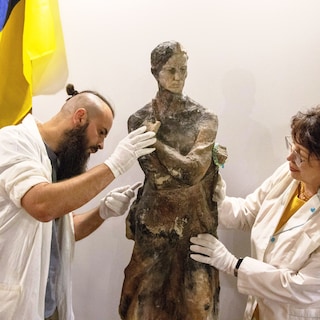
Zelfs Oekraïense filosofen zijn nu doelwit van de Russen: Hryhori Skovoroda symboliseert onze strijd voor waardigheid, democratie en vrijheid
trouw · 3 months ago

Kultur verteidigen: Gegen den Kulturkampf kämpfen Kulturabbau ist Teil von Demokratieabbau – das haben Rechte verstanden. Deshalb ist es Zeit, dass Linke dem was entgegensetzen. mehr...
taz.de · 3 months ago
De sier Pride må samle flere, men peker samtidig på transpersoners rettigheter som problemet FRI har ledet an i kampen for skeives frigjøring i Norge, derfor er det historieløst å mene at FRI og pride bør skilles.
aftenposten · 3 months ago

Fondue ou déplacée, que va devenir la statue de Champlain en Ontario ? Un sort incertain attend une statue récemment retirée, après avoir été vandalisée, du père de la Nouvelle-France, dont lhéritage colonial est dénoncé par des Autochtones. Le débat autour du monument érigé en 1925 à la gloire de lexplorateur français Samuel de Champlain, fondateur de Québec, a gagné tout le pays, selon la presse locale.
courrier international · 3 months ago

Kürzung bei Kulturförderung: "Da mussten wir erst einmal schlucken" Ferdinand Nagele, Leiter des Kulturvereins Griessner Stadl im Murtal, über das Spiel mit dem Begriff Volkskultur und die gefährdete steirische freie Kunstszene
der standard · 3 months ago
Annely Peebo: artistide väärtustamine võiks olla eeskujuks Eesti kultuuriasutustele Austrias elav metsosopran Annely Peebo leiab, et Eesti kultuurielu võidab kõige rohkem siis, kui oskame üksteist väärtustada, toetada ja tunnustada.
postimees · 3 months ago

Aguiar-Branco: "Autonomia significa responsabilidade" "Autonomia significa responsabilidade e responsabilidade significa responsabilização", defendeu Aguiar-Branco
observador · 3 months ago
Det er historieløst å mene at FRI og pride bør skilles FRI har ledet an i kampen for skeives frigjøring i Norge, derfor er det historieløst å mene at FRI og pride bør skilles.
aftenposten · 3 months ago
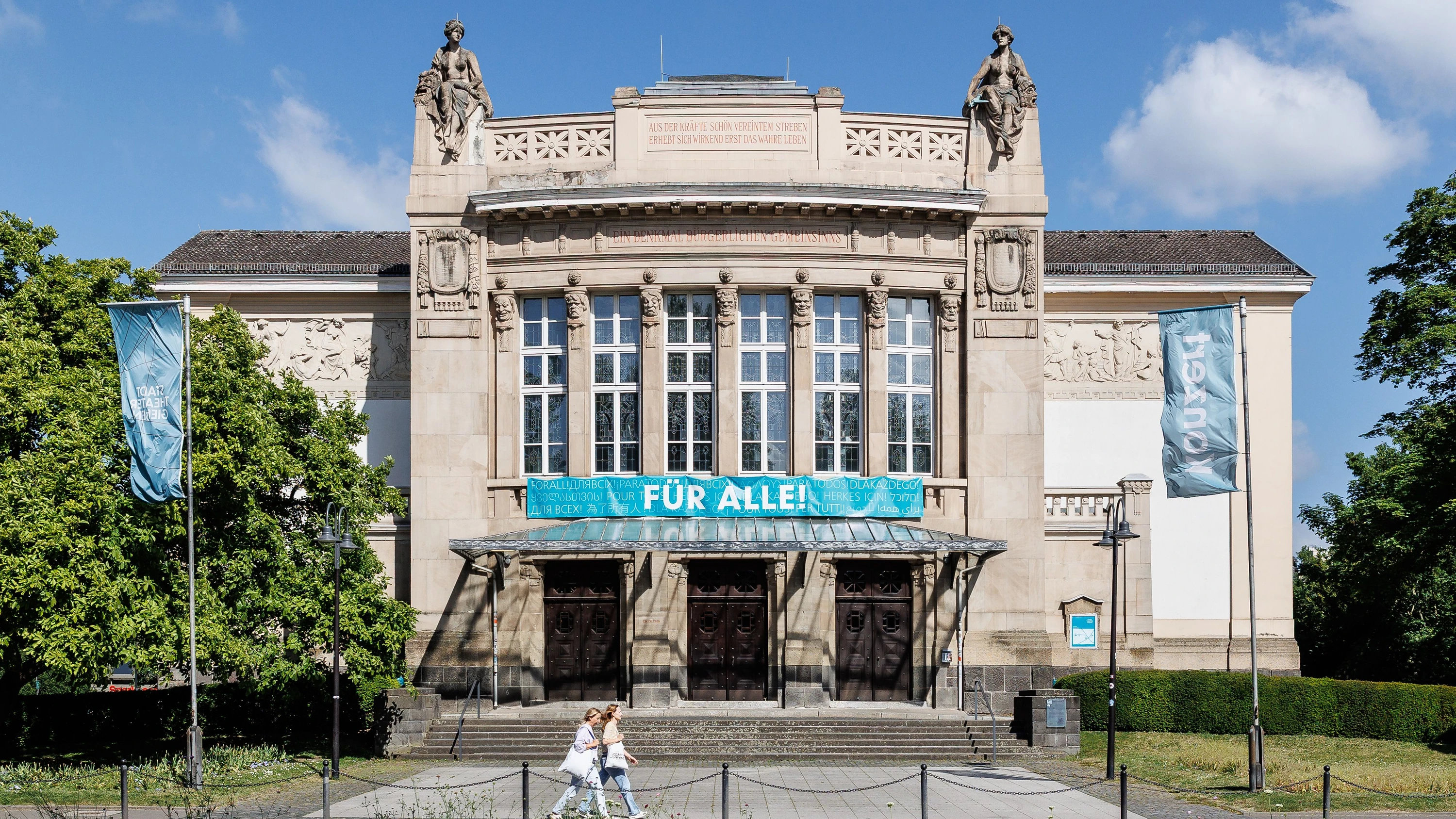
Angriff auf Stadttheater: Auch Theater müssen sich vor Hackern schützen Das Stadttheater Gießen ist Opfer eines massiven Hackerangriffs geworden. Die zunehmende Digitalisierung auch in Theatern und anderen Kultureinrichtungen erfordert mehr Schutz.
faz · 3 months ago