
Israel formally recognises Armenian genocide amid worsening ties with Turkey

Israel’s government on Sunday unanimously voted to formally recognise the 1915–1917 killings of Armenians under the Ottoman Empire as genocide, a historic shift that deepens a rift with Turkey and fulfils a long-deferred moral obligation, Israeli and European officials said.
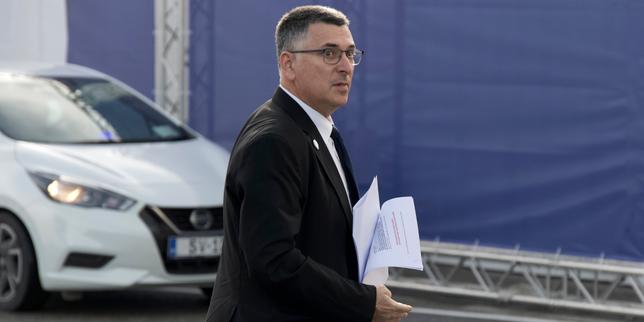
The decision, taken in a cabinet meeting on 28 June 2026, was announced by Foreign Minister Gideon Saar, who said Israel had “fulfilled a moral duty by recognising the historical truth, and rejecting attempts to deny it” . Successive Israeli governments had avoided formal recognition to preserve strategic ties with Ankara, once a key regional partner, but relations have deteriorated sharply in recent months over trade, regional security and differing assessments of the Gaza conflict.
Turkey’s government continues to reject the term “genocide” for the Ottoman-era violence, which historians estimate killed 1.5 million Armenians. Israeli officials framed the move as a correction of historical record rather than a provocation, though analysts noted its timing amid escalating tensions. “A decision that marks a major shift in Israel’s position,” wrote Digi24 .
Coverage across European outlets underscored the unanimity of the vote and its symbolic weight. Politico Europe reported the cabinet’s decision came “amid worsening ties with Turkey” . Le Monde noted that Israel’s recognition had been deferred for decades “in part to preserve relations with Turkey, once one of Israel’s closest strategic partners in the region” . ORF.at described it as a “historic” step , while HotNews.ro called it “a historic decision on the backdrop of tensions with Turkey” .
The announcement follows a week in which Israel also faced criticism over its conduct in Gaza and domestic security failures. Separate reports on 28 June documented a spate of violent incidents in Israel, including two men killed by car bombs and three others shot in Arab towns, renewing scrutiny of the government’s policing strategy . Meanwhile, Slovenia’s prime minister said his country would freeze recognition of a Palestinian state and relocate its embassy in Israel from Tel Aviv to Jerusalem, moves that drew international backlash .
For Armenia, the Israeli recognition carries deep symbolic significance. Yerevan has long campaigned for international acknowledgment of the genocide, and the move is expected to strengthen bilateral ties. Israel’s shift also aligns it more closely with the United States and several European Union states, which have already recognised the genocide, and signals a broader realignment in the Eastern Mediterranean.
Follow us for live European news
- 3
- 2
- 2
- 2
- 1
- 1
- 1
- 1
- 1
3 further sources not geolocated
Articles

Guvernul Israelului ia „o decizie istorică, pe fondul tensiunilor cu Turcia: Genocidul armean, recunoscut oficial Guvernul israelian a dat duminică un vot unanim pentru recunoașterea formală a genocidului armean din primul Război Mondial, un pas intrepretat de mulți drept o mustrare a Turciei și un semnal al rupturii dintre cele două țări, au scris AFP, Le Monde și Politico. „O decizie istorică: guvernul israelian a aprobat în unanimitate propunerea ministrului …
hotnews.ro · about 2 hours ago
Israel government recognizes Armenian genocide in rebuke to Turkey Successive Israeli governments had avoided formally recognizing the Armenian genocide, in part to preserve relations with Turkey, once one of Israels closest strategic partners in the region.
le monde · about 2 hours ago
Israeli forces raid southern Syria village, search civilians: Report Israeli forces entered the village of Ain al-Eid in southern Syrias Quneitra countryside on Saturday, setting up a checkpoint and searching passersby before raiding a residential home, state media reported, as near-daily incursions continue following the fall of Bashar al-Assads regime.
yenisafak · about 2 hours ago
Președintele Israelului, la Iași: „Evreii din România au avut un rol esențial în întemeierea statului nostru Președintele Israelului, Isaac Herzog, a participat duminică la Iași la Marșul Vieții, organizat la 85 de ani de la Pogromul din iunie 1941. Liderul israelian a mulțumit României pentru combaterea antisemitismului și păstrarea memoriei Holocaustului.
adevarul · about 2 hours ago

Israels government unanimously voted today to formally recognize the Armenian genocide, amid worsening ties with Turkey.
bluesky_Politico Europe · about 2 hours ago
De-recognition of Palestine appears to be in the works It appears Slovenia will freeze its recognition of a Palestinian state as Prime Minister Janez Janša has announced the move in an interview with an Israeli newspaper. He also plans to relocate the Slovenian embassy in Israel from Tel Aviv to Jerusalem. Both announcements have sparked backlash ...
the slovenia times · about 2 hours ago
Palestinian President urges Jerusalem churches to reject Israeli Arnona tax Palestinian President Mahmoud Abbas urged churches in occupied East Jerusalem to reject Israeli municipal property tax demands, warning in letters to global leaders that the measure threatens the citys Christian presence and violates its historic status, according to the Palestinian news agency WAFA.
yenisafak · about 2 hours ago
Preşedintele isarelian Isaac Herzog, la Iaşi: Evreii din România au avut un rol esenţial în întemeierea şi dezvoltarea Statului Israel Evreii din România au avut un rol esenţial în întemeierea şi dezvoltarea Statului Israel şi reprezintă până astăzi o punte vie între România şi poporul evreu, a declarat duminică, la Iaşi, preşedintele Israelului, Isaac Herzog.
digi24 · about 2 hours ago
Ilie Bolojan, mesaj la 85 de ani de la Pogromul de la Iași: „Un avertisment dur despre consecințele urii, intoleranței și indiferenței Premierul interimar Ilie Bolojan atrage atenția, la 85 de ani de la Pogromul de la Iași, că tragedia rămâne un avertisment dur despre consecinţele urii, intoleranţei şi indiferenţei. Șeful Guvernului a reafirmat angajamentul României „pentru combaterea antisemitismului, discursului instigator la ură şi a oricărei forme de intoleranţă, potrivit Agerpres.
digi24 · about 2 hours ago
De rol van de kerk is om de kant van de onderdrukte te kiezen De Palestijnse predikant en theoloog Munther Isaac is zeer uitgesproken over Israëlische oorlogsmisdaden in Gaza en christelijke steun aan Israël. „De Bijbel wordt als wapen tegen de Palestijnen gebruikt.
nrc · about 2 hours ago
Israels Regierung erkennt Völkermord an Armeniern an
orf.at · about 2 hours ago
Israel moves to formally recognize Armenian WWI deaths as a genocide Israels government has unanimously approved a decision to designate the violence against Armenians during World War I as a genocide.
abcnews · about 2 hours ago
Adam Johnson on how US corporate media sold Israels genocide in Gaza Marc Lamont Hill speaks with author Adam Johnson on US corporate medias role in enabling the genocide in Gaza.
aljazeera · about 2 hours ago
Nicuşor Dan avertizează, la 85 de ani de la Pogromul de la Iaşi, „că extremismul şi revizionismul istoric rămân tentaţii reale Preşedintele Nicuşor Dan afirmă, la 85 de ani de la Pogromul de la Iaşi, că în contextul în care discursul instigator la ură începe din nou să fie rostit cu voce tare în spaţiul public, atât în România, cât şi în Europa, comemorarea are şi semnificaţia unui avertisment, reamintind că pericolul nu a dispărut, că extremismul şi revizionismul istoric, adesea mascate în formule aparent legitime de discurs public, rămân tentaţii reale. El subliniază că educaţia rămâne cea mai puternică formă de prevenţie împotriva repetării unor asemenea tragedii.
digi24 · about 2 hours ago
Rămăşitele a 22 de evrei ucişi în timpul Pogromului din 1941, reînhumate la Cimitirul Evreiesc din Iași, în prezenţa lui Isaac Herzog Aceste rămăşiţe ale evreilor ucişi în timpul pogromului din 1941 au fost descoperite în urmă cu câţiva ani în gropi comune din pădurea din comuna ieşeană Popricani.
digi24 · about 2 hours ago
Israel formally recognises Armenian World War I genocide Israeli Foreign Minister Gideon Saar said Israel had "fulfilled a moral duty by recognizing the historical truth, and rejecting attempts to deny it".
euronews · about 2 hours ago
Israel recognizes Armenian genocide amid tensions with Turkey Israels government unanimously voted on Sunday to formally recognize the Armenian genocide, amid worsening ties with Turkey. Despite the extensive and unambiguous historical documentation, the Armenian genocide remains to this day the subject of an institutionalized campaign of denial and minimization, including a manipulative rewriting of history, mainly by the Turkish government, Israeli Foreign Minister […]
politico.eu · about 2 hours ago

Five killed in suspected crime spree in Israel
news.yahoo.com · about 2 hours ago

Mehrere Tote durch Autobomben und Schüsse in Israel Binnen weniger Stunden kommt es in Israel zu mehreren mutmaßlich kriminellen Gewalttaten: Zwei Männer sterben durch Autobomben, drei weitere werden in arabischen Ortschaften erschossen. Die Vorfälle verstärken die Kritik an der Regierung und ihrer Gewaltbekämpfung.
welt.de · about 3 hours ago
Israeli forces injure Palestinian, detain 17 in occupied West Bank raids Israeli military forces injured a Palestinian and detained 17 others including a journalist during coordinated dawn raids across the occupied West Bank on Sunday, local authorities said, as rights groups document escalating violence against civilians in the territory.
yenisafak · about 3 hours ago
Gedenken an Genozid: Israels Regierung erkennt Völkermord an Armeniern an Israel hatte eine offizielle Anerkennung lange vermieden – aus Rücksichtnahme auf die Beziehungen mit der Türkei. Die haben sich jedoch ohnehin verschlechtert. mehr...
taz.de · about 3 hours ago
Israelul recunoaște genocidul armean, în timp ce tensiunile cu Turcia se amplifică Guvernul israelian a aprobat duminică, în unanimitate, recunoașterea genocidului armean, o decizie considerată istorică și care marchează o schimbare majoră de poziție a statului israelian. Anunțul vine într-un context de relații tot mai tensionate între Israel și Turcia, țară care respinge în continuare termenul de genocid pentru masacrele comise împotriva armenilor în perioada Imperiului Otoman.
digi24 · about 3 hours ago
Fünf Tote durch Autobomben und Schüsse in Israel Eine ungewöhnliche Serie von Gewalttaten erschüttert Tel Aviv und Umgebung.
die presse · about 3 hours ago