
Ukraines ambassador joins Poland in Volyn massacre commemoration amid UPA naming dispute
Ukraine's Ambassador to Poland, Vasyl Bodnar, laid a wreath at a monument to the victims of the Volyn massacres in Warsaw on July 11, 2026, as the two nations grapple with historical tensions that have resurfaced in recent months.
The commemoration comes amid heightened tensions between Kyiv and Warsaw over the legacy of the Volyn massacres, which saw the mass killing of Poles by Ukrainian nationalists during World War II. Poland has officially designated these massacres as a "genocide committed by Ukrainian nationalists" against Poles.
The current controversy was sparked by Ukrainian President Volodymyr Zelensky's decision on May 26 to name a military unit after the Heroes of the Ukrainian Insurgent Army (UPA), which is seen in Poland as responsible for the Volyn massacres. The UPA waged a protracted struggle for Ukraine's independence against the Soviets during and after World War II, making them a potent symbol for the fight against Russian oppression among contemporary Ukrainians. However, the UPA's legacy is tarnished by the role some members played in perpetrating pogroms against Jewish and Polish civilians.
Polish President Karol Nawrocki and Prime Minister Donald Tusk have made strong statements about the need to remember the victims and have criticized the glorification of the UPA. Nawrocki even called for a legislative ban on the UPA flag in Poland.
In response, the Ukrainian embassy in Poland emphasized the importance of honoring the memory of the victims and establishing the full historical truth through dialogue among historians. "It is our shared duty to honor the memory of each victim with dignity," the embassy said in a social media post on July 11. "Ukraine advocates for establishing the full historical truth, continuing search and exhumation efforts, and fostering professional dialogue among historians."
Polish Defense Minister Wladyslaw Kosiniak-Kamysz also spoke on the occasion, emphasizing the importance of commemoration, truth, and healing. "I am here not to reopen the wound in any way, but to let it heal," he said, as reported by Polish media outlet RMF24. "But for it to heal, it must be addressed; only then can it begin to heal."
The Volyn massacres have long been a point of contention in Polish-Ukrainian relations, but the current dispute highlights how historical grievances can inflame modern political tensions. As both nations navigate this complex history, the focus remains on honoring the victims and fostering a dialogue that can lead to reconciliation.
The commemoration events in Poland included a visit by Polish Defense Minister Wladyslaw Kosiniak-Kamysz to the village of Olyka in the Volyn region of Ukraine, where he attended a church service in memory of the Poles who died during World War II. Kosiniak-Kamysz emphasized the importance of truth, honoring memory, and forgiveness in building a better future for both nations.
Meanwhile, Polish Prime Minister Donald Tusk announced the creation of a new monument in Warsaw to civilian victims of what he called a "genocide" by "Ukrainian nationalists" during World War II. The monument is intended to honor the memory of the victims and serve as a reminder of the tragic events.
The Ukrainian Institute of National Memory has also been involved in the commemoration efforts. Head of the institute, Oleksandr Alfyorov, joined a ceremony in Olyka and emphasized the need for the memory of the Volyn tragedy to be free of political manipulation.
The diplomatic dispute has also involved the European Union, with EU foreign policy chief Kaja Kallas and Enlargement Commissioner Marta Kos condemning genocide denial and the glorification of war criminals ahead of the Srebrenica anniversary. This context adds another layer to the discussions about historical memory and reconciliation in Europe.
As the commemoration events continue, both Ukraine and Poland have expressed their commitment to addressing the historical truth and fostering dialogue. However, the underlying tensions highlight the challenges in reconciling different historical narratives and the impact these narratives have on contemporary political relations.
In a speech to mark the anniversary, Poland’s president, Karol Nawrocki, condemned the “evil ideology” of Ukrainian nationalism but emphasized he is “not condemning the entire Ukrainian nation”. Prime Minister Donald Tusk announced plans for a Wall of Remembrance in Warsaw that will include the names of victims. Meanwhile, the main opposition party, the national-conservative Law and Justice (PiS), announced that it is submitting a proposed resolution to parliament declaring that Poland will oppose Ukraine’s accession to the European Union as long as Kyiv continues to “glorify criminals”.
The Volyn massacres, also known as the Volyn tragedy, refer to a series of events that led to the ethnic cleansing of the Polish and Ukrainian populations in 1943 during World War II. It was part of a long-standing rivalry between Ukrainians and Poles in what is now Ukraine's west. Poland considers the Volyn tragedy a genocide of Poles.
The current dispute began when President Volodymyr Zelensky on May 26 named a military unit after the Heroes of the Ukrainian Insurgent Army (UPA). The UPA waged a protracted struggle for Ukraine's independence against the Soviets during and after World War II, making them a potent symbol for the fight against Russian oppression among contemporary Ukrainians. But the UPA's legacy as freedom fighters is tarnished by the role some members played in perpetrating pogroms against Jewish and Polish civilians in what is now western Ukraine, but was then under Nazi occupation.
In Poland, the UPA are seen chiefly as the perpetrators of the Volyn massacres, mass killings of tens of thousands of Poles between 1943-1945. Since 2016, Poland has officially designated the massacres as a "genocide committed by Ukrainian nationalists" against Poles.
The ceremony in Warsaw was also attended by Ukrainian officials, including First Deputy Minister of Culture of Ukraine Ivan Verbytskyi and Head of the Ukrainian Institute of National Memory Oleksandr Alfyorov. Kosiniak-Kamysz said that those gathered in Olyka came together to remember the victims of the tragedy and to do everything possible to ensure that such events never happen again in relations between the Polish and Ukrainian peoples.
"Friendship is moving forward together despite the experiences of the past, and perhaps precisely because of these experiences – building a better future," he said. Kosiniak-Kamysz warned against falling into a "deadly spiral of hatred," stressing that this can only be avoided through dignified remembrance of the victims.
Earlier, Ukrinform reported that Polish Prime Minister Donald Tusk emphasized that historical memory should not become a source of new hostility. The Polish minister also noted that friendship between nations means being able to tell each other the truth, even when it is painful.
The commemoration events in Poland included a visit by Polish Defense Minister Wladyslaw Kosiniak-Kamysz to the village of Olyka in the Volyn region of Ukraine, where he attended a church service in memory of the Poles who died during World War II. Kosiniak-Kamysz emphasized the importance of truth, honoring memory, and forgiveness in building a better future for both nations.
Meanwhile, Polish Prime Minister Donald Tusk announced the creation of a new monument in Warsaw to civilian victims of what he called a "genocide" by "Ukrainian nationalists" during World War II. The monument is intended to honor the memory of the victims and serve as a reminder of the tragic events.
The Ukrainian Institute of National Memory has also been involved in the commemoration efforts. Head of the institute, Oleksandr Alfyorov, joined a ceremony in Olyka and emphasized the need for the memory of the Volyn tragedy to be free of political manipulation.
The diplomatic dispute has also involved the European Union, with EU foreign policy chief Kaja Kallas and Enlargement Commissioner Marta Kos condemning genocide denial and the glorification of war criminals ahead of the Srebrenica anniversary. This context adds another layer to the discussions about historical memory and reconciliation in Europe.
As the commemoration events continue, both Ukraine and Poland have expressed their commitment to addressing the historical truth and fostering dialogue. However, the underlying tensions highlight the challenges in reconciling different historical narratives and the impact these narratives have on contemporary political relations.
In a speech to mark the anniversary, Poland’s president, Karol Nawrocki, condemned the “evil ideology” of Ukrainian nationalism but emphasized he is “not condemning the entire Ukrainian nation”. Prime Minister Donald Tusk announced plans for a Wall of Remembrance in Warsaw that will include the names of victims. Meanwhile, the main opposition party, the national-conservative Law and Justice (PiS), announced that it is submitting a proposed resolution to parliament declaring that Poland will oppose Ukraine’s accession to the European Union as long as Kyiv continues to “glorify criminals”.
The Volyn massacres, also known as the Volyn tragedy, refer to a series of events that led to the ethnic cleansing of the Polish and Ukrainian populations in 1943 during World War II. It was part of a long-standing rivalry between Ukrainians and Poles in what is now Ukraine's west. Poland considers the Volyn tragedy a genocide of Poles.
The current dispute began when President Volodymyr Zelensky on May 26 named a military unit after the Heroes of the Ukrainian Insurgent Army (UPA). The UPA waged a protracted struggle for Ukraine's independence against the Soviets during and after World War II, making them a potent symbol for the fight against Russian oppression among contemporary Ukrainians. But the UPA's legacy as freedom fighters is tarnished by the role some members played in perpetrating pogroms against Jewish and Polish civilians in what is now western Ukraine, but was then under Nazi occupation.
In Poland, the UPA are seen chiefly as the perpetrators of the Volyn massacres, mass killings of tens of thousands of Poles between 1943-1945. Since 2016, Poland has officially designated the massacres as a "genocide committed by Ukrainian nationalists" against Poles.
The ceremony in Warsaw was also attended by Ukrainian officials, including First Deputy Minister of Culture of Ukraine Ivan Verbytskyi and Head of the Ukrainian Institute of National Memory Oleksandr Alfyorov. Kosiniak-Kamysz said that those gathered in Olyka came together to remember the victims of the tragedy and to do everything possible to ensure that such events never happen again in relations between the Polish and Ukrainian peoples.
"Friendship is moving forward together despite the experiences of the past, and perhaps precisely because of these experiences – building a better future," he said. Kosiniak-Kamysz warned against falling into a "deadly spiral of hatred," stressing that this can only be avoided through dignified remembrance of the victims.
Earlier, Ukrinform reported that Polish Prime Minister Donald Tusk emphasized that historical memory should not become a source of new hostility. The Polish minister also noted that friendship between nations means being able to tell each other the truth, even when it is painful.
The commemoration events in Poland included a visit by Polish Defense Minister Wladyslaw Kosiniak-Kamysz to the village of Olyka in the Volyn region of Ukraine, where he attended a church service in memory of the Poles who died during World War II. Kosiniak-Kamysz emphasized the importance of truth, honoring memory, and forgiveness in building a better future for both nations.
Meanwhile, Polish Prime Minister Donald Tusk announced the creation of a new monument in Warsaw to civilian victims of what he called a "genocide" by "Ukrainian nationalists" during World War II. The monument is intended to honor the memory of the victims and serve as a reminder of the tragic events.
The Ukrainian Institute of National Memory has also been involved in the commemoration efforts. Head of the institute, Oleksandr Alfyorov, joined a ceremony in Olyka and emphasized the need for the memory of the Volyn tragedy to be free of political manipulation.
The diplomatic dispute has also involved the European Union, with EU foreign policy chief Kaja Kallas and Enlargement Commissioner Marta Kos condemning genocide denial and the glorification of war criminals ahead of the Srebrenica anniversary. This context adds another layer to the discussions about historical memory and reconciliation in Europe.
As the commemoration events continue, both Ukraine and Poland have expressed their commitment to addressing the historical truth and fostering dialogue. However, the underlying tensions highlight the challenges in reconciling different historical narratives and the impact these narratives have on contemporary political relations.
Follow us for live European news
- 3
- 1
- 1
- 1
- 1
- 1
6 further sources not geolocated
Articles
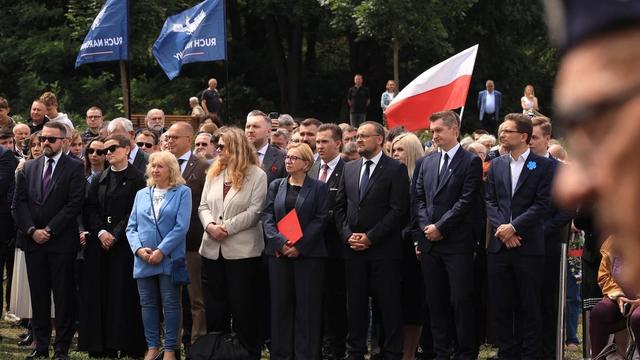
📰 Ukraines ambassador to Poland honors Volyn Tragedy victims at Warsaws Volyn Square🔗 #RussianInvasion #RussianWar #Ukraine
mastodon bot · about 4 hours ago

Birmingham Lights Up Its Landmark Library to Honor Srebrenica Genocide Victims Today, on the International Day of Remembrance and Commemoration of the Genocide in Srebrenica in 1995, established by the United Nations, we thank the Birmingham City Council for lighting up the Birmingham Library, one of the symbols of the city, in green and white as a strong symbol of remembrance, respect and solidarity. This act […] The post Birmingham Lights Up Its Landmark Library to Honor Srebrenica Genocide Victims appeared first on Sarajevo Times.
sarajevo times · about 4 hours ago
EU condemns genocide denial ahead of Srebrenica anniversary EU foreign policy chief Kaja Kallas and Enlargement Commissioner Marta Kos warned that there is no place in Europe for genocide denial or the glorification of war criminals, calling on regional leaders to embrace dialogue as the bloc prepares to commemorate the 31st anniversary of the Srebrenica massacre.
yenisafak · about 4 hours ago
Türkiye-backed Srebrenica Genocide Museum marks first year The Türkiye-funded Srebrenica Genocide Museum has completed its first year of operation, preserving the memory of more than 8,000 Bosniak victims through personal artifacts and survivor testimonies as this years July 11 commemoration ceremonies approach.
yenisafak · about 4 hours ago
Türkiyes Erdogan commemorates Srebrenica genocide victims Türkiyes President Recep Tayyip Erdogan on Saturday commemorated the victims of the Srebrenica genocide on its 31st anniversary, sharing a message on social media in which he vowed that the massacre of more than 8,000 Bosniak Muslims would never be forgotten as new victims are laid to rest.
yenisafak · about 4 hours ago
Monumentul din Spania dedicat legionarilor români Ion Moța și Vasile Marin va fi demolat Ministrul spaniol al „Politicilor teritoriale și al memoriei democratice, Ángel Víctor Torres, a anunțat că a inclus monumentului dedicat românilor căzuți la Majadahonda în catalogul simbolurilor contrare Memoriei Democratice. Acesta va fi demolat, notează Noticias de Majadahonda.
digi24 · about 4 hours ago
Governor of the State of Illinois declares July 11 as the Day of Remembrance of the Genocide in Srebrenica The governor of the US state of Illinois, JB Pritzker, declared July 11, 2026 as the Srebrenica Genocide Awareness Day across the state. This established the official Day of Mourning dedicated to honoring the victims of the genocide in Srebrenica, supporting the survivors and raising public awareness of the genocide committed in Bosnia and Herzegovina. […] The post Governor of the State of Illinois declares July 11 as the Day of Remembrance of the Genocide in Srebrenica appeared first on Sarajevo Times.
sarajevo times · about 4 hours ago
Poland marks anniversary of WWII massacres by Ukrainians amid diplomatic dispute with Kyiv Around 100,000 Poles are estimated to have been killed during the Volhynia massacres.
notes from poland · about 4 hours ago
Ten more martyrs… Bosnia, as it does every year at this time, will today remove the bandage from its wound, cry out the truth to the world once more, and then gently cover its wound again. Yes, for the victims of the Srebrenica Genocide that took place in the summer of 1995, tears will flow again today, hearts will ache again, and the martyrs will remind the "modern" world once more of its hypocrisy and indifference. On the 31st anniversary of the genocide, 10 more victims whose identities have just been identified
yenisafak · about 4 hours ago

Warsaw Review - our regular rundown of top stories of the passing week in Poland
polskieradio · about 4 hours ago
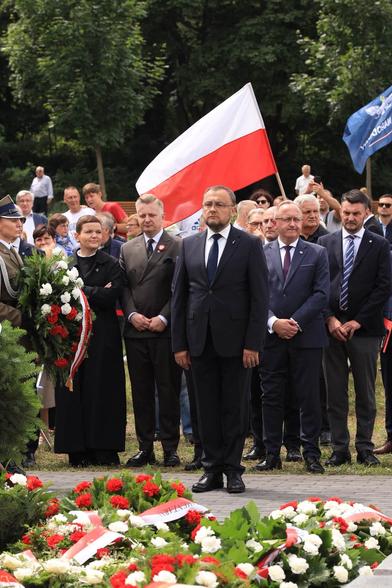
KYIV INDEPENDENT: Ukraines ambassador to Poland commemorates Volyn massacres as history unsettles Kyiv-Warsaw relations "It is our shared duty to honor the memory of each victim with dignity," the Ukrainian embassy said on July 11, Polands National Day of Remembrance for victims of the Volyn massacres. #Ukraine
mastodon bot · about 4 hours ago

🇵🇱 🇺🇦 Polands Prime Minister Donald Tusk has announced the creation of a new monument to civilian victims of what he called a "genocide" by "Ukrainian nationalists" in World War II. ➡️ u.afp.com/SKrT
bluesky_AFP English · about 4 hours ago
Irish datacenters now guzzle 23 of the countrys electricity Consumption rose another 10 while restrictions on most new grid connections remained around Dublin
the register · about 4 hours ago
Ukraine will continue search for Volyn tragedy victims and awaits start of work in Poland, says head of memory institute Head of Ukrainian Institute of National Remembrance: Ukraine is not halting the search for Volyn tragedy victims and is awaiting the start of work in Poland
ukrpravda · about 4 hours ago

"European funding cannot substitute for U.S. production capacity or override Washingtons divergent priorities," writes Nadiia Koval, Policy Fellow at the European Policy Institute in Kyiv (EPIK), in this op-ed. kyivindependent.com/the-ankara-n...
bluesky_Kyiv Independent · about 4 hours ago

Nawrocki mówił o podglebiu zbrodni wołyńskiej i zapowiedział ustawę. "Nie oskarżamy całego narodu" Prezydent porównał tragedię podczas zbrodni wołyńskiej do cierpienia w czasie wojny w Ukrainie. - Oskarżamy banderowską ideologię. Tych, którzy mordowali, ale też tych, którzy przywołują czerwono-czarne barwy w XXI wieku - powiedział Nawrocki i zapowiedział, że "zrobi wszystko", by w Polsce nie było miejsca na flagę UPA.
gazeta.pl · about 4 hours ago

Rzecznik prezydenta komentuje słowa Tuska o Wołyniu. "Co za bezczelność!" Donald Tusk przekonuje, że jako premier doprowadził do wznowienia po latach poszukiwań i ekshumacji ofiar zbrodni wołyńskiej. Rzecznik Karola Nawrockiego odpowiada, że zgody na ekshumacje ukraińskie władze wydały w związku ze spotkaniem prezydentów Polski i Ukrainy.
gazeta.pl · about 4 hours ago
Important Details about Banning the Symbols of the Army of the Republic of BiH in Republika Srpska The Peoples Assembly of Republika Srpska, on its 39th special session, adopted amendments to the Criminal Code that ban the display of the symbols of the Army of the Republic of Bosnia and Herzegovina. The Law now prescribes custodial sentences for all those who publicly display, show, carry, produce, reproduce, or otherwise distribute flags, symbols, […] The post Important Details about Banning the Symbols of the Army of the Republic of BiH in Republika Srpska appeared first on Sarajevo Times.
sarajevo times · about 4 hours ago

I have visited #Ireland and I love the people, music and the landscape. But the complete lack of morals is shocking. Not only is there no enforcement of EU data privacy laws. They are housing a huge 🇷🇺alumina production plant, which is most likely being used to produce the drones and weapons used to kill in #Ukraine
mastodon bot · about 4 hours ago
Families Share Heartbreaking Stories Ahead of the Burial of Genocide Victims in Potocari 8,372 people, mostly men and boys, Bosniaks, were killed in the genocide in Srebrenica. Today marks 31 years since the crime before the eyes of the UN. They included 23 collective funerals. The process of searching for the missing is nowhere near over. And the remains of 10 of them, after more than three decades, […] The post Families Share Heartbreaking Stories Ahead of the Burial of Genocide Victims in Potocari appeared first on Sarajevo Times.
sarajevo times · about 4 hours ago
A Message from Canada: A Nation that Loses Truth Will Also Lose Itself Through a proclamation by the Mayor of Toronto, Olivia Chow, on the occasion of the 31st anniversary of the Srebrenica genocide, Canadas largest city and one of the worlds most important political, economic, and academic centers has proclaimed July 11 as a Day of Remembrance for victims of the Srebrenica genocide. In Proclamation, the Mayor […] The post A Message from Canada: A Nation that Loses Truth Will Also Lose Itself appeared first on Sarajevo Times.
sarajevo times · about 4 hours ago

«LOdyssée» sort au cinéma et ravive la question de la race sous lAntiquité Elon Musk sen est pris au choix de Christopher Nolan de faire jouer Hélène de Troie par une comédienne noire, Lupita Nyongo, dans son adaptation du classique dHomère. Un choix qui reflète pourtant la pluralité ethnique au sein du monde antique, décrite par les travaux universitaires, mais que le cinéma a jusquici gommée.
mediapart · about 4 hours ago
Arma secretă a extremei drepte: „povestea câștigă inimile tinerilor educați din Europa. Exemplul Călin Georgescu În toată Europa, o tendință emergentă zguduie atât presupunerile educatorilor liberali, cât și pe cele ale factorilor de decizie. Tinerii care studiază în mai multe țări, vorbesc trei sau patru limbi și absolvă instituții recunoscute la nivel mondial se îndreaptă spre discursuri naționaliste. Nu toți, desigur, dar suficienți încât să dea de gândit, scrie Deniz Torcu, profesor asociat de globalizare, afaceri și mass-media la IE University, pe platforma The Conversation. În analiza sa, Torcu arată cum drumul spre inima tinerilor simpatizanți, dar nu numai, este ușurat de utilizarea unei povești care naște în receptor sentimentul de apartenență, iar printre exemple folosite apare și Călin Georgescu cu succesul său electoral ce poate fi explicat și prin utilizarea unui discurs construit în jurul identității ortodoxe, suveranității naționale și deosebirii spirituale față de liberalismul occidental.
digi24 · about 4 hours ago
Președintele Nicușor Dan va participa la Paris la reuniunea Coaliției de Voință pentru Ucraina și la festivitățile de Ziua Franței Președintele României, Nicușor Dan, va participa, în perioada 13-14 iulie 2026, la Paris, la reuniunea Coaliției de Voință pentru Ucraina și la ceremoniile dedicate Zilei Naționale a Republicii Franceze. Vizita are loc la invitația omologului francez, Emmanuel Macron, anunță Administrația Prezidențială.
digi24 · about 4 hours ago

Bosnia Marks 31st Anniversary of Srebrenica Genocide with Mass Burial Ten more victims of the 1995 genocide were buried on Saturday at the Srebrenica Memorial Centre, with survivors calling on the perpetrators to acknowledge the truth and ask for forgiveness.
balkaninsight · about 4 hours ago

Europes slow electrification is a major mistake, warns the IEA chief.Europe has made a major mistake by failing to wean its economy off imported fossil fuels quickly enough since the 2022 energy crunch, Fatih Birol, the head of the International Energy Agency, has warned, as the EU prepares to roll out measures to increase electrification next week. #Electrification #EnergyIndependence #Europe #IEA
mastodon bot · about 4 hours ago
Polish president calls on parliament to ban red-and-black Ukrainian Insurgent Army flag in Poland On the Day of Remembrance for victims of the Volyn tragedy, Polish President Karol Nawrocki has called for a legislative ban in Poland on the red-and-black flag of the Ukrainian Insurgent Army. [The Volyn (Volhynia) tragedy was a series of events that led to the ethnic cleansing of the Polish and Ukrainian populations in 1943 during World War II. It was part of a long-standing rivalry between Ukrainians and Poles in what is now Ukraines west. Poland considers the Volyn tragedy a genocide of Poles – ed.]
ukrpravda · about 4 hours ago

Poland commemorates victims of WWII Ukrainian massacres amid major row
news.yahoo.com · about 4 hours ago
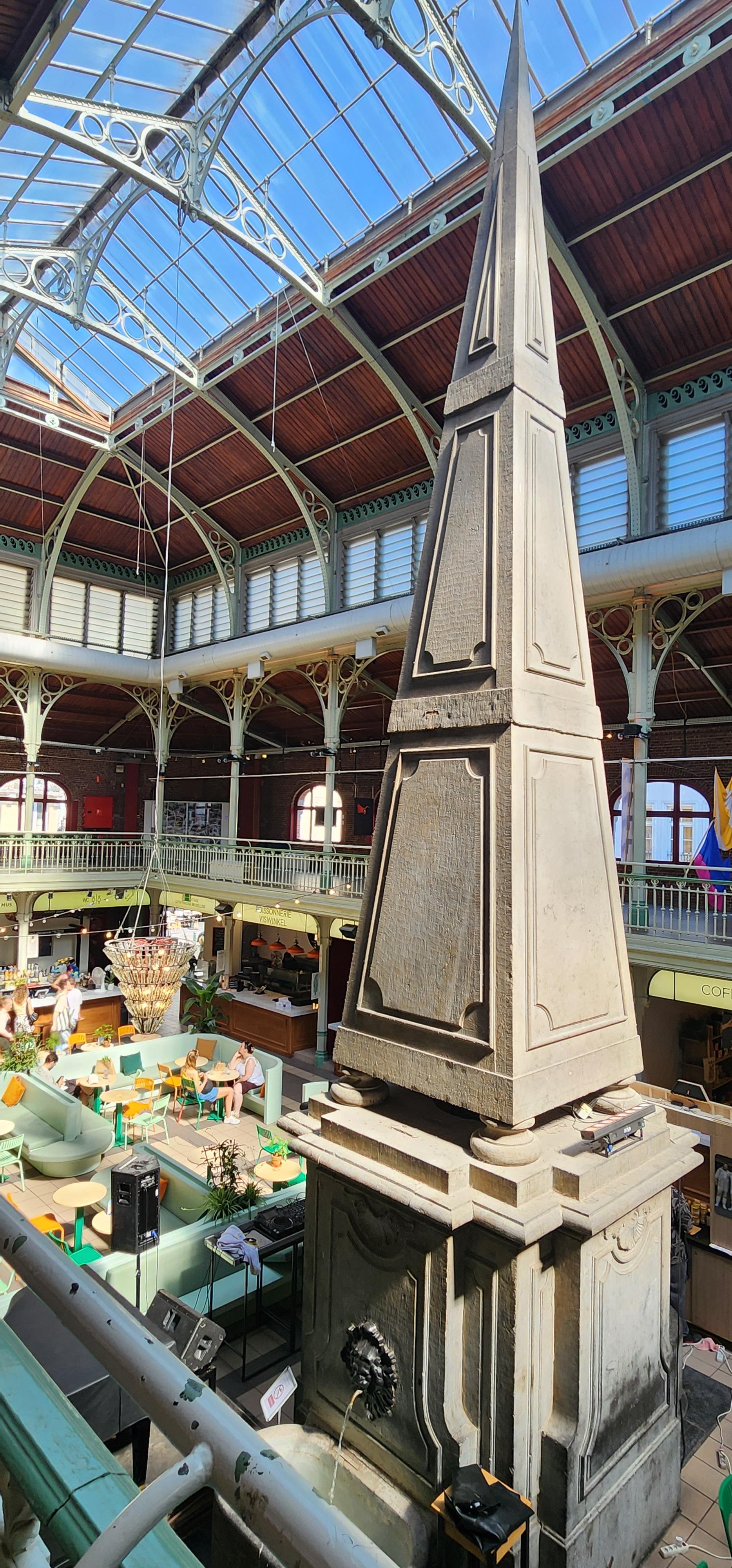
Sint-gorikshallen, 1881, designed by architect Adolphe Vanderheggen. Almost lost in the 60s in the manic ambition to modernize , since 1987 declared a monument. Named after a possibly mythical st Gorik to whom a chapel was dedicated at this location in the 11th century. The chapel is replaced by a church in the 16th century which is subsequently demolished in 1796 in the fury of the French Revolution - cuz humans cant seem to leave things well alone. Lovely place with a number of vendors and an obelisk fountain in the middle.#belgium #brussels #architecture
mastodon bot · about 4 hours ago
Ukrainian ambassador in Poland honours Volyn tragedy victims at Warsaw memorial – photos Ukraines ambassador in Poland has honoured victims of the Volyn tragedy in Warsaw, laying a wreath at the memorial in Volyn Square.
ukrpravda · about 4 hours ago