 Thursday, May 21Thursday, May 21
The U.S. Department of Justice has unsealed an indictment against former Cuban President Raúl Castro and six others, charging them with conspiracy to kill Americans, murder, and destruction of aircraft. The charges stem from the 1996 downing of two civilian planes operated by the Cuban-American exile group Brothers to the Rescue, which resulted in the deaths of four U.S. nationals. The indictment marks a significant escalation in U.S. efforts to hold Cuban leadership accountable for past actions, with the Trump administration framing it as part of a broader campaign to dismantle Cuba’s communist regime .
Raúl Castro, now 94, faces four counts of murder, one count of conspiracy to kill U.S. nationals, and two counts of destruction of aircraft, according to court filings. The indictment was filed in Miami, Florida, and also targets other unnamed individuals involved in the incident. Despite the charges, there is no indication that Castro has left Cuba or that the Cuban government would permit his extradition to the U.S. .
The indictment has drawn mixed reactions, with former President Donald Trump calling it a "very big moment" but cautioning against further escalation. Meanwhile, U.S. Senator Marco Rubio announced a new policy proposal offering Cuba $100 million in aid alongside the indictment, framing it as an effort to provide an alternative path for the island’s future . The case echoes previous U.S. legal actions against Latin American leaders, though its immediate impact remains uncertain given Castro’s age and Cuba’s refusal to extradite him .

Trump calls Castro indictment very big moment but says no need for escalation An unsealed indictment accused Castro and others of murder, conspiracy to kill Americans and destruction of aircraft.
euronews · about 5 hours ago

Raúl Castro Indicted by DOJ on Murder, Other Charges
news.yahoo.com · about 6 hours ago
US indicts Cubas former leader Raul Castro: Why it matters The indictment against Raul Castro echoes earlier US criminal cases targeting Latin American leaders.
aljazeera · about 6 hours ago
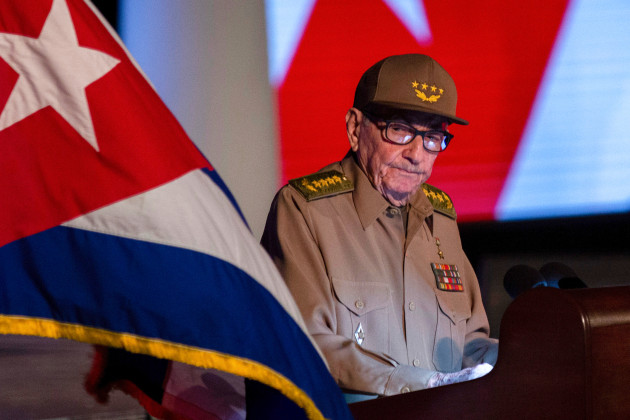
US announces charges against former Cuba president Raul Castro over 1996 downing of planes The charges marked a major escalation in the Trump administrations efforts to dismantle decades of single-party rule in the Caribbean island.
thejournal · about 6 hours ago

Live updates: Blanche announces Raúl Castro indictment on charges of conspiracy to kill Americans, murder
news.yahoo.com · about 6 hours ago
US charges Cubas former president Raúl Castro with murder The 94-year-old faces accusations relating to the 1996 downing of two civilian aircraft
financial times · about 6 hours ago
US indicts Cubas Raul Castro over 1996 plane downing US federal prosecutors announced the indictment of former Cuban President Raul Castro.
aljazeera · about 6 hours ago
US Justice Department indicts former Cuban President Raúl Castro on murder charges An unsealed indictment accused Castro and others of a conspiracy to kill Americans and other charges.
euronews · about 7 hours ago
Cuba: US offers new path and aid, Raul Castro indicted As the #US has announced it has indicted former Cuban president Raul #Castro, Maroc #Rubio has offered #Cuba a new path and $100 million in aid.
france24 · about 7 hours ago
US indicts Cubas former president Raul Castro in connection with a 1996 incident
france24 · about 7 hours ago
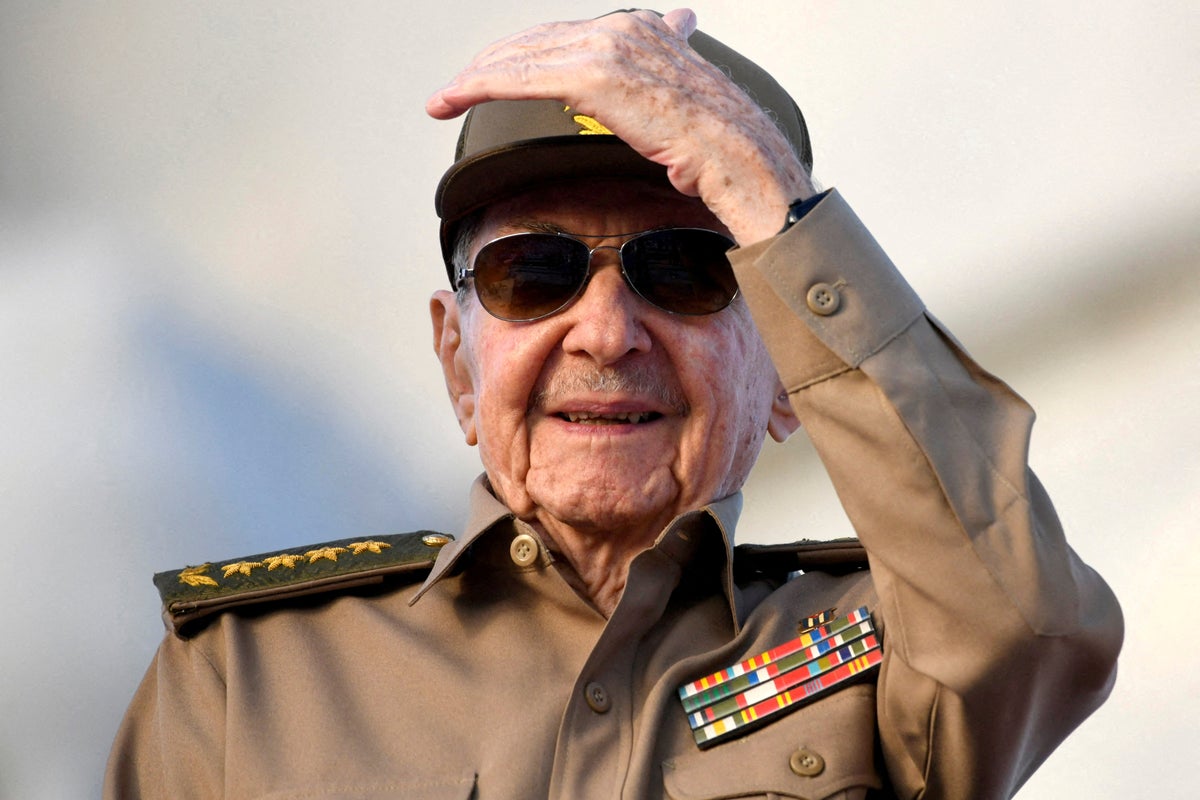
Former Cuban President Raul Castro indicted for murder by US Castro, 94, last appeared in public in Cuba earlier this month, and there is no evidence that he has since left the island or that the government would allow him to be extradited
independent · about 7 hours ago
US indicts former Cuban president Raúl Castro as it intensifies pressure Charges filed in Miami against 94-year-old for allegedly shooting down exiles planes in 1996The United States has issued a federal criminal indictment against Raúl Castro, Cubas former president, on Wednesday, and five others in a significant escalation of the Trump administrations campaign to oust the countrys six-decades-old communist regime.The 94-year-old political figurehead was charged in Miami, Florida, with conspiracy to kill US nationals, four counts of murder and two counts of destruction of aircraft, according to court filings obtained by CBS. Continue reading...
theguardian · about 8 hours ago