
Russia expands GPS jamming from Kaliningrad, threatening Europes navigation systems
Russia has dramatically expanded its ability to falsify GPS signals deep into Europe, with Lithuania warning on Tuesday that Moscow can now disrupt navigation systems up to 450km (280 miles) from its Kaliningrad exclave. A Lithuanian official told Reuters the capacity has grown significantly, raising concerns about aviation, maritime, and military operations across the Baltic region and beyond.
The Kremlin dismissed European demands for reciprocal military restrictions on Russia, following Estonian Prime Minister Kaja Kallas’ call for limits on Moscow’s forces to mirror those imposed on Ukraine. Kremlin spokesman Dmitry Peskov rejected the proposal as "unacceptable," while Russian officials accused the EU of transforming into an "anti-Russian political-military bloc" .
Moscow also denied European allegations of GPS jamming, with the foreign ministry demanding "concrete proof" of the claims. The denial follows reports that Russia’s electronic warfare capabilities from Kaliningrad now extend far beyond its borders, with potential implications for NATO’s eastern flank .
Tensions in the Baltic region are rising as NATO reinforces its eastern flank, with analysts warning of a potential Russian escalation within the next 12 months. European officials cite Kaliningrad’s strategic position—wedged between Poland and Lithuania—as a key flashpoint, where Moscow has previously deployed nuclear-capable missiles and advanced electronic warfare systems. The exclave’s proximity to NATO members makes it a critical node in Russia’s hybrid warfare tactics, including GPS spoofing and cyber operations .
Meanwhile, Russia has intensified pressure on multiple fronts, including deploying nuclear warheads in Belarus and issuing threats to Western diplomats, according to Czech analysts. The moves coincide with stalled Ukrainian counteroffensives and growing Western military support, suggesting Moscow is leveraging Kaliningrad’s geopolitical leverage to deter further NATO involvement .
Kaliningrad, a Russian territory separated from the mainland by EU and NATO members, has long been a focal point for military posturing. Its ports host Russia’s Baltic Fleet, and the region has seen a buildup of Iskander missiles, S-400 air defense systems, and electronic warfare units since 2022. The exclave’s isolation makes it both a vulnerability and a tool for Moscow, allowing it to project power while remaining logistically dependent on transit through Lithuania and Poland.
Russia expands GPS jamming from Kaliningrad, threatening Europes navigation systems
Articles
Putin bi mogao napasti NATO u narednih 12 meseci , Evropa je navela razloge
gdelt bot · about 3 hours ago

The Brits , French , & Germans Are Now Right on Russia Doorstep
gdelt bot · about 4 hours ago

Rusia alerta de una escalada por el refuerzo de tropas de EEUU en Polonia
gdelt bot · about 4 hours ago

Russias Civic Chamber warns of fake veterans wearing unofficial war medals
telegram bot · about 5 hours ago
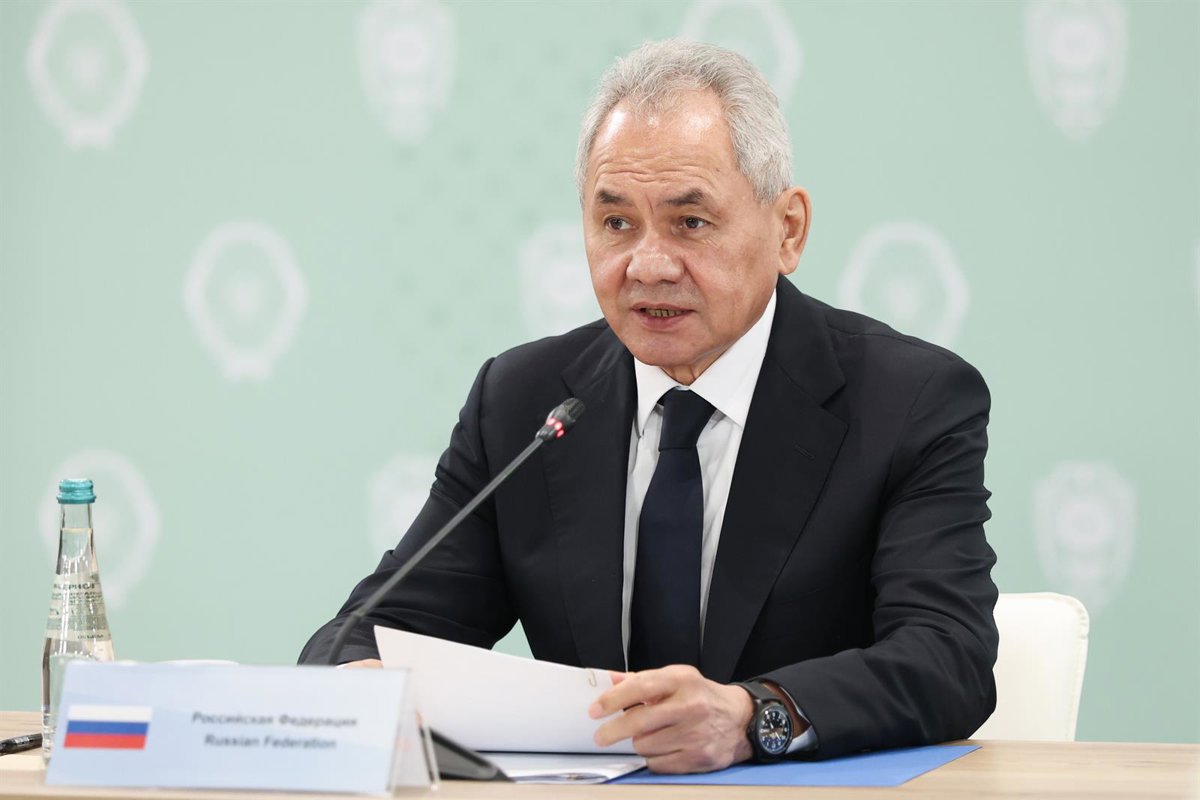
Rusia acusa a la UE de convertirse en un bloque político - militar antirruso
gdelt bot · about 5 hours ago
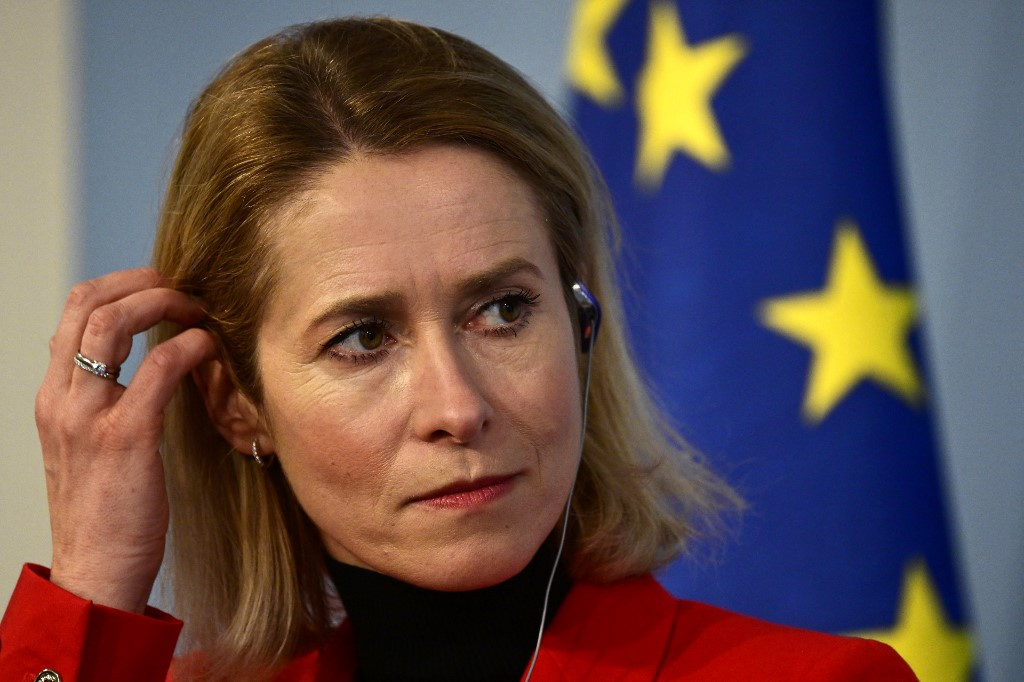
Kallas Says Limits Demanded From Ukraine Must Be Mirrored to Russia
gdelt bot · about 5 hours ago
Kremlin Dismisses Kallas Remarks on Russia Military Restrictions
gdeltproject.org · about 6 hours ago
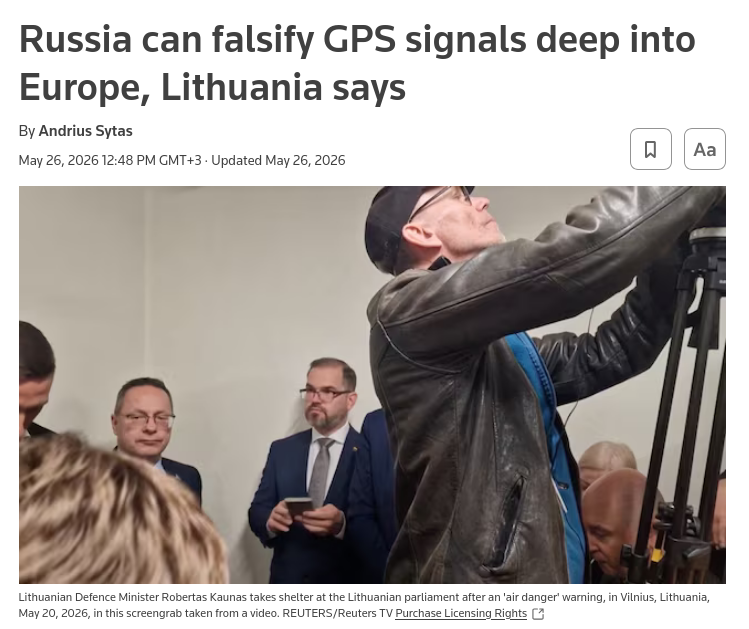
Russia can falsify GPS signals deep into Europe at a radius of up to 450km (280 miles) from its Kaliningrad exclave due to hugely-expanded capacity, a Lithuanian official said on Tuesday. #Russia #EU #Lithuania #Kaliningrad
mastodon bot · about 6 hours ago
Hlavice v Bělorusku i hrozby diplomatům. Fronta se zadrhla, čas běží a Rusko tlačí, kde může Přinejmenším z novinových titulků se zdá, že Rusko zintenzivnilo tlak na více frontách, aby oslabilo podporu bránící se Ukrajiny. Kroky, které dříve pronikaly do médií spíše jako izolované, se nyní dějí současně. Odborníci soudí, že vedení Ruska reaguje i na pro něj nepříznivý vývoj na frontě.
denik n · about 6 hours ago
De ce cresc temerile privind o posibilă confruntare între Rusia și NATO. Unde poate ataca Putin Pe fondul consolidării flancului estic al NATO și al războiului din Ucraina, analiști și oficiali din Europa de Est discută tot mai des despre posibilitatea unor noi tensiuni în regiunea baltică.
adevarul · about 6 hours ago
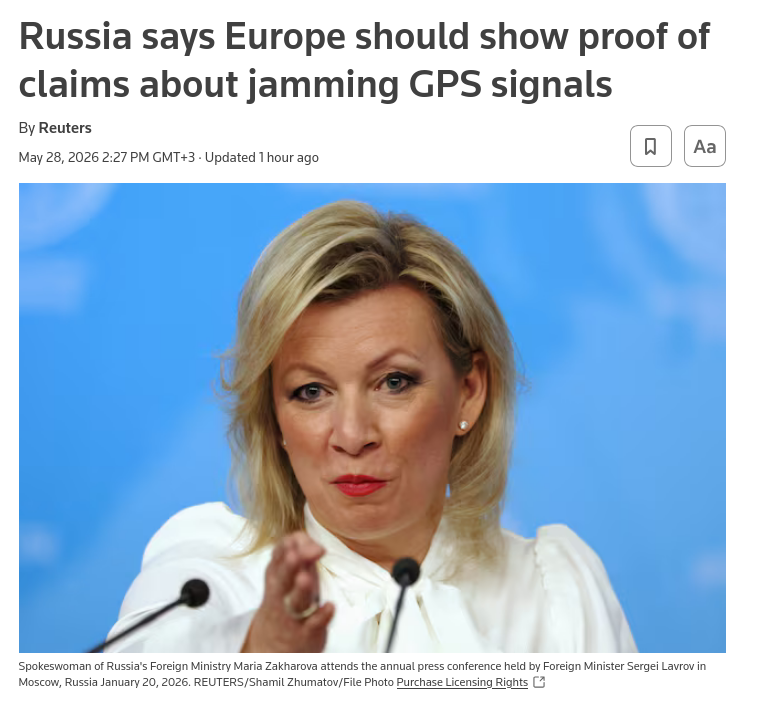
Russias foreign ministry said on Thursday that Europe should show some proof of its allegations that Moscow is jamming GPS signals in Europe. #Russia #EU #GPS
mastodon bot · about 6 hours ago