 Thursday, June 25Thursday, June 25
The long-awaited Android 17 update has arrived, making the switch from iPhone to Android smoother than ever before. Google’s latest operating system, released today, introduces wireless data migration that now includes alarm settings, saved Wi-Fi networks, and even iMessage conversations—features previously unavailable for seamless cross-platform transfers. The update, detailed in a report by *Handelsblatt* , marks a significant shift in user convenience, addressing one of the most cited barriers to leaving Apple’s ecosystem.
Previously, users migrating from iPhone to Android had to rely on third-party tools or manual entry for basic settings, a process often marred by compatibility issues. Android 17’s new migration tool, however, automates the transfer of critical data via a direct wireless connection between devices. Alarm times, Wi-Fi credentials, and even iMessage threads—once trapped in Apple’s proprietary system—can now be moved with a few taps. The update also simplifies the transfer of contacts, photos, and app data, reducing the friction that has long deterred users from switching.
Yet not all users will benefit immediately. The migration tool requires both devices to run the latest software, meaning older iPhones and Android handsets may be left behind. *Handelsblatt* notes that devices running iOS versions prior to 15 or Android versions before 12 will not support the new features, leaving a sizable portion of the market unable to take advantage of the update. Google has not yet announced a timeline for expanding compatibility, though industry analysts expect broader support in future patches.
The timing of Android 17’s release coincides with a broader cultural conversation about digital isolation, as highlighted in a poignant essay published today in *El Confidencial*. The piece, titled “Pausa | Se llama soledad,” draws a sharp distinction between physical solitude and emotional loneliness, framing the latter as a silent epidemic in an era of hyperconnectivity . While technology promises connection, the article argues, it often fails to address the deeper need for genuine human presence—a theme echoed in other recent reflections on AI and human interaction.
Meanwhile, the tech world continues to grapple with the ethical and practical implications of artificial intelligence. In Sweden, a podcast from *Svenska Dagbladet* questions whether the era of free AI tools is drawing to a close, citing a rapid shift from “token-maxxing” to “token-minimizing” as companies tighten access to their models . The debate over AI accessibility mirrors the broader tensions in digital migration: as systems become more integrated, the barriers to entry—whether financial, technical, or emotional—grow harder to overcome.
For those considering a move from iPhone to Android, Android 17 offers a compelling reason to take the leap. But as the *Handelsblatt* report underscores, the update is only as good as the devices it supports—and the choices users make in an increasingly fragmented digital landscape.
Follow us for live European news

Digitaler Durchblick: Mehr Daten drahtlos: Leichterer Umzug von iPhone auf Android Weckerzeiten, WLAN-Zugänge, sogar iMessage-Chats: Der Wechsel von iPhone zu Android wird mit Android 17 deutlich einfacher. Warum das so ist, wie das geht - und wer noch warten muss.
handelsblatt · about 2 hours ago
:format(jpg)/f.elconfidencial.com%2Foriginal%2F0f7%2F8d9%2Fef0%2F0f78d9ef0002a94a159b960d50d951e0.jpg)
Pausa | Se llama soledad La soledad no se oye, es cuando nadie llama al telefonillo. Y no es lo mismo estar solo que sentirse solo
el confidencial · about 3 hours ago
Är det slut på gratis AI nu? PODD Från token-maxxing till token-minimizing på mindre än ett halvår. Är det slut på tiden med gratis Chat GPT?
svenska dagbladet · about 3 hours ago
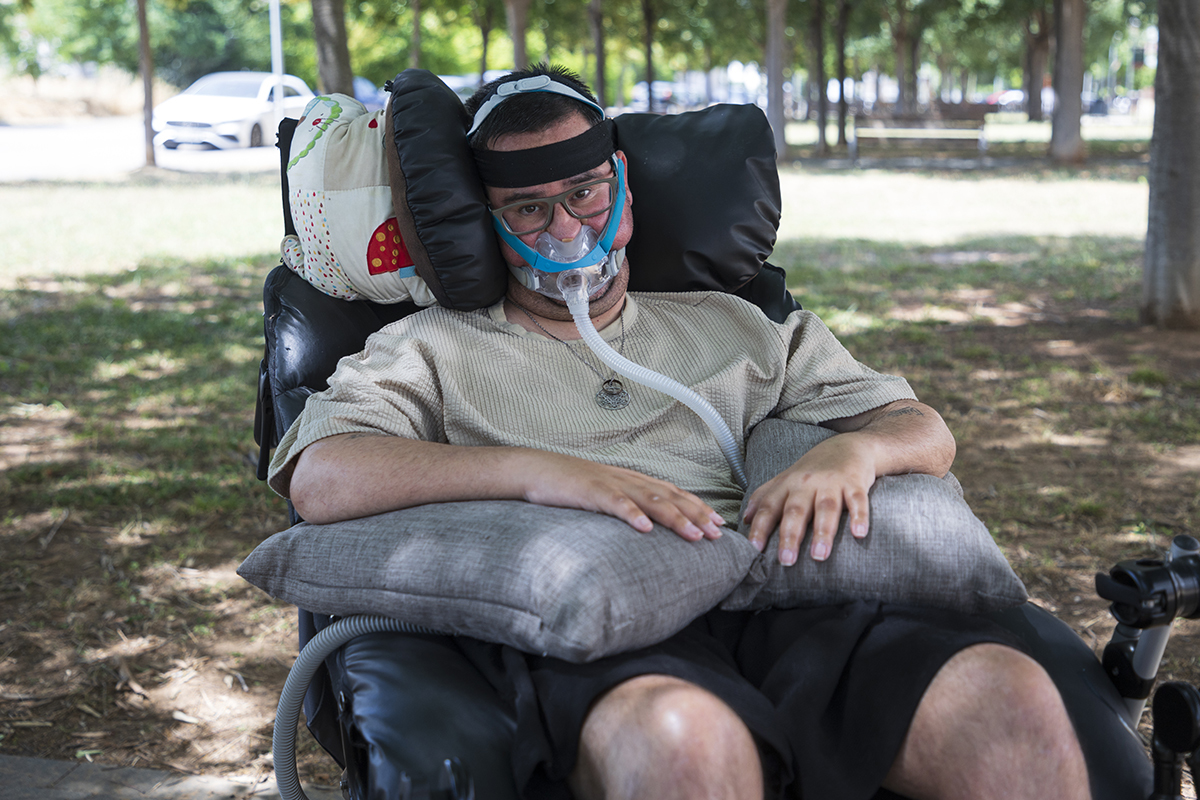
La ELA quitó la voz a Jordi, él se la guardó en audios de WhatsApp y la revivió gracias a la IA Frustrado con los sintetizadores de voz tradicionales, que lo robotizaban, impulsó Recupera Mi Voz, una herramienta que utiliza inteligencia artificial para "clonar" su voz y hacerla más fiel a la original. Ahora quiere compartir su proyecto con otras personas acalladas por alguna enfermedad Leer
elmundo · about 5 hours ago

Uma época de apelo à inutilidade humana A IA e o espelho meu infinito das redes sociais alimentam um sentimento de inutilidade e de letargia que se expande com as horas que ocupamos à frente delas.
observador · about 5 hours ago
Os humanos robotizados Gostamos de falar mais do que gostamos de saber, mas temos todos uma preferência vergonhosa — mas humaníssima — de que nenhuma IA é capaz: mais do que falar, gostamos de ser ouvidos. Crónica de Miguel Esteves Cardoso
publico · about 6 hours ago