
German VCs mobilise 15bn to rescue AI startups and close innovation gap with US and China
German venture capital coalition urges €15bn shift to AI and deep-tech startups as Berlin seeks to close the innovation gap with the US and China.
Twenty-four of Germany’s leading venture capital funds have formed a coalition to mobilise an additional €15bn for early-stage AI and deep-tech companies, warning that without the capital shift the country risks surrendering its industrial future. The initiative, launched on Monday under the banner of the German Venture and Growth Forum, coincides with the publication of the German Venture & Growth Playbook, a data-driven roadmap that identifies bottlenecks in late-stage funding and calls for institutional investors to reallocate capital toward high-growth startups.
The push comes as German policymakers and investors confront a widening innovation deficit. On Friday, the Handelsblatt reported that German startups are haemorrhaging promising ventures because of insufficient follow-on capital, with bureaucratic hurdles and energy costs cited as the top risks by the Mittelstand in a separate survey . The new coalition, which includes firms such as Earlybird, HV Capital and Project A, argues that Germany’s pension funds, insurers and family offices must treat venture capital as a strategic asset class rather than a niche alternative.
The timing is critical. On the same day, London-based PhysicsX, a UK AI startup specialising in industrial simulation, closed a $300m round led by Temasek at a $2.4bn valuation, underscoring the scale of capital chasing AI opportunities outside Germany . Meanwhile, Barclays warned that the AI-led technology rally faces growing risk of a pause, adding pressure on European startups to demonstrate sustainable growth .
The coalition’s playbook, unveiled at the German Venture and Growth Forum in Berlin, highlights that Germany’s late-stage funding gap—estimated at €8bn annually—has forced promising AI and deep-tech firms to relocate headquarters or raise capital abroad. “We are not asking for subsidies; we are asking for the right to compete,” said one coalition member. The group plans to lobby the federal government to adjust regulatory frameworks and to launch a public-private co-investment vehicle targeting AI infrastructure.
Analysts caution that even €15bn may prove insufficient if bureaucratic inertia persists. The Mittelstand report released last week found that 70% of large German investors believe Shell’s energy transition strategy remains too slow, a parallel symptom of institutional risk aversion . Yet the coalition insists that data-driven aftercare—personalised support for scale-ups—can unlock higher returns and anchor startups in Germany.
With Brussels preparing the EU’s next seven-year budget and Berlin debating a sovereign AI fund, the coalition’s campaign marks the most concerted attempt yet to redirect institutional capital into the deep-tech pipeline that Germany’s industrial base depends on.
Articles

German Mittelstand flags bureaucracy, energy costs as top risks, report shows reut.rs/4agJohm
bluesky bot · about 2 hours ago

From Breakingviews - Breakingviews - Japans shareholder meetings run on bunk clockwork reut.rs/4xe7jrx
bluesky bot · about 2 hours ago

Verslavingsexperts bezorgd: tabaksindustrie vindt nieuwe groeimarkt in nederwiet Tabaksproducent Philip Morris, tegenwoordig Altria, is in het Nederlandse wietexperiment gestapt door deels eigenaar te worden van de grootste deelnemende teler. Dat blijkt uit onderzoek van Investico, De Groene Amsterdammer en NU.nl. Experts vrezen dat agressieve verkooptactieken van de tabaksindustrie terugkomen op de Nederlandse cannabismarkt.
nu.nl · about 2 hours ago
Künstliche Intelligenz: KI für Triebwerke und Chips – PhysicsX sammelt 300 Millionen Dollar ein Das britische Start-up PhysicsX ist jetzt 2,4 Milliarden Dollar wert – und will Schwerindustrie und Chipfertigung mit KI-Simulation revolutionieren. Was das Unternehmen so wertvoll macht.
handelsblatt · about 2 hours ago
Pharmabranche: Roche sichert sich mit Milliarden-Deal Rechte an Krebsmittel Der Schweizer Pharmakonzern hofft mit dem Blutkrebsmittel Bexobrutideg auf einen Milliardenmarkt. Der Wirkstoff könnte auch bei weiteren Erkrankungen eingesetzt werden.
handelsblatt · about 2 hours ago
Wagniskapital: Investoren wollen 15 Milliarden Euro mehr für Start-ups mobilisieren 24 Geldgeber wollen Wagniskapital als strategische Anlageklasse im Kapitalmarkt etablieren. Die neue Initiative warnt: Gelinge das nicht, werde Deutschlands Zukunft verspielt.
handelsblatt · about 2 hours ago

Garda retirements set to surge in ticking time-bomb, projections show Number of Garda members who must retire on age grounds, will total almost 1,700 over the next decade, according to projections
irish times · about 2 hours ago
Aftercare or guesscare? The best way for investment promotion agencies to reinvent is also the cheapest: place data-driven aftercare at the core of their pitches. Carolina Arriagada Peters convened the fourth Aftercare Forum in Riga last week, which ran under a banner reading Tech-Powered Aftercare. She has been making the case for years. Her 2022 book, the first […] Aftercare or guesscare? was originally published on Emerging Europe.
emerging europe · about 2 hours ago
Cosine secures industry backing for Britains first sovereign frontier model Cosine, the British AI company selected by the UK Government as part of its Sovereign AI initiative, today announced that it has brought together a coalition of leading UK institutions to co-design Lu...
tech.eu · about 2 hours ago
Massimo De Luca: Nigeria and Europe Must Build Long-term Investment Partnerships – THISDAYLIVE
gdeltproject.org · about 2 hours ago
UK AI start-up PhysicsX hits $2.4bn valuation following Temasek-led deal London-based group raises $300mn to become one of the UKs most valuable AI groups
financial times · about 2 hours ago
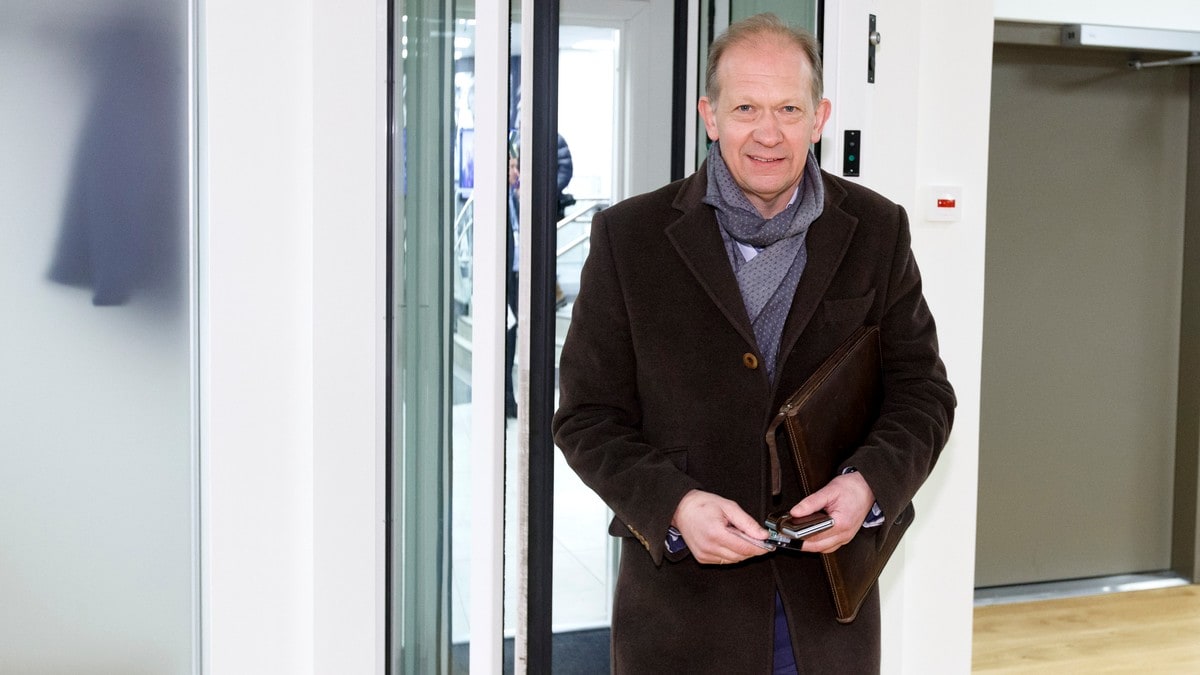
Equinor får ny styreleiar: – Me treng ein snuoperasjon Miljørørsla krev ei «grøn kursendring» for Noregs største selskap med ny styreleiar. Sjeføkonom trur det blir krevjande av minst to grunnar.
nrk · about 3 hours ago

LOréal Groupe impulsa la circularidad y la belleza recargable El compromiso de la compañía con la circularidad se hace patente con una iniciativa pionera como #JoinTheRefillMovement
la vanguardia · about 3 hours ago

Catalunya quiere tanques y mantequilla Si en 2021 la Generalitat rechazaba utilizar la fábrica de Nissan para ensamblaje de vehículos militares, ahora Govern, patronal y empresas reclaman implicarse a fondo en la industria militar
la vanguardia · about 3 hours ago

Heineken España ya elabora todos sus productos con 100 energía renovable La compañía celebra ser la primera gran cervecera y el primer país del grupo Heineken en el mundo que utiliza solo energía eléctrica y térmica de origen renovable en sus procesos de producción de sus cuatro fábricas
la vanguardia · about 3 hours ago
Weg aus der Dauerkrise?: Gesucht: Geldgeber für Start-Ups An hoffnungsvollen Start-ups fehlt es in Deutschland nicht, doch geht ihnen nur allzu häufig das Geld aus. Könnte mehr Risikokapital ein Rezept für die Gesundung der deutschen Wirtschaft sein?
handelsblatt · about 3 hours ago
Edelmetalle: Bis zu 8900 Dollar pro Unze – „Es kommen noch einige gute Jahre auf Gold zu Der Fondsmanager Ronald Stöferle sieht die Gold-Hausse längst nicht am Ende. Welche Preissteigerungen der Fachmann erwartet und welche Rolle das Edelmetall im Währungssystem spielen könnte.
handelsblatt · about 3 hours ago
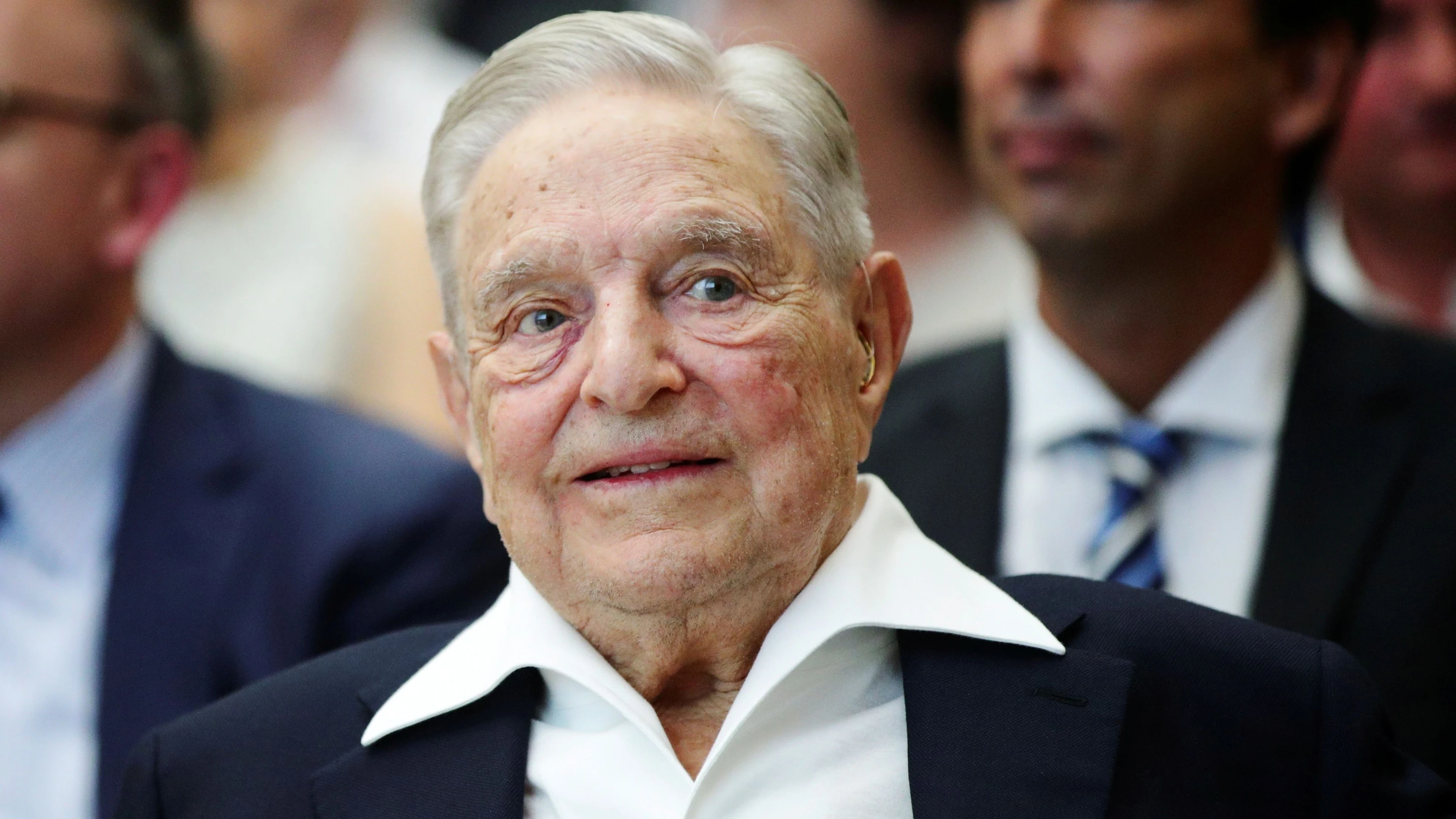
Starinvestor: Anlegen wie George Soros Vor dem bekannten Investor musste die Bank of England im Jahr 1992 kapitulieren. Heute ist sein Depot eher brav aufgestellt. Was Privatanleger noch heute für ihr eigenes Depot lernen können.
faz · about 3 hours ago
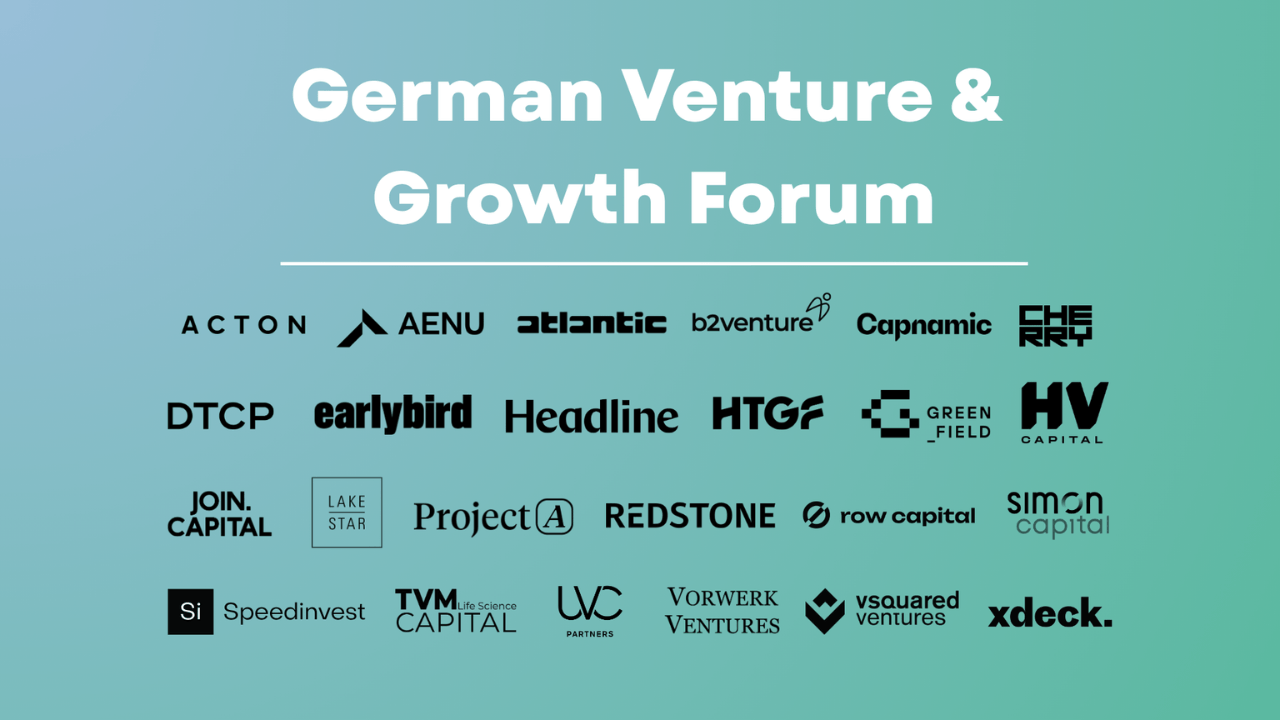
German VC coalition calls for institutional capital shift to power next-gen startups 24 of Germanys leading venture capital funds have joined forces to launch the German Venture and Growth Forum and publish the German Venture & Growth Playbook, which uses market data to highligh...
tech.eu · about 3 hours ago
Barclays Sees Growing Risk of Pause in AI-Led Technology Stock Surge
gdeltproject.org · about 3 hours ago
Hg-backed Gen II targets $6bn sale New York-based group in preliminary talks to target sales process in second half of this year
financial times · about 3 hours ago
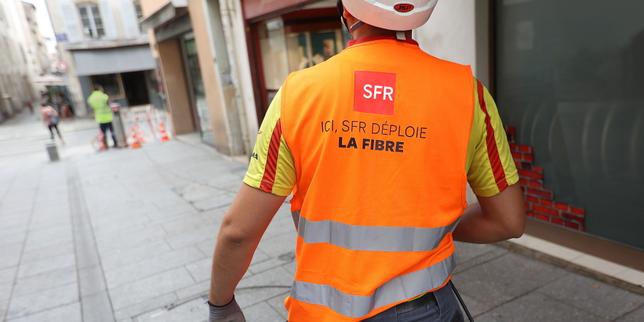
SFR acquisition marks first step toward telecom market consolidation in Europe The division of the French telecommunications companys activities between Bouygues Telecom, Free and Orange could pave the way for mergers across the continent, as telecom operators push for greater profitability.
le monde · about 3 hours ago
Biotechnologie: So sieht der Trennungsplan zwischen Biontech und den Gründern aus Hunderte Mitarbeiter sollen nach Handelsblatt-Informationen ins neue Unternehmen wechseln. Welche Forschung bei Biontech bleibt, was an die Gründer geht und was Investoren bekommen könnten.
handelsblatt · about 4 hours ago