 Tuesday, July 7Tuesday, July 7
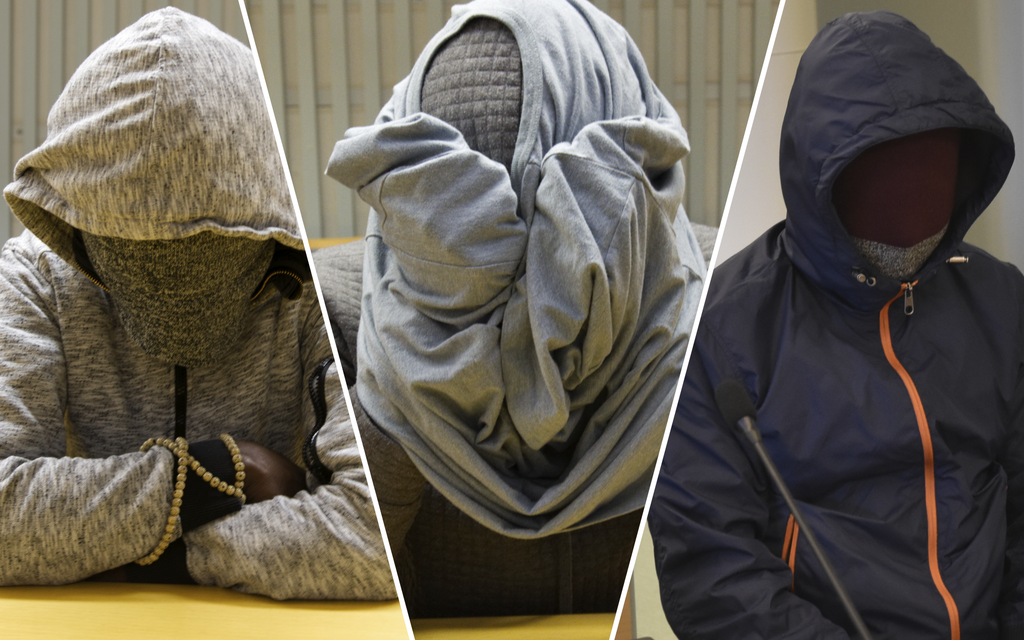
A Dutch school caretaker was sentenced to seven years in prison and mandatory psychiatric treatment on Tuesday after being convicted of sexually abusing at least 18 children while working at a primary school in Zoetermeer between 2019 and 2025. Oskar van der V., 58, filmed the children—some as young as four—without their knowledge using hidden software, created and distributed child sexual abuse material, and possessed GHB and four child sex dolls. The court in The Hague also barred him from working near minors for a decade.
The abuse occurred systematically. Van der V. lured children into a storage room under false pretenses, filmed them changing clothes, and touched their bodies, actions the court ruled were “undeniably sexual” rather than medical checks as he claimed. He groomed victims with sweets and hugs, building trust before exploiting it. Police traced the abuse to him in 2025 after a user on the app Teleguard shared child sexual abuse material linked to his IP address. A house search revealed footage of schoolchildren on his devices. One mother had reported concerns to the school in 2022 after her daughter received a birthday gift from him, but school management dismissed her claims. Van der V. was already in therapy for pedophilia when hired, and his therapist had explicitly warned against the job. The court called his decision to ignore that advice “grossly negligent.”
The sentence matches the prosecution’s demand and includes *terbeschikkingstelling* (TBS), a Dutch measure for offenders deemed a danger to society due to mental disorders. Van der V. claimed his “sexual fantasies” about children developed only after he started work, but the court found his actions “planned and deliberate,” noting he instructed children to pose in ways that better captured intimate body parts on camera.
In a separate case, a former mayor of Hendrik-Ido-Ambacht, Herman J., 78, was sentenced to 12 months in prison—four suspended—for distributing and possessing over 1,000 images of child sexual abuse. The Rotterdam court cited his advanced age and first-time offense as mitigating factors, though it emphasized that his actions “sustained the market for child exploitation.” J., who served as mayor from 1996 to 2011, claimed he sought the material for “stimulation” as his sexual responsiveness declined with age. Police linked him to the images after Google and Snapchat flagged his uploads; a house search in October 2025 uncovered the files across seven devices. He was arrested in February 2025 after discussing child abuse in explicit terms on Snapchat, prompting authorities to fear for a potential victim’s safety.
Across Europe, courts delivered mixed rulings on similar charges. In Paris, an ex-animator at a preschool, David G., was acquitted of sexually assaulting nine children but received an eight-month suspended sentence for harassing two female colleagues. The court cited insufficient evidence for the child-related charges. In Germany, a 53-year-old engineer from Erlangen-Höchstadt admitted to orchestrating the online sexual abuse of a girl in the Philippines between 2019 and 2022, including directing her to perform acts for videos and traveling there himself to film her naked. Police found over 11,000 images of child sexual abuse and 87 videos in his home. Investigators believe the victim, aged 8 to 11, complied in 84 of 95 alleged incidents after he paid her family small sums and threatened to withhold money if she refused.
The cases underscore systemic failures in safeguarding children. In the Netherlands, the caretaker’s prior therapy and the mother’s early warning went unheeded. In France, the preschool’s internal handling of abuse allegations failed to protect children. Experts warn that grooming often begins with seemingly innocuous contact, making vigilance critical in institutions entrusted with minors. The Dutch court’s ruling sends a clear message: ignoring red flags in high-risk environments will not shield offenders from accountability.
Follow us for live European news
1 further source not geolocated

Mariborski kriminalisti obravnavali izsiljevanje: osumljenca žrtev oškodovala za vsaj 220 tisočakov Mariborski kriminalisti so ovadili dva osumljenca, stara 46 in 34 let, ki sta osumljena kaznivega dejanja izsiljevanja, s čimer sta oškodovancu povzročila premoženjsko škodo v vrednosti najmanj 223. 200 evrov.
rtv slovenia · about 4 hours ago
37-vuotias mies lähetti 13-vuotiaalle tytölle järkyttäviä viestejä: Panettaa – Selvitimme, mitä Oulun seksuaalirikoksista tuomituille tapahtui
iltalehti · about 4 hours ago

El pequeño Nicolás no irá a la cárcel pese a estar condenado a más de dos años de prisión El tribunal ha tomado la decisión de forma excepcional debido a la antigüedad de los hechos y a que el joven no es un delincuente habitual
la vanguardia · about 4 hours ago

Dos detenidos en Pamplona durante San Fermín como presuntos autores de dos agresiones por tocamientos El Ayuntamiento ha habilitado un punto de información de la Plaza del Castillo para atender este tipo de casos
la vanguardia · about 4 hours ago
Celstraffen voor moeder en vriendin wegens kindermishandeling in Utrecht Een vrouw is dinsdag veroordeeld tot tien maanden gevangenisstraf voor ernstige mishandeling van haar kinderen in Utrecht. Een vriendin aan wie ze advies vroeg moet zes maanden de cel in.
nu.nl · about 4 hours ago

Périscolaire à Paris : pourquoi un ex-animateur de lécole maternelle Alphonse-Baudin, accusé dagressions sexuelles sur plusieurs enfants, a été relaxé David G., qui travaillait à lécole maternelle Alphonse-Baudin (11ᵉ arrondissement), était également poursuivi pour harcèlement sexuel sur deux animatrices et agression sexuelle sur lune dentre elles. Il a été condamné uniquement pour les faits de harcèlement sur les deux adultes, à huit mois demprisonnement avec sursis.
le monde · about 4 hours ago
Rechter veroordeelt oud-burgemeester tot 12 maanden gevangenis om verspreiden kinderporno Verspreid over zeven apparaten vond de recherche ruim duizend beelden van seksueel kindermisbruik bij Herman J. (78). De uitspraak komt overeen met de straf die de officier van justitie had geëist.
nrc · about 4 hours ago
Conciërge Oskar van der V. die ontucht pleegde, basisschoolleerlingen heimelijk filmde en kinderporno maakte, veroordeeld tot zeven jaar celstraf Toen Van der V. aan de slag ging als conciërge op een basisschool was hij al vrijwillig in behandeling bij een psycholoog voor zijn pedofiele gevoelens. Zijn behandelaar adviseerde hem om de baan niet aan te nemen. De rechtbank rekent het de verdachte zwaar aan dat hij dit advies negeerde.
nrc · about 4 hours ago

Oesterkweker Platner, hoop van Democraten in Maine, beschuldigd van verkrachting
de volkskrant · about 4 hours ago

Healthcare worker goes on trial accused of sexually assaulting teenager treated for overdose The man is accused of two counts of sexual assault on a date in 2024 at a medical facility in the Midlands.
thejournal · about 4 hours ago
Primary school caretaker sentenced to 7 years in prison for sexual abuse of six children The court in The Hague sentenced Oskar van der V.
nltimes.nl · about 4 hours ago
Oud-conciërge krijgt 7 jaar cel en tbs voor ontucht met kinderen op basisschool Oskar van der V. heeft dinsdag zeven jaar cel en tbs met dwangverpleging gekregen voor jarenlange ontucht met kinderen op de basisschool waar hij werkte. Ook is hij schuldig bevonden aan het maken van kinderporno.
nu.nl · about 5 hours ago
Fußball: Missbrauch durch Jugendtrainer: Neue Fälle bekannt Wegen des Verdachts auf Kindesmissbrauch sitzt ein ehemaliger Fußball-Jugendtrainer in U-Haft. Mittlerweile wurden weitere Fälle bekannt.
tagesspiegel · about 5 hours ago
:format(jpg)/f.elconfidencial.com%2Foriginal%2F2ba%2F434%2Fc65%2F2ba434c65fd759ba3c85929afd0ba8e7.jpg)
La Audiencia de Madrid suspende la entrada en prisión del pequeño Nicolás pese a haber sido condenado a más de 12 años La suspensión cuenta con el visto bueno de la Fiscalía y se condiciona tanto a la ausencia de actividad delictiva en ese intervalo como al pago de la sanción económica
el confidencial · about 5 hours ago
Premier procès public de violences sexuelles dans le périscolaire parisien : lanimateur dune école maternelle relaxé au bénéfice du doute David G., ex-animateur de 36 ans à lécole maternelle Alphonse-Baudin à Paris, suspendu depuis avril 2024, a été relaxé ce mardi 7 juillet, mais condamné à huit mois de prison avec sursis pour harcèlement sexuel sur deux collègues. Il était accusé dagressions sexuelles sur neuf enfants.
liberation · about 5 hours ago
Mann gesteht jahrelangen Online-Missbrauch einer Minderjährigen Der 53-Jährige räumte zum Prozessauftakt in Nürnberg den schweren sexuellen Missbrauch eines minderjährigen Mädchens ein.
die presse · about 5 hours ago
Sexuelle Gewalt gegen Kinder: Freiwillige Chatkontrolle wird überraschend verlängert Anbieter wie Google, Meta oder Snapchat sollen private Nachrichten wieder auf Darstellungen von sexueller Gewalt gegen Kinder scannen dürfen. Elon Musk spricht von einem „Vorschlag zur Massenüberwachung.
sueddeutsche · about 5 hours ago
Former Hendrik-Ido-Ambacht mayor gets 1 year in prison for child pornography A Rotterdam District Court convicted
nltimes.nl · about 5 hours ago
Online sexual violence directed at children becoming more common Research suggests children are often just 10 years old when online sexual abuse first begins.
yle.fi · about 5 hours ago
2,5 jaar cel voor man in 36 jaar oude verkrachtingszaak Bodegraven De rechtbank in Den Haag heeft de 59-jarige Willem V. veroordeeld tot 2,5 jaar cel in een 36 jaar oude zedenzaak. De man stond terecht voor het verkrachten van een veertienjarig meisje in het Zuid-Hollandse Bodegraven op 30 maart 1990.
nu.nl · about 5 hours ago