
Israel and Lebanon agree ceasefire: Hezbollah must halt attacks within 24 hours
Israel and Lebanon agreed on Thursday to renew a fragile ceasefire brokered by the United States, but the deal’s survival hinges on Iran-backed Hezbollah halting all attacks and withdrawing its fighters from southern Lebanon within 24 hours. The framework, announced by the US State Department after talks in Washington, establishes “pilot zones” south of the Litani River where the Lebanese Armed Forces will assume exclusive control, effectively barring non-state actors from the area. The agreement comes as Israeli Defence Minister Yoav Katz reiterated that Israel retains “freedom of action” to respond to threats, underscoring the precarious balance between enforcement and escalation.
Under the terms, Hezbollah must cease all hostilities immediately, while Israel has pledged to halt military operations in the designated zones. Lebanese President Joseph Aoun told Reuters the ceasefire could take effect within 24 hours of all parties approving it, though Hezbollah has yet to publicly endorse the deal. The militia, which has rejected previous negotiations, remains a wildcard in the fragile arrangement. Meanwhile, Israel conducted multiple drone strikes in southern Lebanon on Thursday morning, testing the ceasefire’s fragile foundation just hours after its announcement .
The US-brokered framework is part of a broader push by the Trump administration to de-escalate tensions with Iran, which has backed Hezbollah’s military operations. Analysts warn that without Hezbollah’s full compliance, the ceasefire risks collapsing, as occurred with the April truce that saw renewed clashes just weeks later. “This is Lebanon’s last chance for peace,” Aoun warned, framing the deal as a critical test for regional stability. The Lebanese army is expected to deploy in the pilot zones by late June, with international monitors likely to oversee the withdrawal process.
Reaction within Israel is divided. Katz’s insistence on continued military operations has drawn criticism from some quarters, with reports of dissent within Prime Minister Benjamin Netanyahu’s government over the terms of the ceasefire . Meanwhile, Iran’s Supreme Leader Ayatollah Ali Khamenei dismissed the agreement as a “setback” for Washington and Tel Aviv, signalling Tehran’s reluctance to abandon its proxy strategy.
The ceasefire’s success will depend on whether Hezbollah, which has framed the talks as a betrayal, can be compelled to stand down. For now, the guns remain silent—but the clock is ticking.
Israel and Lebanon agree ceasefire: Hezbollah must halt attacks within 24 hours
- taz.de
- aljazeera
- independent
- thejournal
- euronews
- financial times
- die presse
Articles

🇮🇱❌🇱🇧🇱🇧- Despite a third ceasefire now in place, the Israeli Air Force continues to conduct airstrikes in southern Lebanon, with the towns of Maaroub and Zawtar al-Sharqiyah being targeted within the past five minutes. @GeoPWatch
telegram bot · 3 days ago
⚡️ Israel and Lebanon say they agree to renew fragile ceasefire, create Lebanese security zones that will exclude Hezbollah
telegram bot · 3 days ago
US-Israel military integration and negative differentiation The genocide and war crimes committed by Zionist Israel in Gaza have forced the entire world to change. Simultaneously with Gaza, Israel committed the same crimes in the West Bank and East Jerusalem. The crimes of Zionist settlers in the West Bank and East Jerusalem, which are completely "off the grid" – meaning not constrained by law – have caused outrage almost everywhere in the world. In this context, the fact that figures like Ben-Gvir and Smotrich, who lead settler terrorism, are met with hatred
yenisafak · 3 days ago

The 9 at 9: Thursday Israel and Lebanon to renew ceasefire, no evidence of urban-rural divide when it comes to climate change, and Dublin commuter belt going all-in on EVs
thejournal · 3 days ago
Israel and Lebanon agree to implement ceasefire Deal announced by US state department calls for Hizbollah to stop all attacks
financial times · 3 days ago
Israel and Lebanon agree to conditional ceasefire Deal is made through US-brokered talks in Washington, DC, that did not include Hezbollah.
aljazeera · 3 days ago
Israel and Lebanon agree on ceasefire framework in US-led talks The US announced an Israel-Lebanon ceasefire framework, but Hezbollahs absence leaves questions over enforcement.
aljazeera · 3 days ago
Lebanon, Israel agree on pilot zones placing army in control Lebanon and Israel agreed to renew their fragile ceasefire and establish "pilot zones" placing the Lebanese Armed Forces in exclusive control while excluding all non-state actors, with the parties set to reconvene in late June to advance toward a comprehensive security agreement.
yenisafak · 3 days ago
Trump wont end Iran ceasefire unless US troops killed: Report US President Donald Trump told his aides privately that he will not terminate the ceasefire with Iran unless Tehran kills American troops, as the two sides exchanged their most intense hostilities since the truce began in early April, The Wall Street Journal reported on Wednesday.
yenisafak · 3 days ago
US brokers Israel-Lebanon ceasefire framework tied to Hezbollah withdrawal The US has secured a new ceasefire framework between Israel and Lebanon on June 3 that would require Hezbollah to halt all attacks and withdraw its ...
intellinews · 3 days ago
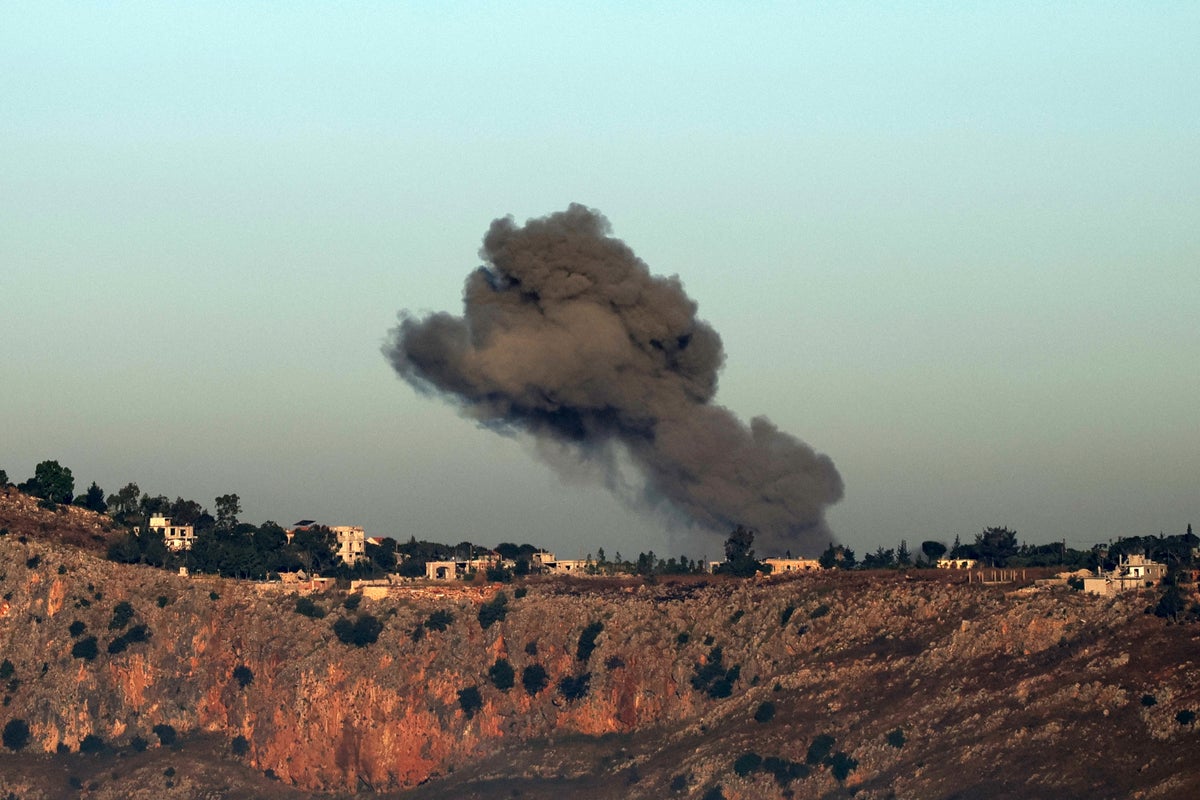
Iran-US war latest: Israel to strike Lebanon despite ceasefire while US House votes to block Trump hitting Iran Israel has freedom of action, backed by the United States, to strike in Beirut in response to attacks on Israeli communities and territory, said defence minister Katz shortly after a US-brokered ceasefire was agreed
independent · 3 days ago

Israel and Lebanon agree new ceasefire as Trump scrambles to end Iran war Despite deal, which is dependent on Hezbollah ceasing fire, Israel carried out multiple drone strikes in southern Lebanon on Thursday morningIsrael and Lebanon have agreed to implement a ceasefire to end hostilities, the Trump administration has announced, as the US looks to overcome one of the largest barriers to reaching a broader deal to end the war with Iran.The Israel-Lebanon ceasefire is contingent on a complete cessation of fire from the Iran-aligned Hezbollah armed group and the evacuation of all its fighters from the area south of the Litani River in south Lebanon, a statement from the US, Lebanon and Israel, released by the US state department, said after negotiations in Washington. Continue reading...
theguardian · 3 days ago
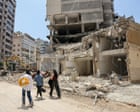
Middle East crisis live: Israel to continue ground operation in southern Lebanon despite agreed ceasefire The countrys defence minister said the IDF will not withdraw from southern Lebanon and will not allow the return of the populationIsrael and Lebanon agree to renew ceasefire as Trump seeks to overcome barriers to Iran dealThe Lebanese president, Joseph Aoun, said the US-brokered ceasefire agreed last night between Lebanon and Israel could come into force within 24 hours of all concerned parties approving it, Reuters reports.The comments appeared to refer to Hezbollah, which has yet to comment on the ceasefire. Hezbollah previously said it is opposed to the Israel-Lebanon talks. Continue reading...
theguardian · 3 days ago
Fragile Waffenruhe: Israel und Libanon erzielen Einigung Israel und Libanon wollen die Waffenruhe umsetzen. Die Vereinbarung steht jedoch unter der Bedingung, dass die Hisbollah ihre Angriffe beendet.
die presse · 3 days ago

Israels defence minister says military operations in Lebanon will continue despite ceasefire
news.yahoo.com · 3 days ago
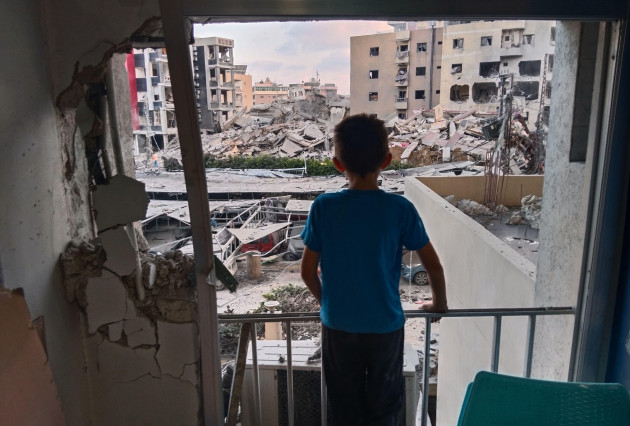
Israel and Lebanon agree to renew ceasefire, with Hezbollah banned from pilot security zones It was not immediately clear how security zones would be established but the agreement calls for the Lebanese army to take control of those areas.
thejournal · 3 days ago
Iran-US war latest: Israel to continue strikes in Lebanon with US backing despite ceasefire, says defence minister Israel has freedom of action, backed by the United States, to strike in Beirut in response to attacks on Israeli communities and territory, said defence minister Katz shortly after a US-brokered ceasefire was agreed
independent · 3 days ago
Iran war day 97: Tehran says no progress in talks; Israel attacks Lebanon Israel carries out drone attacks on Lebanon after agreeing to renew ceasefire as Tehran defends attacks on Gulf nations.
aljazeera · 3 days ago
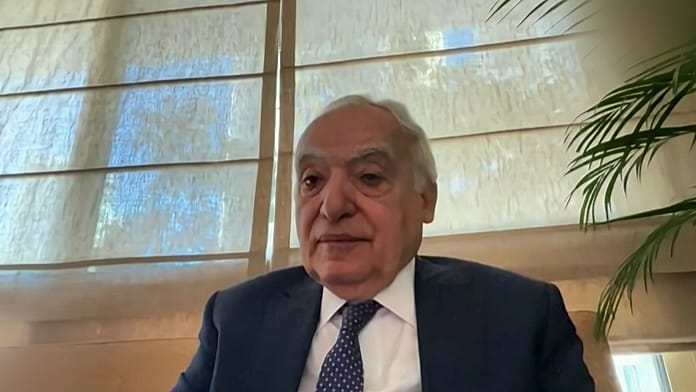
Lebanon minister hopes new Israel ceasefire is more genuine than previous truce Lebanons Minister of Culture Ghassane Salamé tells Europe Today that a US-brokered ceasefire with Israel offers hope of ending Israel-Hezbollah hostilities, despite previous truces breaches.
euronews · 3 days ago
„Waffenruhe im Libanon: Die Regierung in Beirut und Israel nehmen neuen Anlauf Zuletzt eskalierte der Krieg Israels gegen die Hisbollah trotz vereinbarter „Waffenruhe, nun soll sie umgesetzt werden. Kann das gelingen? mehr...
taz.de · 3 days ago