 Tuesday, June 30Tuesday, June 30
Berlin’s contested Molkenmarkt redevelopment takes shape as architects unveil designs steeped in tradition and controversy, while the city’s housing crisis fuels parallel battles over social equity and urban identity. On Monday, 29 June 2026, the winners of a second architecture competition for the eastern section of the historic Molkenmarkt district were announced, marking a decisive step in a project that has been mired in debate for years .
The winning proposal, selected from 32 entries, emphasizes stone masonry and classical proportions, reflecting the area’s heritage while aiming to integrate 380 new apartments, retail spaces, and public squares. Yet critics warn that the design risks gentrifying a neighborhood already strained by rising rents and displacement pressures. “The competition jury praised the ‘contextual sensitivity,’ but sensitivity to whom?” asked urban policy analyst Lina Vogt. “Tradition here means privileging investors over tenants.”
The Molkenmarkt redevelopment is unfolding against a backdrop of escalating housing tensions in Berlin. In Kreuzberg’s Graefekiez, residents describe a “social tipping point” as longtime tenants face eviction pressures and the erosion of community networks . Meanwhile, the Siemens-Campus in Spandau, now under construction, promises 3,800 new homes alongside schools and offices—yet its scale has intensified debates over who benefits from Berlin’s urban expansion .
Cultural institutions are also grappling with change. The Berlin Philharmonic’s intendant, Andrea Zietzschmann, announced she will step down in 2028, leaving a leadership void as the orchestra prepares for a major renovation of its iconic building . In Vienna, a new exhibition on the Museumsquartier’s 25-year history revisits the contested legacy of the Leseturm, a symbol of both cultural ambition and unresolved tensions .
As Berlin’s skyline evolves, so too does its social fabric. The city’s housing shortage has revived interest in the “tuindorp” model—a century-old concept of garden suburbs that prioritizes affordability and community . Yet for many, the promise of renewal remains distant. In Kreuzberg, one resident summed up the dilemma: “They’re building for the future, but we’re living in the squeeze.”
Follow us for live European news
1 further source not geolocated

Manor loses heritage status after rare murals destroyed Norra Manor in Järva County, whose second‑floor walls were once covered with rare murals, has lost its cultural monument status. Unauthorized construction work over the years has destroyed the paintings, ornaments, unique stoves and other valuable details.
news.err · 1 day ago
Viel Stein, viel Tradition: Architektursieger für zweiten Teil des Berliner Molkenmarkts stehen fest Die Gestaltung des neuen Stadtviertels am Berliner Molkenmarkt ist seit Jahren umkämpft. Nach einem weiteren Architekturwettbewerb nimmt sie Form an. Wie sie aussieht – und wo es hakt.
tagesspiegel · 1 day ago
Hoher Andrang in den 7. Klassen in Berlin: Neue Favoriten bei der Schulwahl in Treptow-Köpenick Zum kommenden Schuljahr hat sich die Nachfrage an einigen weiterführenden Schulen im Südosten Berlins reduziert – dafür stieg die Zahl der Erstwünsche an anderen Einrichtungen. Die Zahlen im Überblick.
tagesspiegel · 1 day ago
Nach elf Jahren im Amt: Intendantin der Berliner Philharmoniker hört 2028 auf Intendantin Andrea Zietzschmann wird ihren Vertrag nicht mehr verlängern. Auf ihre Nachfolge kommt ein Großprojekt zu: Das ikonische Gebäude muss saniert werden.
tagesspiegel · 1 day ago
Berlins neues Siemens-Viertel: Er hat Berlin im Blut – und den Richtspruch auf den Lippen 3800 Wohnungen, Schulen, Kitas und Büros: Der Siemens-Campus wächst. Jetzt kam die Politik auf die Baustelle. Doch der entscheidende Moment gehört diesem Mann.
tagesspiegel · 1 day ago
Kunstzentrum: Deutsche Bank schließt Ausstellungshaus in Berlin Vor fast einem Jahrzehnt öffnete das Ausstellungszentrum PalaisPopulaire im Herzen Berlins. Nun zieht sich die Deutsche Bank aus dem früheren Prinzessinnenpalais zurück.
tagesspiegel · 1 day ago
Der dunkelrote Angriff auf die Städte [premium] SPÖ vs KPÖ. Die KPÖ macht der SPÖ beim Thema Wohnen Konkurrenz. Insbesondere im städtischen Raum und nicht nur in Graz. Das könnte künftig bei Länder-Wahlen durchaus eine Rolle spielen.
die presse · 1 day ago
„Porträts waren früher nur den Reichen vorbehalten. Eigentlich ist es immer noch so [premium] Barbara Pacholik ist Porträtmalerin, früher war sie Theatermalerin an der Wiener Staatsoper. In ihrer Ausstellung „Heimat großer Töchter in Wien zeigt sie 20 inspirierende Frauen.
die presse · 1 day ago
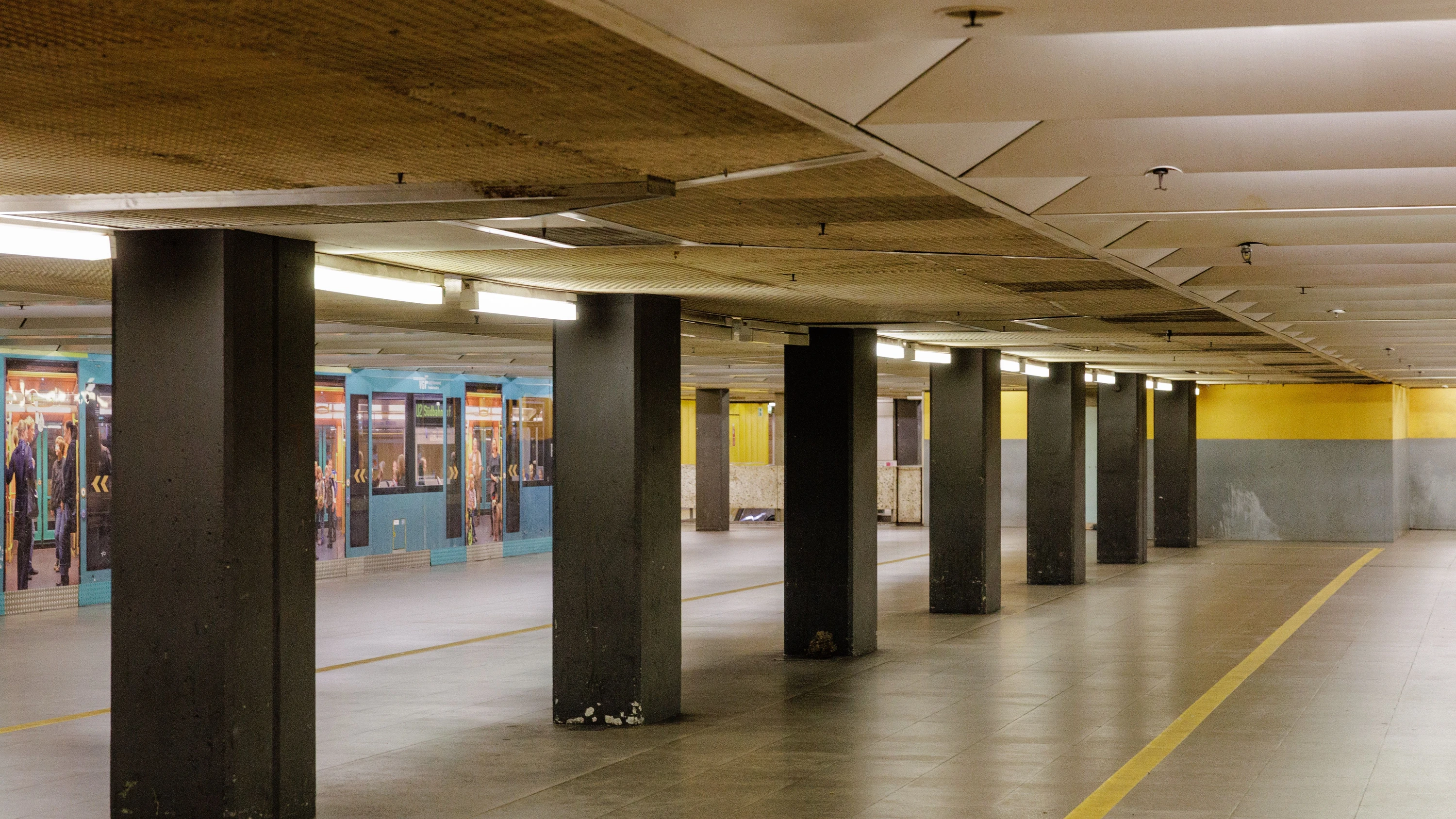
Schlafstätte Aufgelöst: Frankfurt sucht dringend Notquartier für 150 Obdachlose Morgens kam die Kündigung, am Nachmittag war die Notschlafstätte in der U-Bahnstation mitten in Frankfurt schon geräumt. Nun sucht die Stadt mit Hilfe des Katastrophenschutzes ein Quartier für 150 Menschen.
faz · 1 day ago
Syrian landmark reveals forgotten roots of Gothic architecture
gdeltproject.org · 1 day ago
Suisa Songwriting Camp – Die Schweizer ESC-Hitfabrik wird umgebaut Das Suisa Songwriting Camp fabrizierte Schweizer ESC-Hits. Trotz der Erfolge wird die Songschmiede nun neu ausgerichtet.
srf.ch · 1 day ago
Berliner Seen, nein danke: Das große Seegrausen Warum nur wollen alle unbedingt zwischen Boomboxgedröhn und Steroid-Mücken auf toten Wurzeln herumliegen? Unser Autor bleibt lieber zu Hause. mehr...
taz.de · 1 day ago
Sozialer Brennpunkt in Berlin-Kreuzberg: Nachbarkeit und Kiezschnupfen Spiel nicht mit den Schrankenkindern: Wie es mittlerweile ist, auf der falschen Seite des Berliner Graefekiezes zu wohnen. mehr...
taz.de · 1 day ago
Künstlerförderung in Berlin: Viel gebaut und viel geraucht Von 1951 bis 2004 gab es die Soziale Künstlerförderung in Berlin. Ihr Depot umfasst 15.000 Arbeiten, die jetzt erforscht werden. mehr...
taz.de · 1 day ago
Hitziges Berlin: Die Hundstage werden ungemütlich Finstere Gesellen machen im Volkspark Jagd auf queere Menschen. Die schöneren News: Pulp sind noch so gut wie 1996 und sogar ehrliche Finder gibt es noch. mehr...
taz.de · 1 day ago
Kunst und Theorie: Romantisierung, Erschlaffung oder Antintellektualität? Philipp Felsch, Heinz Bude und Oliver Marchart treffen im Documenta Institut aufeinander. Dort diskutieren sie die Verbindung von Theorie und Kunst. mehr...
taz.de · 1 day ago
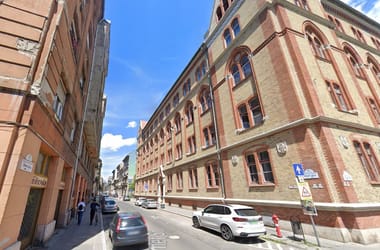
Új iskolautca jöhet a Józsefvárosban A második iskolautcáját tervezi a VIII. kerület, teljesen eltűnhetnek az autók a Német utca egy szakaszáról.
hvg.hu · 1 day ago
Het tuindorp: een honderd jaar oud idee is nu actueler en relevanter dan ooit Het schreeuwende woningtekort zorgt voor hernieuwde interesse in een ideaal uit het verleden: het tuindorp. Vreewijk, verscholen op Rotterdam-Zuid, is daarvan een van de meest sprekende voorbeelden.
nrc · 1 day ago
25 Jahre Museumsquartier: Und immer noch schmerzt der Leseturm [premium] Die Ausstellung „Vision und Widerstand, die Andreas Nierhaus über die Geschichte des Museumsquartiers kuratiert hat, zeigt Österreich in der Nussschale.
die presse · 1 day ago

Buch über das Wienerische: "Wien hat bei aller Zwiespältigkeit etwas Anziehendes" Was Deutsche an der Hauptstadt-Sprache gefällt und wie man ihren Dialekt illustriert: Anke Weber und Heinz Wolf über ihr Buch über das Wienerische.
der standard · 1 day ago
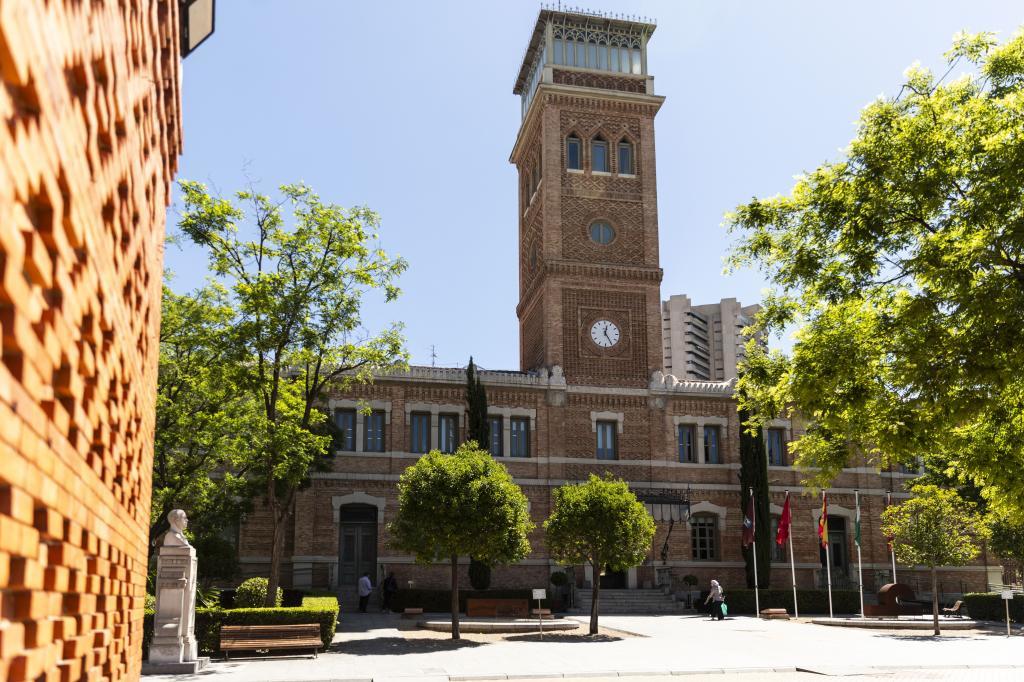
Almeida recupera el edificio de las Escuelas Aguirre para su rehabilitación y uso municipal: "Casa Árabe se convirtió en el chiringuito de la biógrafa de Pedro Sánchez" El Consistorio ha comunicado hoy su decisión tras la pésima gestión entre 2021 y 2025 de Irene Lozano y ejerce el derecho de recuperación de un inmueble que fue cedido durante la etapa de Gallardón Leer
elmundo · 1 day ago
26 γυναίκες άνω των πενήντα ετών μετακόμισαν στο κτιριακό συγκρότημα που σχεδίασαν και δεν νιώθουν πια μόνες
protothema · 1 day ago
Opinie: In de Bloemenbuurt in Amsterdam-Noord zitten mensen vast in huizen die gebouwd zijn voor een ander klimaat, onder regels uit een andere tijd
parool · 1 day ago

Wie Stuttgart einst die Moderne prägte – und was davon bleibt Der Stuttgarter Kaufmann Max Brommer sammelte die Stars der süddeutschen Avantgarde. Sein lang verborgener Schatz kommt nun unter den Hammer.
welt.de · 1 day ago
„Der Kirschgarten im Potsdamer Heckentheater: Stagnation und überraschende Wendung Das Theater Poetenpack ist erneut in Potsdam zu Gast. Noch bis August ist im Heckentheater am Neuen Palais Anton Tschechows „Der Kirschgarten zu sehen.
tagesspiegel · 1 day ago
Mehrere Gegendemonstrationen angemeldet: AfD startet vor Rotem Rathaus in den Berliner Wahlkampf Chrupalla, Siegmund, Hohloch. Am Montagabend erwartet die AfD-Parteiprominenz zum Berliner Wahlkampfauftakt in Berlins Mitte. Die Polizei bereitet sich auf den Einsatz vor.
tagesspiegel · 1 day ago
Kunst beim Bundespräsidenten: Schloss Bellevue: 30.000 besuchen Kunstausstellung Der Amtssitz des Bundespräsidenten muss wegen einer umfassenden Sanierung mehrere Jahre schließen. Kurz vorher verwandelte sich das Schloss vorübergehend zur Kunstgalerie.
tagesspiegel · 1 day ago
Reaktion auf Hitze: Krach will Miniparks am Gendarmenmarkt und am Alex Können aus Steinwüsten grüne Oasen werden? Der SPD-Spitzenkandidat für die Abgeordnetenhauswahl fordert Miniparks zum Beispiel vor dem Hauptbahnhof. Paris könnte dafür ein Vorbild sein.
tagesspiegel · 1 day ago
Hommage an die Komponistin Ursula Mamlok im Konzerthaus: Hauptsache, es wird nicht langweilig Zum 10. Todestag der Berliner Komponistin, die den Nazis entkam, spielten die Geigerin Rachel Koblyakov und das Trio Track3 im Konzerthaus.
tagesspiegel · 1 day ago
Berliner Subkultur: Vergangene Nächte, Kunst und Töne Am Wochenende schlossen mit dem Aktionshaus und Die Möglichkeit einer Insel zwei Berliner Projekträume. Ganz vorbei soll es aber mit beiden nicht sein. mehr...
taz.de · 1 day ago