 Thursday, May 21Thursday, May 21
Germany’s Economic and Corporate Developments
Foreign direct investment (FDI) in Germany has declined significantly, with China remaining the top investor. Germany’s trade surplus with the U.S. has also dropped by one-third, driven in part by reduced auto exports .
The German government plans to acquire a 40% stake in defense contractor KNDS, a Franco-German joint venture specializing in armored vehicles and artillery systems. This move aligns with broader efforts to strengthen domestic defense production amid rising geopolitical tensions .
BASF has announced a cost-cutting program aimed at reducing fixed expenses by 20%, reflecting ongoing pressures in the chemical industry and efforts to improve profitability .
The German Wind Energy Association has called for a "return option" for offshore wind projects, allowing developers to reclaim projects if they face financial or technical challenges. This proposal aims to address delays and cost overruns in the sector .
Pension Reform Debate A government-appointed commission is reportedly set to recommend raising the retirement age to 70, sparking criticism from Labor Minister Hubertus Bas and the CDU’s labor wing. The proposal, leaked to *Bild*, suggests a gradual increase in the retirement age, though the government has not yet formally endorsed it . The Technical University of Chemnitz has declined to reopen a disciplinary procedure against economist Isabel Schnabel (ECB Executive Board) following a critical expert report, despite calls from some political figures .

Net migration into UK almost halved in 2025, official figures show – politics live Office for National Statistics says figure of 171,000 in year to December 2025 was the lowest since 2021The Home Office has also published asylum figures this morning. These show that the number of asylum seekers being housed temporarily in hotels stood at 20,885 at the end of March 2026, down 35 year-on-year from 32,326. The Press Association says:It is the lowest figure since data was first reported in 2022, Home Office figures show.The total had climbed as high as 56,018 at the end of September 2023.Brits are leaving on a massive scale and non-EU immigration remains far too high. Mass immigration undermines our society and low wage immigration is bad for the economy. British families feel it in lower wages, longer waiting lists for public services and housing shortages.Labour must go further and reform indefinite leave to remain before their hard-left flank forces them to abandon it altogether. Continue reading...
theguardian · about 2 hours ago

Business-Ticker: Ausländische Investitionen in Deutschland deutlich gesunken China Investor Nr. 1 +++ Deutscher Exportüberschuss mit USA fällt um ein Drittel +++ Bund plant Einstieg mit 40 Prozent bei Panzerbauer KNDS +++ Neuigkeiten im Unternehmen-Liveblog.
faz · about 3 hours ago

Industrial production in Switzerland fell sharply in first quarter Production in Switzerlands secondary sector continued to decline in the first quarter of 2026. Industry in particular was weaker than in the previous year, while production in the construction industry increased slightly. +Get the most important news from Switzerland in your inbox In the entire secondary sector of the economy, specifically industry and construction, production fell by 6.1 between January and March 2026 compared to the same period in the previous year, as reported by the Federal Statistical Office (FSO) on Thursday. Turnover shrank by 5.8. + Lonza sells off capsule division In the industrial sector, production fell by a clear 7.1. The pharmaceutical products (-20.4) and vehicle construction (-15.0) sectors saw the sharpest declines. However, there was an increase in the manufacture of metal products (+8.8) and data processing equipment and watches (+6.6). Construction industry up The construction industry, on the other hand, developed more favourably, as in ...
swissinfo · about 3 hours ago
EU cuts growth forecasts as Middle East war drags on The blocs growth will slow and energy prices will push inflation up, European Commission forecasts.
politico.eu · about 3 hours ago

Deutschland-Liveblog: CDU-Arbeitnehmerflügel kritisiert Rente mit 70 Brisanter Bericht über Rentenkommission +++ Bundesregierung übt Reaktion auf mögliche Flugzeugentführung +++ alle Entwicklungen im Liveblog
faz · about 4 hours ago

Business-Ticker: Deutscher Exportüberschuss mit USA fällt um ein Drittel – Weniger Autoexporte Bund plant Einstieg mit 40 Prozent bei Panzerbauer KNDS +++ BASF will mit Sparprogramm Fixkosten um 20 Prozent senken +++ Windkraft-Verband fordert Rückgabeoption bei Offshore-Projekten +++ Neuigkeiten im Unternehmen-Liveblog.
faz · about 4 hours ago
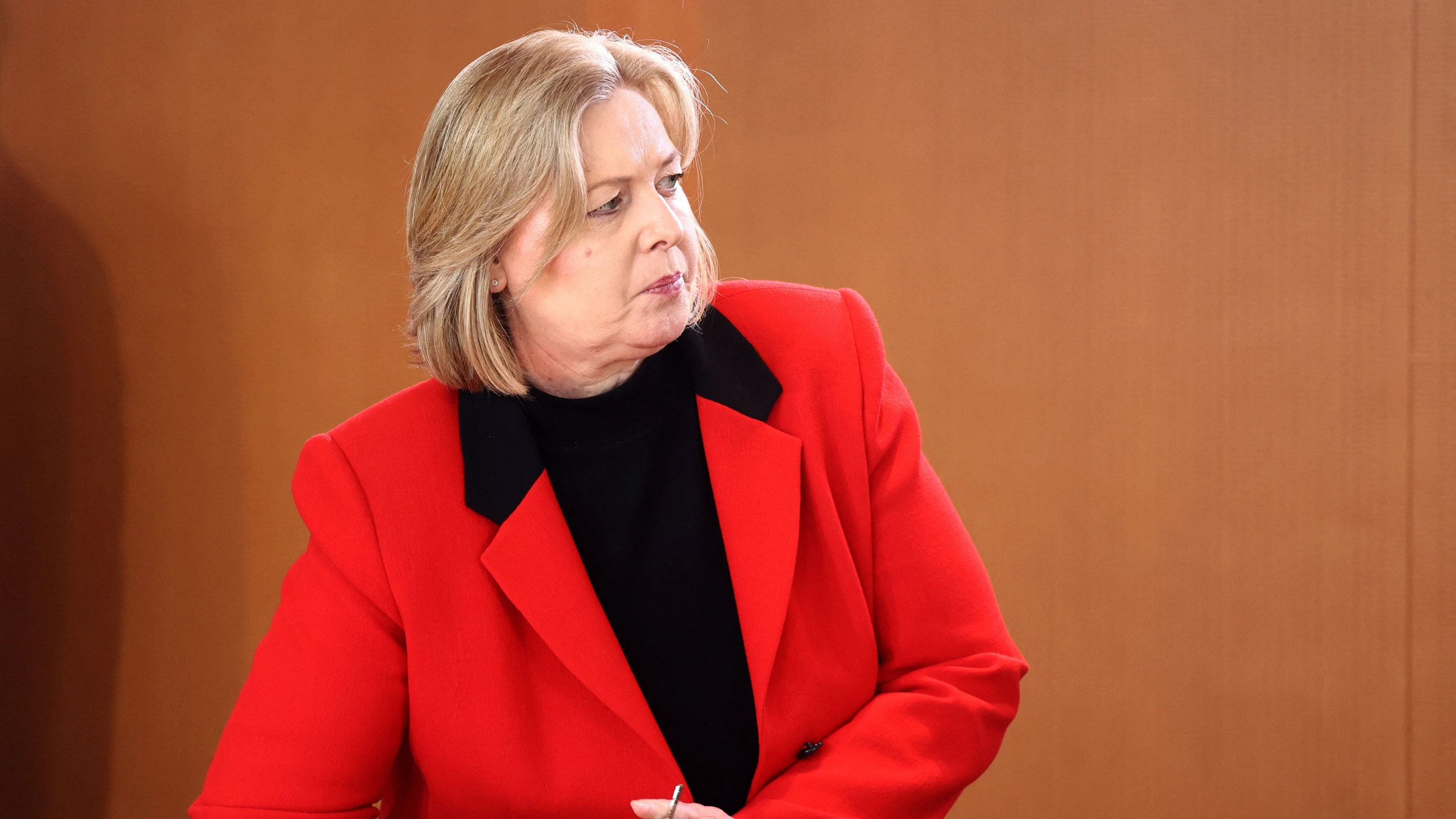
Deutschland-Liveblog: Arbeitsministerin Bas und CDU-Arbeitnehmerflügel kritisieren Rente mit 70 Brisanter Bericht über Rentenkommission +++ Bundesregierung übt Reaktion auf mögliche Flugzeugentführung +++ TU Chemnitz will Webers Gutachten nicht zum Anlass für neues Verfahren nehmen +++ alle Entwicklungen im Liveblog
faz · about 4 hours ago
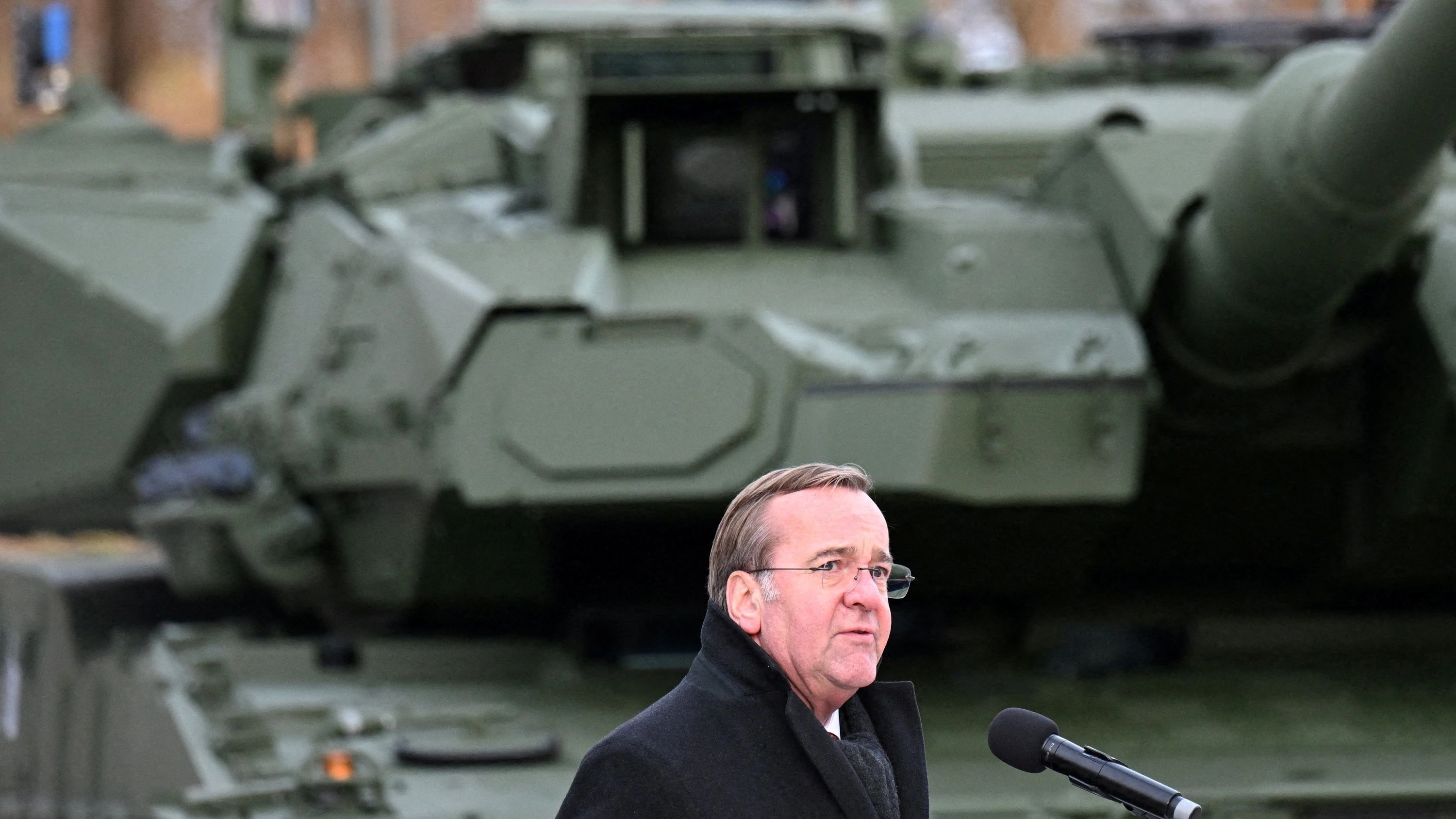
Business-Ticker: Deutschland will mit 40 Prozent bei Panzerbauer KNDS einsteigen BASF will mit Sparprogramm Fixkosten um 20 Prozent senken +++ Windkraft-Verband fordert Rückgabeoption bei Offshore-Projekten +++ Neuigkeiten im Unternehmen-Liveblog.
faz · about 7 hours ago

Deutschland-Liveblog: Kommission will angeblich Rente mit 70 empfehlen Experten laut „Bild für schrittweise Anhebung des Renteneintrittsalters +++ Bundesregierung übt Reaktion auf mögliche Flugzeugentführung +++ TU Chemnitz will Webers Gutachten nicht zum Anlass für neues Verfahren nehmen +++ alle Entwicklungen im Liveblog
faz · about 11 hours ago

Voters across parties believe UK net migration is rising despite sharp drop Study, published as latest migration figures are released, shows incorrect perceptions driving immigration debatePeople mistakenly believe net migration is rising in Britain despite figures dropping to their lowest level in years, a leading thinktank has found.New research from British Future, published ahead of latest government figures on migration, has revealed a chasm between reality and public perception of net migration, with a substantial portion of the public believing it has increased, despite figures showing a sharp fall. Continue reading...
theguardian · about 12 hours ago
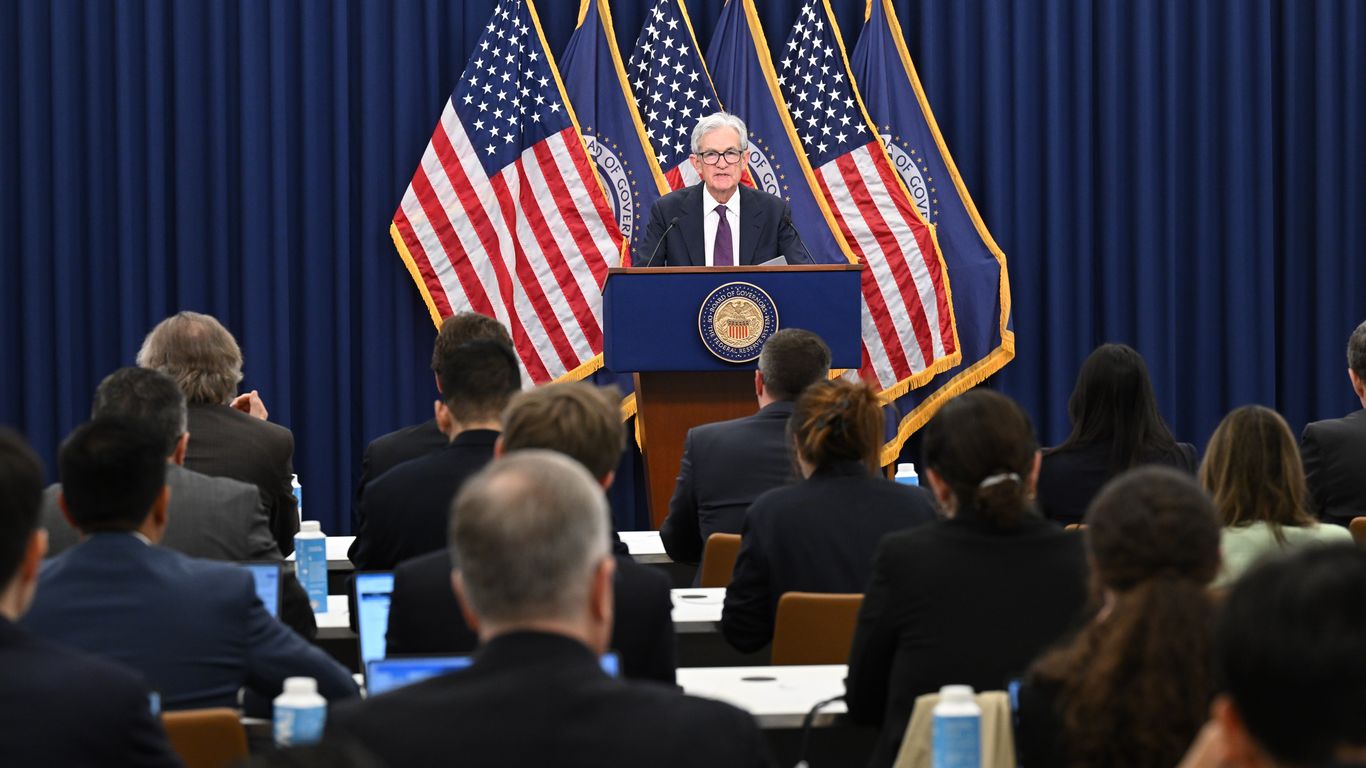
Most Fed officials see rate hikes if inflation stays high, minutes show A majority of Federal Reserve officials believed the central bank could raise interest rates if inflation stays high, according to the minutes from the central banks April 28-29 policy meeting. Why it matters: It suggests that a larger constituency than previously known is backing the possibility of higher interest rates, with the fallout from the Iran war stoking quicker price increases ahead of Kevin Warsh becoming Fed chair. Between the lines: The Fed held rates steady last month, though much of the disagreement was about language in the closely watched policy statement, which indicated that the next move could be a cut. Four officials on the Feds rotating roster of voting members dissented, three of whom preferred a more two-sided characterization that suggested the Feds next move could be up or down. What theyre saying: A majority of participants highlighted … that some policy firming would likely become appropriate if inflation were to continue to run persistently above 2 percent, the minutes show, referring to tighter monetary policy if inflation remained above its target.The minutes did not specify how long those Fed officials would need to see sticky inflation before backing a hike.The big picture: The war has caused energy prices and costs of other affected commodities to soar in recent months, with economists unsure about how those price pressures might spill over into other parts of the economy.That question is at the heart of what the Fed does next, as it is about to be led by Warsh, who has supported rate cuts. The late April policy meeting was expected to be the last for Jerome Powell as Fed chair. Several participants indicated that, in a scenario in which the conflict was resolved soon, rate reductions would be warranted later this year if the effects of higher tariffs and energy prices on inflation were to dissipate in line with their expectations, the minutes show. Yes, but: Some, a qualifier that suggests a slightly larger group than several, raised concerns … about a scenario in which sustained elevated energy prices, combined with the effects of tariffs, could result in inflation pressures becoming embedded more broadly, potentially de-anchoring inflation expectations. What to watch: The minutes show that many Fed officials raised the importance of addressing cybersecurity risks, especially with respect to AI. Several of those officials specifically called out the rapid development of AI technologies, warning that hostile cyber intrusions at systemically important financial firms or essential market infrastructure could materially impair financial system operations.The intrigue: The Fed meeting was held weeks after AI company Anthropic held its Mythos model from public release, for fear of its abilities to find and exploit security flaws. Some large banks have received access. Axios confirmed reporting that Treasury Secretary Scott Bessent and then-Fed chair Jerome Powell last month met with Wall Street banks to discuss the risks of AI-powered attacks on bank systems.
axios · about 17 hours ago
Many Fed officials called for US central bank to drop easing bias in April Minutes from latest meeting highlight growing concerns about rising inflation sparked by Iran war
financial times · about 18 hours ago