
UN chief urges justice as Bosnia marks Srebrenica genocide anniversary

Story Timeline
3 days · 2 summary articles
UN chief urges justice as Bosnia marks Srebrenica genocide anniversary
Solemn funeral procession carries remains of 10 Srebrenica genocide victims to Potočari
Continuation
On the 31st anniversary of the Srebrenica genocide, United Nations Secretary-General António Guterres urged the world to confront denial and uphold justice as Bosnia and Herzegovina marked one of the darkest chapters in modern European history. Speaking on the International Day of Reflection and Commemoration of the Genocide in Srebrenica, Guterres condemned attempts to distort the truth about the 1995 massacre, in which more than 8,000 Bosnian Muslim men and boys were systematically killed by Bosnian Serb forces under the command of General Ratko Mladić. “The intention to destroy the Bosnian Muslims from Srebrenica failed,” Guterres declared. “We stand in solidarity with the survivors and the families of the victims, including the Mothers of Srebrenica, whose courage preserved this truth before the world.”
The UN chief emphasized that international courts have conclusively established the crimes as genocide, stressing that criminal responsibility is individual and cannot be attributed to any ethnic or religious group. “Remembering Srebrenica also means confronting hate speech and discrimination, and renewing our determination to make ‘never again’ a reality for everyone,” he said. Guterres called on the international community to listen to survivors and take concrete steps toward justice, reconciliation, and lasting peace. “Let the memory of Srebrenica strengthen our commitment to human dignity, today and for generations to come.”
The European Union echoed these calls, with EU foreign policy chief Kaja Kallas and Enlargement Commissioner Marta Kos issuing a joint statement ahead of the anniversary. They condemned genocide denial and the glorification of war criminals, warning that “there is no place in Europe for genocide denial.” The EU leaders urged regional leaders to embrace dialogue and accountability as the bloc prepares to commemorate the massacre. “We must ensure that the truth about Srebrenica is preserved and that those responsible are held to account,” the statement read.
In Bosnia, the commemoration took on added urgency as the remains of 10 newly identified victims were laid to rest at the Potocari Memorial Cemetery. The victims, whose identities were confirmed through DNA analysis, were among thousands still missing from the 1995 massacre. In Sarajevo, a solemn procession accompanied their transfer from the capital to the memorial site, where families gathered to mourn. “The growing number of visitors shows that the goal of Biljani remaining a permanent historical fact and reminder has been achieved,” said Jasmin Musić, mayor of Ključ, where another massacre—one of the earliest in the Bosnian War—claimed 258 Bosniak civilians in 1992, including five-month-old Amila Džaferović.
The Türkiye-funded Srebrenica Genocide Museum marked its first anniversary this week, preserving the memory of the victims through personal artifacts and survivor testimonies. Reisu-l-ulema Husein ef. Kavazović of the Islamic Community in Bosnia and Herzegovina described global recognition of the genocide as “a civilizational act,” warning that forgetting would only embolden future atrocities. “Remembering the genocide in Srebrenica is not only an act of honoring the victims but a permanent religious, moral and national obligation to preserve the truth,” he said during a memorial service in Sarajevo’s Gazi Husrev-bey mosque.
As Bosnia grappled with its past, Poland’s Prime Minister Donald Tusk marked a separate tragedy—the 1943 Volhynia massacres—by announcing plans for a Wall of Memory in Warsaw bearing the names of every identified victim. Speaking in a video message, Tusk condemned nationalism and stressed that memory must serve truth, not hatred. “The answer to nationalism cannot be more nationalism,” he said. “Memory and truth must help us build a better future, free of hatred and contempt.” Tusk also linked the preservation of historical truth to Ukraine’s EU accession process, stating that “whoever wants to join this community must be ready for this truth.”
Meanwhile, Cyprus marked the 15th anniversary of the deadly Mari naval base explosion, which killed 13 people in 2011. President Nikos Christodoulides reiterated the state’s apology for the failures that led to the disaster, calling the victims “heroes” who fought an unequal battle against systemic negligence. “The fatal blast at Mari cost 13 people their lives unjustly,” he said, adding that the tragedy had plunged the country into an unprecedented crisis. “The state is doing everything humanly possible through institutionalised procedures, continuous training, and strict protocols to limit potential risks and provide security.”
Follow us for live European news
Articles

Cyprus ashamed of Mari tragedy 15 years on, Christodoulides says President Nikos Christodoulides on Saturday said that Cyprus remains ashamed of the Mari explosion, as he made a speech at a memorial event to mark its 15th anniversary. We are here to pay, with respect and with pride, the due tribute to the martyrs of that shameful day, who reported for duty and fought an […]
cyprus mail · about 3 hours ago
Polish defence minister to visit Ukraines Volyn Polands Minister of Defence Władysław Kosiniak-Kamysz will visit Ukraines Volyn Oblast on 11 July, to take part in commemorations honouring those killed in the region during the Second World War.
ukrpravda · about 4 hours ago

Ekshumacje w dwóch kolejnych wsiach na Wołyniu. Do tej pory odnaleziono tam szczątki prawie 700 Polaków 13 lipca na terenie dawnych wsi Ostrówki i Wola Ostrowiecka rozpoczną się prace ekshumacyjne oraz późniejszy ponowny pochówek szczątków mieszkańców tych miejscowości, którzy zginęli w sierpniu 1943 r. Prace potrwają do 7 sierpnia - poinformował w piątek Ukraiński Instytut Pamięci Narodowej.
gazeta.pl · about 4 hours ago
President Christodoulides apologises on behalf of state for errors that led to deadly Mari blast President Nikos Christodoulides has repeated the states apology for the errors and omissions that led to the deadly Mari explosion, assuring the public that every effort is being made to prevent similar tragedies in the future. The President delivered the memorial address at the annual service for the 13 people killed in the 11 July […]
in-cyprus · about 4 hours ago
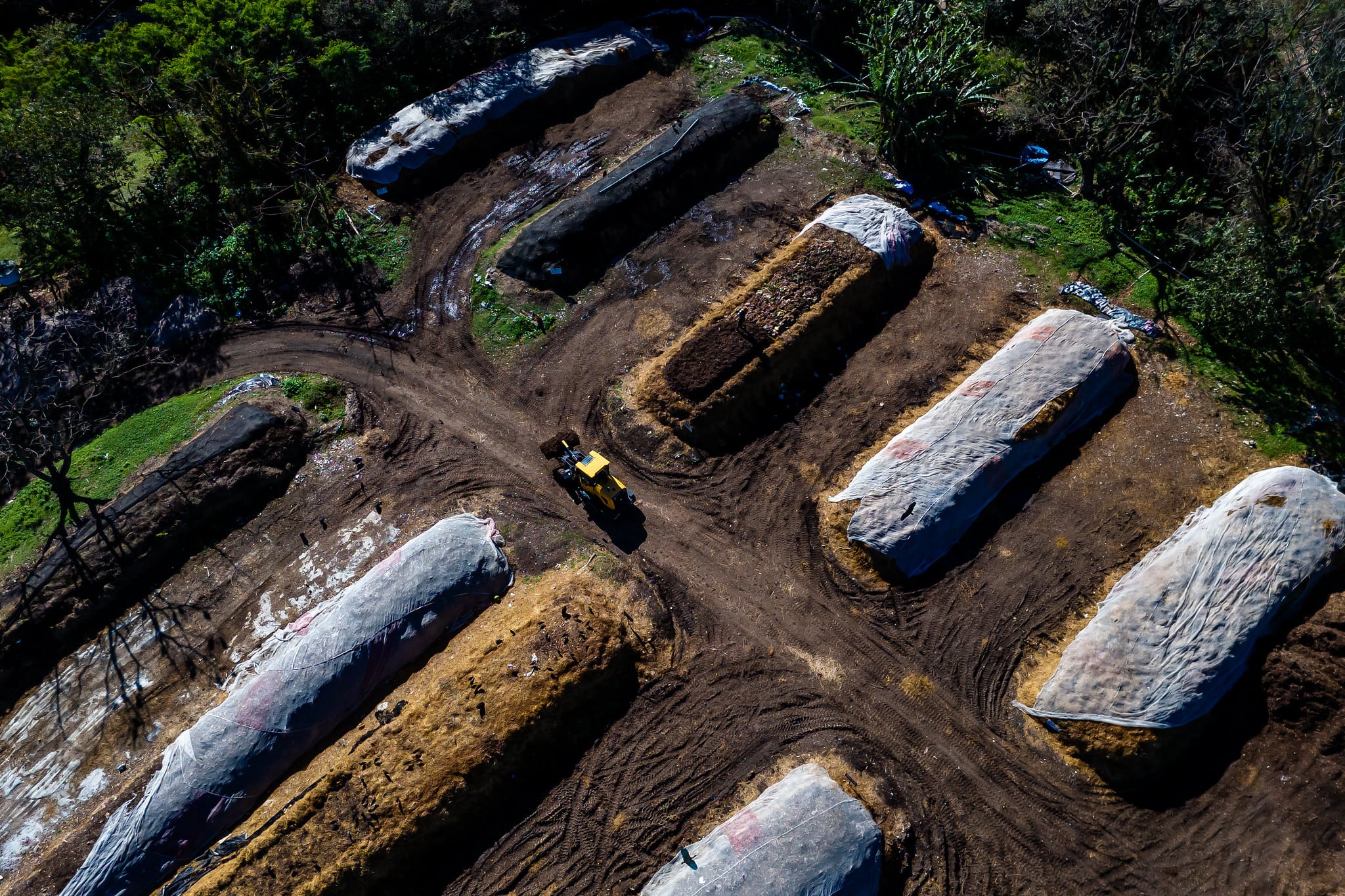
Florianópolis, the Brazilian city that wants to eradicate waste The city in southern Brazil is the only South American municipality among the 20 worldwide recognized by the United Nations for its efforts to promote recylcing
elpais · about 4 hours ago
Guterres on the Anniversary of the Srebrenica Genocide: The Intention to destroy Bosnian Muslims failed On the occasion of the International Day of Reflection and Commemoration of the Genocide in Srebrenica, United Nations Secretary-General Antonio Guterres said that the world must preserve the truth about the crimes committed in July 1995, oppose the denial of genocide and renew the commitment to justice, reconciliation and peace. Guterres reminded that on this […] The post Guterres on the Anniversary of the Srebrenica Genocide: The Intention to destroy Bosnian Muslims failed appeared first on Sarajevo Times.
sarajevo times · about 4 hours ago

"11 lipca rozpocznie się budowa pomnika ku czci UPA na Wołyniu". Ukraina ostrzega przed rosyjskimi fake newsami Ukraiński dowódca wojskowy nie chce pomocy od Polski, a prezydent Ukrainy Wołodymyr Zełenski planuje rozpocząć budowę pomnika ku czci UPA na Wołyniu w rocznicę ludobójstwa. To przykłady rosyjskich fake newsów, które w ostatnich dniach są udostępniane przez anonimowe konta na platformach społecznościowych.
gazeta.pl · about 4 hours ago
Fifteen years since deadly Mari explosion Saturday marks 15 years since the deadly explosion at the Evangelos Florakis naval base in Mari, in which 13 people lost their lives. The annual memorial service for the 13 men, who fell in the line of duty on July 11, 2011 took place in the morning at Agion Ieromartiron church, at the naval base in Mari in […]
cyprus mail · about 4 hours ago
EU condemns genocide denial ahead of Srebrenica anniversary EU foreign policy chief Kaja Kallas and Enlargement Commissioner Marta Kos warned that there is no place in Europe for genocide denial or the glorification of war criminals, calling on regional leaders to embrace dialogue as the bloc prepares to commemorate the 31st anniversary of the Srebrenica massacre.
yenisafak · about 4 hours ago
Türkiye-backed Srebrenica Genocide Museum marks first year The Türkiye-funded Srebrenica Genocide Museum has completed its first year of operation, preserving the memory of more than 8,000 Bosniak victims through personal artifacts and survivor testimonies as this years July 11 commemoration ceremonies approach.
yenisafak · about 5 hours ago
Monumentul din Spania dedicat legionarilor români Ion Moța și Vasile Marin va fi demolat Ministrul spaniol al „Politicilor teritoriale și al memoriei democratice, Ángel Víctor Torres, a anunțat că a inclus monumentului dedicat românilor căzuți la Majadahonda în catalogul simbolurilor contrare Memoriei Democratice. Acesta va fi demolat, notează Noticias de Majadahonda.
digi24 · about 5 hours ago

Tusk chce upamiętnić ofiary zbrodni wołyńskiej. "W Warszawie stanie Mur Pamięci" Premier poinformował, że w Warszawie stanie Mur Pamięci z wiecznym ogniem i nazwiskami każdej odnalezionej i zidentyfikowanej ofiary wojen XX wieku w Ukrainie.
gazeta.pl · about 5 hours ago
Serbias Rivers Are Drowning in Sewage as Promised Fixes Stall
gdeltproject.org · about 5 hours ago
34th Anniversary of the Crime in Biljani near Kljuc marked In Biljani near Ključ, the 34th anniversary of one of the most serious war crimes committed in the Sana Valley, in which members of the Republika Srpska Army killed 258 Bosniak civilians on July 10, 1992, was marked, including five-month-old Amila Džaferović, the youngest victim of the massacre. The commemoration once again called for the […] The post 34th Anniversary of the Crime in Biljani near Kljuc marked appeared first on Sarajevo Times.
sarajevo times · about 5 hours ago
V Japonsku v 18 letech uhynula nejstarší a populární koala. Park zřídí pietní místo pro pokládání květin V Japonsku ve středu uhynula nejstarší koala, které bylo 18 let, což odpovídá přibližně 90 lidským letům. Podle agentury Kjódó to oznámilo turistické zařízení v západojaponské prefektuře Hjógo.
irozhlas.cz · about 5 hours ago
Sarajevo honors 10 Srebrenica victims ahead of July burial The remains of 10 victims of the 1995 Srebrenica genocide received an emotional farewell in Sarajevo on Thursday as they were transported toward the Potocari Memorial Cemetery, where they will be laid to rest during ceremonies marking the 31st anniversary of the massacre.
yenisafak · about 6 hours ago
Ten more martyrs… Bosnia, as it does every year at this time, will today remove the bandage from its wound, cry out the truth to the world once more, and then gently cover its wound again. Yes, for the victims of the Srebrenica Genocide that took place in the summer of 1995, tears will flow again today, hearts will ache again, and the martyrs will remind the "modern" world once more of its hypocrisy and indifference. On the 31st anniversary of the genocide, 10 more victims whose identities have just been identified
yenisafak · about 6 hours ago
Mineva 31 let od genocida v Srebrenici. Pokopali bodo posmrtne ostanke desetih žrtev. V spominskem centru v Potočarih bo potekala osrednja spominska slovesnost ob 31. obletnici genocida v Srebrenici, ko je bilo ubitih več kot 8000 Bošnjakov. Pokopali bodo posmrtne ostanke desetih žrtev, ki so jih našli v množičnih grobiščih po BiH-u.
rtv slovenia · about 6 hours ago
Kavazovic: Global Recognition of Srebrenica Genocide Is a Civilizational Act Reisu-l-ulema of the Islamic Community in Bosnia and Herzegovina Husein ef. Kavazović said today in the Gazi Husrev-bey mosque in Sarajevo that remembering the genocide in Srebrenica is not only an act of honoring the victims but a permanent religious, moral and national obligation to preserve the truth, warning that forgetting opens up space for […] The post Kavazovic: Global Recognition of Srebrenica Genocide Is a Civilizational Act appeared first on Sarajevo Times.
sarajevo times · about 6 hours ago
Moscow condemns vandalism of Soviet war cemetery in the Netherlands
gdeltproject.org · about 6 hours ago
Brcko Mayor declares July 4th and 11th as Days of Mourning The mayor of Brčko, Siniša Milić, made decisions on declaring July 4 and 11 days of mourning in the Brčko district of Bosnia and Herzegovina. As stated in his decision, the Day of Mourning on July 4 is declared to mark the anniversary of the suffering in Srednje Podrinje and Birč, and July 11 to […] The post Brcko Mayor declares July 4th and 11th as Days of Mourning appeared first on Sarajevo Times.
sarajevo times · about 7 hours ago
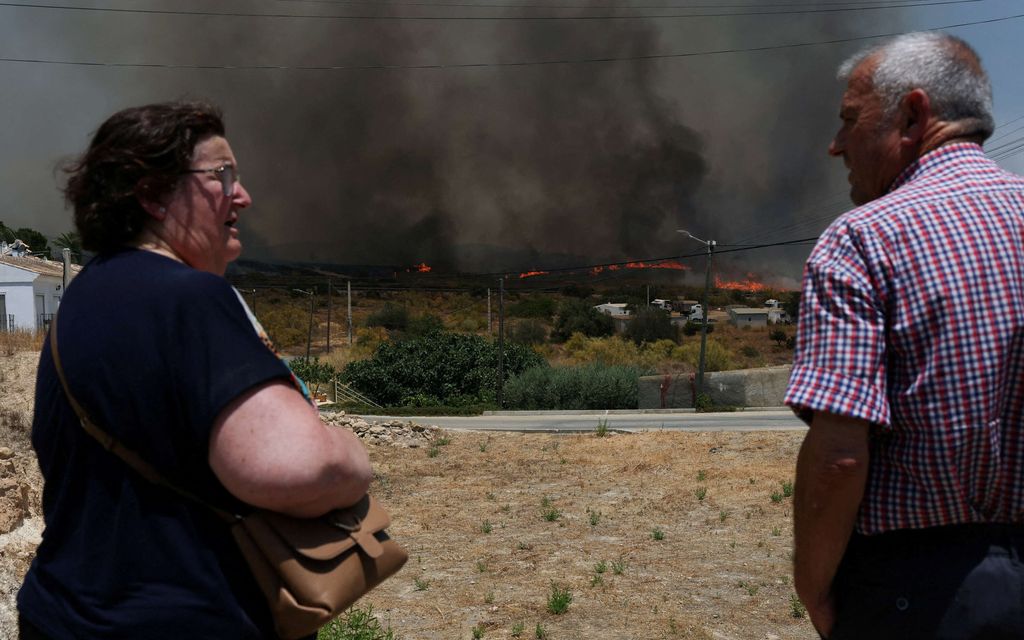
Suosikkilomakohteen järkyttävässä katastrofissa uhreina eri maiden kansalaisia – Ulkoministeriö: Ilmoittakaa omaisille
iltalehti · about 10 hours ago
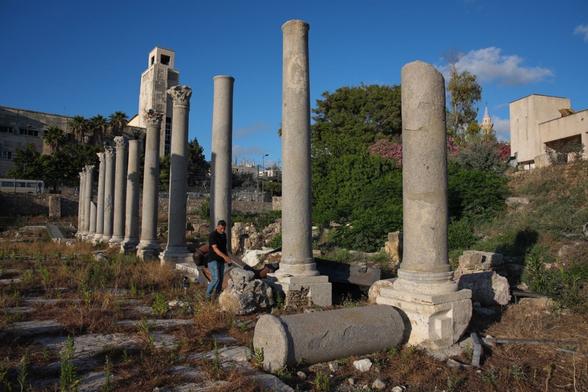
⚡ NEWSIsraeli strikes destroy historic sites in southern LebanonIsraeli air strikes on southern Lebanon have caused catastrophic destruction, damaging historic landmarks. The attacks highlight the severe impact of the ongoing conflict on cultural heritage and civilian infrastructure in the region.📰 #Military #Geopolitics #GeoWire
mastodon bot · about 10 hours ago
Tödliche Hitzewelle: Grüne fordert Gedenktag für die Hitzetoten Die Juni-Hitzewelle tötete mehr Menschen als je eine Naturkatastrophe in Deutschland. Grünen-Politikerin Badum fordert einen Gedenktag für die Opfer. mehr...
taz.de · about 11 hours ago
Lebanon historic sites destroyed by Israeli strikes Israeli air strikes on southern Lebanon have caused catastrophic destruction and damaged historic landmarks.
aljazeera · about 11 hours ago