 Wednesday, May 20Wednesday, May 20
Iran-US War and Negotiations in Tehran
Iran has submitted a new proposal to end the ongoing conflict with the U.S. and Israel, though negotiations remain stalled. The proposal includes a long-term truce and the reopening of the Strait of Hormuz but does not commit to ending uranium enrichment . A senior U.S. official described the offer as "insufficient," lacking meaningful concessions on Iran’s nuclear program, including no detailed commitments to suspend uranium enrichment or surrender its stockpile of highly enriched uranium. The U.S. has warned that without significant progress, military action may resume, with President Trump stating that Iran must show flexibility or face intensified strikes . Trump has also convened his national security team to discuss military options, signaling potential escalation .
Iran’s counterproposal, delivered via Pakistani mediators, reportedly demands the release of frozen assets, the lifting of sanctions, and continued control over the Strait of Hormuz . In response to stalled talks, Iran has established a new body to manage the Strait of Hormuz, requiring vessels to apply for transit permits—a move that could further complicate negotiations . The U.S. has rejected any sanctions relief without reciprocal Iranian actions, and tensions remain high as Israel prepares for potential renewed airstrikes .
Public and Political Reactions Trump’s handling of the war has faced significant public backlash, with 64% of Americans disapproving of his management of the conflict and 65% believing the war was the wrong decision. Rising gas prices, linked to the Strait of Hormuz’s instability, have exacerbated financial hardship for many, contributing to Trump’s declining approval ratings . Meanwhile, European leaders, including German Chancellor Friedrich Merz, have criticized the U.S. approach, warning that the conflict’s economic fallout—particularly the closure of the Strait of Hormuz—has severely damaged European interests .
Military and Diplomatic Outlook Despite a temporary ceasefire, reports suggest a resumption of hostilities is imminent, with Trump warning that Iran must reach a deal quickly or face further military action . The U.S. has indicated that if negotiations fail, it will pursue a "conversation through bombs," underscoring the precarious state of diplomacy . Iran, however, maintains that time is on its side, despite concerns over potential U.S. military escalation .
> Background: **Iran rejects U.S. demands as tensions rise over nuclear talks and Hormuz control.** — *2 hours ago*
More LFE coverage on this topic

While Trump insisted the Iran war would end soon, an account in his name was Selling America On the morning of Monday, March 23, President Trump pulled his first TACO of the Iran war. After…
europesays.com · 2 days ago
It is already more than 50-50: Israel braces for possible renewed war with Iran, of Israel is closely following the negotiations and believes Iran effectively gave U.S. President Donald Trump a shameful response…
europesays.com · 2 days ago
Guerra in Iran, news di oggi. Trump: Non sono aperto a concessioni, lIran sa cosa accadrà a breve Teheran propone lunga tregua e riapertura di Hormuz. Si parla anche do sospensione, ma non della fine dellarricchimento delluranio. Il tycoon ha sentito Netanyahu: Israele pronto ai nuovi raid
corriere · 2 days ago
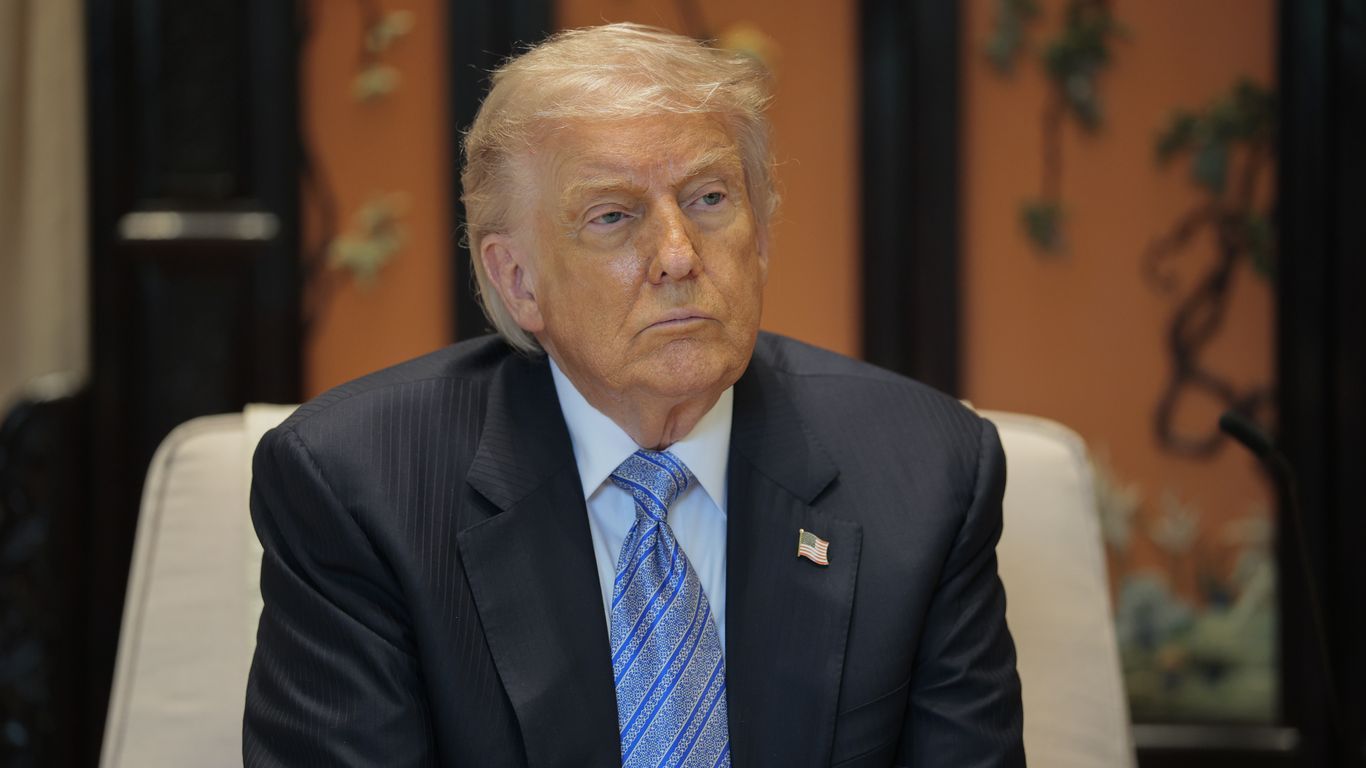
Trumps economic polling is in freefall President Trumps approval rating fell to a new second-term low in polling released Monday.Why it matters: Economic discontent drove Trumps re-election, but his failure to temper inflation and the fallout of the Iran war have turned voters against him.About 37 of voters approve of Trumps job performance, per a New York Times/Siena poll released Monday, down 3 from the last poll conducted in January.While Republicans still broadly back the president, 69 of independents — a core voting block the GOP will have to capture to maintain control of the House in November — disapprove of Trump, up from 62 in January.Driving the news: Roughly 64 of voters disapprove of Trumps handling of the economy, and 69 disapprove of how the president is managing issues over cost-of-living, per the NYT.That tracks with a Sunday poll from CBS News, where 65 say Trumps policies are making the economy worse in the short term. And among Republicans, 37 now disapprove of the presidents handling of inflation, up 11 points since March.The other side: But Democrats arent faring much better. Around 44 of Democratic voters say they arent satisfied with their party, while just 26 are, per the NYT.Only 23 of Republicans say the same about the GOP.Democratic voters remain wary that the party isnt pushing back against the president enough, even as top congressional leaders call for maximum warfare against Trumps agenda.Still, 35 of Americans say Democrats have a better approach to the economy, compared to 31 who think Republicans have the edge, according to CBS.Between the lines: Polling trends show that Trump is paying the price for the Iran war.Sixty-five percent of voters disapprove of how Trump is handling the war, and fewer than a quarter say the conflict has been worth its $29 billion (and counting) price tag, per the NYT. And 64 of Americans say going to war with Iran was the wrong decision, including 73 of independents. In CBSs poll, 69 said they dont understand whats happening with the Straight of Hormuz, and 59 say higher gas prices have caused financial hardship, up 8 from April.Go deeper: Personal finance-economy sentiment gap widens: Fed survey
axios · 2 days ago

Iran makes new proposal for deal to end war, regional officials say Tehran is said to have made or reiterated some concessions but source in mediator Pakistan appears pessimisticMiddle East crisis – live updatesIran has made a new proposal for a deal to definitively end the war in the Middle East, officials in the region said on Monday, though there was no sign of any immediate breakthrough in the stalled peace negotiations.A ceasefire has paused most violence after six weeks of US-Israeli airstrikes and Iranian retaliation, but there has been little progress since Donald Trump said the ceasefire was on life support, and reports in Israeli media suggest a resumption of hostilities is imminent. Continue reading...
theguardian · 2 days ago

Middle East crisis live: Trump warns clock is ticking for Iran to reach peace deal US president says there wont be anything left of country if it doesnt come to an agreementUAE blames Iran or its proxies for drone strike fire near nuclear plantFriedrich Merz has been embroiled in a row with Donald Trump over his war on Iran ever since the German chancellor suggested the Trump team was being outplayed in its negotiations with Tehran and said he would not advise his children to study or work in the US in the current climate.The Guardians Berlin correspondent, Deborah Cole, has looked at the declining relationship between the two leaders in this story. Here is an extract:Disputes over trade and military aid for Ukraine have fuelled tensions between the US and its European allies and tested the Nato alliance.Merz is struggling to revive an anaemic German economy and has said the impact of the US-Israeli military action in Iran and the ensuing closure of the strait of Hormuz has been severely damaging to European interests.We strongly condemn the renewed Iranian airstrikes against the United Arab Emirates and other partners. Attacks on nuclear facilities pose a threat to the safety of people throughout the entire region. There must be no further escalation of violence.Iran must enter into serious negotiations with the USA, stop threatening its neighbours, and open the strait of Hormuz without restrictions. Continue reading...
theguardian · 2 days ago
Iran says it responded to excessive US proposal, after Trump warns clock ticking Iran said Monday that it had responded to a new US proposal aimed at ending the war, and…
europesays.com · 2 days ago
![Irans new offer is insufficient, risks war resumption: Senior U.S. official Iran has given an updated proposal for a deal to end the war, but the White House believes it is not a meaningful improvement and is insufficient for a deal, a senior U.S. official and a source briefed on the issue told Axios. Why it matters: U.S. officials say President Trump wants a deal to end the war, but is considering resuming it due to Irans rejection of many of his demands and refusal to make meaningful concessions on its nuclear program.Trump is expected to convene his top national security team in the Situation Room on Tuesday to discuss military options, two U.S. officials said.The senior U.S. official said that if Iran wont shift its position, the U.S. will have to continue the negotiations through bombs.Trump told Axios in a phone call on Sunday, before the U.S. had received Irans later offer, that the clock is ticking and if Iran doesnt show flexibility, they are going to get hit much harder.Zoom in: The senior U.S. official said the Iranian counter-proposal, which was shared with the U.S. on Sunday night via the Pakistani mediators, has only token improvements on the last version.The new proposal includes more words on Irans commitment not to pursue a nuclear weapon, but no detailed commitments about suspending uranium enrichment or handing over its existing stockpile of highly enriched uranium.While Iranian state media reported that the U.S. had agreed to waive some oil sanctions on Iran during the negotiations, the U.S. official said no sanctions relief will happen for free without reciprocal action by Iran.What theyre saying: We are really not making a lot of progress. We are at a very serious place today. The pressure is on them to be responsive in the right way, the senior U.S. official said. Its time for the Iranians to throw bit of candy out. We need some real, sturdy, and granular conversation [regarding the nuclear program]. If thats not gonna happen, we will have a conversation through bombs, which will be a shame.Between the lines: The senior U.S. official said the U.S. and Iran arent having direct negotiations on the substance of the agreement, but are engaged in indirect talks to try and develop consensus around what these negotiations will look like.The U.S. official claimed the fact that Iran made a new counter-offer, despite the very modest changes, suggests the Iranians are concerned about further U.S. military action.The Iranians have long claimed it is Trump who is desperate for a deal, and that time is on their side.Go deeper: Trumps killer quote exposes his bind on Iran and inflation](https://images.axios.com/XCg9BMbN9sNJMH02V1dIez1AWKY=/0x179:4795x2877/1366x768/2026/05/18/1779116210493.jpeg)
Irans new offer is insufficient, risks war resumption: Senior U.S. official Iran has given an updated proposal for a deal to end the war, but the White House believes it is not a meaningful improvement and is insufficient for a deal, a senior U.S. official and a source briefed on the issue told Axios. Why it matters: U.S. officials say President Trump wants a deal to end the war, but is considering resuming it due to Irans rejection of many of his demands and refusal to make meaningful concessions on its nuclear program.Trump is expected to convene his top national security team in the Situation Room on Tuesday to discuss military options, two U.S. officials said.The senior U.S. official said that if Iran wont shift its position, the U.S. will have to continue the negotiations through bombs.Trump told Axios in a phone call on Sunday, before the U.S. had received Irans later offer, that the clock is ticking and if Iran doesnt show flexibility, they are going to get hit much harder.Zoom in: The senior U.S. official said the Iranian counter-proposal, which was shared with the U.S. on Sunday night via the Pakistani mediators, has only token improvements on the last version.The new proposal includes more words on Irans commitment not to pursue a nuclear weapon, but no detailed commitments about suspending uranium enrichment or handing over its existing stockpile of highly enriched uranium.While Iranian state media reported that the U.S. had agreed to waive some oil sanctions on Iran during the negotiations, the U.S. official said no sanctions relief will happen for free without reciprocal action by Iran.What theyre saying: We are really not making a lot of progress. We are at a very serious place today. The pressure is on them to be responsive in the right way, the senior U.S. official said. Its time for the Iranians to throw bit of candy out. We need some real, sturdy, and granular conversation [regarding the nuclear program]. If thats not gonna happen, we will have a conversation through bombs, which will be a shame.Between the lines: The senior U.S. official said the U.S. and Iran arent having direct negotiations on the substance of the agreement, but are engaged in indirect talks to try and develop consensus around what these negotiations will look like.The U.S. official claimed the fact that Iran made a new counter-offer, despite the very modest changes, suggests the Iranians are concerned about further U.S. military action.The Iranians have long claimed it is Trump who is desperate for a deal, and that time is on their side.Go deeper: Trumps killer quote exposes his bind on Iran and inflation
axios · 2 days ago
Iran sets up new Strait of Hormuz managing body amid stalled talks with US Iran has formed a new body to manage the Strait of Hormuz. It comes as peace talks with the United States appeared to remain stalled. Its not clear what the new body will do, but earlier this month Iranian media said vessels seeking transit would have to apply to it for a permit - disclosing ownership, insurance, crew, and cargo.
france24 · 2 days ago
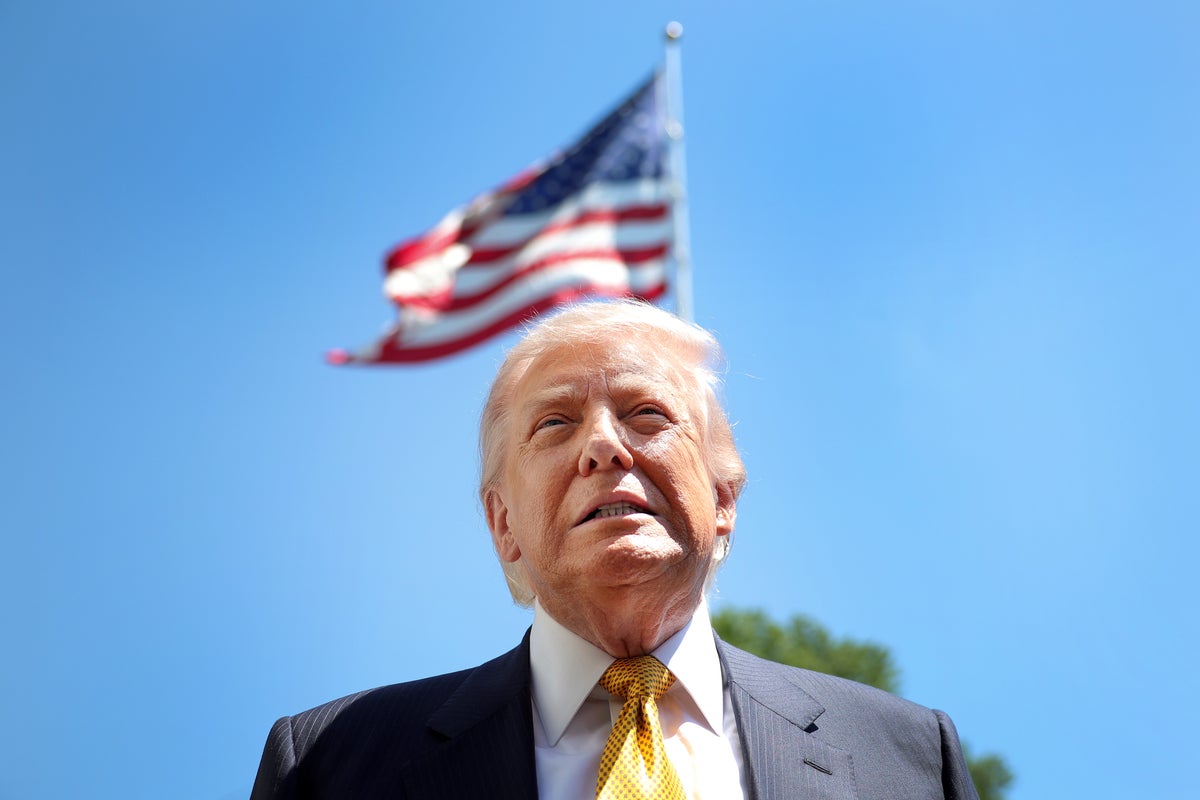
Trumps approval hits second-term low with brutal poll showing Americas disdain for Iran war and rising costs President receives low marks from voters in his handling of the cost of living, the economy and Iran war
independent · 2 days ago
Trump issues new warning against Tehran Iran better get moving fast: Trump issues new warning against Tehran as war enters its 12th week As…
europesays.com · 2 days ago
Iran sends response to US proposal to end war via mediator Pakistan Iran demands the release of assets frozen abroad, the lifting of sanctions, and maintaining control of Strait of Hormuz.
aljazeera · 2 days ago