
IOC drops Nordic Combined from 2030 Winter Olympics programme
The International Olympic Committee (IOC) has removed Nordic Combined from the Winter Olympics programme for 2030, ending a 106-year tradition that began at the 1924 Chamonix Games. The decision, announced on Tuesday in Lausanne, marks the first time the sport will not feature at the Winter Games since its inception, citing sustained low public interest and limited international competition.
IOC President Kirsty Coventry acknowledged the disappointment among athletes but suggested the sport could return in 2034. “Our message to the athletes is that we understand this is a disappointment,” she said. The committee’s executive board cited data from the 2014 Sochi, 2018 PyeongChang, 2022 Beijing and 2026 Milan-Cortina Games, where Nordic Combined ranked last in 11 of 14 popularity metrics, including television ratings, social media engagement and ticket sales. Only five nations—Norway, Germany, Austria, Japan and Finland—have won medals in the sport across the past four editions, underscoring what the IOC termed a lack of “universality.”
Nordic Combined, which combines ski jumping and cross-country skiing, was the sole remaining Olympic discipline restricted to men, a gender imbalance the IOC has prioritised addressing. The 2030 Winter Games in the French Alps will be the first to feature an equal split of female and male athletes, with 1,525 women and 1,521 men competing across 126 events. The removal of Nordic Combined clears the way for this historic parity, as the sport had barred women from Olympic participation since its debut.
New disciplines added to the 2030 programme include freeride skiing, where athletes navigate unmarked mountain terrain and are judged on line choice and execution, and synchro skating, a team figure skating event featuring nine skaters per side in knockout rounds. The Paralympic-style parallel giant slalom in snowboarding, once considered at risk, will remain on the schedule.
Reaction from affected athletes and governing bodies was swift and critical. Germany’s Nathalie Armbruster, a leading Nordic Combined competitor, had campaigned for the inclusion of women in the sport, telling reporters during the Milan-Cortina Games, “I would be there living my childhood dream—but I can’t, because I’m a woman.” Finnish skier Ilkka Herola and Eero Hirvonen won individual bronze and team silver for Finland in Milan-Cortina, contributing half of Finland’s total medals. The Finnish Ski Federation responded by confirming the national team’s operations for the 2026–27 season, while the International Ski Federation (FIS) pledged continued support. “We are extremely disappointed by this decision, which jeopardises a strong success sport for Finland,” said Marleena Valtasola, CEO of the Finnish Ski Federation. “We are particularly dismayed for the athletes, as some are at the absolute international peak of their careers or on the path to it.”
German Olympic Sports Confederation (DOSB) President Thomas Weikert called the decision a disappointment but acknowledged the IOC’s need to adapt the programme to modern expectations. “It is now all the more important to work with all stakeholders to create new perspectives for Nordic Combined and secure its sporting future sustainably,” he said. FIS President Alexander Ospelt vowed to fight for the sport’s return in 2034, stating, “We will do everything in our power to overcome the challenges identified by the IOC and work hard to see Nordic Combined back at the Olympic Winter Games.”
The IOC’s decision follows years of declining momentum for the sport, despite efforts by athletes and federations to boost its profile. The men’s World Cup, established in 1983, predated the women’s circuit by 37 years, which only launched in 2020. The lack of gender equity within the discipline itself had become an increasing liability in an era when the IOC demands parity across all sports. With Nordic Combined’s exit, the 2030 Games in the French Alps will proceed without one of the Winter Olympics’ most storied events, while introducing new formats aimed at broadening the Games’ appeal and inclusivity.
Follow us for live European news
- 2
- 2
- 1
- 1
- 1
2 further sources not geolocated
Articles

Deutsche Medaillendomäne zu unbeliebt: Nordische Kombination aus Olympia-Programm gestrichen Das IOC nimmt die Nordische Kombination nach über 100 Jahren aus dem olympischen Programm. Dabei hatten insbesondere die Athletinnen darauf gehofft, endlich eingebunden zu werden.
tagesspiegel · about 11 hours ago
Olympialaiset | Yhdistetty ulos talviolympialaisista Suomen menestyslaji on ulkona.
helsingin sanomat · about 11 hours ago
Konsolenhersteller: Das Ende einer Ära bei der Playstation Sony will bald keine physischen Discs mehr für die Playstation pressen. Unter Spielern kommt das nicht gut an. Konkurrent Microsoft stellt ebenso die Weichen für die Zukunft und streicht jede fünfte Stelle in der Xbox-Sparte.
faz · about 11 hours ago
Nordic Combined dropped from 2030 Winter Olympics The 2030 Winter Olympics will be the first edition not to feature Nordic Combined after the sport was removed from the schedule due lack of competitions and public interest.
bbc sport · about 11 hours ago
Nordijske kombinacije po več kot 100 letih ne bo na ZOI Nordijska kombinacija se po več kot 100 letih, vse od prvih zimskih iger 1924 v Chamonixu, poslavlja od olimpijskih iger.
rtv slovenia · about 11 hours ago
NRK: Avslutter samarbeidet Etter 13 år er samarbeidet mellom Gjert Ingebrigtsen (60) og Narve Gilje Nordås (27) over.
aftenposten · about 12 hours ago
Oberstdorfu tekma s Planico za nordijski SP 2031 Nemški Oberstdorf je v dvoboju s Planico dobil organizacijo svetovnega prvenstva v nordijskem smučanju leta 2031, so odločili na Mednarodni smučarski zvezi (FIS).
rtv slovenia · about 12 hours ago
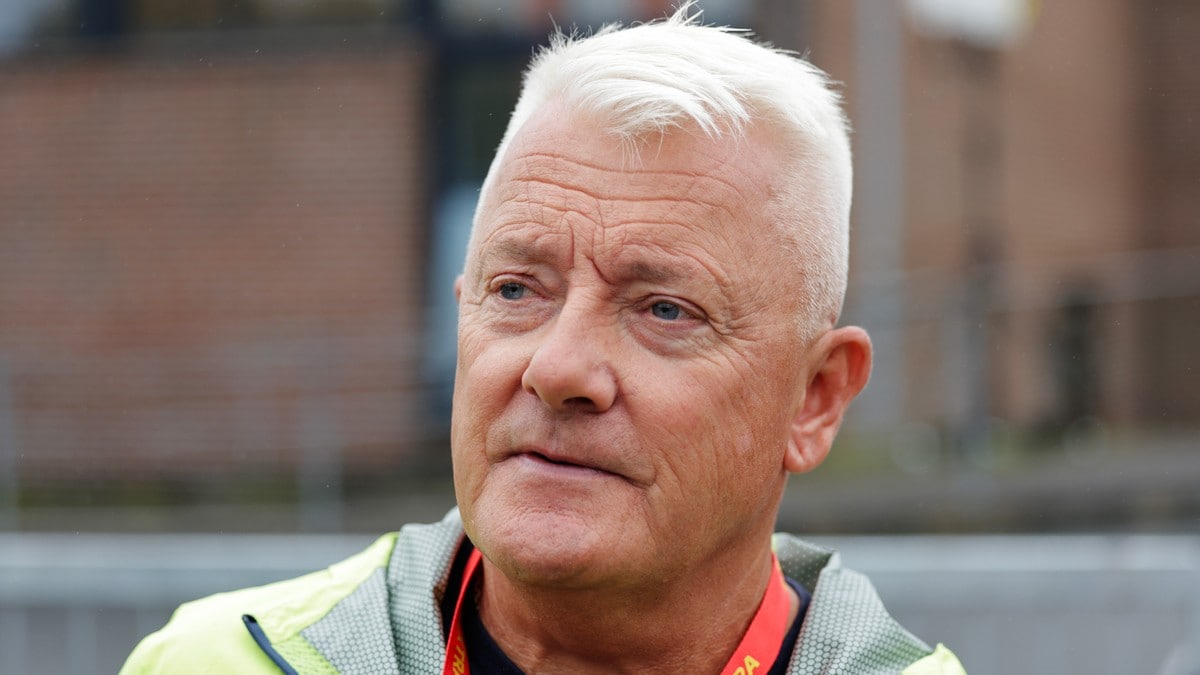
Friidrettsforbundet bekrefter: Ingebrigtsen gir seg som Nordås-trener Mandag kveld ble Friidrettsforbundet informert om at Gjert Ingebrigtsen og Narve Gilje Nordås avslutter samarbeidet.
nrk · about 12 hours ago
Entscheidung gefallen: Ära endet: Nordische Kombination nicht mehr bei Olympia Das IOC nimmt die Nordische Kombination nach über 100 Jahren aus dem Olympia-Programm. Dabei hatten insbesondere die Athletinnen darauf gehofft, endlich eingebunden zu werden.
tagesspiegel · about 12 hours ago
Wintersport: Nordische Ski-WM 2031 nach Oberstdorf vergeben Vor einem Monat war die Vergabe noch verschoben worden, jetzt ist es fix: Oberstdorf wird Gastgeber der Nordischen Ski-WM 2031. Zehn Jahre nach der Corona-WM sollen nun auch Zuschauer möglich sein.
tagesspiegel · about 12 hours ago
Na 106 jaar verdwijnt de noordse combinatie van de Winterspelen Na een jarenlange doodsstrijd besloot het IOC dinsdag de noordse combinatie, die al sinds 1924 een olympische sport is, van de kalender te schrappen voor de volgende Winterspelen in 2030. Binnen de sport heerst grote angst voor de (financiële) gevolgen van het besluit. „Ik ben bang dat de sport ophoudt te bestaan.
nrc · about 12 hours ago
"Schlag ins Gesicht": IOC streicht Nordische Kombination aus dem Olympia-Programm Die Traditionssportart ist ab 2030 nicht mehr bei den Olympischen Spielen vertreten. Das IOC kritisiert die Beliebtheit, Mario Stecher spricht von einem "schweren Schlag"
der standard · about 12 hours ago