
Norways Jagland gathers momentum for Council of Europe top post as Nordic model faces challenges
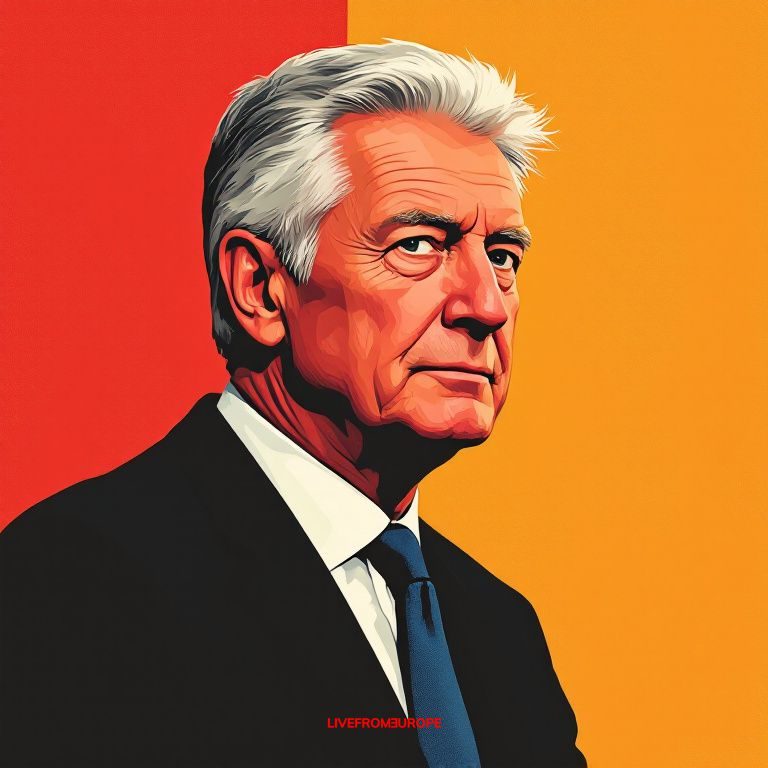
Norway’s former prime minister and Council of Europe secretary-general candidate Thorbjørn Jagland has taken a decisive step toward securing the top post at the Strasbourg-based human rights watchdog, according to reports on Thursday. The Nordic Page cited unnamed sources confirming that Jagland’s candidacy is gathering momentum among key member states, though formal confirmation is still pending. If successful, the 77-year-old veteran diplomat would become the first Norwegian to lead the 46-nation Council of Europe, a role that would place him at the center of debates over democratic backsliding, migration, and the continent’s evolving security architecture.
The development comes as Europe grapples with rising inequality, strained public finances, and the political fallout from populist challenges to traditional welfare models. In an analysis published the same day, the *Copenhagen Post* argued that the Nordic countries—long held up as exemplars of balanced capitalism—are themselves confronting an existential threat: the creeping Americanization of their economic and social policies . The article, penned by a scholar based in one of the world’s most market-driven economies, warns that Nordic nations risk eroding their vaunted social cohesion if they continue to adopt deregulatory frameworks and tax policies that prioritize shareholder returns over collective welfare.
Meanwhile, Norway’s telecoms giant Telenor has underscored the sector’s role in advancing democratic values through its global connectivity projects. The Nordic Page highlighted the company’s expansion into emerging markets, where reliable digital infrastructure is seen as a bulwark against authoritarian control . “In an era where digital authoritarianism is on the rise, Telenor’s investments are not just commercial—they are geopolitical,” the report noted.
On a lighter note, Norway’s lottery board confirmed that a 30-something man from eastern Norway won 278 million kroner in Wednesday’s Vikinglotto draw, matching all six main numbers plus the bonus ball. The winner, whose identity remains undisclosed, told Norsk Tipping that he reacted with “resting pulse” when informed of his windfall . The jackpot, the largest since March 2025, caps a week of mixed fortunes for the Nordic region, where economic anxieties and cultural pride often collide.
In Iceland, the opening of *Skáld Akureyri*—a 71-room Hilton Curio Collection hotel in the country’s “Capital of the North”—signals a new chapter for literary tourism in the region. Designed around Icelandic storytelling traditions and Nordic craftsmanship, the property features bespoke artworks and a restaurant serving contemporary Nordic cuisine with locally sourced ingredients . General manager Magnea Þórey Hjálmarsdóttir described the hotel as “a house rooted in Akureyri, inspired by Icelandic poetry, and shaped by the surrounding landscape.”
Norway’s labor market data, meanwhile, offered a rare moment of stability: a report confirmed that immigrant employment rates have remained unchanged in the first half of 2026, defying predictions of a post-pandemic downturn . The findings come amid ongoing evaluations of Norway’s participation in the controversial Common Industrial Policy (CIP), a debate that has divided policymakers over its potential to either diversify the economy or deepen reliance on extractive industries .
Across the Nordic region, the tension between tradition and transformation is palpable. Whether in the corridors of Strasbourg, the fjords of Akureyri, or the boardrooms of Oslo, the choices made today will determine whether the Nordic model can endure—or whether it will, as some fear, become just another casualty of the 21st century’s relentless march toward market fundamentalism.
Follow us for live European news
- 2
- 1
- 1
- 1
- 1
- 1
- 1
- 1
2 further sources not geolocated
Articles

The biggest threat to the Nordic model is becoming more like America Efficient public spending may be one of the strongest drivers of competitiveness. That is the central argument of a leading scholar of the Nordic model. "Denmark is a bumblebee, its true. But that bumblebee flies," he says.
cphpost · about 7 hours ago
Immigrant Employment in Norway Did Not Change
gdeltproject.org · about 7 hours ago
Jagland Approaches to CoE Post - The Nordic Page
gdeltproject.org · about 7 hours ago

Um Prémio Nobel para pensar Portugal Sobre o estudo encomendado ao Prémio Nobel da Economia de 2024, James A. Robinson, acompanhado pelo economista português Nuno Palma.
observador · about 7 hours ago
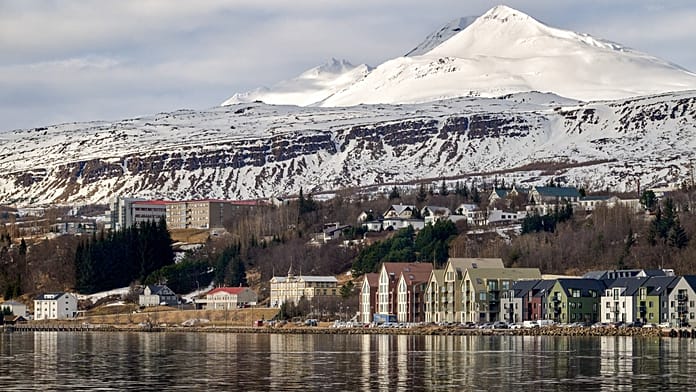
A new literary‑inspired Hilton hotel has opened in northern Iceland Located in the heart of Akureyri, Icelands Capital of the North, the new Skáld Akureyri, Curio Collection hotel features rooms and apartments inspired by Icelandic storytelling and Nordic design.
euronews · about 7 hours ago
Harper Sends Mixed Messages about Scotland, Foreign Aid, Sociology
gdeltproject.org · about 8 hours ago
Telenor Makes the World More Democratic - The Nordic Page
gdeltproject.org · about 8 hours ago
Norsk supervinst Norrman ensam med alla rätt
expressen · about 8 hours ago
Svensk fotballekspert hyller Solbakken: – Utrolig verdifullt Olof Lundh (59) slaktet Norge etter feiringen på Rådhusplassen i høst. Nå skryter han av Ståle Solbakken.
aftenposten · about 8 hours ago
HS 50 vuotta sitten 9.7.1976 | Sosiaalisihteeri auttaa varusmiestä Kokeilu alkoi Dragsvikissa
helsingin sanomat · about 9 hours ago
Letter: Northern exposure From John White, Kilmuir, Isle of Skye, Scotland
financial times · about 9 hours ago

Corée du Nord : comment sest passée ta journée au boulot ? AU PAYS DE KIM JONG-UN (4/6) – Jin Ju-dong, un ouvrier nord-coréen qui a réussi à fuir son pays pendant la pandémie de Covid-19, décrit une journée de travail type : dinterminables trajets domicile-travail, de petits chefs tyranniques et des chantiers extrêmement dangereux.
courrier international · about 9 hours ago
Norway Concerned about Arrest of Julia Tymoshenko
gdeltproject.org · about 10 hours ago
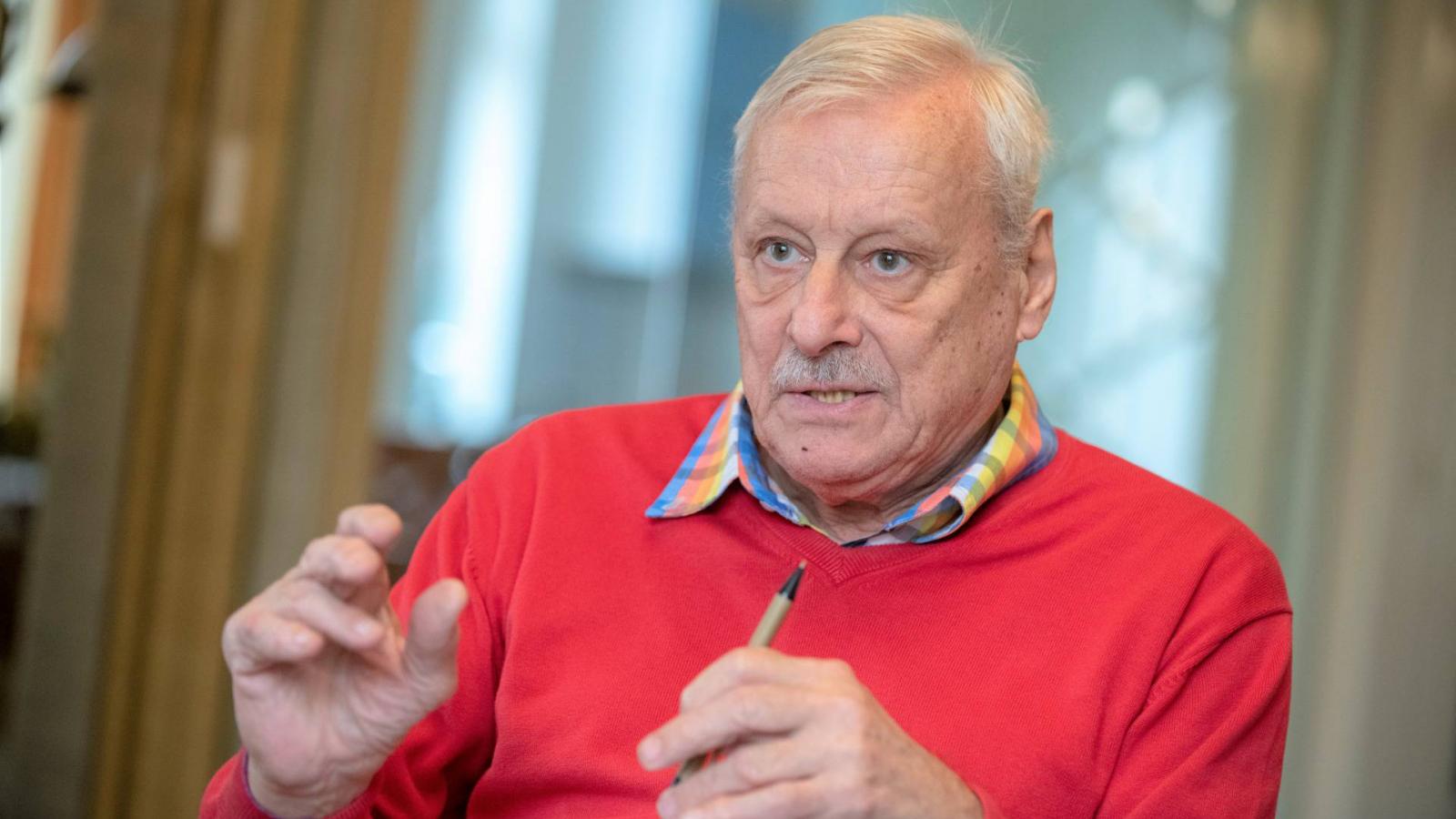
LEurope face à ses défis : la vision dAndrás Inotai | Le Journal Francophone de Budapest
gdelt bot · about 11 hours ago
Evaluation of Norways Work on Minority Languages
gdeltproject.org · about 12 hours ago
Norwegian Politicians are Happy with Obamas Re-election
gdeltproject.org · about 12 hours ago
Norway Evaluates CIP Participation - The Nordic Page
gdeltproject.org · about 12 hours ago
Combating poverty in Europe - The Nordic Page
gdeltproject.org · about 12 hours ago
Čeh z enim veljavnim metom za 67 cm ugnal Stahla v Karlstadu Kristjan Čeh je bil na atletskem mitingu v Karlstadu na Švedskem najboljši v metu diska s 67,43 metra. Na predvidoma zadnji tekmi pred evropskim prvenstvom v Birminghamu, kjer bo branil naslov prvaka, je ugnal domačina Daniela Stahla (66,86 m).
rtv slovenia · about 12 hours ago