Loading…
 Saturday, August 29Saturday, August 29
2 months · 4 summary articles
The European Parliament’s economic affairs committee voted on Wednesday to advance the European Central Bank’s digital euro project, marking a decisive step toward the EU’s first official digital currency. The committee endorsed the proposal with clear majorities, while also reinforcing protections for cash use across the bloc. The move underscores Europe’s push for strategic autonomy in payments, aiming to reduce reliance on foreign-dominated digital payment systems and unfriendly third-country technologies.
The committee’s approval follows months of technical and political scrutiny, with lawmakers emphasizing the digital euro’s role in modernizing Europe’s financial infrastructure. “This is not about replacing cash but ensuring Europe remains in control of its monetary sovereignty,” said a spokesperson for the European Commission . The ECB has signaled that the digital euro would complement existing payment methods, offering a secure, privacy-respecting alternative to private cryptocurrencies and foreign payment platforms.
The vote coincides with broader EU efforts to strengthen its digital and industrial resilience. On Wednesday, the EU also announced plans to invite carefully vetted social media influencers to cover high-level summits, provided they align with the bloc’s values—a move critics argue risks politicizing media access. Meanwhile, Turkey revealed a new quantum technology roadmap for its defense sector, highlighting the accelerating global race in emerging technologies that Europe is now scrambling to join.
The digital euro’s progress has drawn mixed reactions. Supporters argue it could streamline cross-border transactions and reduce costs for businesses and consumers, while skeptics question its necessity and potential surveillance implications. The taz newspaper dismissed the project as “completely unnecessary,” calling it a “PR stunt” to counter hype around cryptocurrencies . The ECB has yet to finalize key design features, including privacy safeguards and offline transaction capabilities.
With the committee’s backing secured, the digital euro now faces further legislative hurdles, including a full parliamentary vote expected later this year. The ECB has indicated it could begin pilot testing as early as 2027, pending final political consensus. The project’s success will hinge on balancing innovation with public trust—a challenge that has already delayed similar initiatives in other regions.
Follow us for live European news
3 further sources not geolocated
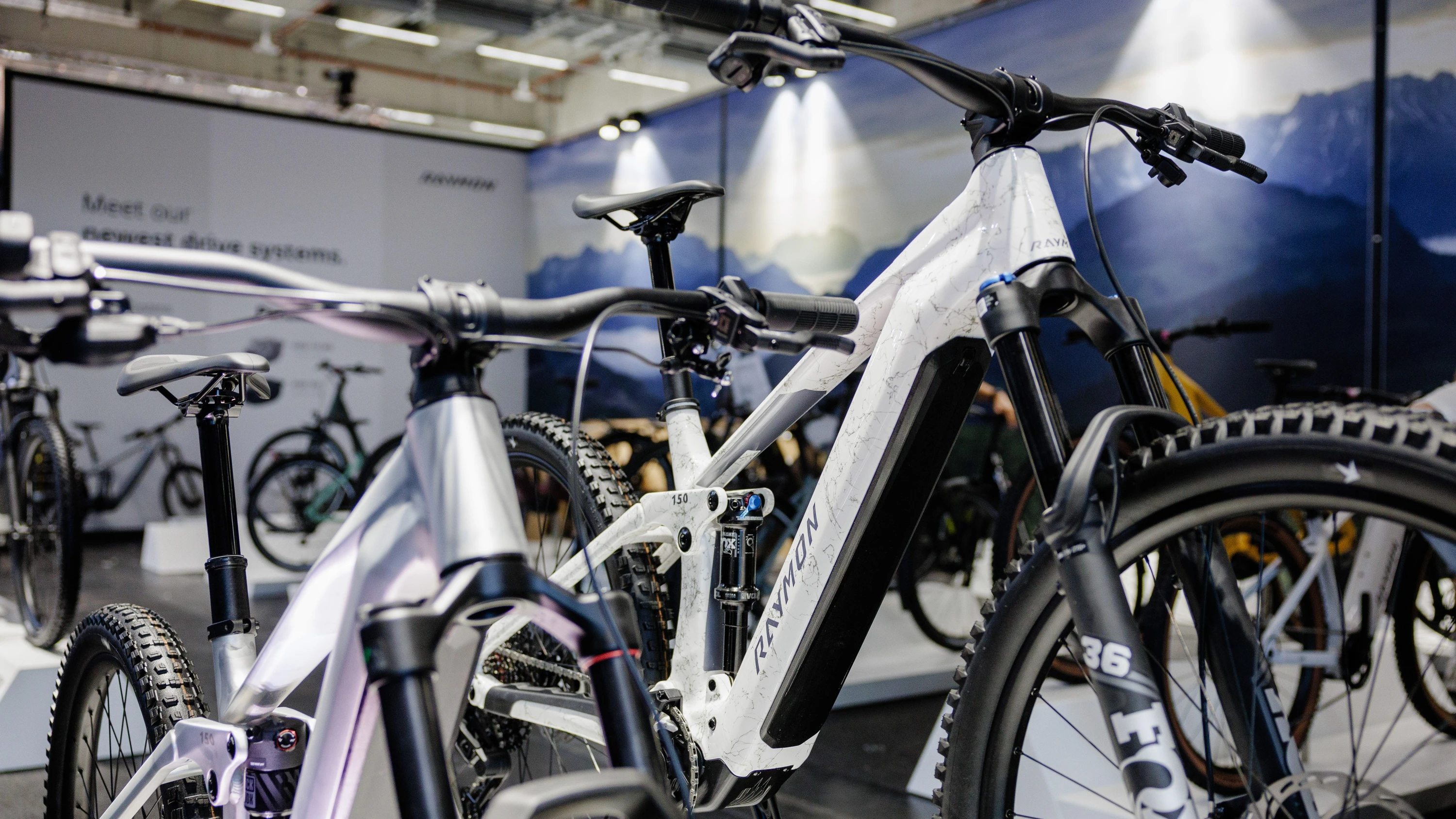
Gravelbikes, Lastenräder und Mehr: Das sind die Fahrradtrends auf der Eurobike Gravelbikes für jeden Geschmack, Dreiräder für Senioren, bessere Akkus, Helme mit Display: Die Branche zeigt auf der Messe Eurobike in Frankfurt zahlreiche Innovationen.
faz · 2 months ago

自動運転のMay Mobility、中国の配車サービス「曹操」と提携し欧州進出へ – CNET Japan #Europe #ヨーロッパ #欧州 #自動運転
mastodon bot · 2 months ago

Risen Energy Showcases Full-Scenario Innovations at Intersolar Europe 2026 | Risen Energyのプレスリリース #Europe #ヨーロッパ #欧州
mastodon bot · 2 months ago

„Erhebliche methodische Mängel – Die große Illusion des Bürokratieabbaus in der EU Die EU-Kommission unter Ursula von der Leyen will die Bürokratie auf dem Kontinent um 25 Prozent verringern. Aber unveröffentlichte Papiere von Verbänden und Regierungen, die WELT vorliegen, zeigen: Die Lasten dürften nicht sinken – sondern steigen.
welt.de · 2 months ago

More countries could join UK-Italy-Japan fighter jet project, Italian minister says Italian Defense Minister Guido Crosetto said additional countries could be invited to join the Global Combat Air Programme (GCAP) to develop a next-generation fighter jet. Canada is currently involved as an observer, and Crosetto expressed openness to Germany, Saudi Arabia, or other nations joining to reduce costs. The UK-Italy-Japan program aims to field the new aircraft by 2035.
yenisafak · 2 months ago
India-EU Human Rights Dialogue: Democracy & AI Focus
gdeltproject.org · 2 months ago
Türkiye unveils quantum roadmap for defence industry Türkiye has launched its strategic roadmap for quantum technologies under the SSB Quantum Program. Defence Industries Secretary Haluk Görgün stressed that dependence on critical technologies is a sovereignty issue, not merely procurement, as the country aims to become a decisive player in quantum capabilities.
yenisafak · 2 months ago
From Recognition to Value: Strengthening GI Producers Groups Across the EU
gdeltproject.org · 2 months ago
Odavad aiakaubad saavad juulist uue hinnasildi. Ostubuumi see tõenäoliselt ei peata Alates 1. juulist hakkab Euroopa Liidus kehtima uus väikesaadetiste tollimaks, mis mõjutab kõiki Euroopa Liidu välistest e-poodidest tellitud kaupu. See tähendab seda, et kui näiteks aiasõber tellib välismaisest odavpoest aiatuled, mõne tööriista või dekoratsiooni, lisandub igale esemele 3-eurone tollimaks.
postimees · 2 months ago

« Les avancées rendues possibles par lIA dans la lutte contre le cancer sont réelles, mais rien ne remplacera lintelligence humaine » Patrick Pilcer, président du conseil dadministration de lassociation Vaincre le Cancer, salue, dans une tribune au « Monde », linitiative de la présidence française lors du G7 dEvian (Haute-Savoie), qui vise à replacer la lutte contre la maladie au cœur dune « réflexion mondiale sur la santé, la recherche, la prévention et linnovation ».
le monde · 2 months ago
Der digitale Euro nimmt die nächste Hürde (und das Recht auf Bargeld wird gestärkt) [premium] Der entscheidende Ausschuss im Europäischen Parlament hat das Vorhaben des elektronischen Geldes mit klaren Mehrheiten bejaht. Dabei geht es auch um eine Stärkung der strategischen Autonomie Europas gegenüber unfreundlich gesinnten Drittstaaten.
die presse · 2 months ago
Europe needs better pensions — not one-size-fits-all rules
gdeltproject.org · 2 months ago
Europe Day celebrates strong EUâ€Philippines partnership
gdeltproject.org · 2 months ago
Europeans are fully awake: Why the EU is pushing for a new digital euro
gdeltproject.org · 2 months ago
EU Eases Energy, Tyre Labels for Consumers
gdeltproject.org · 2 months ago
Consumer prices across Europe: Which countries are the most expensive and cheapest?
gdeltproject.org · 2 months ago
Leonardo Selected for ISOS, Europes Programme for Next-generation In-orbit Services - Cable / Satellite / Broadband - Leonardo S.p.a.
gdeltproject.org · 2 months ago
Transcript: European defence stocks face uncertainty Marc Filippino talks to Aaron Kirchfeld and John Plender
financial times · 2 months ago
EU envoy: Caribbean key cocaine corridor into Europe
gdeltproject.org · 2 months ago
Paphos smart signage system boosts visitor engagement across district The Paphos regional board of tourism (Etap Paphos) has reported strong uptake of its smart signage initiative aimed at upgrading visitor information across the district. The board expressed satisfaction with the results of its ongoing digital transformation programme, which replaces static information boards with smart, environmentally friendly and interactive signage. According to data collected through […]
cyprus mail · 2 months ago
Rules before resources: Europes investment agenda for Central Asia
gdeltproject.org · 2 months ago
EU wants influencers to cover its summits — but only if they love the bloc Content creators to be invited to top EU meetings, but they have to respect the blocs values and not want to be a politician.
politico.eu · 2 months ago

NEWS: Tech giants give EU extensive replies over anti-scam measures #Compliance #eu #Europe #TECH
mastodon bot · 2 months ago

Do Estado digital à economia digital: o nosso próximo salto O futuro de Portugal na economia digital depende menos do que já construímos e mais da capacidade de transformar infraestrutura em utilização, utilização em produtividade e produtividade em resultados
observador · 2 months ago
Letter: How Europe can talk trade in multiple tongues From Philippe Huberdeau, Secretary General of Scale-Up Europe, Paris, France
financial times · 2 months ago