 Tuesday, July 7Tuesday, July 7
The International Olympic Committee (IOC) on Tuesday provisionally lifted its suspension of the Russian Olympic Committee (ROC), clearing the way for Russian athletes to return to international competition ahead of the 2028 Los Angeles Games. The decision, announced by the IOC’s executive board in Lausanne, marks a decisive shift after three years of restrictions imposed following Russia’s full-scale invasion of Ukraine in February 2022.
The IOC confirmed that the ROC no longer includes regional sports organizations from the four Ukrainian territories—Donetsk, Kherson, Luhansk, and Zaporizhzhia—that Moscow annexed in 2022. The ROC has also pledged not to conduct activities in these areas, addressing the IOC’s earlier concerns that the committee violated the Olympic Charter by incorporating these regions. “The International Olympic Committee Executive Board has provisionally lifted the suspension of the Russian Olympic Committee,” the IOC stated in a release .
While Russian athletes will now be permitted to compete in team sports and qualify for the 2028 Games, the IOC has yet to decide whether they will be allowed to march under their national flag or play their national anthem. The decision on symbols will be made at a later date, the IOC said. Russian athletes had been competing as neutral competitors in Paris 2024 and the Milan-Cortina 2026 Winter Olympics, barred from representing their country due to the war.
The IOC also removed its previous recommendations to international federations restricting the participation of Russian athletes, leaving individual sports bodies to set their own eligibility rules. However, all returning Russian athletes must still meet stringent anti-doping requirements, the IOC emphasized, citing ongoing concerns about the Russian Anti-Doping Agency (RUSADA) and systemic doping violations. The IOC reiterated that it would not organize events in Russia or invite Russian government officials to its competitions.
The move follows a similar easing of restrictions on Belarusian athletes in May, though Belarus continues to support Russia’s war effort. The IOC stressed that athletes should not be held responsible for the actions of their governments, a principle it invoked to justify the partial normalization of relations with Russian sport. “The start of athletes at international competitions must not be restricted by the actions of their governments, including participation in a war or conflict,” the IOC stated .
In a separate but related decision, the IOC confirmed the removal of the Nordic Combined from the Olympic program after more than a century. The sport, which combines ski jumping and cross-country skiing, will not feature at the 2030 Winter Games in the French Alps. The decision has drawn criticism from within the sport, with Austrian Ski Federation (ÖSV) sport director Mario Stecher calling it “a heavy blow” for Nordic Combined athletes .
Reaction to the IOC’s decision has been mixed. Swedish Olympic Committee chair Hans von Uthmann described it as “a very sad and unfortunate decision,” while the Czech Olympic Committee publicly disagreed with the move . The IOC, however, framed the decision as a return to sporting normalcy, emphasizing that politics should not dictate athletic participation.
The IOC’s announcement comes as qualification processes for the 2028 Games are already underway. The decision leaves open the possibility that Russian athletes could compete in Los Angeles under neutral status, pending further IOC review. The IOC has reserved the right to reinstate restrictions if the ROC or Russian authorities violate the conditions set out in Tuesday’s decision.
Follow us for live European news
4 further sources not geolocated

Russia could compete at the 2028 Los Angeles Olympics after the International Olympic Committee provisionally lifted the suspension imposed in October 2023.
bluesky_Politico Europe · about 4 hours ago

Russia could compete at LA 2028 Olympics Russian athletes could be allowed to compete for their country at the 2028 Olympic Games in Los Angeles after the International Olympic Committee provisionally lifted their suspension.
bbc sport · about 4 hours ago
Vrnitev Rusov na mednarodna tekmovanja, tudi na OI 2028 Mednarodni olimpijski komite (MOK) je začasno odpravil prepoved Ruskemu olimpijskemu komiteju (ROK), s čimer je odprl pot za vrnitev ruskih športnikov na mednarodna tekmovanja, vključno z olimpijskimi igrami v Los Angelesu 2028.
rtv slovenia · about 4 hours ago
Nordijske kombinacije po več kot 100 letih ne bo na ZOI Nordijska kombinacija se po več kot 100 letih, vse od prvih zimskih iger 1924 v Chamonixu, poslavlja od olimpijskih iger.
rtv slovenia · about 4 hours ago
Kristjan Ilves ROKi otsusest: ei oodanud, et see nii juhtub Eesti praegune parim kahevõistleja Kristjan Ilvese sõnul näitab Rahvusvahelise Olümpiakomitee (ROK) tänane otsus kahevõistluse olümpiakavast väljaviskamise kohta ROKi võetud suunda.
postimees · about 4 hours ago

JO 2028 : les sportifs russes pourront retrouver la compétition, mais sous conditions Après plusieurs années dexclusion partielle, les sportifs russes entament un retour progressif dans les compétitions internationales. ...
la libre · about 4 hours ago
Russische atleten opnieuw welkom op Olympische Spelen, beslist IOC
de morgen · about 4 hours ago
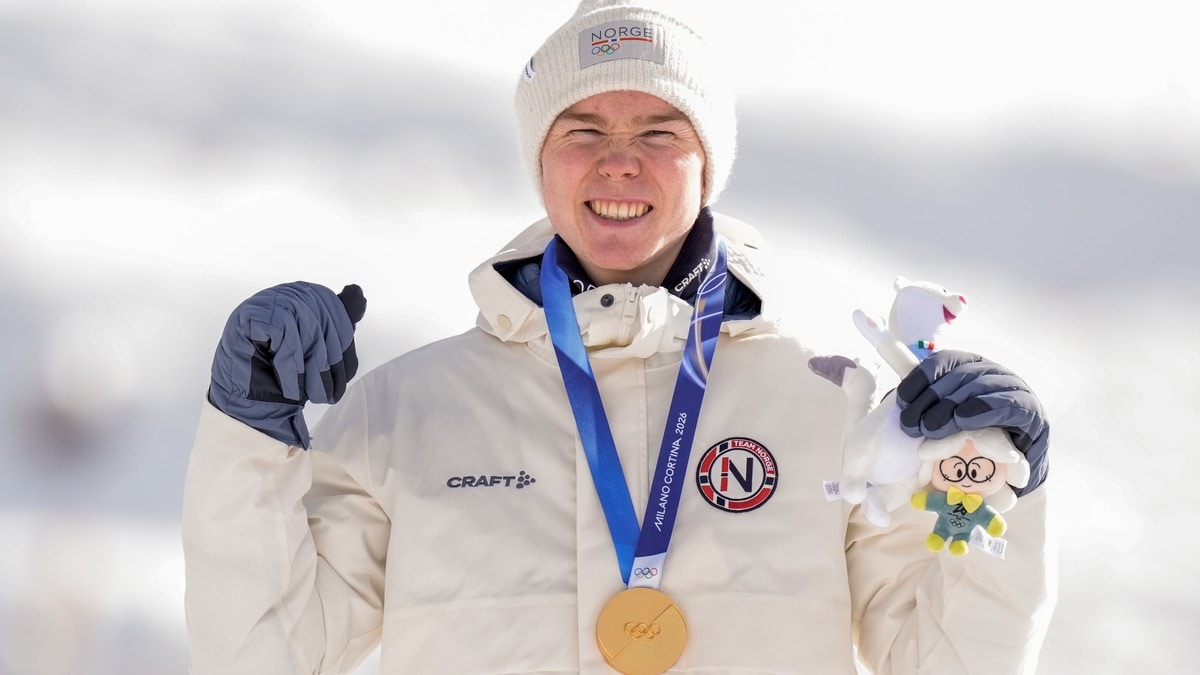
Kombinert er ute av OL-programmet Under OL i Frankrike i 2030 er alt av kombinert fjernet fra programmet. Samtidig skal russiske utøvere få delta under nøytralt flagg.
nrk · about 4 hours ago
„Athleten nicht für Handlungen ihrer Regierung verantwortlich: IOC hebt Sanktionen gegen Russland vorerst auf Trotz des anhaltenden Krieges in der Ukraine ändert das IOC seinen Russland-Kurs. Sportlerinnen und Sportlern aus dem Land wird die Teilnahme an internationalen Wettbewerben erleichtert.
tagesspiegel · about 4 hours ago
Entscheidung gefallen: Ära endet: Nordische Kombination nicht mehr bei Olympia Das IOC nimmt die Nordische Kombination nach über 100 Jahren aus dem Olympia-Programm. Dabei hatten insbesondere die Athletinnen darauf gehofft, endlich eingebunden zu werden.
tagesspiegel · about 4 hours ago
CIO: Sportivii ruşi sunt din nou admişi la Jocurile Olimpice, dar fără imn şi fără drapel Comitetul Olimpic Internaţional (CIO) a ridicat, marţi, restricţiile impuse sportivilor ruşi, care vor putea reveni la sporturile de echipă şi vor putea participa la calificările pentru Jocurile Olimpice din 2028 de la Los Angeles, însă fără imnul şi steagul naţional, informează AFP.
digi24 · about 4 hours ago
Átmenetileg felfüggeszti az Orosz Olimpiai Bizottság eltiltását a NOB Az orosz sportolók és csapatok így akár már a 2028-as Los Angeles-i játékokon is indulhatnak.
hvg.hu · about 4 hours ago
Olympialaiset | Venäjä palaa olympialaisiin Venäläiset saavat kilpailla jo vuoden 2028 kesäolympialaisissa.
helsingin sanomat · about 4 hours ago
Kombinert fjernes fra OL: – Trist, forbannet og skuffet Tirsdag ettermiddag vedtok styret i IOC at kombinert ikke lenger er en del av OL-programmet. Reaksjonene er sterke.
aftenposten · about 4 hours ago
IOC opphever suspensjonen av Russland Har vært utestengt siden oktober 2023.
aftenposten · about 4 hours ago
NRK: Avslutter samarbeidet Etter 13 år er samarbeidet mellom Gjert Ingebrigtsen (60) og Narve Gilje Nordås (27) over.
aftenposten · about 4 hours ago
Alla ryssar får tävla i OS: Bedrövligt beslut Ryska idrottare tillåts delta i OS oavsett politiskt ställningstagande, meddelar Internationella olympiska kommittén (IOK).Förändringen gäller från och med spelen i Los Angeles 2028.– Ett mycket tråkigt och olyckligt beslut, säger Hans von Uthmann, ordförande i Sveriges olympiska kommitté (SOK) till TT.
svenska dagbladet · about 4 hours ago
Na 106 jaar verdwijnt de noordse combinatie van de Winterspelen Na een jarenlange doodsstrijd besloot het IOC dinsdag de noordse combinatie, die al sinds 1924 een olympische sport is, van de kalender te schrappen voor de volgende Winterspelen in 2030. Binnen de sport heerst grote angst voor de (financiële) gevolgen van het besluit. „Ik ben bang dat de sport ophoudt te bestaan.
nrc · about 4 hours ago
IOC hob Sanktionen gegen Russland weitgehend auf Nach mehr als 100 Jahren streicht das Internationale Olympische Komitee außerdem die Nordische Kombination ab 2030 aus dem Programm.
die presse · about 4 hours ago
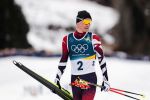
Das IOC streicht die Nordische Kombination aus dem Olympia-Programm Die Traditionssportart ist ab 2030 nicht mehr bei den Olympischen Spielen vertreten. Das IOC kritisiert die Beliebtheit, Mario Stecher spricht von einem "schweren Schlag"
der standard · about 4 hours ago
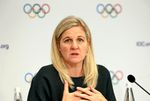
Das IOC hebt Sanktionen gegen Russland weitgehend auf Die Suspendierung des russischen Olympischen Komitees wird gestrichen. IOC-Präsidentin Coventry sagt, der Schritt sei angesichts der neuen Ausrichtung "nur logisch"
der standard · about 4 hours ago
International Olympic Committee eases restrictions on Russian athletes Russian athletes looking to return to international competition will now be able to compete as long as they "meet relevant anti-doping requirements," the IOC said.
euronews · about 4 hours ago
IOC paves way for Russias Olympic return Moscow immediately cast the decision as proof that sports should be free from politics.
politico.eu · about 4 hours ago

#BREAKING IOC ease restrictions on Russians ahead of 2028, but anthem and flag ban remains
bluesky_AFP English · about 5 hours ago
Mezinárodní olympijský výbor zrušil suspendaci ruských sportovců, mohou se tak zapojit do kvalifikací Mezinárodní olympijský výbor (MOV) předběžně zrušil po téměř třech letech suspendaci Ruského olympijského výboru, jeho sportovci se tak mohou zapojit do kvalifikací i kolektivních sportů pro letní hry v roce 2028 v Los Angeles. Informoval o tom na tiskové konferenci v Lausanne. Český olympijský výbor s tímto rozhodnutím nesouhlasí, uvedli jeho představitelé v prohlášení pro média.
irozhlas.cz · about 5 hours ago
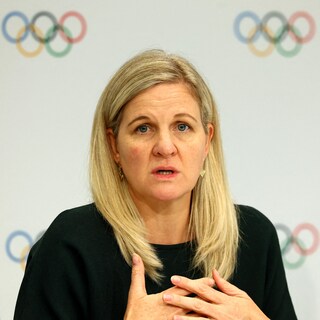
IOC heft schorsing van Russisch Olympisch Comité voorlopig op
trouw · about 5 hours ago
Deutsche Medaillendomäne zu unbeliebt: Nordische Kombination aus Olympia-Programm gestrichen Das IOC nimmt die Nordische Kombination nach über 100 Jahren aus dem olympischen Programm. Dabei hatten insbesondere die Athletinnen darauf gehofft, endlich eingebunden zu werden.
tagesspiegel · about 5 hours ago
Verwischter Halbkreis statt Regenbogen: Russischer Sender zensiert offenbar Spongebob Schwammkopf Eine ikonische Szene aus „SpongeBob Schwammkopf soll von einem russischen Sender abgewandelt worden sein. Der Regenbogen fehlt – eine Folge des Vorgehens gegen die LGBTQI+-Szene in Russland?
tagesspiegel · about 5 hours ago
МОК рекомендовал снять все ограничения с российских спортсменов. Это может открыть им дорогу на Олимпиаду-2028 в Лос-Анджелесе
meduza · about 5 hours ago
Le Comité international olympique réintègre les Russes, sans leur rendre hymne et drapeau A lissue dune réunion de sa commission exécutive, ce mardi 7 juillet à Lausanne, linstance olympique a recommandé aux fédérations internationales de lever les restrictions imposées aux athlètes russes, qui pourront désormais se qualifier en vue des JO 2028.
liberation · about 5 hours ago