 Wednesday, July 1Wednesday, July 1
The world’s most famous rescue dogs are still roaming the Swiss Alps 365 days a year, marking the first anniversary of Barryland, the planet’s only theme park dedicated to the St. Bernard breed. The Great St. Bernard Pass, straddling Switzerland and Italy, remains the permanent home of the legendary dogs whose ancestors once carried brandy casks to stranded travellers in the 19th century. Barryland, opened on 1 July 2025, celebrated its first full year of operation on Wednesday, drawing visitors from every continent to watch the gentle giants patrol the same mountain trails their forebears trod for centuries .
The anniversary coincides with the release of new drone footage showing the dogs on patrol above the 2,469-metre pass, where winter temperatures can drop below minus 30 °C. “They are not actors; they are working dogs,” said park director Isabelle Maret. “Every day they walk the same route their ancestors walked, guided by the same instincts.” The park’s kennels currently house 14 St. Bernards, each named after historical rescue dogs such as Barry I, who saved 40 lives in the early 1800s.
Barryland’s first year has seen 180,000 visitors, 60 % of them families with children under 12. Revenue from ticket sales and the on-site brandy distillery has already covered operating costs, allowing the foundation to announce a €250,000 grant to local avalanche-rescue dog schools. “We wanted to give back to the community that has supported us,” Maret said.
The anniversary also highlights a quiet shift in the breed’s public image. Once depicted as comic relief in Hollywood films, the St. Bernard is now celebrated as a symbol of Alpine resilience and veterinary innovation. The Barry Foundation’s genomic research centre, opened in 2024, has sequenced the genome of every dog in the park, identifying genes linked to longevity and cold tolerance. “We are turning folklore into science,” said geneticist Dr. Lukas Weber.
Yet the dogs’ daily routine remains unchanged. At 08:00 each morning, regardless of weather, the team leaves the kennels for a 5-kilometre patrol. Visitors are warned not to approach without a guide, preserving the dogs’ working status and the authenticity of the experience. “This is not a petting zoo,” Maret emphasised. “It is a living monument to a tradition that began in 1800 and continues today.”
Follow us for live European news
2 further sources not geolocated

Wie so oft hat Stefan die Nase vorn Wären sie verheiratet, hätten Stefan Aust und Henryk M. Broder die Diamantene Hochzeit schon hinter sich. Ein Streifzug durch die gemeinsame Vergangenheit unter anderem bei einer tabulosen Alternative zur „Zeit, nahe der Reeperbahn.
welt.de · about 1 hour ago

»Minions & Monster«: Hollywood erstrahlt in Gelb Die Minions sind zurück und erzählen die Filmgeschichte neu.
die zeit · about 1 hour ago
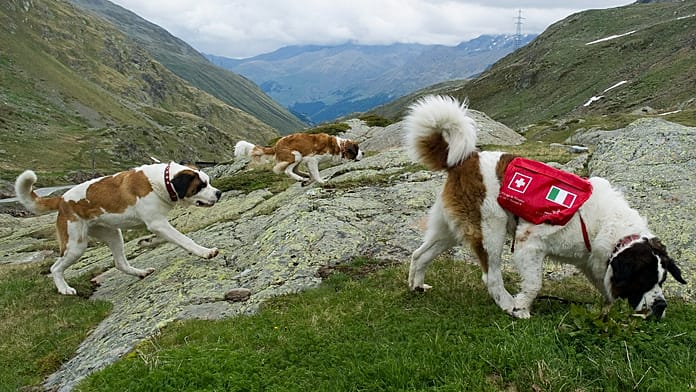
Legendary St. Bernard rescue dogs still roam the Swiss Alps The famous St. Bernard rescue dogs continue to walk the mountain trails of the Great St. Bernard Pass as Barryland, the worlds only theme park dedicated to the breed, celebrates its first anniversary.
euronews · about 1 hour ago

Zum 80. von Stefan Aust: Der Journalist, den keine KI ersetzen kann Stefan Aust hat Journalismus-Geschichte geschrieben. Als Rechercheur zu Links- und Rechtsterrorismus hat er sich einen Namen gemacht und bei „Spiegel TV und beim „Spiegel eine Ära geprägt. Heute wird er achtzig.
faz · about 1 hour ago
The evolution of Annabelle Hotel rests on authenticity, heritage and a sense of belonging An interview with Annabelle Hotel General Manager Razvan Bordea 1. Annabelle has long been considered one of Cyprus most iconic hotels, beloved by generations of guests. How do you preserve the timeless character that people associate with Annabelle while continuing to evolve for todays luxury traveller? For me, preserving Annabelles character is not about keeping […]
cyprus mail · about 1 hour ago

Als der „Petersdom der Protestanten wiederauferstand Am 30. Oktober 2005 wurde die Frauenkirche in Dresden neu geweiht. Damit kehrte ein jahrzehntelang nur als Ruine sichtbares barockes Meisterwerk in die Stadt zurück. Die neue Folge unserer Serie zu 80 Jahren WELT.
welt.de · about 2 hours ago
Dvadsať rokov filmových večerov. CINEMAX oslavuje narodeniny spolu s divákmi Sú filmy, ktoré si pozrieme doma na notebooku. A potom sú filmy, na ktoré sa ide do kina. Pretože veľké plátno, tma v sále, spoločný smiech aj napätie majú stále svoje čaro. Kino nie je len miesto, kde sa premieta film. Je to zážitok, ktorý sa začína skôr ako prvou scénou.
aktuality.sk · about 2 hours ago
24-aastaselt juba neli abielu! Hiina sisulooja «ostis» iga kallima jaoks endale uue näo 24-aastaselt neljandat korda abielluda on juba iseenesest tähelepanuväärne. Aga Hiina sisulooja Han Anran on läinud veelgi kaugemale! Naine on avalikult tunnistanud, et on lasknud oma välimust muuta peaaegu iga uue suhte alguses, soovides olla iga abikaasa jaoks justkui uus ja parem inimene.
postimees · about 2 hours ago
VIDEO ⟩ «Ponid pagassis!» TikTokis lööb laineid vaimukas klipp Tiktokker Hanna Elizabeth on jaganud oma kontol videoklippi tema ees sõitvast autost, mille pagasiruumist paistavad ponid.
postimees · about 2 hours ago

Serra de Montemuro, pulmão verde e santuário natural No Centro de Interpretação de Montemuro e Paiva, folhas, sons e memórias revelam as texturas das árvores e o ambiente da Serra do Montemuro, um dos grandes refúgios naturais do país.
observador · about 2 hours ago
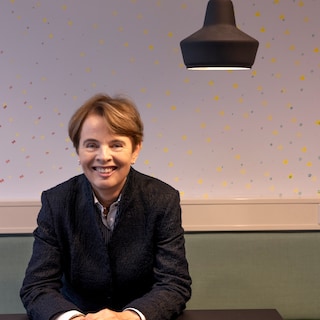
Met haar databank voor tweelingen droeg onderzoeker Dorret Boomsma bij aan talloze wetenschappelijke doorbraken: Het speurwerk is leuk: hier klopt iets niet, maar wat is het nou?
parool · about 2 hours ago
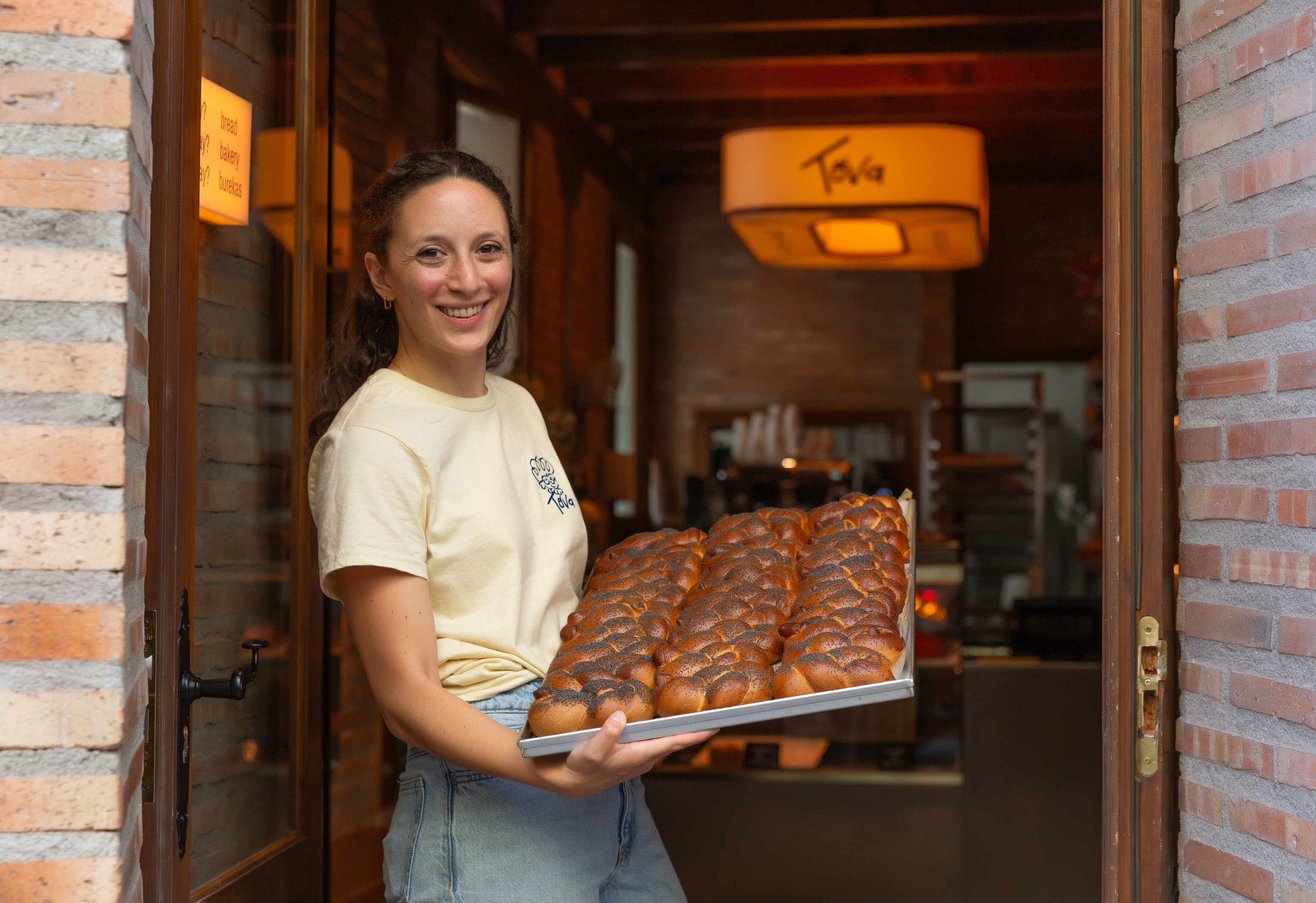
Tova, el obrador de repostería judía que ha conquistado en pocas semanas todo un barrio en Madrid con sus burekas que se agotan en dos horas La diminuta pastelería, cuyo nombre significa "buena", triunfa con estos pasteles salados rellenos de queso y otros bollos típicos de la cocina hebrea. Leer
elmundo · about 2 hours ago

Carlos Lozano, presentador: "El dinero y la fama no me impresionan. Ahora vivo feliz con mis ovejas en un pueblo perdido y no me encabrono por todo" El presentador de Operación Triunfo conduce Amor o lo que surja, un dating show para encontrar pareja en Telecinco. Se retiró del foco mediático para residir en un pueblo y resurge ahora como el ave fénix tras ganar GH Dúo Leer
elmundo · about 2 hours ago
„The Producers im Stream: Netflix lässt über Hitler lachen - zum 100. von Mel Brooks Ein Musical, das Hitler parodiert, wird zum Broadway-Hit. Das ist der Stoff von Mel Brooks „The Producers. Nun ist die Verfilmung von 2005 mit Nathan Lane und Matthew Broderick im Netflix-Programm.
tagesspiegel · about 2 hours ago
Jeg er i USA, men skulle ønske jeg kunne klone meg selv DALLAS: Kan et spark på ballen kurere ensomhet?
aftenposten · about 2 hours ago

La fille dAxelle Red sera à lhonneur ce mercredi à Bruxelles: "Cest la deuxième fois que je le fais" Janelle Vanes sera la narratrice néerlandophone de lOmmegang, ces mercredi et vendredi sur la Grand-Place de Bruxelles. ...
la libre · about 2 hours ago

"Confessions II" de Madonna: un retour gagnant sur le dancefloor avec laide de Stromae Dans son nouvel album, la Reine de la Pop mise sur lélectro comme exutoire dun monde qui part en vrille. Lalbum quil nous fallait pour célébrer lété et la liberté. ...
la libre · about 2 hours ago
Pelit | Kaurismäkiä ihaileva pelisuunnittelija tekee teoksia, jotka näyttävät maailmalle keskisormea Kulttimainetta nauttivalta Goichi Sudalta ilmestyi juuri pähkähullu Romeo is A Dead Man -videopeli. Olisin iloinen, jos kuoltuani joku ajattelisi, että tuo tyyppi teki siistejä juttuja, hän sanoo HS:lle.
helsingin sanomat · about 2 hours ago

In de meeteenheid van cineast Pier Paolo Pasolini was filosoof Frank Vande Veire een man met cultuur
de morgen · about 2 hours ago
VIDEO ⟩ Kuidas ühed bioloogid vajasid teise bioloogi abi, et sinikaelpardipere päästa Riia tänaval asuva Omicumi maja teise korruse akende taga hakkasid sündmused arenema mai viimasel dekaadil. Molekulaarbioloogia ja biokeemia labori aknad avanevad nimelt rõdule, rõdul on lillekast, lillekastis võõrasemad. Ja võõrasemade varju sättis end pesale part, munejalinnu nägu peas.
postimees · about 2 hours ago
Esqueçam a heroína, a epidemia de drogas é outra e invisível Celebrar um sucesso passado não nos pode impedir de reconhecer uma realidade incómoda do presente: o mundo das drogas de 2026 já não é o mundo de 2001. Opinião de Ricardo Dinis-Oliveira
publico · about 2 hours ago
VPRO Zomergasten verwelkomt Tommy Wieringa als vierde gast Tommy Wieringa is deze zomer de vierde gast in het programma VPRO Zomergasten. De schrijver van onder meer de bestseller Joe Speedboot is op zondagavond 16 augustus te gast in het laatste seizoen van het interviewprogramma waarin bekende Nederlanders geïnterviewd worden aan de hand van hun ideale televisieavond.
rtl nieuws · about 2 hours ago
Spikkels, botercrème en miljoenen views: de dotcake is de trend van nu Je hoeft Instagram, TikTok of YouTube maar te openen en je wordt er werkelijk waar mee doodgegooid: de zogenoemde dotcakes. Dat is dus een cupcake in een bakje met mierzoete botercrème en heel veel gekleurde spikkels erop. Dat klinkt in eerste instantie niet heel bijzonder, maar volgens het internet is dat het wel.
rtl nieuws · about 2 hours ago
Film z Wishe, který není pro nikoho? Dvanáct červnových premiér pohledem mladé generace Červen byl v českých i světových kinech ve znamení návratu Stevena Spielberga, Guye Ritchieho i franšízy Příběh hraček. Které z devíti červnových (a tří květnových) filmových premiér nejvíce oslovily studenty Ústavu filmu a audiovizuální kultury Masarykovy univerzity?
denik n · about 2 hours ago
Anna Prášilová Fialová: Nemůžu na sebe politiku nechat hulákat ze všech stran, pak přestávám žít „V životě jsem nebyla takhle nervózní, fakt se mi klepaly půlky, říká Anna Prášilová Fialová o jedné ze svých mnoha rolí – zpěvu Modlitby pro Martu na Národní třídě. Je mimořádně proměnlivá. V každé roli jako by to byla úplně jiná herečka. Naposledy třeba v roli rozverné kamarádky spisovatelky Simony Monyové.
denik n · about 2 hours ago
«Kwaïdan», les esprits frappants de Masaki Kobayashi Entre luxuriances et frisson, le long métrage du cinéaste japonais, composé de quatre contes hantés par des spectres, ressort en salles.
liberation · about 2 hours ago
Die Kult-Blondine ist zurück: Prequel zu «Natürlich blond»: Serie «Elle» bei Prime Video
die zeit · about 2 hours ago
Claude Code users complain their chat records are being mysteriously wiped out Got important chats older than 30 days? Youd better be sure the transcripts still exist
the register · about 2 hours ago
Η Ευγενία Σαμαρά φωτογραφίζεται με μαγιό και γράφει «Λίγη ακόμη θάλασσα γιατί πλησιάζει η ώρα που θα βρεθώ και πάλι στα βουνά» Η ηθοποιός πόζαρε με μπικίνι και ανάρτησε στιγμιότυπα στα social media
protothema · about 2 hours ago
Γιώργος Λιβάνης: Θα τολμούσα να πάω στη Eurovision, γιατί όχι; Ο τραγουδιστής ρωτήθηκε για το ενδεχόμενο να βρεθεί στη σκηνή του διαγωνισμού τραγουδιού
protothema · about 2 hours ago