 Sunday, June 7Sunday, June 7
A surprise federal inspection of the Winn Correctional Center in Louisiana, one of the largest ICE detention facilities in the U.S., has uncovered serious violations including a prohibited chokehold, a detainee stabbed with a pen, and systemic failures in health, safety, and oversight. The findings, detailed in a report by the Homeland Security Office of the Inspector General released on 4 June 2026, paint a picture of a facility plagued by unsanitary conditions, unchecked use-of-force incidents, and inadequate medical documentation.
Investigators documented multiple incidents of excessive force that “did not fully comply” with federal standards. In one case, an officer stabbed a detainee in the thumb with a pen after the man refused to move his hand from a door opening. In another, a guard used a chokehold—explicitly prohibited under ICE policy—on a detainee resisting orders. A third detainee, who was noncompliant, was restrained by five officers using mechanical restraints and a suicide smock, and the incident was never properly documented. The report also found no records of staff who had received remedial use-of-force training or faced disciplinary action, raising concerns that unsafe tactics could recur. “This could lead to staff repeating inappropriate use-of-force tactics that could potentially result in property damage, injury, and death,” the inspector general warned .
Beyond use-of-force violations, the facility was found to be structurally unsound and unhygienic. Investigators identified three leaks in the kitchen, exposed insulation hanging from the ceiling in the intake building, and perishable food stored at inadequate temperatures. Medical staff failed to maintain updated records of detainees’ health needs, including a master problems and treatment list. Roughly half of the violations identified remain unaddressed, according to the report, which cautioned that noncompliance “could negatively affect the health, safety, and rights of detainees” .
The Winn Correctional Center, an all-male facility holding about 1,500 ICE detainees as of early April 2026, is among the largest detention centers in the country. Unannounced inspections like this one are rare opportunities to scrutinize facilities that otherwise restrict public and media access. The revelations come amid growing national scrutiny over conditions in ICE detention centers, where oversight has long been criticized as insufficient. The inspector general’s report underscores systemic gaps in accountability and training that allow such abuses to persist.
ICE has not yet issued a public response to the findings. The agency has previously defended its detention practices, citing compliance with federal standards. However, the latest inspection suggests that at Winn Correctional Center, those standards were not met—with potentially severe consequences for detainees’ wellbeing.
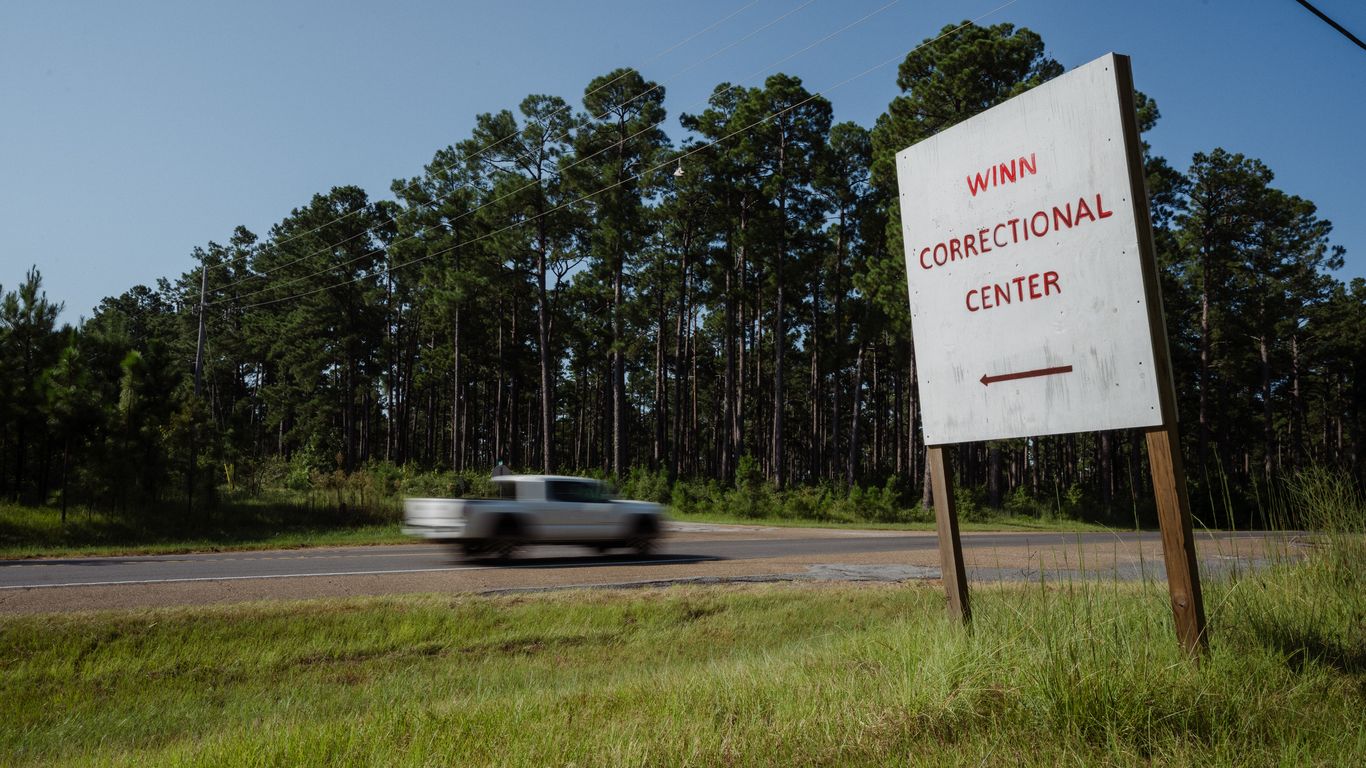
Federal inspector reports chokehold, pen stabbing at ICE facility A surprise federal inspection found a prohibited chokehold, an officer who stabbed a detainee with a pen, and other issues that threatened health and safety at one of the largest ICE detention facilities in the U.S. Why it matters: Unannounced inspections are one of the few ways to get a clear look inside the detention facilities, which otherwise have limited access for oversight.Zoom in: At the Winn Correctional Center in Louisiana, investigators found multiple use-of-force incidents that "did not fully comply" with standards, according to a report from the Homeland Security Office of the Inspector General.In one incident, an officer stabbed a detainee with a pen on his thumb after the detainee wouldnt move his hand from a door opening. Another officer used a chokehold on a detainee, which is explicitly prohibited. Another detainee who wasnt complying with orders was bound by five officers with "mechanical restraints and a suicide smock." The incident was then not properly documented. Between the lines: Investigators found that there werent records kept on the staff who received the remedial use-of-force training or who were disciplined for violating policy. "This could lead to staff repeating inappropriate use-of-force tactics that could potentially result in property damage, injury, and death," the report said. Zoom out: The all-male facility held about 1,500 ICE detainees in early April, according to agency records, making it one of the largest in the country. But the facility was found to be unsanitary and in places falling apart by the investigators. There were three leaks in the facilitys kitchen, and the intake building had holes and insulation hanging from the ceiling.Perishable food wasnt being refrigerated or frozen at adequate temperatures. Medical staff also failed to regularly update the master problems and treatment lists, which tracks detainees medical needs.The bottom line: Roughly half of the violations found by investigators still need to be remedied, according to the report. Not complying with the standards "could negatively affect the health, safety, and rights of detainees," the report warned.
axios · 2 days ago

FBI hunts for 2 dangerous inmates who escaped NC jail
news.yahoo.com · 2 days ago
Researchers find Deposit Re-turn machines do not pose biological risk to public health The findings come amid public commentary raising concerns that the machine poses issues relating to hygiene and infection control.
thejournal · 2 days ago

HSE computer systems back up and running after cyber attack on third party that stores data Staff have reported being unable to access their email or the internet.
thejournal · 2 days ago

Man charged with bringing bomb in his carry-on bag to a California airport Before the device was removed from the airport, officers put a bomb blast suppression blanket over it and taped off the immediate area, according to the federal complaint.
euronews · 2 days ago
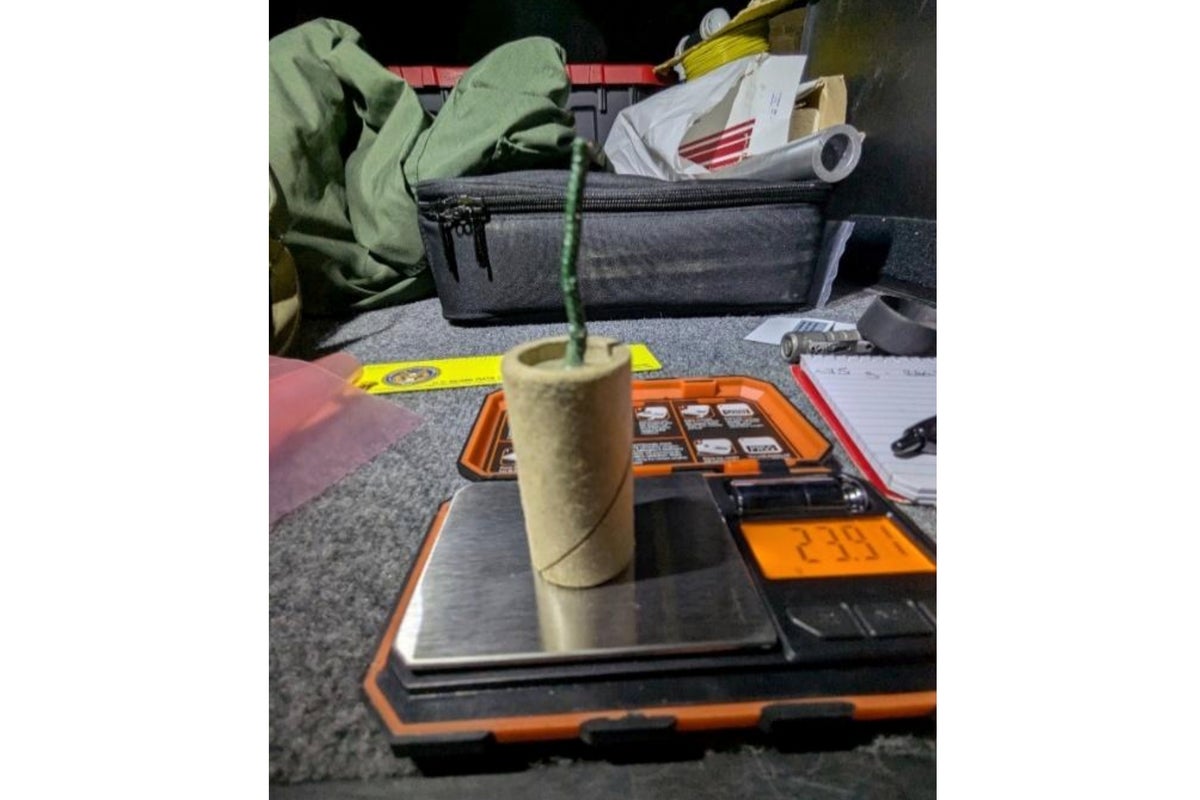
Bomb found in mans carry-on bag at airport alongside a 15-minute timer, police say Bomb technicians examined the device and determined it contained viable explosive material
independent · 2 days ago
Report highlights shortcomings in care before killing of 11-year-old Sohani The organisations involved in the care of Hamza L. have endorsed the findings of the joint report by the Inspectorate of Justice and Security and the Health and Youth Care Inspectorate (IGJ).
nltimes.nl · 2 days ago
NSA using Anthropics Mythos for cyber attacks Arrangement comes as AI lab is locked in legal battle with Pentagon over Claude model
financial times · 2 days ago
Fuite de données : le «Dossier médical partagé» a-t-il vraiment été hacké ? Un hacker a pu consulter une poignée de comptes patients. Mais son accès a rapidement été bloqué et aucune fuite massive de données médicales nest à déplorer.
liberation · 2 days ago

What its like to go inside New York Citys dank, dangerous, bug-filled sewers
news.yahoo.com · 2 days ago

Florida man sues airboat company after alligator bites his face: lawsuit The incident unfolded during an encounter with a baby alligator last summer
independent · 2 days ago
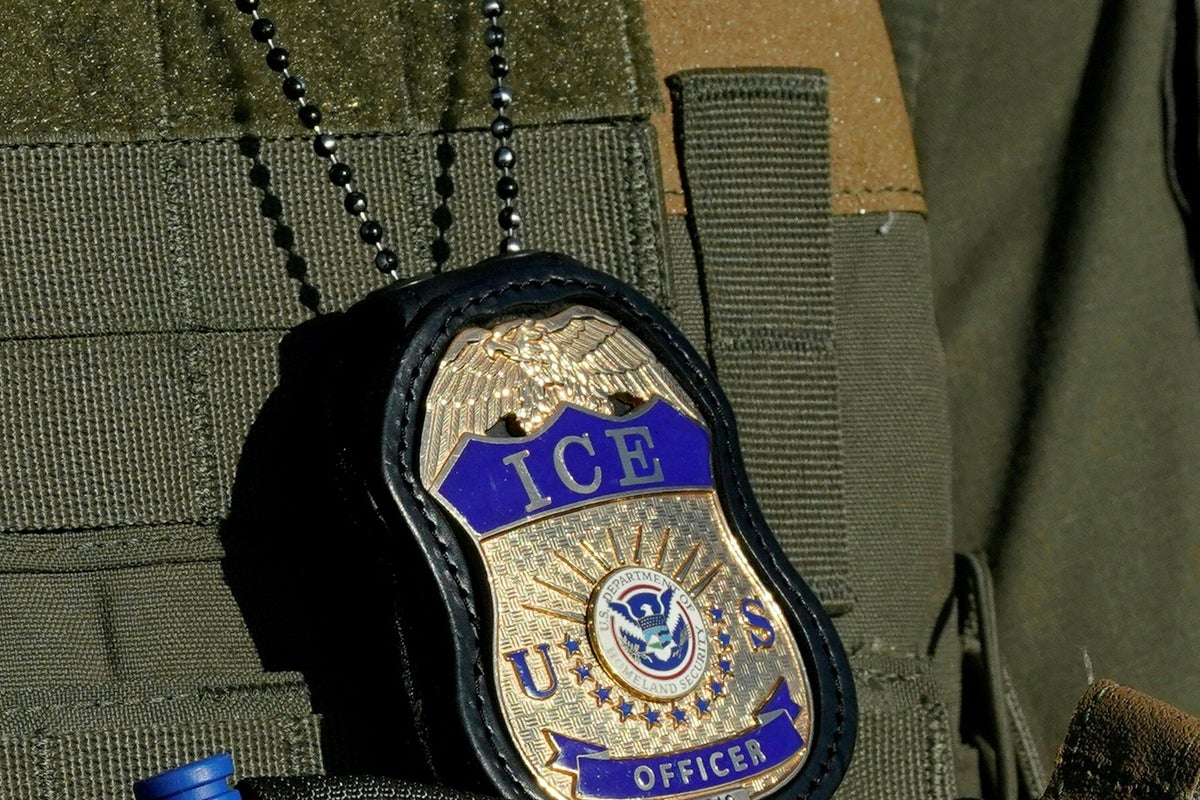
DHS watchdog reveals ICE detention guards in Louisiana used chokehold to gain compliance and stabbed detainee with a pen Inspector general report offers a rare look inside ICE facilities amid growing scrutiny over conditions across the country
independent · 2 days ago

The reality of New York Citys sewers after men were seen emerging from manholes Surveillance footage captured individuals mysteriously exiting the sewer network in Brooklyn and Queens last week
independent · 2 days ago
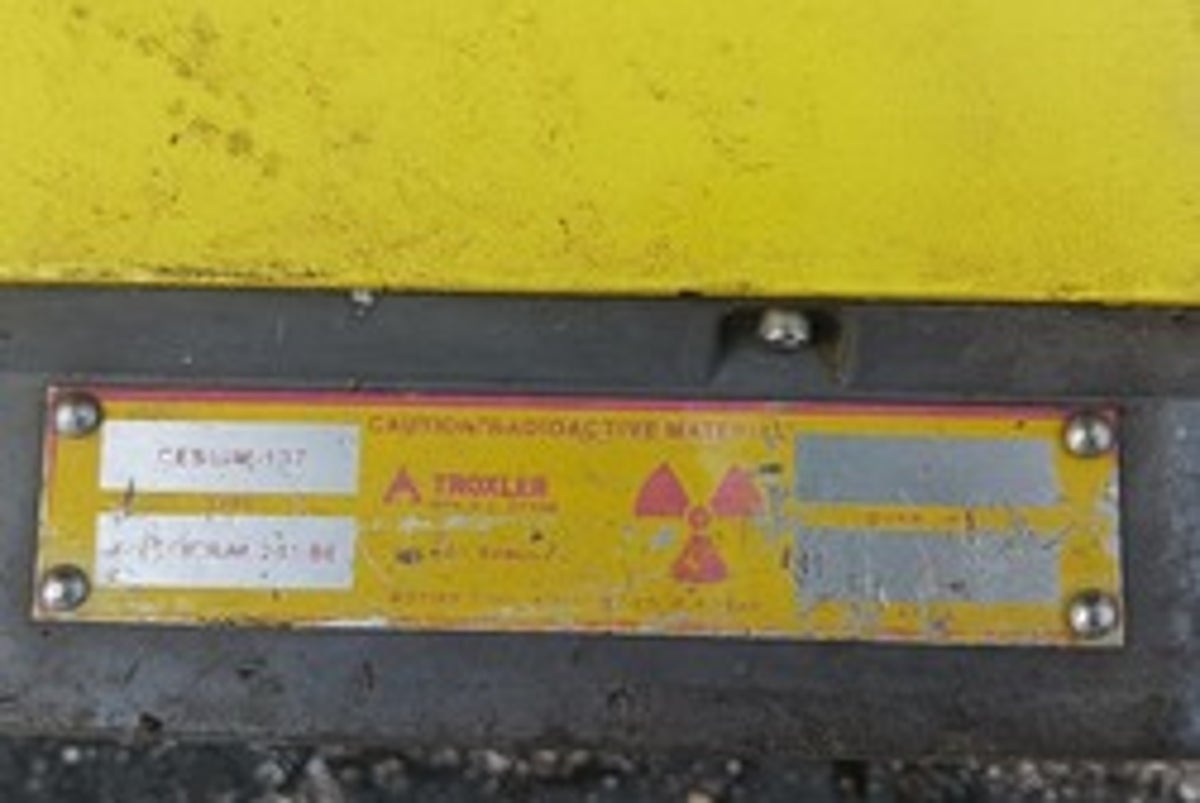
Florida man arrested after allegedly trying to sell stolen radiological device that could have made people ill on Facebook Marketplace Improper handling or damage to the device could have caused severe health complications due to radiation exposure
independent · 2 days ago

Highly probable that American missing in Japan left intentionally: Police
news.yahoo.com · 2 days ago