
Germany summons Chinas ambassador after reports of NBC training for Russian troops
Germany summoned China’s ambassador to the Foreign Ministry in Berlin on Friday for an unusually blunt “urgent discussion” after reports that Chinese instructors had trained Russian soldiers in biological, chemical, and nuclear defence—a move Berlin called a direct threat to its “core interests.”
Foreign Minister Johann Wadephul told reporters the allegations were “deeply disturbing” and that China’s reported role in upgrading Russia’s NBC (nuclear-biological-chemical) readiness crossed a red line. “We see our core interests in danger,” Wadephul said, underscoring the gravity of the démarche. The Foreign Ministry confirmed the ambassador was formally invited to the Auswärtige Amt on Thursday evening, with the meeting taking place on Friday morning.
The accusation follows reporting by Czech outlet *Denik N* that Russian troops recently travelled to China for drills on NBC attack response, a claim corroborated by multiple European outlets on 3 July . German intelligence has not publicly detailed the scale or location of the training, but the Foreign Ministry’s decision to summon the ambassador signals Berlin’s view that Beijing is crossing a diplomatic threshold.
China has not denied the NBC drills but has framed them as routine military exchanges. On Thursday, Danish Foreign Minister Lars Løkke Rasmussen met his Chinese counterpart Wang Yi in Copenhagen and stressed that dialogue must continue despite “policy disagreements,” including over the war in Ukraine . The German démarche, however, suggests Berlin is no longer willing to separate military cooperation from political consequences.
The escalation comes as the EU intensifies scrutiny of China’s dual-use exports to Russia. On 3 July, *Volkskrant* reported that the Netherlands and other member states had pressed Beijing for clarification on alleged training of Russian personnel . German officials have privately warned that further Chinese military support for Moscow could trigger sanctions under the EU’s 12th sanctions package, currently under negotiation.
Wadephul’s warning was echoed in Berlin’s live political coverage on Saturday, where the Foreign Ministry reiterated that the ambassador’s summons was “not a routine step” . The move also aligns with broader European unease: on 4 July, the European Space Agency’s director noted that China-Europe earth-observation cooperation was “moving toward greater complementarity,” a rare positive signal amid the diplomatic chill .
Follow us for live European news
- 4
- 2
- 2
- 1
- 1
- 1
- 1
- 1
- 1
- 1
6 further sources not geolocated
Articles
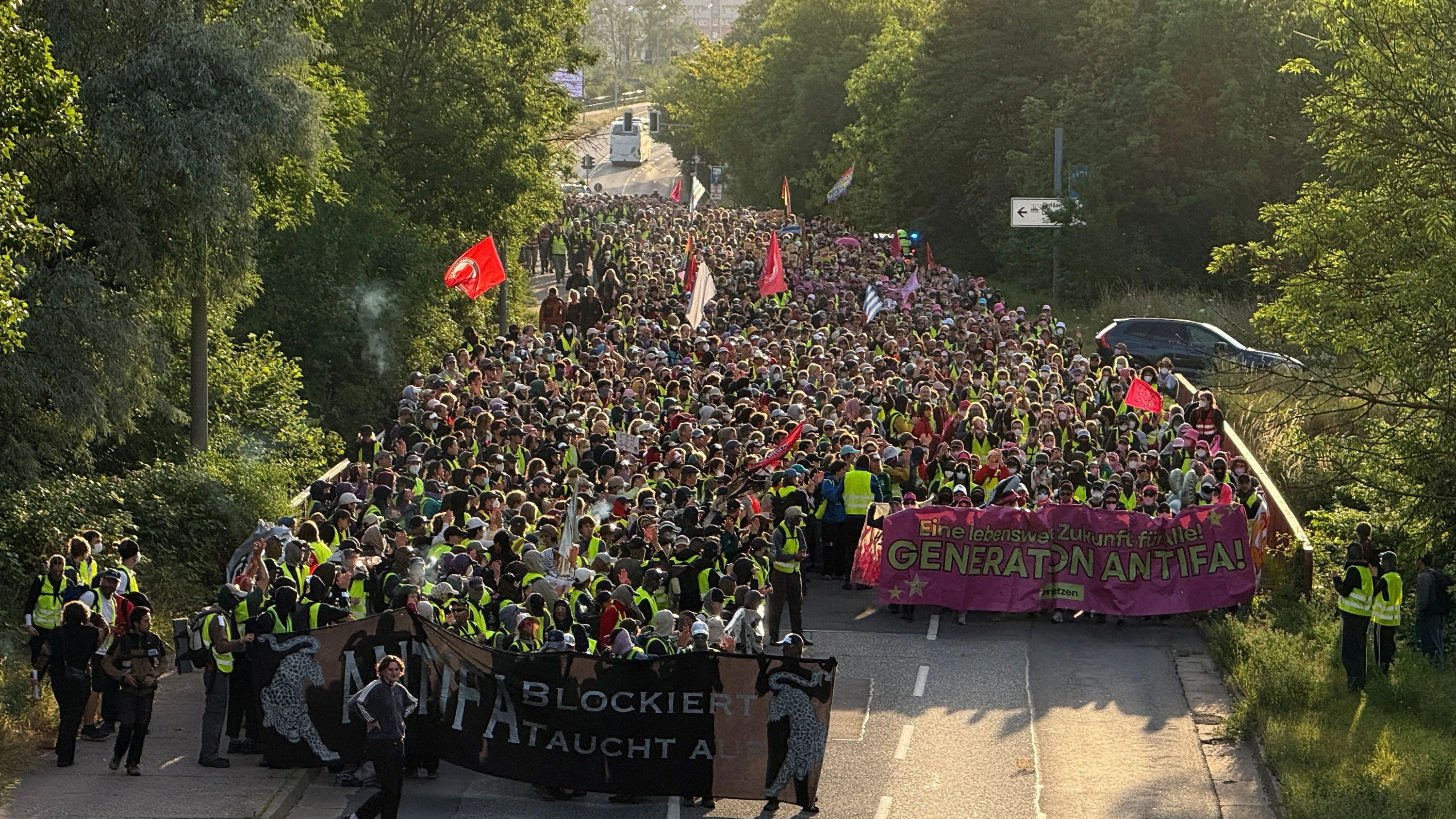
Deutschland-Liveblog: A 71 gesperrt: Massive Verkehrsbehinderungen durch Anti-AfD-Demos in Erfurt Umfrage: 67 Prozent Zustimmung für höhere Reichensteuer +++ Bericht: Zahl der Asylanträge in Deutschland sinkt um 27 Prozent +++ Ausbildung russischer Soldaten in China: Chinesischer Botschafter für „dringliches Gespräch ins Auswärtige Amt gebeten +++ alle Entwicklungen im Liveblog
faz · about 3 hours ago
Deutschland-Liveblog: Schon 200 Busse mit Anti-AfD-Demonstranten in Erfurt eingetroffen Umfrage: 67 Prozent Zustimmung für höhere Reichensteuer +++ Bericht: Zahl der Asylanträge in Deutschland sinkt um 27 Prozent +++ Ausbildung russischer Soldaten in China: Chinesischer Botschafter für „dringliches Gespräch ins Auswärtige Amt gebeten +++ alle Entwicklungen im Liveblog
faz · about 3 hours ago

In Hong Kong, I saw the coming Chinese century Is authoritarianism the price we will pay for social order?
new statesman · about 3 hours ago

China launches coast guard patrol east of Taiwan despite international pushback reut.rs/4p3g0RP
bluesky_Reuters · about 4 hours ago

Tibet-Born Man Dies Outside U.N. After Appearing to Set Himself on Fire The incident occurred a day after China put in force a law viewed as the culmination of a long-running campaign to assimilate the countrys ethnic minorities.
wsj · about 4 hours ago
Formula 1s governing body wants more races in China and Asia
gdeltproject.org · about 5 hours ago
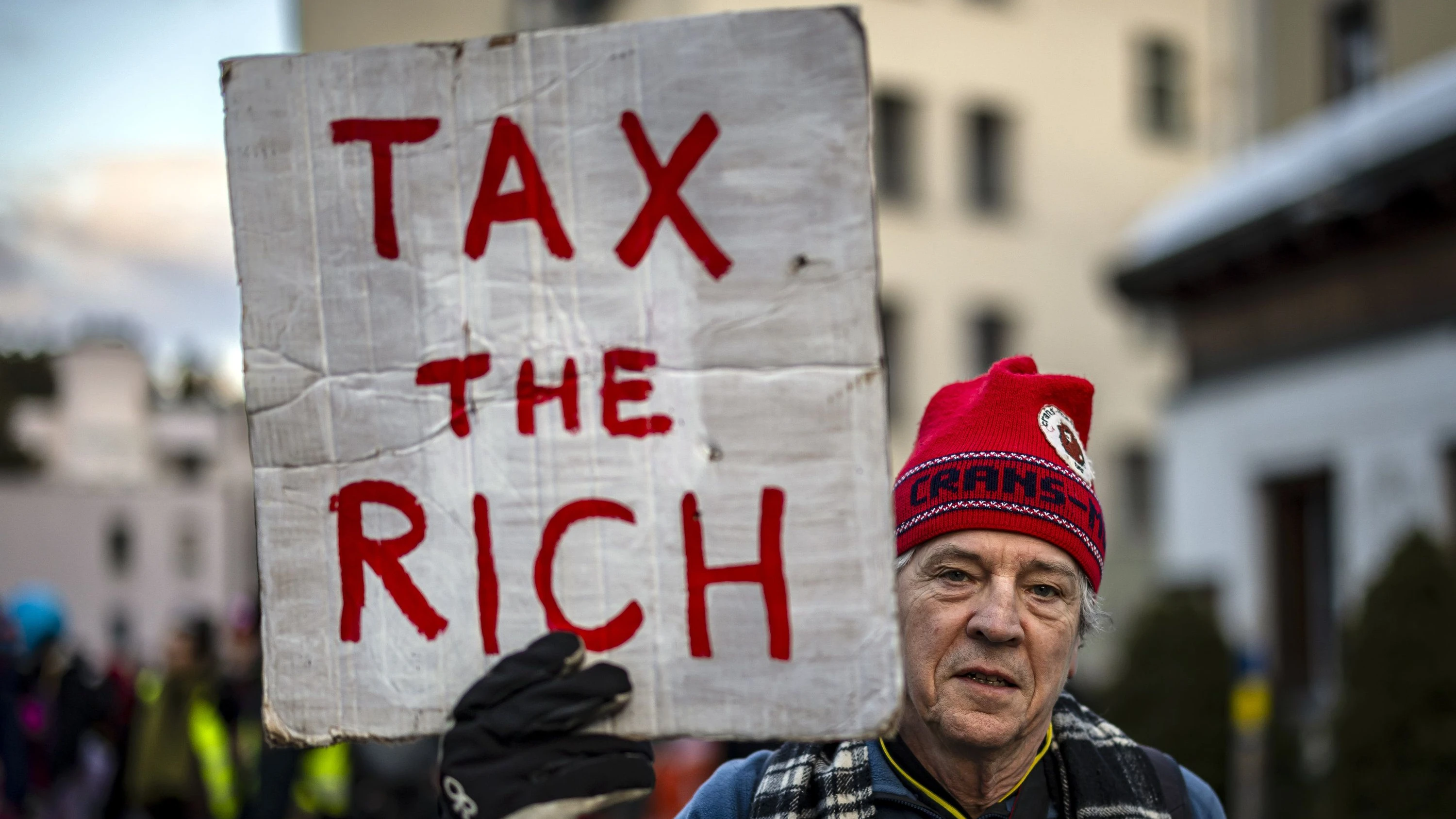
Deutschland-Liveblog: Umfrage: 67 Prozent Zustimmung für höhere Reichensteuer Bericht: Zahl der Asylanträge in Deutschland sinkt um 27 Prozent +++ Ausbildung russischer Soldaten in China: Chinesischer Botschafter für „dringliches Gespräch ins Auswärtige Amt gebeten +++ Erfurt bereitet sich auf Ausnahmezustand vor +++ alle Entwicklungen im Liveblog
faz · about 6 hours ago

Ukraine war briefing: Germany calls reports Russian soldiers are being trained in China deeply disturbing #UkraineUkraine war briefing: Germany ...
mastodon bot · about 6 hours ago
Lithuanian lawmaker says China open to normalising relations - The Baltic Times VILNIUS - China appears inclined to negotiate on normalising relations with Lithuania, the chairman of the Seimas foreign affairs committee said......
baltic times · about 6 hours ago

Zielland Nummer eins für Afghanen ist Deutschland Die neuesten europäischen Asylzahlen zeigen, dass in Deutschland deutlich weniger Anträge gestellt werden als vor einem Jahr. Aus dem Land mit den meisten Schutzsuchenden in der EU beantragten vier von zehn Menschen Asyl in der Bundesrepublik.
welt.de · about 6 hours ago
Asien: Xi setzt Umbau von Chinas Militärspitze fort In den vergangenen Jahren wurden etliche hohe Beamte beim chinesischen Militär entlassen. Jetzt steigen zwei Offiziere in den Generalsrang auf.
sueddeutsche · about 7 hours ago
Danish FM stresses dialogue with China in Copenhagen talks Danish Foreign Minister Lars Lokke Rasmussen hosted his Chinese counterpart Wang Yi in Copenhagen on Thursday, stressing that dialogue with Beijing remains indispensable despite policy disagreements as the two diplomats discussed bilateral trade and the Russia-Ukraine war.
yenisafak · about 7 hours ago
rewrite this heading in UK english reuters style: China-Europe Earth observation cooperation moves toward greater complementarity: ESA official
gdeltproject.org · about 8 hours ago
Kan dit een stukje maan zijn? China onderneemt spannende poging om bodemmonsters van quasimaan te nemen
de morgen · about 8 hours ago
Hundreds Across Belgium, the Netherlands and Spain Call for Repeal of Chinas New Ethnic Unity Law
gdeltproject.org · about 8 hours ago

Chinas Botschafter zu einem „dringlichen Gespräch ins Auswärtige Amt gebeten Die Warnung an Peking fällt ungewöhnlich deutlich aus. Außenminister Johann Wadephul sieht durch Chinas Unterstützung für russische Soldaten „unsere Kerninteressen in Gefahr. Das Auswärtige Amt bittet den chinesischen Botschafter zu einem dringlichen Gespräch.
welt.de · about 9 hours ago
UE se teme de un conflict comercial cu China și nu îndrăznește să ia măsuri dure împotriva Beijingului Încercările Uniunii Europene de a redefini relațiile comerciale și economice cu China se confruntă cu dificultăți, în condițiile în care statele membre nu au ajuns la un consens privind măsurile care ar trebui adoptate dacă dialogul cu Beijingul nu produce rezultate, relatează Bloomberg.
adevarul · about 9 hours ago
JUST IN - WHO gives emergency use listing to Chinas Shanghai Zhijiang Biotechnology, for the first PCR test for Ebola BDBV strain. Source: @disclosetv
telegram_Disclose.tv · about 9 hours ago

Chinas Chery takes over former Nissan car factory in South Africa reut.rs/44IKfnM
bluesky_Reuters · about 9 hours ago
Russias Defense Ministry wants to cancel mandatory medical exams for contract soldiers and mobilized personnel. This means Russia could mobilize practically anyone if the law changes get approved.
telegram_WarTranslated · about 9 hours ago
Kinas utrikesminister hoppas på vårt stöd Kina fortsätter stödja Rysslands invasion av Ukraina. Landets subventionerade export har skapat handelskonflikt med EU. Gui Minhai har varit inlåst i över ett årtionde. Ändå hoppas Kina få över oss på sin sida, då landet utrikesminister i helgen besöker Sverige för första gången på 22 år.
expressen · about 9 hours ago
Zorgen bij BMW om illegaal in Rusland gebouwde bootleg-BMWs BMW waarschuwt voor illegaal in Rusland geproduceerde bootleg-BMWs. Die worden sinds vorig jaar in elkaar gezet door medewerkers van de fabriek waar BMW mee samenwerkte. Ze gebruiken achtergelaten en verouderde onderdelen, aangevuld met onderdelen en materialen van Russische makelij.
nu.nl · about 9 hours ago
Rusové se jeli do Číny učit, jak se chovat při biologickém a jaderném útoku Rusové s Číňany provádějí vojenské manévry často a pravidelně. Někdy se tím obě velmoci chlubí a vysílají do světa signál: jsme spolu a jsme silní. Nedávná akce se ale běžné vojenské spolupráci vymyká. Rusové se jeli do Číny učit, jak se bránit před biologickým, chemickým nebo jaderným útokem.
denik n · about 9 hours ago
Duitsland wil opheldering van Chinese ambassadeur om vermeende training van Russische militairen
de volkskrant · about 9 hours ago
Is Chinas new ethnic unity law a step towards forced assimilation? The government says the law will help forge a shared national identity.
aljazeera · about 9 hours ago
Ukraine-Krieg: Auswärtiges Amt bittet Chinas Botschafter zu dringlichem Gespräch – Wadephul: „Große Besorgnis Die Bundesregierung wirft China bereits seit Jahren vor, Russland im Krieg gegen die Ukraine zu unterstützen. Der neueste Vorwurf geht noch eine Stufe weiter.
handelsblatt · about 9 hours ago
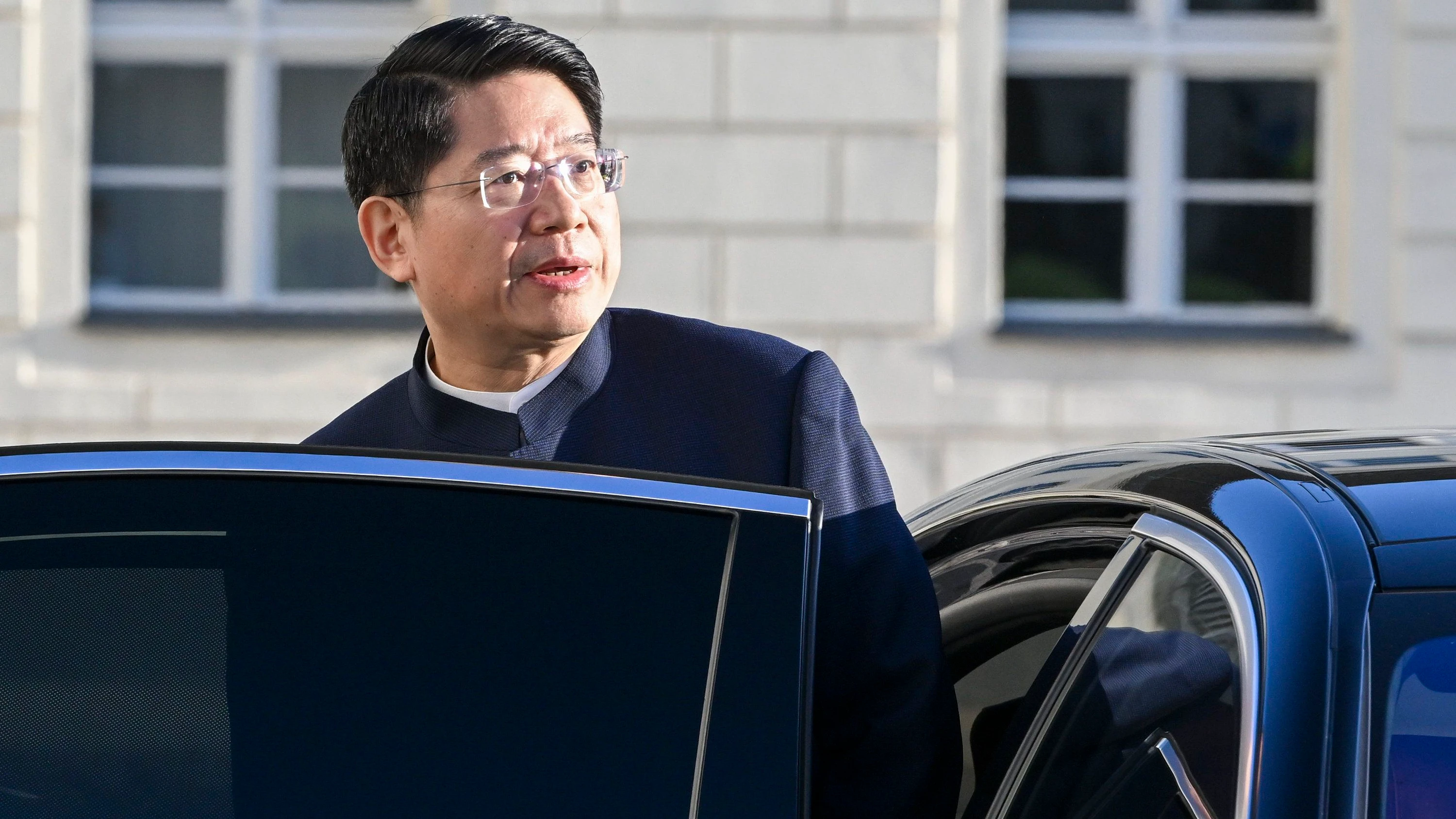
Deutschland-Liveblog: Chinesischer Botschafter für „dringliches Gespräch ins Auswärtige Amt gebeten Nach Berichten über Ausbildung russischer Soldaten in China +++ Regierungssprecher Kornelius: Attest muss nicht ab erstem Krankheitstag vorliegen +++ Erfurt bereitet sich auf Ausnahmezustand vor +++ alle Entwicklungen im Liveblog
faz · about 10 hours ago
Diplomatie: „Dringliches Gespräch mit Chinas Botschafter zu Kooperation mit Russland
sueddeutsche · about 10 hours ago
Macinka sliboval zpřísnění pravidel pro ruské diplomaty. Ani po pěti měsících to neudělal Ministr zahraničních věcí Petr Macinka (Motoristé) už v lednu sliboval, že ministerstvo zahraničí připraví přísnější režim pro pohyb ruských diplomatů. Po téměř pěti měsících ale vláda stále nemá návrh na stole. Česko tak dosud používá jen mírnější režim, přestože jeho zpřísnění v Evropské unii samo dlouhodobě prosazovalo.
denik n · about 10 hours ago
Influencers gör sig till redskap för diktaturen De senaste åren har Kinas mjuka makt stärkts. Svenska influencers bör vara medvetna om vilka intressen de gynnar när de låter sig bjudas in av Peking.
svenska dagbladet · about 10 hours ago