
U.S. strikes Iran targets after ceasefire collapse as Tehran hits Gulf allies
Story Timeline
2 months · 9 summary articles
The United States and Iran escalated their two-day-old military confrontation on Thursday, with Washington launching a second night of airstrikes and Tehran retaliating against U.S. allies in the Gulf, as the fragile ceasefire between the two nations collapsed amid the funeral of Iran’s late Supreme Leader Ali Khamenei.
U.S. Central Command confirmed it struck 90 targets across Iran overnight, including air-defense systems, command-and-control networks, and coastal radar sites in the southern provinces and the Strait of Hormuz. The Pentagon described the operation as aimed at degrading Iran’s ability to threaten commercial shipping in the strategically vital waterway. Hours earlier, President Donald Trump declared the three-week-old ceasefire “over,” warning that further strikes would follow if Tehran continued its attacks on shipping lanes. “If it happens again, it will get much worse,” Trump wrote on Truth Social .
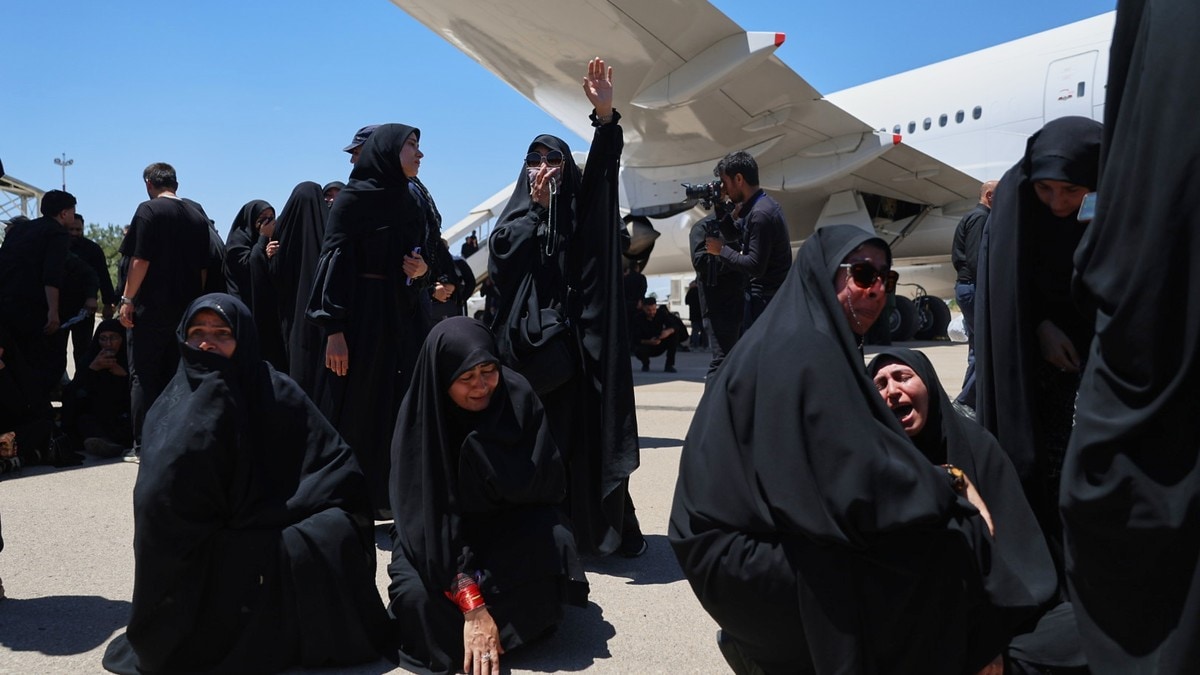
Iran responded by striking U.S. military infrastructure in Kuwait, Bahrain, and Qatar, according to its health ministry, which reported 14 dead and 78 injured from the latest U.S. offensive. Iranian state media also claimed a U.S. projectile landed near the Bushehr nuclear power plant, though Washington has not acknowledged the strike. The attacks came as the cortege carrying Khamenei’s coffin arrived in Mashhad for his burial, a week-long procession that has coincided with the worst violence between the two nations since the 2026 memorandum of understanding that had sought to avert war.
The Gulf Cooperation Council issued an emergency statement condemning Iran’s strikes on shipping lanes, calling them a threat to global energy security and demanding the U.N. Security Council adopt a firm stance to ensure freedom of navigation. “We consider Iran responsible for these attacks and urge it to cease all hostilities immediately and unconditionally,” the GCC said .
Pakistan and Qatar, which had mediated the failed ceasefire talks in Switzerland last month, are now attempting to revive negotiations, regional sources told CNN. Both countries had emerged as key intermediaries, but the latest escalation has raised fears of a wider regional conflict. Meanwhile, Israel’s Prime Minister Benjamin Netanyahu suggested his country was preparing new strikes on Iran, signaling a potential expansion of the crisis .
The Strait of Hormuz, through which a third of the world’s seaborne oil passes, remains paralyzed, with tanker traffic at a near standstill. Jordan reported intercepting Iranian ballistic missiles targeting its Azraq air base, while sirens sounded in the capital Amman amid the renewed strikes. The U.S. has redeployed aerial refueling aircraft to the Middle East, and Israeli officials believe Washington may greenlight further Israeli action against Iran .
Analysts warn that Trump’s strategy risks further destabilizing the region without a clear path to de-escalation. “There is no military solution to break the deadlock in talks with Tehran,” noted *The Guardian*, while *The New York Times* quoted experts describing Iran as willing to act “with stubbornness even when it risks massive losses” to maintain control over the Hormuz Strait .
Follow us for live European news
- 2
- 1
- 1
- 1
- 1
- 1
- 1
- 1
- 1
- 1
- 1
- 1
- 1
8 further sources not geolocated
Articles

🇺🇸 🇮🇷 The United States and Iran have traded new strikes that killed several people in the Islamic republic as Iranian authorities prepared for the burial of longtime supreme leader Ali Khamenei. ➡️ u.afp.com/SKLb
bluesky_AFP English · about 2 months ago

🇮🇷❌🇺🇸 — NOW: Iran has launched missiles and drones towards U.S. vessels in the Strait of Hormuz.
telegram_Intel Slava · about 2 months ago
⚡️🇮🇷❌🇯🇴🇰🇼🇺🇸 - Until now, 5 MRBMs were launched from several Iranian sites targeting Jordans Muwaffaq Salti Airbase in Jordan, with 1 direct impact reported at an industrial complex nearby. Other MRBMs targeted the Ali AlSalem airbase in Kuwait. Iran also carried out AShM attacks on US Navy ships in the Gulf of Oman. The missiles were launched from Irans Khomein, Urmia, Tabriz and Arak.
telegram_GeoPWatch · about 2 months ago
⚡️ Reports from Iran: The United States has attacked Asaluyeh in Bushehr. 💧 Rainbet.com the #1 Non-KYC Crypto Casino & Sportsbook @rainbetcom +18
telegram_War Monitors · about 2 months ago
Iran says it hits US military targets in Gulf, prepares to bury slain leader Iranian armed forces launched attacks on U.S. military infrastructure in Gulf states on Thursday following U.S. strikes on Irans southern coastal and eastern provinces, putting further strain on a three-week-old ceasefire agreement. The attacks came on the day that Iran buried its slain Supreme Leader Ayatollah Ali Khamenei at the shrine of Mashhad, in the […]
cyprus mail · about 2 months ago
Trump gelooft niet meer in deal met Iran, VS valt hard aan De Amerikaanse president Donald Trump gelooft niet meer in de vredesdeal met Iran en valt het land daarom hard aan, voor de tweede nacht op rij.
rtl nieuws · about 2 months ago
+++ Iran-Krieg +++: Jordanien meldet Raketenbeschuss aus dem Iran Iran: Außenminister berät mit Oman und Türkei über Lage am Golf +++ 15 Tote nach Angriffen am Unabhängigkeitstag Südsudans +++ Iran warnt USA vor Einmischung in der Straße von Hormus +++ Der Newsblog.
handelsblatt · about 2 months ago
Krieg im Iran: Kaum mehr Schiffsverkehr in der Straße von Hormuz Nach der jüngsten Eskalation zwischen den USA und dem Iran passierten lediglich zwei Tanker die Handelsroute.
die presse · about 2 months ago
Börsen: Iran-Krieg? Interessiert an der Börse niemanden mehr Der Konflikt zwischen Iran und den USA flammt wieder auf, doch die Finanzmärkte bleiben cool. Sie halten US-Präsident Donald Trump für einen Maulhelden.
sueddeutsche · about 2 months ago

U.S., Iran Trade Fire in Largest Escalation Since Peace Deal President Trump had earlier promised a second night of attacks and warned the strikes will get worse if Tehran continues to target commercial shipping.
wsj · about 2 months ago
Iran betting Trump doesnt have the stomach to go back to full-scale war The United States and Iran traded strikes on July 9 for the second day running as Washington and Tehran battled over the strategic Strait of Hormuz. Explosions were also heard in Bahrain, Qatar and Kuwait, two US allies in the Gulf, following fresh attacks on Iran overnight. But although Trump says he is ready to fight Iran all the way, will he risk it politically? FRANCE 24s Fraser Jackson tells us more.
france24 · about 2 months ago
Khamenei successor has yet to be seen as late rulers funeral comes to a close US and Iran have resumed strikes, threatening a return to full-scale war. The fighting also came with Iran preparing to bury Ayatollah Ali Khamenei, who was killed alongside close family members on the first day of the US-Israeli war against the Islamic republic on February 28. The last of a marathon six days of funeral ceremonies will be closely watched for signs of his son Mojtaba Khamenei, who has yet to appear in public since being appointed. FRANCE 24s Angela Diffley tells us more.
france24 · about 2 months ago
Iran claims US strike hit near nuclear powerplant The United States and Iran are continuing to trade strikes on July 9 for a second straight day. after President Donald Trump said the ceasefire between the two countries was "dead". According to Irans health ministry, the two days of US attacks have killed at least 14 people and injured more than 70. In response, Tehran said it had resumed its targeting of US assets in Kuwait, Bahrain and Qatar.
france24 · about 2 months ago

US strikes kill 17 in Iran, officials say, as battle over Strait of Hormuz continues US President Donald Trump said the ceasefire with Iran was over, but left the door open to more talks and added any strikes would end quickly.
thejournal · about 2 months ago
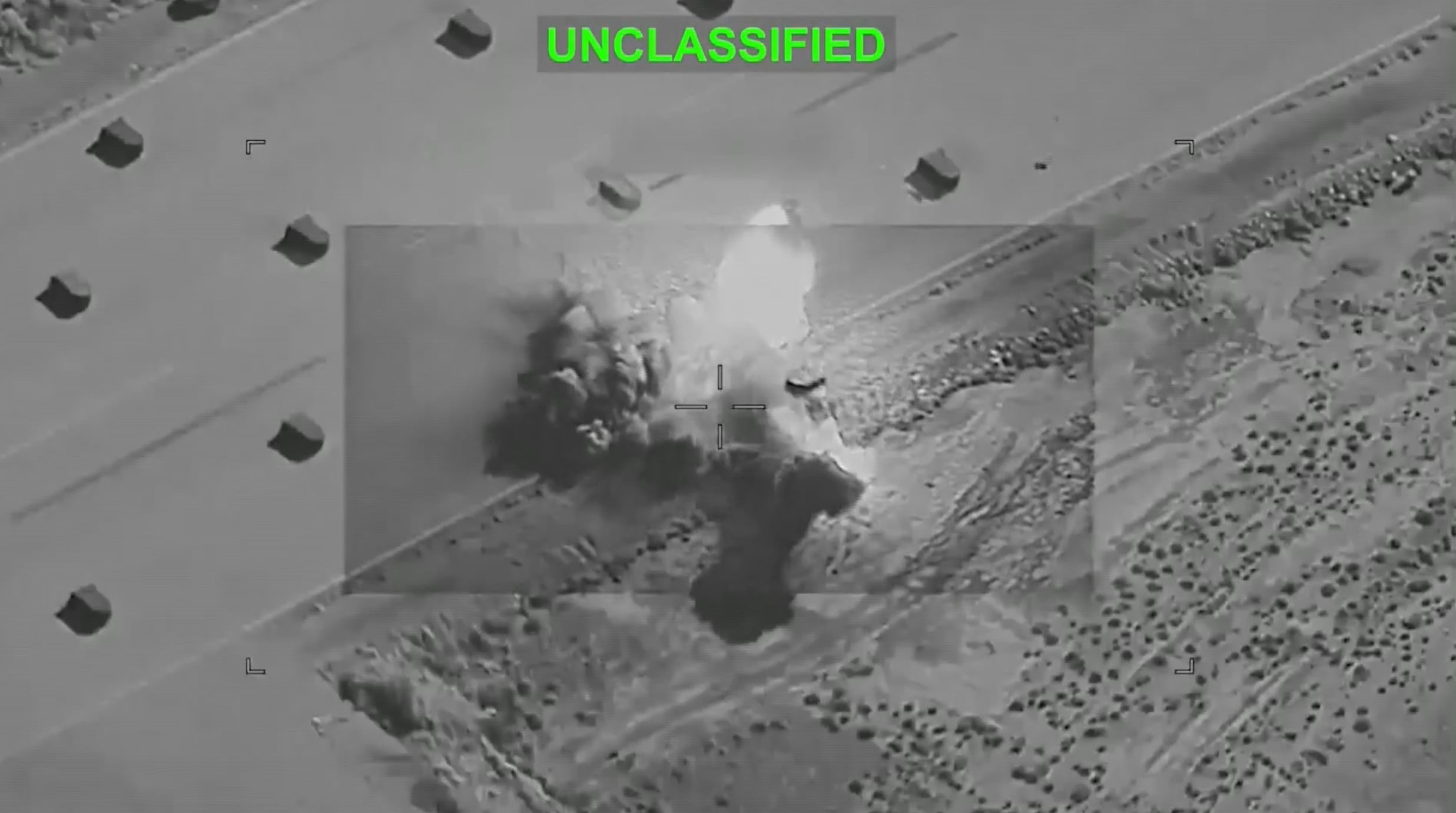
Iran strikes U.S. interests in Kuwait, Bahrain and Qatar in response to Washington bombings Irans Health Ministry said there were 14 dead and 78 injured in the latest US offensive. It also claims one projectile landed very close to a nuclear facility
elpais · about 2 months ago
🇮🇷 Khamenei arrives in hometown for burial as fresh strikes hit Iran Crowds gather on the airport tarmac in the holy city of Mashhad, in eastern Iran, as the body of slain supreme leader Ali Khamenei arrives in his birthplace ahead of his burial
bluesky_AFP English · about 2 months ago

Trump is bombing Iran again and blundering again. He has no grasp of his enemy | Sina Toossi
bluesky_The Guardian · about 2 months ago
Iran to bury slain Ayatollah Ali Khamenei as week-long funeral ceremonies draw to a close Irans slain ruler Ayatollah Ali Khamenei on Thursday will be buried at the countrys holiest shrine in Mashhad after a week of mass funeral processions, rallies and mourning ceremonies that has coincided with a flare-up in conflict with the US. Khameneis son and successor, Supreme Leader Mojtaba Khamenei, has still not made any public appearances. 👉 Read more:
telegram_France 24 · about 2 months ago
Iran begraver sin tidligere leder Mens USA bomber mål i Iran og våpenhvilen er erklært død, har kisten til avdøde Ali Khamenei ankommet fødebyen Mashhad.
nrk · about 2 months ago
Debate: US-Iran: deal over? Following new US strikes against targets in Iran, President Donald Trump has announced that the framework agreement and the ceasefire have ended. "I think its over," he said on the sidelines of the Nato summit in Ankara, denouncing the Iranian leadership as "scum". The press discusses whether Trump is serious and whether the war will flare up again.
eurotopics.net · about 2 months ago
As Iran buries Khamenei, it shifts from a theocracy to a nationalistic military leadership Khameneis marathon funeral is coming to an end as the coffin arrives in Mashhad, following a week of mass processions across Iran resonating with revenge slogans against Trump. It comes as strikes between of US and Iran have started up again. The funeral is also being used as a way to project to the world a regime that has managed to withstand the war. FRANCE 24s Angela Diffley tells us more.
france24 · about 2 months ago
Trump says Islamic Republic of Japan fired missiles at U.S. aircraft carrier U.S. President Donald Trump on Wednesday said "the Islamic Republic of Japan" fired missiles at a U.S. aircraft carrier, apparently confusing longtime ally Japan with Iran. Trump made…
japantoday · about 2 months ago
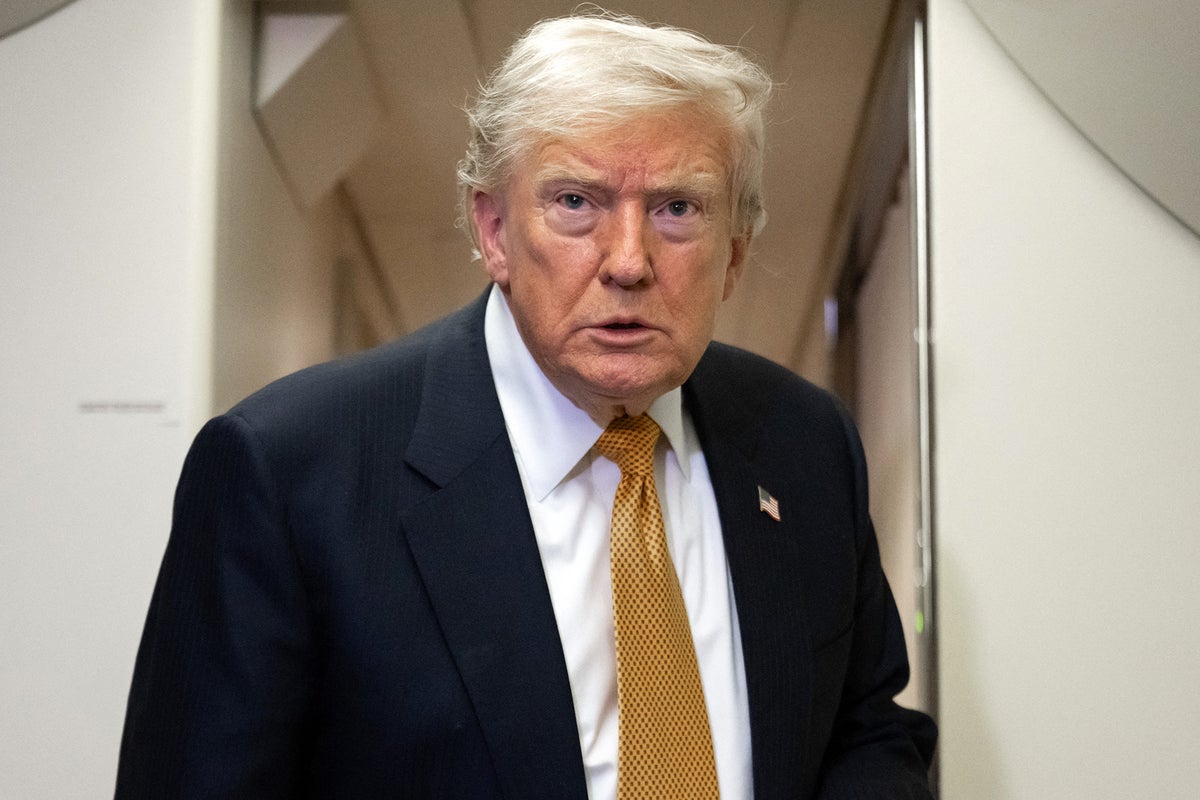
Inside Trumps tense 24 hours in the White House that ended the Iran ceasefire The repeated threat of strikes appears not to have deterred Iran from asserting itself in the Strait of Hormuz
independent · about 2 months ago
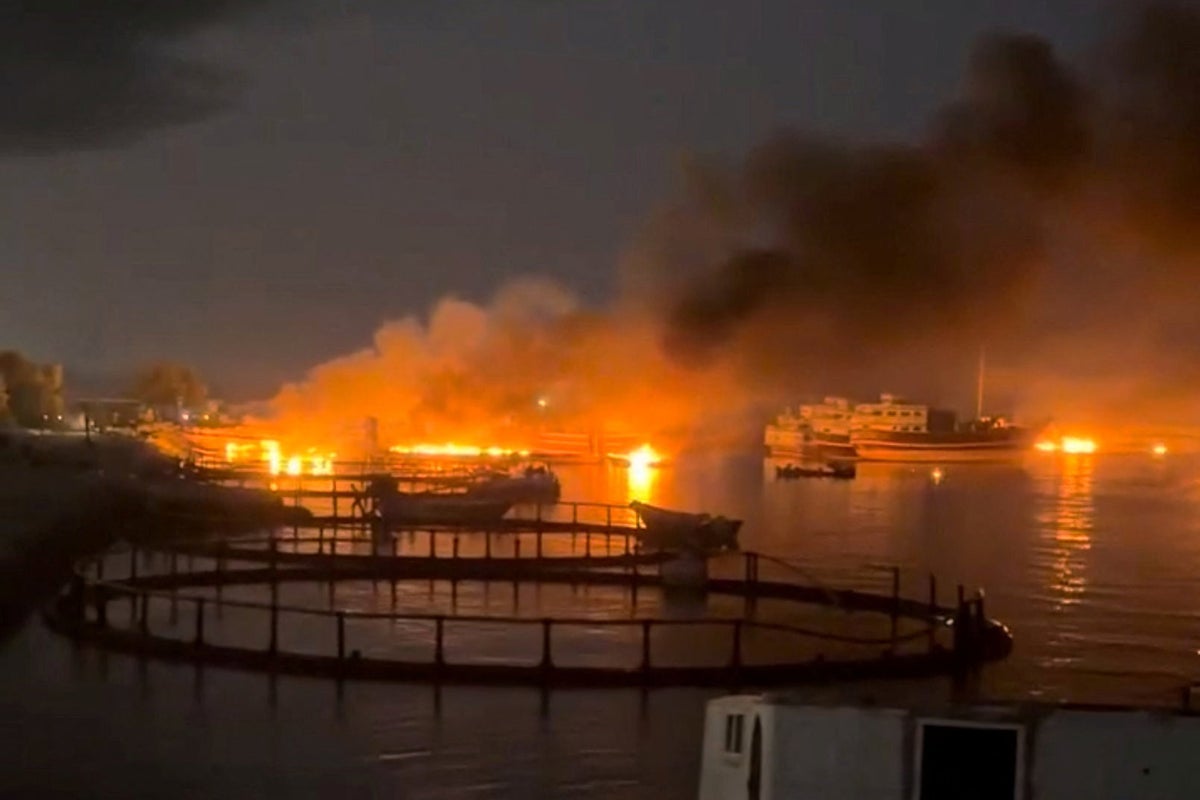
Iran-US war latest: Tehran accuses Trump of strike near nuclear plant in fresh escalation of attacks US president says ceasefire over following strikes on ships in Strait of Hormuz
independent · about 2 months ago
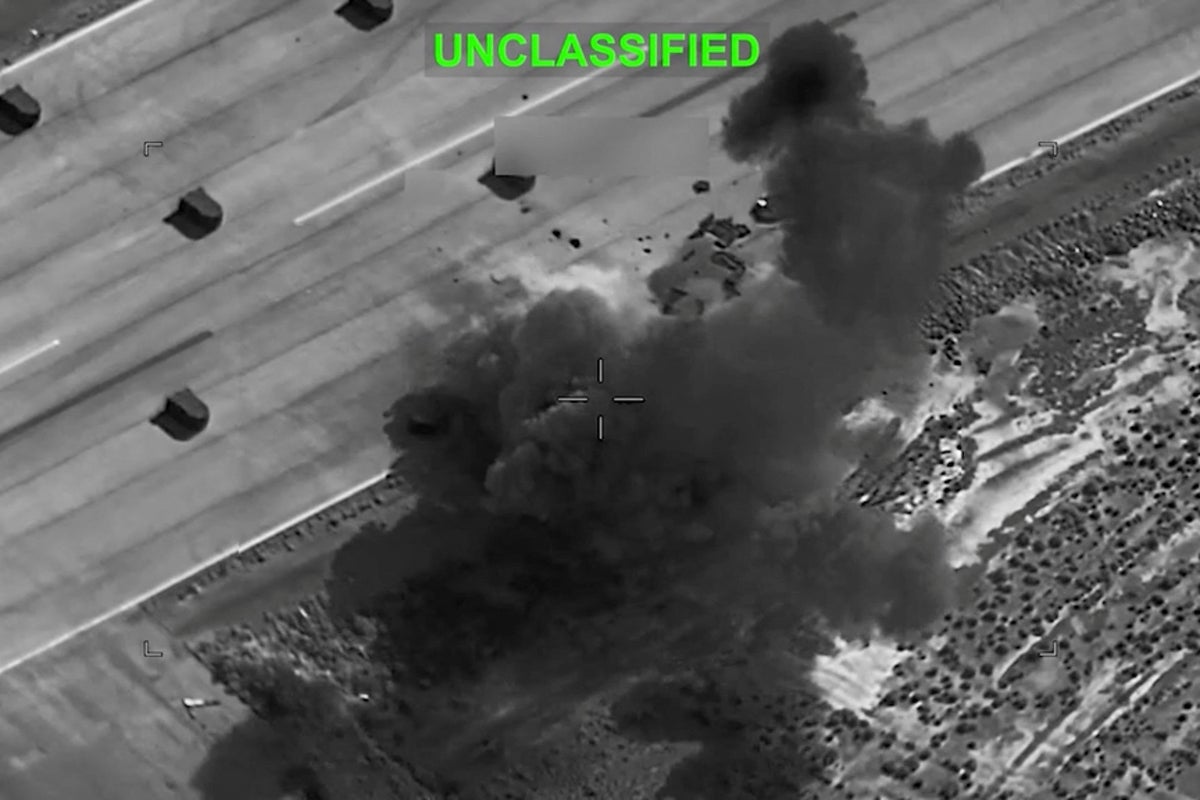
Trump strikes Iranian railway bridges on route to Khameneis funeral as ceasefire unravels Donald Trump fell back on striking Iran to force its hand on Thursday, but the regime made clear it has the final say on the Strait of Hormuz
independent · about 2 months ago
The Latest: Trump launches new strikes on Iran after saying ceasefire is over
gdeltproject.org · about 2 months ago
Deadly US strikes trigger Iranian attacks on Gulf states The US military says it has struck 90 targets in Iran. Iran says it sent drone strikes on US-linked sites in the Gulf.
aljazeera · about 2 months ago
Iran-Krieg: Neue Eskalation überschattet Staatsbegräbnis im Iran Die USA bombardieren zwei Nächte in Folge Ziele im Iran. Das Land meldet seinerseits Angriffe auf US-Zerstörer. Unterdessen endet mit der Bestattung von Ajatollah Ali Chamenei eine politische Ära.
handelsblatt · about 2 months ago
Iran accuses US of violating ceasefire with strikes on coastal sites Irans Foreign Ministry said Wednesday that US strikes on southern coastal monitoring facilities constitute a "blatant violation" of the UN Charter and the June 17 ceasefire agreement, accusing Washingtons "terrorist army" of targeting surveillance centers in defiance of the truce.
yenisafak · about 2 months ago
Trump warns US will probably hit Iran again Wednesday night President Donald Trump warned on Wednesday that the United States will probably conduct additional military strikes against Iran later in the evening, declaring that a memorandum of understanding to end the conflict was over as Washington responds to recent attacks on shipping in the strategic Strait of Hormuz.
yenisafak · about 2 months ago