
Romanias political deadlock deepens as centre-right and Social Democrats fail to nominate prime minister
Story Timeline
2 months · 48 summary articles
Romania’s political deadlock deepened on Saturday as centre-right parties and the Social Democrats failed to break a second consecutive day of deadlock over the nomination of a prime minister, leaving the country facing either snap elections or a prolonged caretaker government. PNL, USR and UDMR formally nominated Siegfried Mureșan for prime minister on Friday, while PSD countered by proposing Sorin Grindeanu for a minority administration, but neither candidate can secure the 233-seat majority required without the support of the nationalist AUR party. President Nicușor Dan’s Tuesday deadline for a new government to be installed at Victoria Palace now hangs in the balance, with negotiators admitting that neither Grindeanu nor Mureșan can command the necessary votes without AUR’s backing.
Mureșan, a PNL vice-president and vice-president of the European People’s Party, framed his candidacy as a “candidate of action” on Friday, but PSD’s Grindeanu dismissed the proposal as a tactical manoeuvre. “The only ones who have reason to fear snap elections are the politicians in PSD,” Mureșan told reporters on Saturday . Grindeanu, who had previously avoided seeking the premiership, accused Mureșan of political opportunism and reiterated that liberal parties would not endorse a PSD-led government .
AUR, which holds the balance of power, has ruled out supporting either candidate, arguing that neither party reflects its policy priorities. Petrișor Peiu, leader of AUR senators, stated that the party would only back a government it leads and accused President Dan of undermining democratic equality . Peiu also alleged that Dan does not believe in democracy or the equality of political parties, a claim denied by the presidency.
With negotiations at an impasse, PNL has publicly floated the prospect of snap elections. Robert Sighiartău, PNL secretary-general, argued on Saturday that if no government can be formed, “it is time to return to the citizens” . PSD has also hinted at early polls, with Grindeanu stating that snap elections are under consideration .
Analysts warn that prolonged uncertainty could erode investor confidence and delay EU funds, while public frustration grows. The political standoff comes amid broader European shifts, with centre-right and far-right parties jockeying for influence ahead of next year’s EU elections. In Romania, however, the immediate question is whether AUR will break its refusal to endorse either candidate—or whether Dan will dissolve parliament and call snap elections before the Tuesday deadline.
Follow us for live European news
- 5
- 3
- 1
- 1
- 1
- 1
Articles

„Ai trădat președintele României: Șeful Consiliului Județean Cluj, liberalul Alin Tișe, atac dur la adresa lui Bolojan Președintele Consiliului Județean Cluj, liberalul Alin Tișe, a lansat un atac la adresa președintelui PNL, Ilie Bolojan, pe care îl acuză că l-a „trădat pe șeful statului și a sacrificat interesul țării, notează Agerpres. Acesta îl critică, într-un „manifest postat pe pagina sa de socializare, și pentru faptul că a promovat în jurul său oameni …
hotnews.ro · 8 days ago

Die heiklen Lücken der großen Rentenreform Die große Rentenreform liegt auf dem Tisch, doch die Rentenkommission hat der Politik viele offene Fragen hinterlassen. Vage Formeln und teure Zusagen öffnen Spielräume für lange Debatten. Die Schlacht um jedes Komma hat schon begonnen.
welt.de · 8 days ago

„Es kommt zu einer gefühlten ‚Entheimatung. Darauf reagiert der Osten deutlicher als der Westen Altbundespräsident Gauck warnt vor pauschalen Verurteilungen von Wählern der AfD. Im Umgang mit der Partei plädiert er für klare Abgrenzung – stellt aber das Konzept „Brandmauer infrage. Für den Fall einer AfD-Alleinregierung macht er eine Vorhersage.
welt.de · 8 days ago
PNL pune pe masă scenariul alegerilor anticipate. Sighiartău: „Este momentul să ne întoarcem la cetățeni Partidul Național Liberal aduce în discuție varianta alegerilor anticipate, în contextul în care negocierile pentru formarea noului Guvern au intrat din nou în impas. Secretarul general al PNL, Robert Sighiartău, a transmis sâmbătă că „dacă nu mai există posibilitatea constituirii unui guvern, atunci este momentul să ne întoarcem la cetățeni.
digi24 · 8 days ago
Adrian Veștea, după eșecul din Parlament: „Nu este o înfrângere. Nu m-am gândit niciodată că voi pleca din Partidul Național Liberal Adrian Veștea s-a întors la Brașov, după ce guvernul propus nu a obținut votul de încredere în Parlament. El a spus că nu consideră situația o înfrângere și că nu are de când să se retragă din PNL.
adevarul · 8 days ago
Marius Budăi acuză PNL și USR de „guvernare fără guvernare și răspundere fără răspundere Deputatul PSD Marius Budăi acuză PNL și USR că s-ar face vinovate de blocajul politic prelungit, afirmând că România funcționează de 50 de zile cu un guvern interimar din cauza indeciziilor celor două partide.
adevarul · 8 days ago
Laura Vicol îi face plângere penală lui Siegfried Mureșan: „Acest aservit străinilor mă amenință Laura Vicol, inculpată în dosarul Nordis și fostă membră PSD, a anunțat sâmbătă că a depus o plângere penală pe numele lui Siegfried Mureșan pentru o postare făcută de acesta în decembrie 2025.
adevarul · 8 days ago
AUR spune că are aceeași poziție ca PSD și PNL: „Nu putem vota un Guvern pe care nu îl conducem „AUR are aceleași drepturi ca ale altor partide pentru că reprezintă, la fel ca acestea, voința unor milioane de români, a declarat sâmbătă liderul senatorilor AUR, Petrișor Peiu, care explică poziționarea „strategică a partidului în favoarea alegerilor anticipate și refuzul de a susține un Guvern pe care nu îl conduce, notează Agerpres. El spune că …
hotnews.ro · 8 days ago

DAZN condamné à payer 85 des droits TV pour la saison 2026-2027 Le Centre belge darbitrage et de médiation CEPANI a rendu vendredi une décision provisoire dans le dossier des droits TV du football belge selon laquelle DAZN, détenteurs des droits, devra verser 85 des droits convenus à la Pro League, a confirmé linstance du football professionnel belge à lAgence BELGA samedi. ...
la libre · 8 days ago
„Weg in die Zukunft: Özdemir fordert Grüne zu Zusammenarbeit auch mit der Union auf – und will ein AfD-Verbot Der Ministerpräsident Baden-Württembergs gibt seiner Partei klare Empfehlungen. Die Demokratie hält er für „gefährdet wie noch nie und verlangt deswegen einen harten Kurs gegen die Rechten.
tagesspiegel · 8 days ago
Gastkommentar: Die einzige Lösung ist eine Rente mit 70 – und zwar viel früher als geplant Der Regierung fehlt der Mut, schneller die Lebensarbeitszeit anzuheben, meinen die Unternehmerinnen Laura und Carla Sasse. Das wäre besser als immer neue Belastungen für Arbeitnehmer und Arbeitgeber.
handelsblatt · 8 days ago
Historiker über mögliches AfD-Verbot: „Unsere Generation ist kleinmütig Der Historiker Martin Sabrow warnt davor, die AfD zu verbieten. Und betont, dass die Weimarer Republik nicht an mangelnder Wehrhaftigkeit scheiterte. mehr...
taz.de · 8 days ago
ÎNTREBAREA SĂPTĂMÂNII: Cine a câștigat și cine a pierdut după aproape 60 de zile de criză politică? „Dacă tragem linie, România este marele perdant. S-au pierdut timp, bani europeni și oportunități. Au existat câștigători pe momente, dar nu există câștigători ai acestei crize", spune Florin Negruțiu. Claudiu Pândaru completează: „Factura reală s-ar putea să o primim la sfârșitul lui august, când vom vedea câți bani din PNRR am ratat."
digi24 · 8 days ago
Isaac Herzog, președintele Israelului, vine luni în România. Agenda vizitei oficiale: discuții la Cotroceni, mesaj pentru Parlament Preşedintele Israelului, Isaac Herzog se va afla în vizită oficială în România, la invitaţia preşedintelui Nicuşor Dan, ocazie cu care luni va fi primit la Palatul Cotroceni. De asemenea, va participa la ceremoniile dedicate comemorării a 85 de ani de la Pogromul de la Iaşi. Herzog ar urma să adreseze un mesaj plenului Parlamentului.
digi24 · 8 days ago
Vremea strategiilor. Cum devine AUR din „partid de protest un „partid de guvernare. „O felie mai mare va fi în avantajul tuturor Activul AUR Olt a fost convocat la întâlniri cu vocile care conturează doctrina formațiunii, pentru a li se explica atitudinile adoptate.
adevarul · 8 days ago
Un lider PNL propune alegeri anticipate: „Dacă nu mai există posibilitatea constituirii unui guvern, atunci să ne întoarcem la cetățeni Secretarul general al PNL, Robert Sighiartău, a sugerat sâmbătă că este nevoie de alegeri anticipate, afirmând că „dacă nu mai există posibilitatea constituirii unui guvern, atunci este momentul să ne întoarcem la cetățeni.
adevarul · 8 days ago
Scandal în PNL. Alin Tișe îl atacă dur pe Bolojan: „Să îți fie rușine, Ilie! Ai trădat președintele României. Opreşte-te! Președintele Consiliului Județean (CJ) Cluj, liberalul Alin Tişe, a publicat un manifest în care îl critică dur pe liderul PNL Ilie Bolojan, pe care îl acuză de „trădare.
adevarul · 8 days ago
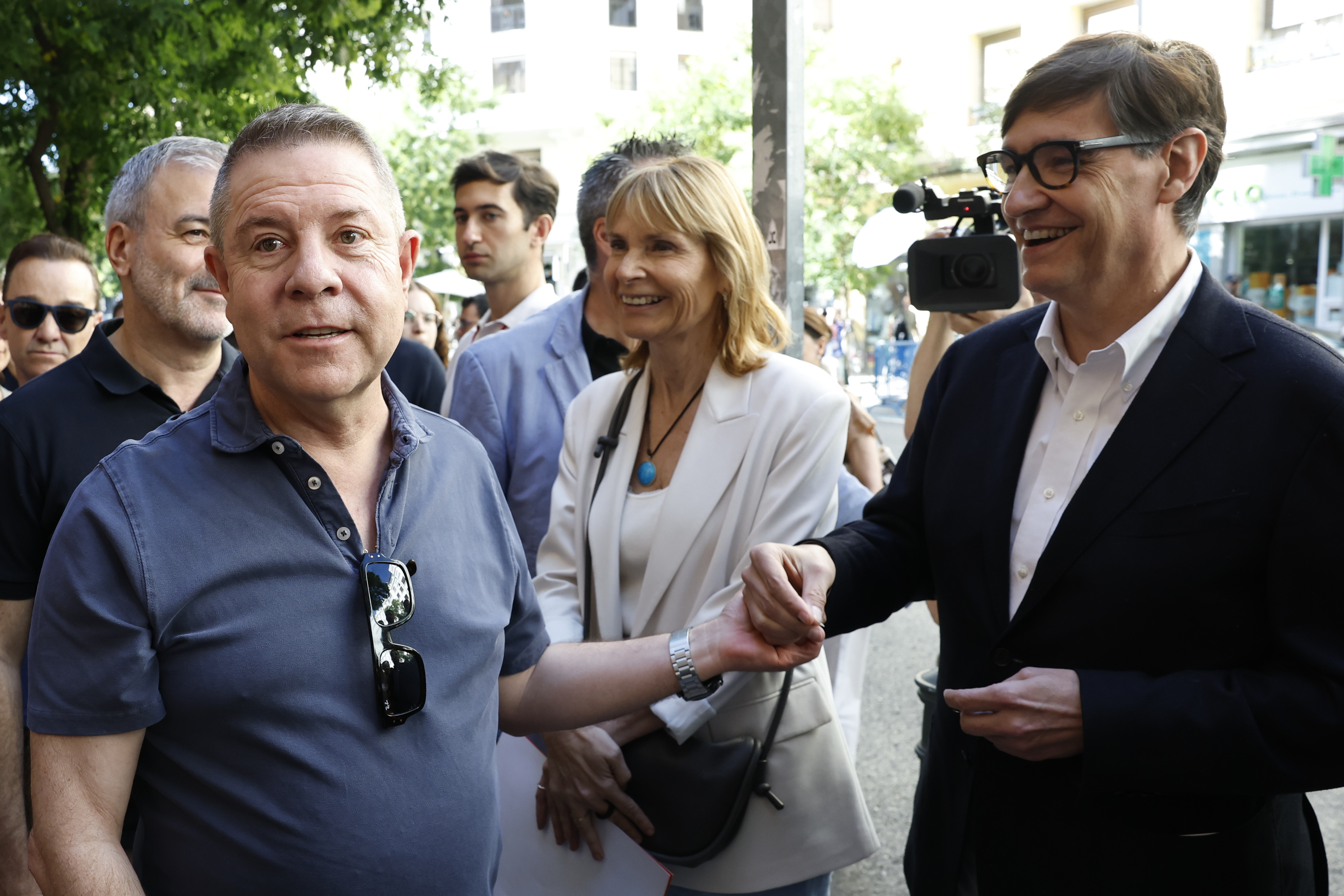
Los barones del PSOE dejan solo a Page en su petición a Sánchez de que adelante las elecciones generales La mayoría de los secretarios generales socialistas en las federaciones remarcan que la convocatoria es "una decisión que compete exclusivamente al presidente" Leer
elmundo · 8 days ago
Hoffnung auf Reform-Erfolg: Renten-Revolution soll Koalition aus der Krise führen Die Koalition sonnt sich im Erfolg ihrer Rentenreform. Jetzt soll es im gleichen Stil weitergehen. Wenn es nur so einfach wäre.
faz · 8 days ago
Siegfried Mureșan, replică pentru Grindeanu: „Două luni s-a ferit să fie prim-ministru, acum dintr-odată își dorește Vicepreședintele PNL Siegfried Mureșan, propus de PNL, USR și UDMR pentru funcția de prim-ministru, consideră că singurii care au motiv să se teamă de alegerile anticipate sunt social-democrații și a reiterat că liberalii nu vor vota un Guvern PSD. „Cea mai mare răzgândire pe care o vedem zilele acestea vine de la domnul Grindeanu: de …
hotnews.ro · 8 days ago
Im Dienst der SNB – Ehemaliger SNB-Chef Hans Meyer mit 90 Jahren gestorben Hans Meyer arbeitete insgesamt rund 30 Jahre für die Schweizerische Nationalbank.
srf.ch · 8 days ago

„Es gab von linker Seite eine Hemmung, Antisemitismus von muslimischer Seite anzusprechen Felix Klein, scheidender Antisemitismusbeauftragter, warnt: Die Lebensqualität für Juden in Deutschland ist schlechter geworden. Linker und migrantischer Antisemitismus seien zudem in der Vergangenheit unterschätzt worden.
welt.de · 8 days ago
Finanzpolitik: Spitzensteuer, Soli, Mittelstandsbauch: CDU-Wirtschaftsflügel zieht rote Linien für Steuerreform Kommende Woche will sich die Bundesregierung auf eine Einkommensteuer-Reform einigen – doch die Gegenfinanzierung ist ungeklärt. Die Mittelstandsunion schließt jetzt eine Option klar aus.
handelsblatt · 8 days ago
Petrișor Peiu explică poziționarea AUR în favoarea anticipatelor: Nicușor Dan nu crede în democrație și în egalitatea dintre partide Petrișor Peiu, lider al senatorilor AUR, explică, sâmbătă dimineață, într-o postare pe Facebook, de ce partidul său dorește alegeri anticipate și refuză să susțină un guvern pe care nu-l conduce. Peiu îl acuză pe Nicușor Dan că nu crede în democrație și în egalitatea dintre partide.
digi24 · 8 days ago
Calcule pentru învestirea unui nou guvern: pe câte voturi se pot baza Sorin Grindeanu și Siegfried Mureșan, fără a apela la AUR PSD a anunțat că-l propune pe Sorin Grindeanu pentru un guvern minoritar, în timp ce PNL-USR-UDMR îl vor pe Siegfried Mureșan. Dar dacă e să ne uităm la toate declarațiile politice făcute în ultimele zile, ne dăm seama de un lucru, indiferent de desemnarea care ar urma să fie făcută de Nicușor Dan: niciuna dintre variante, în aceste momente, nu ar aduna voturile necesare pentru a fi învestit guvernul, dacă niciun parlamentar AUR nu va putea fi convins să voteze.
digi24 · 8 days ago
„Să-ți fie rușine, Ilie! Ai trădat președintele României. Șeful CJ Cluj (PNL), atac dur la adresa lui Bolojan Președintele Consiliului Județean Cluj, Alin Tișe, a lansat, sâmbătă, un val de atacuri la adresa premierului interimar Ilie Bolojan. Liberalul îl acuză de trădare și de blocaj în formarea Guvernului. Într-un mesaj publicat pe Facebook, acesta critică și deciziile din interiorul PNL privind excluderea liberalilor care au susținut și votat Cabinetul Veștea.
digi24 · 8 days ago
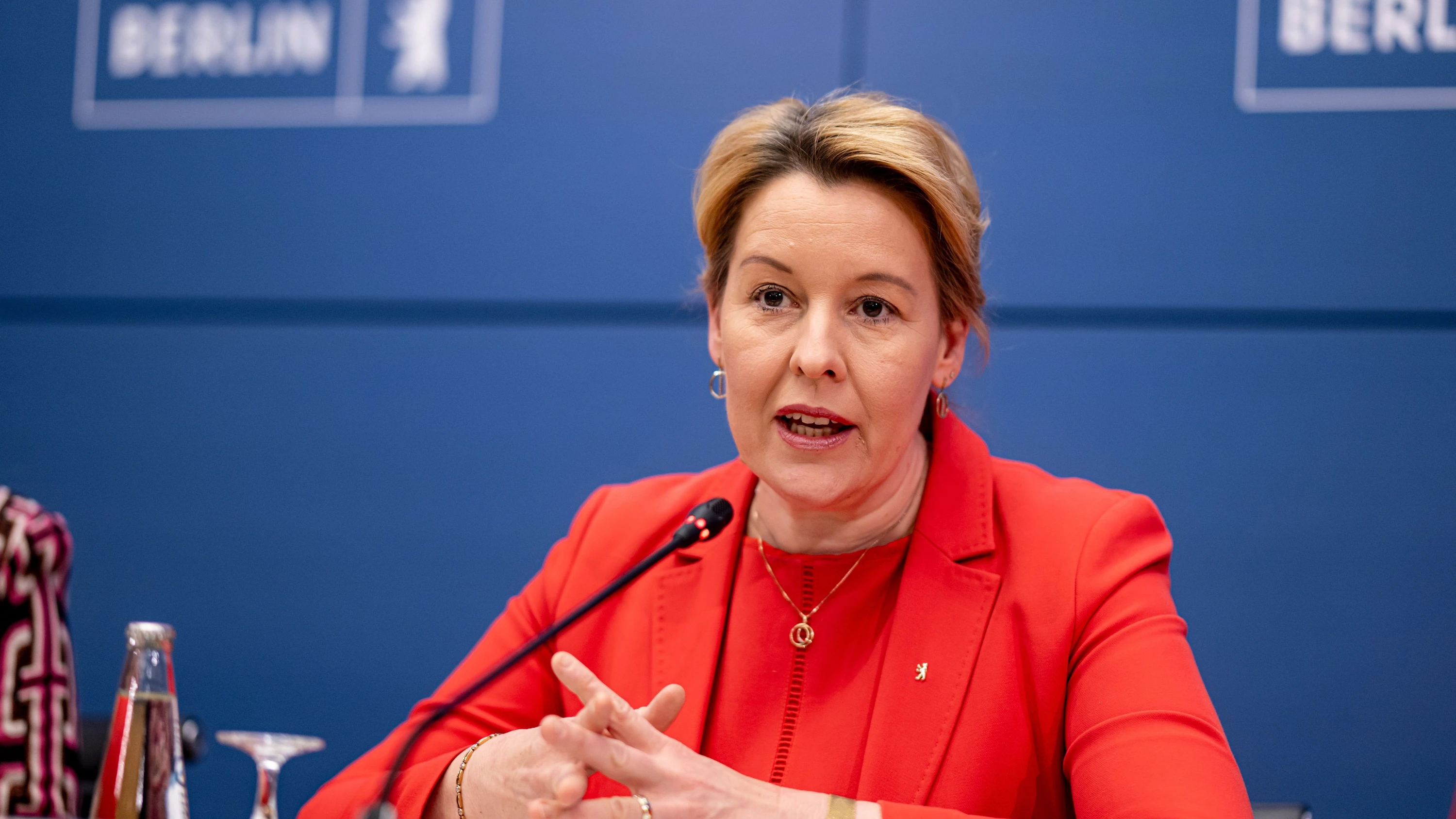
Deutschland-Liveblog: SPD-Politikerin Giffey gegen Abschaffung der „Rente mit 63 Debatte über Empfehlungen der Rentenkommission +++ Bericht: Klingbeil plant Erhöhung der Alkoholsteuer um 20 Prozent +++ Union bleibt skeptisch gegenüber AfD-Verbot +++ alle Entwicklungen im Liveblog
faz · 8 days ago
Il sondaggio Ipsos: la Lega sotto Vannacci e Avs, arretra Fratelli dItalia. Ma sale il gradimento di Meloni La polemica con Donald Trump sembra aver rafforzato Giorgia Meloni. Il gradimento nei confronti della presidente del Consiglio e del governo è in lieve crescita, mentre nelle intenzioni di voto il centrodestra tradizionale perde ancora terreno per lavanzata di Roberto Vannacci. Sono le indicazioni che emergono dallultimo sondaggio realizzato da Nando Pagnoncelli (Ipsos) per il […] Larticolo Il sondaggio Ipsos: la Lega sotto Vannacci e Avs, arretra Fratelli dItalia. Ma sale il gradimento di Meloni proviene da Il Fatto Quotidiano.
il fatto quotidiano · 8 days ago
„Wir können gerade aus der Geschichte des Widerstandes viel lernen In der Debatte um den richtigen Umgang mit der AfD fordert der Historiker und Publizist Tobias Korenke „engagierte Bürger, die gegen die Pläne der Partei das Wort erheben: „Ich sehe die Entwicklung, dass sehr viele Menschen einfach zugucken.
welt.de · 8 days ago

Die Sehnsucht nach Erneuerung – und sei sie noch so radikal Vor der Präsidentschaftswahl ist die politische Mitte in Frankreich tief gespalten – und immer mehr Kandidaten bringen sich in Stellung. Das Chaos begünstigt ein beispielloses Szenario, das bei den Wählern auf immer mehr Zustimmung stößt.
welt.de · 8 days ago